

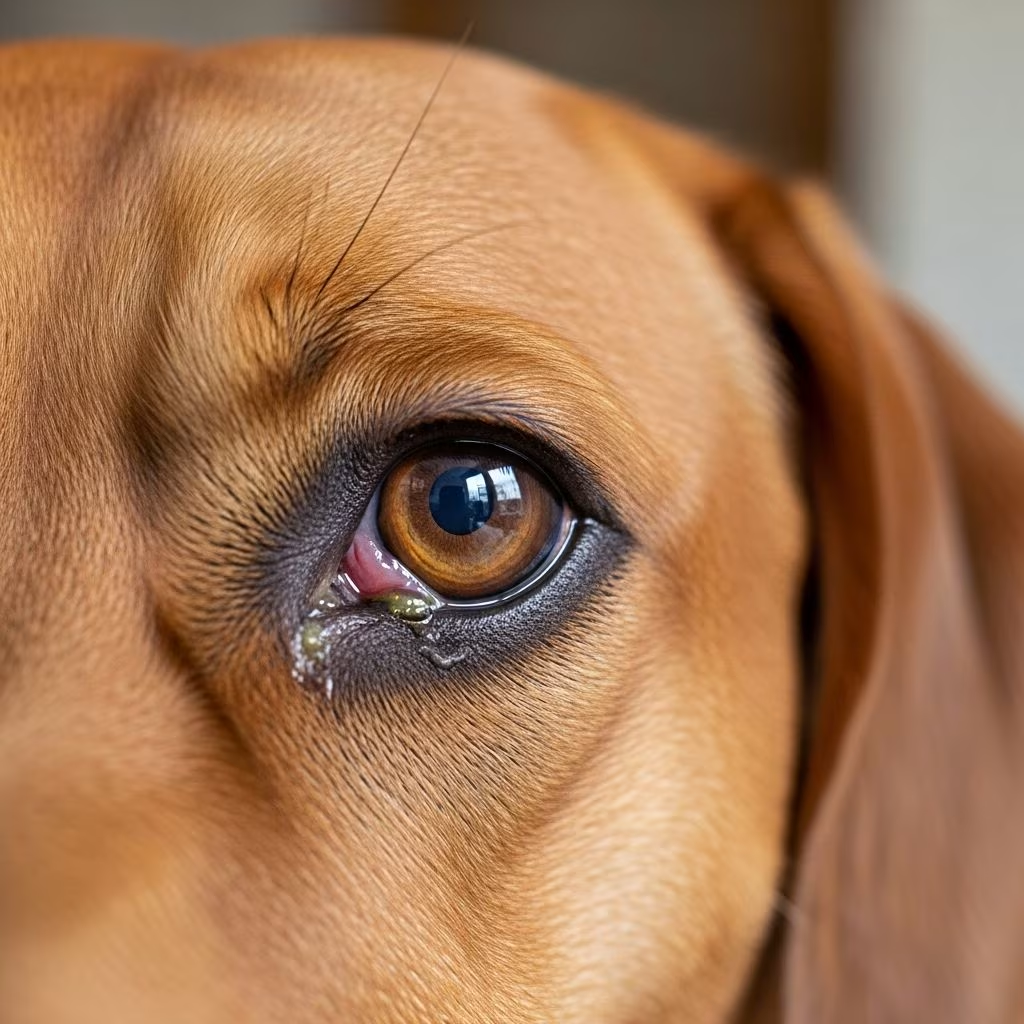
Dog eye allergies and infections present overlapping symptoms like redness and discharge, but they demand distinct treatments to prevent complications such as vision loss. Accurate differentiation ensures your pet receives the right care promptly, avoiding worsening conditions or inappropriate medications that could harm the eyes.
Understanding Canine Eye Anatomy Basics
The canine eye comprises the cornea, conjunctiva, eyelids, and tear glands, all susceptible to irritants or pathogens. The conjunctiva, a thin membrane covering the white part of the eye and inner eyelids, often becomes inflamed in both allergies and infections, leading to common signs. Tear production lubricates and protects the eye, but disruptions from allergies or blockages can mimic infectious responses. Breeds with short faces like Pugs or Bulldogs face higher risks due to prominent eyes exposed to environmental factors.
Common Triggers for Eye Allergies in Dogs
Allergies arise when the immune system overreacts to harmless substances, causing inflammation. Environmental allergens such as pollen, dust mites, and mold trigger seasonal episodes, while food sensitivities or flea bites contribute year-round. Contact allergies from shampoos or plants directly irritate the ocular surface. Unlike humans, dogs rarely sneeze from eye allergies alone but may show concurrent skin itching. Genetic predisposition affects breeds like Labrador Retrievers and Golden Retrievers, making them prone to atopic dermatitis extending to the eyes.
Symptoms Pointing to Allergic Reactions
Allergic conjunctivitis typically features clear, watery discharge from both eyes, accompanied by redness in the whites. Dogs frequently paw at their faces or rub against surfaces, indicating intense itching rather than pain. Eyelid swelling and mild light sensitivity occur, but squinting is uncommon. Secondary signs include clear nasal discharge or sneezing if respiratory involvement exists. Symptoms often recur seasonally or with allergen exposure, resolving somewhat with environmental changes.
- Clear, excessive tearing from both eyes
- Red, inflamed conjunctiva without thick pus
- Frequent rubbing or scratching around eyes
- Bilateral involvement (both eyes equally affected)
- No fever or lethargy; dog remains active
Root Causes Behind Eye Infections
Infections stem from bacteria, viruses, fungi, or parasites invading eye tissues, often following trauma, dry eye, or immune suppression. Bacterial conjunctivitis from Staphylococcus or Streptococcus is prevalent, thriving in moist environments. Viral causes like canine distemper or herpesvirus spread via contact. Fungal infections are rarer, linked to warm climates or injuries. Underlying issues such as entropion (inward-rolling eyelids), lagophthalmos (inability to fully close eyes), or keratoconjunctivitis sicca (dry eye) predispose dogs to recurrent infections by compromising natural defenses.
Recognizing Signs of Ocular Infections
Infections produce thick, yellow-green, or white discharge, often crusting overnight, with pronounced swelling and redness. Pain manifests as squinting, holding the eye shut, or sensitivity to touch and light. Unilateral onset (one eye first) is typical, progressing rapidly if untreated. Affected dogs may paw excessively due to discomfort, appear lethargic, or show fever. Corneal involvement leads to cloudiness or ulcers, demanding urgent intervention.
- Thick, colored pus-like discharge
- Swelling, redness, and crusting
- Squinting, blinking frequently, or eye closure
- Light sensitivity and evident pain
- Often starts in one eye, may spread
Key Differences: A Side-by-Side Comparison
Distinguishing relies on discharge type, pain level, eye involvement, and progression speed. Allergies cause itch-driven bilateral clear tears without rapid worsening, while infections bring painful, unilateral purulent discharge that escalates quickly.
| Feature | Allergies | Infections |
|---|---|---|
| Discharge | Clear, watery | Thick, yellow/green/white |
| Sensation | Itchy | Painful |
| Eyes Affected | Both | Usually one initially |
| Progression | Recurrent/seasonal | Rapid worsening |
| Other Signs | Skin itch, sneezing | Fever, lethargy |
Diagnostic Approaches by Veterinarians
Vets perform a thorough exam using fluorescein staining to detect ulcers, Schirmer tear tests for dry eye, and tonometry for pressure. Swabs culture bacteria or viruses, guiding therapy. Allergy testing via intradermal skin tests or blood serum identifies triggers. Fluorescein dye reveals scratches or foreign bodies under blue light. Tonometry rules out glaucoma, while slit-lamp biomicroscopy inspects deeper structures. Early diagnosis prevents secondary complications like scarring.
Treatment Strategies for Allergic Conditions
Mild cases benefit from saline flushes to remove allergens, artificial tears for lubrication, and antihistamines like diphenhydramine (vet-dosed). Topical steroids or non-steroidals reduce inflammation but require monitoring to avoid ulcers. Immunosuppressants like cyclosporine address chronic issues. Systemic apoquel or cytopoint injections manage widespread atopy. Allergy testing enables hypoimmunotherapy for long-term control. Avoid human drops without approval.
Effective Therapies for Infections
Bacterial infections respond to topical antibiotics like erythromycin or fluoroquinolones, often combined with anti-inflammatories. Viral cases use supportive antivirals and tear stimulants. Fungal treatments involve specific antifungals. Pain relief comes from atropine to dilate pupils, reducing spasms. Address primaries like dry eye with cyclosporine. Most resolve in days with compliance; follow-up prevents recurrence. Steroids are contraindicated in ulcers.
Preventive Measures for Optimal Eye Health
Minimize allergens by washing bedding weekly, using air purifiers, and avoiding high-pollen walks. Regular grooming removes debris. Promptly treat skin allergies to halt ocular spread. Vaccinate against distemper/herpes. Breeds prone to dry eye need lifelong lubricants. Protective goggles shield during dusty activities. Annual vet eye checks catch issues early. Clean faces daily with vet-approved wipes.
- Weekly hypoallergenic baths
- HEPA filters indoors
- Seasonal flea preventives
- Routine tear production monitoring
When to Rush to the Vet
Seek immediate care for cloudiness, severe squinting, bleeding, pupil changes, or trauma. Thick discharge, one-eyed pain, or non-response to home rinses warrant same-day visits. Delays risk corneal scarring or blindness. Overnight waits suit mild bilateral clear tears, but err toward caution. Puppies, seniors, or brachycephalics need faster evaluation due to vulnerabilities.
FAQs on Dog Eye Issues
Can allergies lead to infections?
Yes, rubbing from itchiness scratches the cornea, inviting bacteria. Control allergies to prevent secondaries.
Is over-the-counter Benadryl safe?
Dosed at 1mg/lb every 8-12 hours, yes, but consult vets first, especially for breeds like Collies.
How long until infection clears?
Typically 5-7 days with antibiotics; complete the course to avoid resistance.
Do all dogs with red eyes need meds?
No, mild allergies may self-resolve; infections always require treatment.
Can diet affect eye allergies?
Hydrolyzed protein diets help food-related atopy impacting eyes.
Long-Term Management for Chronic Cases
Recurrent allergies demand immunotherapy tailored post-testing, reducing medication needs. Dry eye therapy with cyclosporine twice daily maintains tears. Surgical corrections fix entropion or prolapsed glands. Monitor for uveitis or glaucoma as complications. Holistic aids like omega-3 supplements support ocular surfaces. Track symptoms in a journal for vet discussions.
References
- Dog Eye Allergies: Symptoms and Treatment — PetMD. 2023-05-15. https://www.petmd.com/dog/conditions/eyes/dog-eye-allergies-symptoms-and-treatment
- Dog Eye Infections: Symptoms, Causes, and Treatment — American Kennel Club (AKC). 2024-02-20. https://www.akc.org/expert-advice/health/dog-eye-infections/
- Dog Eye Infection: Causes, Symptoms, and Treatment — ToeGrips. 2023-11-10. https://toegrips.com/dog-eye-infection/
- Eye allergies vs. eye infections in dogs: Which is it? — Vetster. 2024-01-08. https://vetster.com/en/wellness/eye-allergies-vs-eye-infections-in-dogs-which-is-it
- Dog Eye Infection Treatment — Carolina Veterinary Specialists. 2023-01-15. https://www.charlotte.carolinavet.com/site/charlotte-emergency-vet-blog/2023/01/15/dog-eye-infection-treatment



