Pet Fitness: Which Type of Exercise is Right for Your Dog
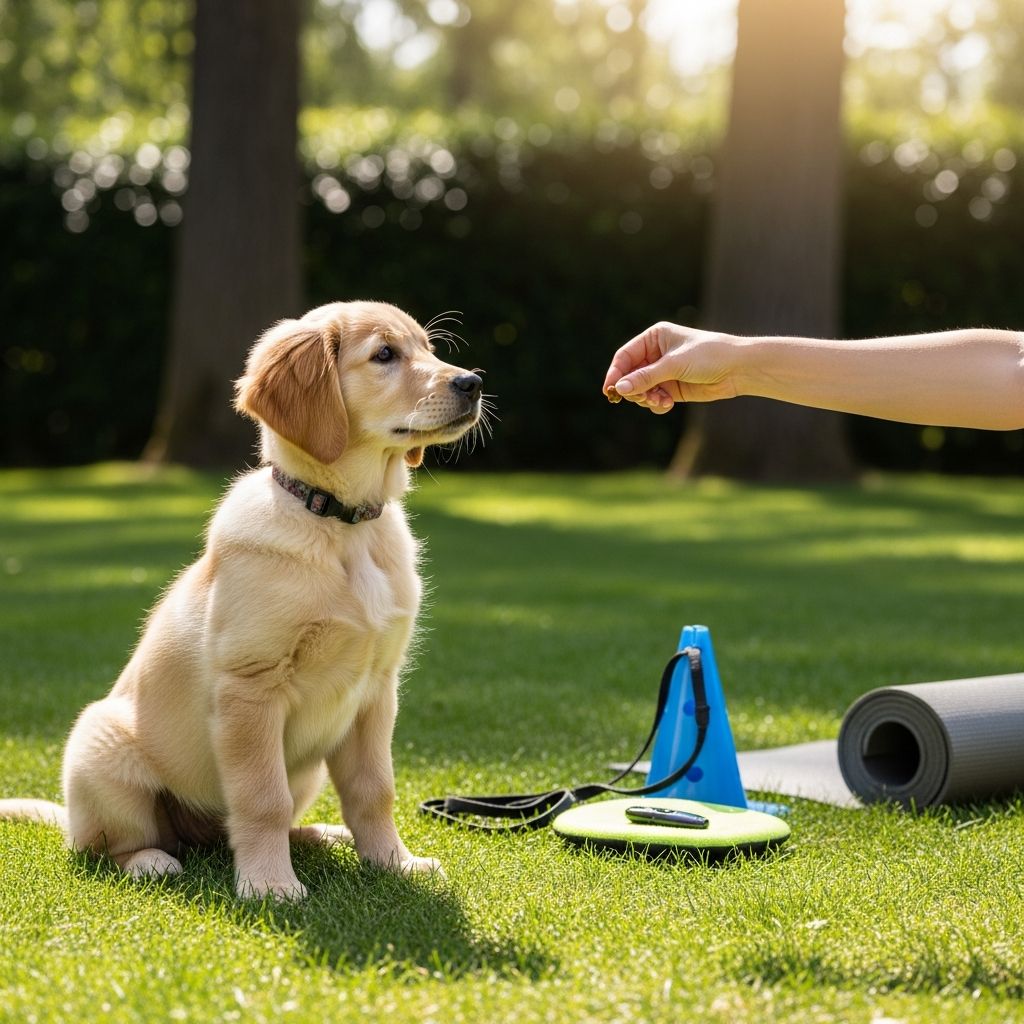
Keeping your dog active and healthy is one of the most important responsibilities of pet ownership. Regular exercise is not just about maintaining a healthy weight—it’s about supporting your dog’s overall well-being, from physical fitness to mental health and behavioral development. However, not all exercises are created equal, and what works perfectly for one dog may not be suitable for another. Understanding which types of exercise are right for your dog depends on several key factors, including age, breed, size, and overall health status.
The phrase “a tired dog is a good dog” rings true because when dogs receive adequate physical activity, they are less likely to develop behavioral problems such as excessive barking, destructive chewing, or unwanted digging. Beyond behavior modification, exercise strengthens your dog’s cardiovascular system, maintains healthy joints, controls weight, and even improves digestion. Let’s explore the various types of exercise available and how to determine which ones are best suited for your individual dog.
Understanding Your Dog’s Exercise Needs
Before diving into specific exercise types, it’s essential to understand that exercise requirements vary significantly based on several individual factors. Your veterinarian is your best resource for determining the appropriate exercise routine for your specific dog, taking into account their unique health profile, genetic predisposition, and any existing medical conditions.
Age Considerations
Different life stages require different exercise approaches. Puppies and young adult dogs typically need between one and two hours of physical activity per day, as they have abundant energy and are still developing their muscles and bones. Senior dogs and smaller breeds generally require between 30 minutes to one hour of exercise daily. For puppies specifically, it’s important to avoid high-impact activities during their growth phase, as their joints are still developing and could be susceptible to injury. As dogs age, exercise becomes even more critical for maintaining muscle mass, flexibility, and cognitive function.
Breed and Size Factors
Different dog breeds were originally developed for specific purposes, which influences their natural exercise requirements. High-energy working breeds like Border Collies, Australian Shepherds, and Siberian Huskies require significantly more exercise and mental stimulation than lower-energy companion breeds like Bulldogs or Basset Hounds. Large breed dogs may benefit from low-impact exercises to protect their joints, while small breeds can often get adequate exercise through shorter, varied activities. Always research your breed’s historical purpose and energy level to better understand their exercise needs.
Health Status and Physical Condition
Dogs with existing health conditions, orthopedic issues, or those recovering from injuries require modified exercise plans. Dogs prone to joint problems such as hip dysplasia or arthritis benefit from low-impact activities that maintain fitness without stressing vulnerable joints. Overweight dogs should gradually increase their exercise intensity to avoid injury while working toward a healthier weight. Consulting with your veterinarian about any health concerns ensures you’re providing exercise that supports rather than compromises your dog’s health.
Low-Impact Exercise Options
Swimming and Water Activities
Swimming is one of the most beneficial low-impact exercises available for dogs, particularly those with joint issues, arthritis, or those recovering from injury. Water provides natural resistance for muscle building while supporting the dog’s body weight, eliminating stress on joints and ligaments. Swimming works the entire body, improving cardiovascular fitness and flexibility without the impact associated with running on hard surfaces. Additionally, many dogs find water activities calming, which can reduce anxiety—one of the most common behavioral problems in dogs. Whether at a local dog swimming facility, natural body of water, or backyard pool, swimming offers comprehensive fitness benefits with minimal joint strain.
Leash Walking
Often overlooked in favor of more exciting activities, regular leash walking is a fundamental and essential component of canine fitness. Walking benefits both dog and owner by improving cardiovascular health, promoting weight management, strengthening joints, and reducing high blood pressure. A consistent daily walking routine is more beneficial than occasional long walks. Regular walks also aid in digestion and support housebreaking by providing frequent outdoor bathroom opportunities. The beauty of walking lies in its consistency and accessibility—a 20-minute daily walk is far more beneficial than a two-hour walk once weekly, as steady, progressive conditioning is the best approach for dogs.
Gentle Hiking
For dogs that enjoy natural environments, gentle hiking provides excellent low-impact exercise combined with mental stimulation from new sights and smells. Hiking can be easily adjusted in intensity and duration to match your dog’s fitness level and age. Start with shorter, easier trails and gradually increase difficulty as your dog’s fitness improves. This activity is particularly beneficial for older dogs or less active dogs, as it maintains fitness while minimizing stress on joints compared to high-impact activities.
Moderate-Intensity Exercise Options
Playing Fetch
Fetch is a classic dog activity that combines cardiovascular exercise with mental engagement. This interactive game encourages dogs to run and retrieve, building endurance and strengthening muscles. Fetch is highly adaptable—you can play in a backyard, park, or open field, and the intensity can be adjusted based on your dog’s fitness level. Many dogs naturally love retrieving, making this an enjoyable form of exercise that builds the bond between dog and owner.
Running and Jogging
For active, healthy adult dogs, running or jogging alongside their owner provides excellent cardiovascular benefits. This high-energy activity is particularly suitable for working breeds and dogs bred for athletic purposes. However, ensure your dog is properly conditioned before beginning a running routine, and avoid high-impact exercise on hard surfaces if your dog has any joint concerns. Always consider weather conditions and your dog’s age and health status before engaging in running activities.
Playtime with Other Dogs
Social play with other dogs provides both physical exercise and important behavioral benefits. Dogs learn socialization skills, practice appropriate interactions, and burn energy through play. Dog parks and supervised playdates offer opportunities for natural, instinctive play that keeps dogs mentally stimulated while getting physical activity. However, ensure all play sessions are appropriate and supervised to prevent injury or behavioral problems.
High-Impact and Specialized Exercise Options
Agility Training
Agility training challenges dogs both mentally and physically by having them navigate obstacle courses including jumps, tunnels, weaves, and other equipment. This activity builds coordination, balance, and confidence while providing intense physical conditioning. Agility can be enjoyed casually in your backyard with makeshift obstacles or pursued competitively through formal training classes. Dogs benefit from the problem-solving aspect of agility work, which provides valuable cognitive enrichment alongside physical exercise.
Stair Climbing
If you have a safe set of stairs, stair climbing provides an excellent high-intensity workout that builds strength and endurance. This activity can be as simple as encouraging your dog to chase a toy up and down the stairs or running stairs at a park. Avoid slick surfaces like hardwood or tile stairs that could cause slipping and injury. Dogs with orthopedic conditions or joint disease should avoid this type of high-impact exercise.
Nose Work and Scent Games
Nose work challenges dogs to sniff out hidden scents or treats in various locations and containers. This mentally enriching activity provides cognitive stimulation that tires dogs just as much as physical exercise. Nose work is suitable for dogs of all ages and fitness levels and can be adapted for dogs with physical limitations. The combination of physical searching and mental challenge makes this an excellent option for preventing boredom and destructive behaviors.
Therapeutic and Rehabilitation Exercises
For dogs with orthopedic conditions like hip dysplasia or recovering from injury, therapeutic exercises prescribed by a veterinary rehabilitation specialist offer customized approaches to maintain fitness while improving or preventing pain. These specialized exercises focus on building muscle mass, improving joint comfort, and slowing disease progression under professional guidance.
Exercise Guidelines and Best Practices
Consistency is Key
The most important principle in dog fitness is consistency. Daily or near-daily exercise of moderate duration is far more beneficial than occasional intense activity. A steady, progressive approach allows your dog’s body to adapt safely to increasing physical demands while avoiding injury.
Variety Prevents Boredom
Mixing different types of exercise provides comprehensive fitness benefits and prevents mental boredom. Alternating between walking, swimming, agility, and play keeps your dog engaged and working different muscle groups. Variety also provides additional mental stimulation that reduces destructive behaviors resulting from boredom.
Age-Appropriate Progression
Young puppies should focus on moderate activity and varied movement, while avoiding repetitive high-impact exercise during their growth phase. Adult dogs can gradually increase exercise intensity under veterinary guidance. Senior dogs benefit from continued activity but should transition toward lower-impact options that maintain fitness without excessive joint stress.
Health Benefits of Regular Exercise
Weight Management and Metabolic Health
Regular exercise helps dogs maintain a healthy weight by burning excess calories and maintaining muscle mass. Obesity in dogs is a rising health concern with serious consequences including diabetes, joint problems, reduced respiratory function, and decreased lifespan. A healthy weight reduces unnecessary strain on the heart, lungs, and joints, directly extending your dog’s life and improving quality of life.
Cardiovascular Health
Just like humans, dogs need cardiovascular exercise to maintain a strong heart and healthy blood vessels. Activities like brisk walking, jogging, swimming, and fetch increase blood circulation and oxygen levels throughout the body, improving overall cardiovascular fitness and reducing the risk of heart-related conditions.
Joint Health and Flexibility
Regular physical activity promotes joint health by keeping joints lubricated and flexible while strengthening supporting muscles. This is especially important for senior dogs or those prone to joint problems. Exercise reduces the risk of arthritis and degenerative joint disease while decreasing pain and stiffness. Low-impact activities are particularly beneficial for maintaining joint health without causing additional stress.
Mental Health and Behavioral Benefits
Exercise releases endorphins that promote feelings of happiness and calmness in dogs. Regular physical activity reduces anxiety, prevents boredom-related destructive behaviors, and improves overall temperament. Dogs who exercise regularly are typically calmer, better behaved, and more confident than sedentary dogs. Exercise also builds trust and confidence, reducing aggressive behavior and anxiety-related issues.
Improved Digestion and Digestive Health
Physical exercise promotes healthy digestion in dogs by stimulating digestive processes. Regular activity also supports housebreaking efforts by providing frequent opportunities for outdoor bathroom breaks.
Creating Your Dog’s Exercise Plan
| Dog Category | Recommended Duration | Suitable Exercises | Special Considerations |
|---|---|---|---|
| Puppies (under 1 year) | 30-45 minutes, multiple short sessions | Gentle walking, playing, varied movement | Avoid high-impact activities; focus on socialization |
| Adult Dogs (1-7 years) | 1-2 hours daily | Walking, running, fetch, agility, swimming | Adapt based on breed energy level |
| Senior Dogs (7+ years) | 30-60 minutes | Gentle walks, swimming, light play | Prioritize joint-friendly activities; monitor for fatigue |
| Small Breeds | 30-60 minutes | Short walks, indoor play, agility | Watch for temperature sensitivity |
| Large/Giant Breeds | 45-90 minutes | Walking, swimming, moderate running | Monitor for joint issues; avoid strenuous activity when young |
Frequently Asked Questions (FAQs)
Q: How much exercise does my dog need daily?
A: Exercise needs vary by age, breed, and health status. Generally, puppies and young dogs need 1-2 hours daily, while senior and small breeds need 30 minutes to 1 hour. Always consult your veterinarian for your dog’s specific needs.
Q: Is swimming safe for all dogs?
A: Swimming is generally safe and beneficial for most dogs, especially those with joint issues. However, not all dogs naturally enjoy water. Always supervise swimming, start slowly, and use appropriate safety equipment like life jackets for nervous dogs.
Q: Can I exercise my puppy too much?
A: Yes, excessive exercise during puppyhood can harm developing joints and bones. Keep puppy exercise moderate, varied, and age-appropriate. Avoid repetitive high-impact activities until they’re fully grown.
Q: What exercises are best for senior dogs?
A: Senior dogs benefit from low-impact exercises like gentle walks, swimming, and light play. These activities maintain fitness while protecting aging joints. Always monitor for signs of fatigue or discomfort.
Q: How do I know if my dog is getting enough exercise?
A: Adequately exercised dogs are calmer, show fewer behavioral problems, maintain healthy weight, and appear happy and relaxed. Insufficient exercise may result in destructive behavior, obesity, or anxiety.
Q: Can exercise help with my dog’s behavioral problems?
A: Yes, regular exercise significantly reduces behavioral issues like excessive barking, chewing, and digging by burning energy and promoting mental stimulation. Exercise builds confidence and reduces anxiety-related behaviors.
Q: What’s the best time of day to exercise my dog?
A: Consistency matters more than timing. Choose a time that works for your schedule and stick to it daily. Avoid intense exercise immediately after meals or in extreme heat to prevent digestive issues and overheating.
References
- Unleashing Vitality: The Surprising Benefits of Regular Exercise for Dog Wellness — Premier Veterinary Medical Services. 2023-07-31. https://premiervet.org/2023/07/31/unleashing-vitality-the-surprising-benefits-of-regular-exercise-for-dog-wellness/
- Healthy Exercise for Dogs — VCA Animal Hospitals. https://vcahospitals.com/know-your-pet/healthy-exercise-for-dogs
- 7 Benefits of Exercise for Dogs — Milwaukee Paws Pet Care. https://milwaukeepaws.com/7-benefits-of-exercise-for-dogs/
- The Many Benefits of Exercise for Dogs — Embark Veterinary. https://embarkvet.com/resources/exercise-for-your-dog/
- What Are the Benefits of Daily Exercise for Pets? — Wilderness Veterinary Medicine. https://wildernessvet.com/what-are-the-benefits-of-daily-exercise-for-pets/
- Canine Fitness: Keeping Your Dog Active and Healthy — Express Vets Kennesaw. https://www.expressvetskennesaw.com/blog/canine-fitness-keeping-your-dog-active-and-healthy-express-vets-kennesaw
- Dog Walking: The Health Benefits of Walks with Your Dog — HelpGuide. https://www.helpguide.org/wellness/pets/health-benefits-of-walks-with-your-dog
Similar Articles






Read full bio of Sneha Tete