
Dog Exercise Needs Guide
Discover tailored exercise plans for your dog based on breed, age, and health to ensure optimal fitness and happiness.
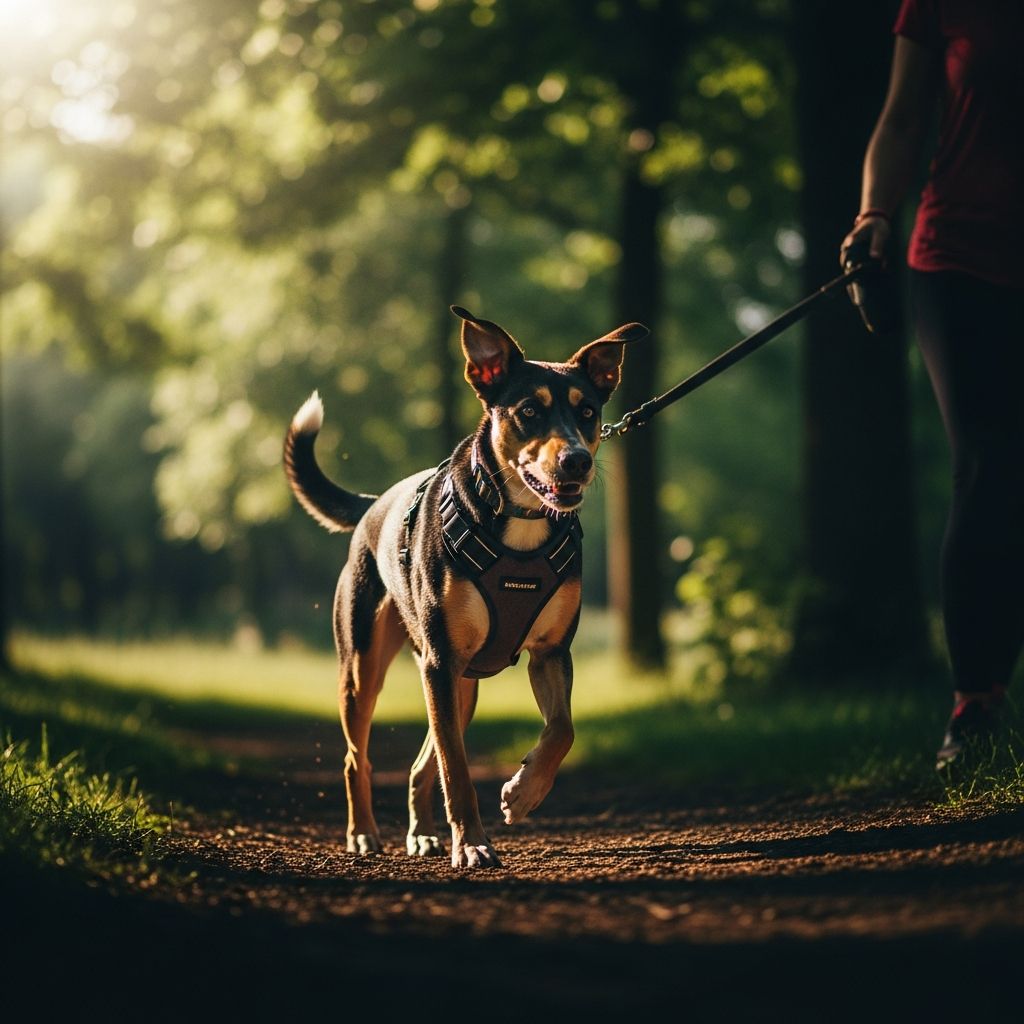
Every dog thrives with the right amount of physical activity tailored to their unique profile. Factors like breed heritage, life stage, and physical condition determine ideal exercise levels, ranging from 30 minutes to over two hours daily for most healthy adults.
Why Regular Exercise Matters for Canines
Physical activity supports weight management, cardiovascular health, muscle tone, and joint flexibility in dogs. Beyond the body, it reduces behavioral issues like excessive barking or destructive chewing by channeling energy productively. Mental engagement during exercise prevents boredom, fostering a calmer home environment. Vets emphasize consistent routines to build endurance safely, avoiding weekend warrior pitfalls that risk injury.
Inadequate movement contributes to obesity, a common issue affecting mobility and lifespan. Active dogs exhibit better sleep patterns, sharper focus, and stronger owner bonds through shared adventures.
Factors Shaping Your Dog’s Activity Requirements
Dog fitness demands vary widely. High-energy working breeds need vigorous outlets, while companions prefer gentler pursuits. Age alters capacity: young adults peak in stamina, puppies require controlled bursts, and seniors benefit from low-impact options. Health conditions, such as arthritis or respiratory challenges, necessitate modifications. Size plays a role too—larger frames endure longer sessions, but brachycephalic types tire quickly.
Daily Benchmarks by Life Stage
Puppies: Building Foundations Safely
Puppy bones and joints develop rapidly, so overexertion risks permanent damage. Limit structured exercise to five minutes per month of age, up to twice daily. For a five-month-old, that’s 25 minutes total of leashed walks or play bursts, interspersed with naps. Free romping in safe spaces counts, but avoid forced runs or jumps. Focus on exploration to stimulate senses without strain.
Adult Dogs: Peak Performance Zone
Healthy adults generally need 30-120 minutes of mixed activity daily, divided into sessions. This includes walks, play, and training. High-drive breeds demand the upper end, while laid-back types suffice with less. Consistency trumps intensity—daily 20-minute outings outperform sporadic marathons.
Seniors: Gentle Maintenance
Aging slows metabolism and joints, dropping needs to 20-45 minutes of mild effort. Short strolls, swimming, or puzzle games preserve muscle without stress. Monitor for fatigue signs like lagging or heavy panting, adjusting as mobility declines.
Breed Group Exercise Breakdown
Genetic backgrounds dictate energy levels. Herding and sporting lines crave purpose-driven motion, while toy breeds entertain with bursts.
| Breed Group | Daily Minimum | Ideal Activities |
|---|---|---|
| Sporting (e.g., Labs, Goldens) | 90 minutes | Swimming, fetching, hiking |
| Herding (e.g., Border Collies) | 60+ minutes + mental work | Agility, frisbee, obedience drills |
| Terriers | 60 minutes | Brisk walks, tug games, yard sprints |
| Huskies/Malamutes | 60 minutes stamina-building | Running, backpacking, skijoring |
| Brachycephalic (Pugs, Bulldogs) | 30-60 minutes short bursts | Cool-weather walks, indoor play |
| Guard Breeds (Rottweilers) | 45-90 minutes | Moderate hikes, weight pulling |
This table summarizes averages; individual temperament varies. Consult vets for personalized tweaks.
Engaging Exercise Ideas for Every Dog
- Leashed Walks: Baseline for all ages, promoting sniffing for mental rewards.
- Fetch Variations: Classic energy-burner; use balls or discs in open areas.
- Swimming Sessions: Joint-friendly cardio, perfect for overweight or arthritic pups.
- Hiking Trails: Terrain changes build strength; start flat for beginners.
- Agility Basics: Home setups with tunnels and jumps challenge body and mind.
- Nosework Games: Hide treats to tap scent instincts, tiring without miles.
- Draft Pulling: Carts for strong breeds mimic historical roles.
- Treadmill Training: Weather-proof endurance builder for high-drive dogs.
- Stair Workouts: Quick indoor muscle toner; supervise dachshund-types.
- Hide-and-Seek: Indoor fun blending chase and puzzles.
Mix activities weekly to prevent boredom. Pair physical with brain games like treat puzzles for holistic fitness.
Seasonal and Weather Adjustments
Hot days demand early mornings or evenings for brachycephalics prone to overheating. Provide constant water, watch for distress like drooling. Winter calls for booties against ice and shorter outings. Indoor alternatives shine year-round: flirt poles, puzzle feeders, or rollerblading in safe zones.
Health Considerations and Red Flags
Pre-existing issues like hip dysplasia or heart conditions require vet clearance. Brachycephalic dogs need brief, cool sessions to avoid breathing crises. Overweight pets start slow to shed pounds safely. Signs of excess: limping, collapse, prolonged recovery. Gradually ramp intensity for conditioning.
Building a Sustainable Routine
Start modest—30 minutes thrice weekly—building to daily norms. Dogs adore predictability; fixed times enhance compliance. Track progress via apps or journals, noting energy post-exercise. Involve family for backup on busy days. Professional classes like flyball add social perks.
Common Mistakes to Sidestep
- Ignoring breed traits, leading to frustration-fueled mischief.
- Weekend-only efforts causing soreness.
- Neglecting hydration or heat risks.
- Overlooking mental components in physical plans.
- Pushing puppies or seniors beyond limits.
FAQs
How do I know if my dog gets enough exercise?
Observe settled behavior, good appetite, and eagerness for routines. Lethargy or hyperactivity signals imbalance.
Can too much exercise harm my dog?
Yes, especially in growing pups or those with conditions. Follow age/breed guidelines and vet advice.
What if bad weather prevents walks?
Opt for indoor games, treadmills, or stairs. Short bursts maintain momentum.
Do small dogs need less exercise?
Not always—terriers match larger peers in vigor despite size.
Should I exercise my pregnant or nursing dog more?
Moderate walks suffice; extra calories fuel needs without extremes.
Partnering with Professionals
Vets assess baselines via checkups. Trainers customize plans. Centers like San Diego Humane offer safety tips for group hikes.
References
- Healthy Exercise for Dogs — VCA Animal Hospitals. 2023. https://vcahospitals.com/know-your-pet/healthy-exercise-for-dogs
- Exercising With Your Dog — San Diego Humane Society. 2024. https://sdhumane.org/resources/exercising-with-your-dog/
- How Much Exercise Does a Dog Need Every Day? — American Kennel Club (AKC). 2025-03-15. https://www.akc.org/expert-advice/health/how-much-exercise-does-dog-need/
- Dog Exercise Requirements by Breed — Wisdom Panel. 2024. https://www.wisdompanel.com/en-us/blog/exercise-requirements-by-breed
- Here’s How Much Exercise Your Dog Needs — Best Friends Veterinary Hospital. 2024-02-20. https://bestfriendsvet.org/blog/dog-exercise-needs/
- Exercising With Your Dog 101 — PetMD. 2023-11-10. https://www.petmd.com/dog/wellness/evr_dg_exercising_with_your_dog101
(Word count: 1678)
Similar Articles








Read full bio of Sneha Tete




