

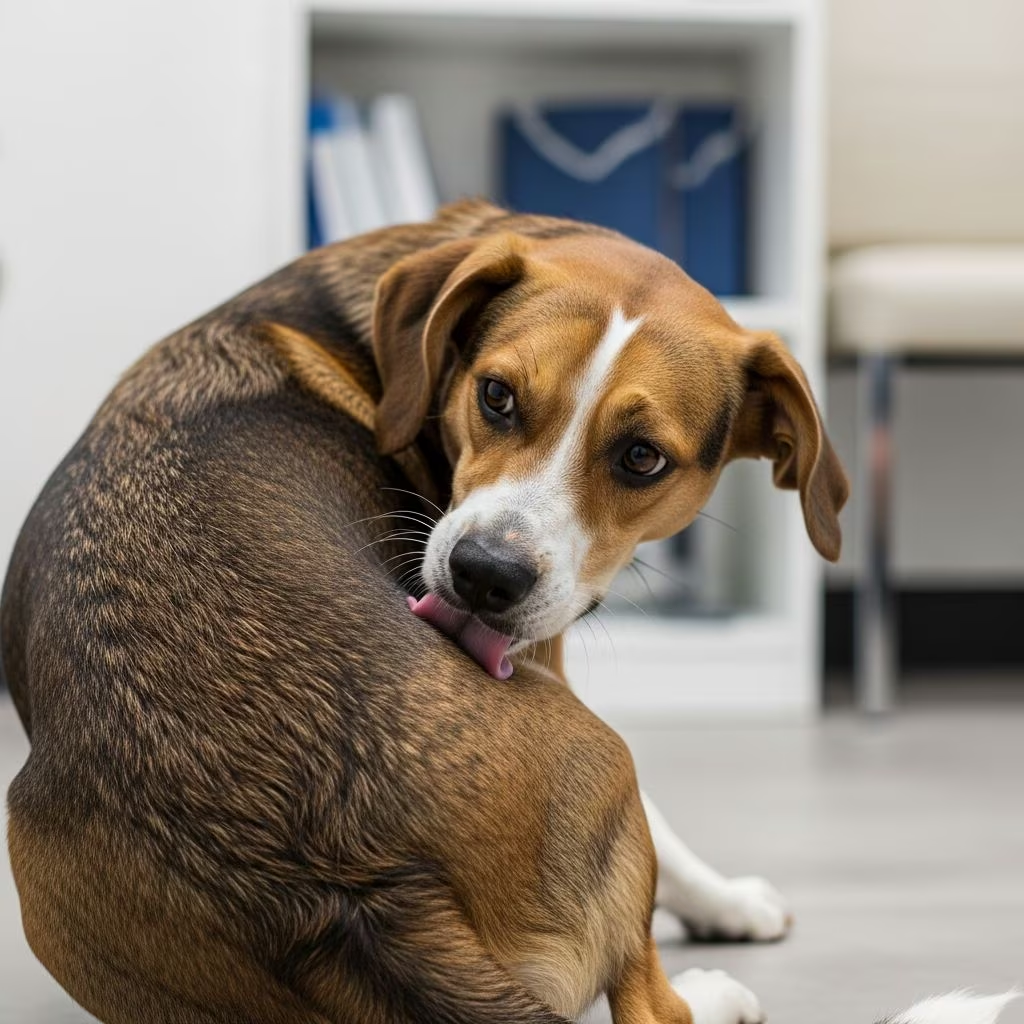
If you’ve noticed your dog spending an unusual amount of time grooming their rear end, you’re not alone. While all dogs engage in some level of self-grooming, constant licking or scooting can signal underlying health concerns that deserve attention. Understanding the difference between normal hygiene behavior and problematic excessive licking is crucial for maintaining your dog’s wellbeing.
Understanding Normal Grooming Versus Excessive Behavior
Dogs naturally groom themselves as part of their daily hygiene routine, and this includes occasional attention to their rear end, particularly after bathroom visits or outdoor activities. This normal grooming behavior is typically brief and infrequent. However, when licking becomes persistent, focused, or causes visible damage to the skin around the anal area, it transitions from normal grooming into a concern that warrants investigation.
The key distinction lies in frequency and intensity. Occasional licking is nothing to worry about, but if your dog is constantly attending to this area, losing hair, or displaying signs of discomfort, a veterinary evaluation becomes necessary. Dogs with longer coats, such as Golden Retrievers or Shih Tzus, may require more frequent grooming attention in this region due to matting and debris accumulation, which can contribute to increased licking behavior.
Anal Gland Dysfunction: A Primary Culprit
Among the most common reasons for excessive butt licking is dysfunction of the anal glands. These two small glands, located on either side of your dog’s anus, serve an important function by secreting fluid during bowel movements. This fluid helps dogs mark territory and communicate with other canines. Research indicates that approximately 15.7% of dogs experience anal gland issues at some point in their lives.
When anal glands become impacted, inflamed, or infected, they create significant discomfort. Dogs instinctively lick and scoot across floors attempting to relieve the pressure and irritation. If bacterial infections develop within these glands, the problem intensifies. Left untreated, impacted anal glands can rupture, requiring surgical intervention and causing considerable pain.
A veterinarian can manually express the glands and prescribe appropriate antibiotics if infection is present. Regular professional grooming and maintaining proper fiber intake through diet can help prevent anal gland issues from developing.
Parasitic Infestations and External Pests
Parasites represent another significant cause of excessive anal licking in dogs. Both external parasites like fleas, ticks, and mites, and internal parasites such as tapeworms and roundworms can trigger this behavior. Dogs acquire these unwelcome organisms through contaminated food, infected feces, or environmental exposure.
Fleas particularly congregate around the base of the tail and rear end, making this area especially itchy for affected dogs. Dogs with flea allergies experience heightened irritation and may engage in relentless licking and scratching. Internal parasites like tapeworms cause anal itching as they pass through the digestive system, often leaving visible signs like rice-like specks in the stool or around the anus.
Effective parasite management requires both treating the dog and addressing the environment. Your veterinarian can recommend appropriate flea prevention medications, deworming treatments, and environmental control measures to eliminate eggs and larvae from your home.
Digestive System Issues and Intestinal Concerns
Problems within the digestive tract frequently manifest as rear-end licking. When dogs experience diarrhea, constipation, or irregular bowel movements, the anal area becomes irritated and uncomfortable. This discomfort drives dogs to lick the area in an attempt to self-soothe.
Changes in stool consistency, straining during bowel movements, or visible discomfort when defecating all warrant dietary review. Insufficient fiber, dehydration, or inappropriate food choices can trigger digestive upset. Conversely, introducing excessive treats or table scraps can also cause intestinal distress.
Addressing digestive issues often involves dietary adjustment. Adding appropriate fiber sources, ensuring adequate hydration, and providing high-quality nutrition can resolve many licking behaviors rooted in digestive discomfort. Your veterinarian can recommend specific dietary modifications tailored to your dog’s needs.
Allergic Reactions and Skin Sensitivities
Allergies in dogs manifest similarly to allergies in humans, causing itchy, uncomfortable skin. Dogs with allergies may develop generalized itching or experience localized irritation in specific areas, including the rear end. Food allergies, environmental allergens like pollen, and flea bite hypersensitivity all contribute to this problem.
Dogs experiencing allergy-related itching often exhibit additional symptoms: red or inflamed skin, frequent ear infections, and consistent paw licking alongside butt licking. These dogs develop a cycle where licking causes inflammation, which increases itching, leading to more licking.
Identifying and eliminating the allergen is the primary treatment approach. This might involve switching to a limited-ingredient diet, using hypoallergenic shampoos, administering antihistamines, or applying topical anti-inflammatory treatments. Your veterinarian may recommend an elimination diet to identify food allergens or discuss environmental management strategies for seasonal allergies.
Bacterial and Fungal Infections
The anal area is susceptible to infections that cause significant itching and discomfort. Bacterial infections can develop secondary to impacted anal glands or other skin conditions. Fungal infections, including yeast overgrowth, thrive in the warm, moist environment around the anus.
Signs of infection include redness, swelling, discharge, oozing, hair loss, and unpleasant odors. Dogs with weakened immune systems or those taking antibiotics that disrupt healthy skin flora are more susceptible to these infections.
Treatment depends on the infection type and severity. Bacterial infections respond to prescribed antibiotics, while fungal infections require antifungal medications or medicated shampoos. Your veterinarian will culture the area if necessary to identify the specific organism causing infection and recommend appropriate therapy.
Structural and Dermatological Abnormalities
Beyond infections and parasites, structural problems and skin conditions can trigger excessive licking. Hot spots are localized areas of intense inflammation and infection, often resulting from allergies, parasites, or self-trauma from licking. Fistulas, small abnormal openings near the anus, create chronic drainage and irritation that drives constant licking.
Tumors in or around the anal area, while less common, can cause discomfort and excessive licking. Additionally, anal fissures or other physical injuries create pain that dogs attempt to manage through licking and self-grooming.
Any visible lumps, bumps, discharge, or changes in the anal area appearance warrant immediate veterinary attention. Early detection of structural problems or tumors significantly improves treatment outcomes.
Urinary Tract and Reproductive Infections
Problems affecting the urinary system or reproductive organs can manifest as excessive licking of the rear and genital areas. Urinary tract infections develop when bacteria enter the urethra, typically through contamination from feces or debris. Female dogs can develop vaginitis or pyometra (infected uterus), both causing discomfort around the genital and anal regions.
Signs of urinary tract involvement include frequent urination, straining, difficulty urinating, or changes in urine appearance. A urinalysis will reveal evidence of infection, blood, bladder crystals, and inflammation. Identifying these infections early prevents complications and relieves your dog’s discomfort through appropriate antibiotic therapy.
When to Contact Your Veterinarian
Certain warning signs indicate that professional evaluation is necessary:
- Persistent excessive licking: Constant attention to the area that continues despite attempts to redirect the dog’s attention
- Visible skin changes: Redness, swelling, hair loss, sores, or discharge around the anal area
- Behavioral changes: Lethargy, loss of appetite, restlessness, or sleep disturbances
- Scooting: Dragging the rear end across floors, carpets, or grass
- Straining or difficulty: Signs of pain or difficulty during bowel movements or urination
- Physical abnormalities: Lumps, bumps, or unusual growths around the anus
- Systemic symptoms: Vomiting, diarrhea beyond one or two episodes, or unexplained weight loss
- Spread to other dogs: When multiple dogs in the household suddenly develop excessive licking
Diagnostic Approach Your Vet Will Take
When you bring your dog to the veterinarian for excessive licking, they will conduct a systematic evaluation. The examination includes visual inspection of the anal area, palpation to assess gland condition, and assessment for parasites or skin abnormalities. Your veterinarian will ask detailed questions about when the licking started, its frequency, associated symptoms, diet, and any recent changes in your dog’s environment.
Diagnostic tests may include fecal examination to detect internal parasites, bacterial or fungal cultures to identify infections, urinalysis if urinary tract infection is suspected, or imaging studies if a tumor or structural abnormality is suspected. This thorough approach ensures accurate diagnosis and appropriate treatment.
Treatment Options Based on Diagnosis
Treatment varies significantly depending on the underlying cause. Anal gland impaction may require manual expression, while bacterial infection requires antibiotics. Parasite issues demand appropriate antiparasitic medication and environmental treatment. Allergies might involve dietary changes, antihistamines, or immunotherapy. Digestive problems respond to dietary modification and sometimes probiotic supplementation.
In some cases, combination approaches work best. For example, a dog with allergies and secondary skin infection needs both allergy management and antimicrobial treatment. Your veterinarian will develop a comprehensive treatment plan addressing all identified issues.
Prevention Strategies for Long-Term Health
Preventing excessive butt licking involves maintaining overall health through several key practices:
- Regular flea and tick prevention using veterinarian-recommended products
- Annual or biennial deworming, or more frequently for puppies and dogs with outdoor access
- High-quality diet with appropriate fiber content and hydration
- Regular grooming, particularly for long-haired breeds, to prevent matting and debris accumulation
- Prompt attention to any signs of illness or discomfort
- Scheduled veterinary checkups to catch problems early
- Maintaining proper anal gland health through appropriate diet and bowel regularity
Behavioral Versus Medical Licking
While most excessive licking stems from medical causes, sometimes behavioral factors contribute. Boredom, anxiety, or stress can occasionally trigger excessive grooming. However, when medical issues are ruled out through veterinary evaluation, behavioral modification techniques become relevant. These might include increased exercise, enrichment activities, training to redirect the licking behavior, or in some cases, anxiety medication prescribed by your veterinarian.
Summary of Key Points
| Potential Cause | Primary Symptoms | Typical Treatment |
|---|---|---|
| Anal Gland Issues | Licking, scooting, discomfort | Manual expression, antibiotics if infected |
| Parasites | Itching, visible pests or segments | Antiparasitic medication, environmental treatment |
| Digestive Problems | Licking with diarrhea or constipation | Dietary modification, fiber supplementation |
| Allergies | Generalized itching, red skin | Allergen identification and avoidance, medication |
| Infections | Redness, discharge, odor | Antibiotics or antifungal medications |
| Urinary Issues | Frequent urination, straining | Antibiotics for infection, dietary changes |
Frequently Asked Questions
Is occasional butt licking normal?
Yes, occasional licking as part of normal grooming is completely normal. Concern arises when licking becomes frequent, persistent, or causes visible damage to the skin.
Can excessive licking cause secondary infections?
Absolutely. Constant licking and biting at the area can break the skin, creating entry points for bacteria and fungal organisms, which then establish infections.
How quickly should I schedule a vet appointment?
If your dog shows signs of pain, discharge, or visible sores, schedule an appointment within 24 hours. For persistent licking without acute signs, appointment within a week is appropriate.
What can I do at home while waiting for a vet appointment?
Keep the area clean and dry, discourage licking by redirecting attention, avoid allowing the dog to scoot on dirty surfaces, and note all symptoms to report to your veterinarian.
Are certain dog breeds more prone to these issues?
Long-haired breeds may experience more anal gland issues due to hair matting. Dogs with skin allergies or sensitive skin may also be predisposed to related problems.
References
- Anal Gland Disease in Dogs — American Kennel Club (AKC) Expert Advice. Accessed January 2026. https://www.akc.org/expert-advice/health/why-dogs-lick-their-butts/
- Why Do Dogs Lick Their Butt Area So Much? — Rover.com. Accessed January 2026. https://www.rover.com/blog/dog-licking-butt/
- Excessive Licking, Chewing, and Grooming in Dogs — PetMD. Accessed January 2026. https://www.petmd.com/dog/general-health/excessive-licking-chewing-and-grooming-dogs
- Why Do Dogs Lick Their Butts? — Indianapolis Veterinary Care. Accessed January 2026. https://indyvetcare.com/why-do-dogs-lick-their-butts/
- Why Is My Dog Licking His Bum? — MetLife Pet Insurance. Accessed January 2026. https://www.metlifepetinsurance.com/blog/pet-health/why-is-my-dog-licking-his-bum/



