

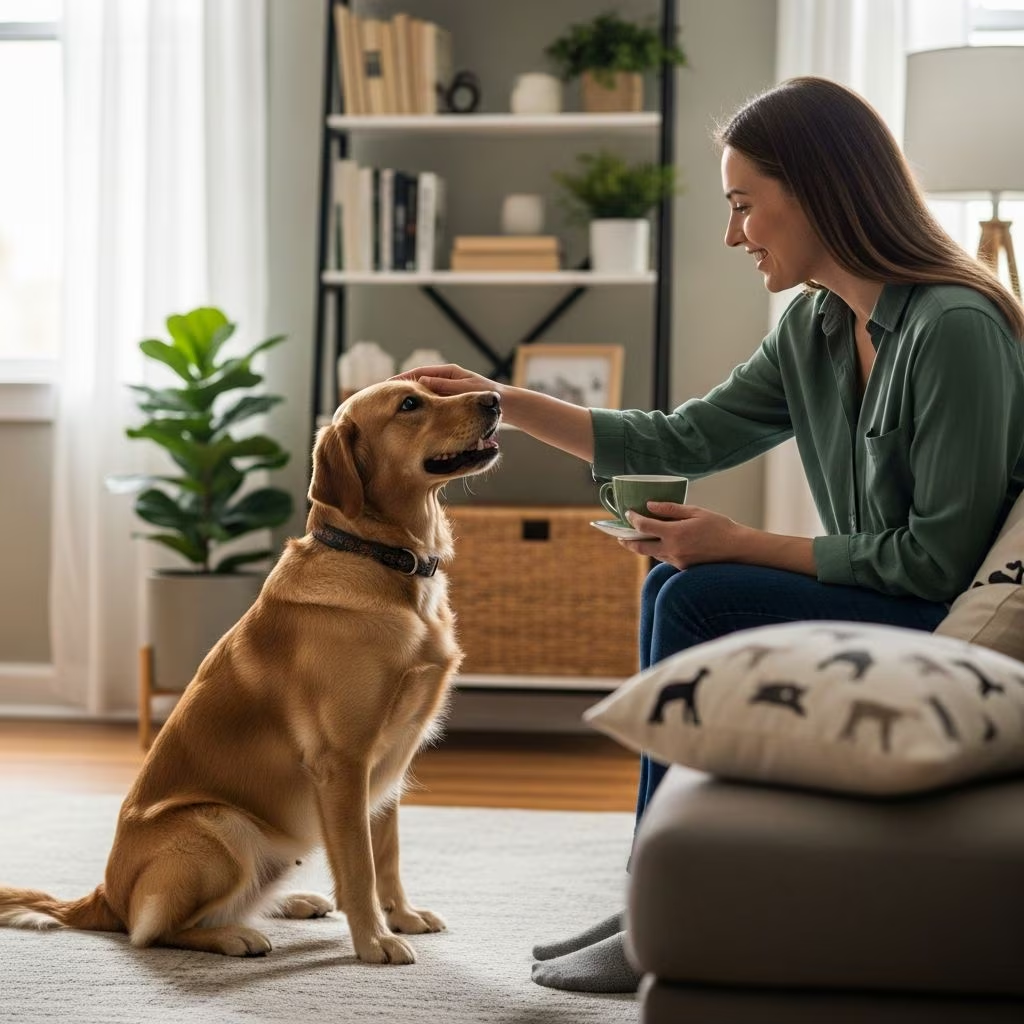
Dog Etiquette Tips for Staying at Someone’s House with Your Pet
Bringing your dog to someone else’s home can be an exciting experience for both you and your furry companion. However, it also comes with significant responsibility. Being a considerate dog owner means ensuring your pet is well-behaved, properly trained, and respectful of your host’s space and comfort. Whether you’re visiting family for the holidays, spending a weekend with friends, or taking your dog on an extended stay, understanding proper dog etiquette is essential for maintaining positive relationships and creating a pleasant environment for everyone involved.
Preparing Your Dog Before the Visit
Start with Proper Training
The foundation of good dog etiquette begins long before you arrive at your host’s door. Your dog should have completed at least a basic force-free good manners class or equivalent training program. This training should include fundamental obedience commands such as “sit,” “stay,” “down,” and “leave it.” These commands are invaluable tools for managing your dog’s behavior in unfamiliar environments and preventing unwanted situations.
Polite greeting behavior is absolutely essential. Your dog should understand how to meet people calmly without jumping, nipping, or displaying excessive excitement. More advanced training, such as teaching your dog a “go to your place” command, can be incredibly valuable for helping guests feel comfortable and creating designated spaces where your dog can relax during social interactions.
Essential Commands for House Visiting
When visiting someone’s home, three simple commands can make a tremendous difference in your dog’s behavior:
- “Down” — This command prevents your pet from greeting your hosts with excessive enthusiasm and helps manage jumping behavior when people arrive or move around the house.
- “Stay” — This crucial command can prevent your dog from bolting out doors and getting lost in an unfamiliar neighborhood.
- “Leave It” — This command can save your pup from eating something harmful or toxic that might be present in your host’s home, preventing potential gastrointestinal upset or emergency veterinary visits.
Ensure Your Dog Is Physically Clean and Groomed
A dirty, smelly dog who sheds extensively is not a great canine ambassador and can negatively impact your host’s home. Make sure your dog is well-groomed prior to your visit, with clean fur and trimmed nails. Be prepared to wipe your dog’s paws clean before entering the home, and keep cleaning supplies readily available throughout your stay.
If your dog is a year-round heavy shedder or it happens to be shedding season, warn your host in advance and offer to handle all fur cleanup duties before you leave. This proactive approach demonstrates consideration and may make your host more comfortable with your dog’s presence during future visits.
Pre-Visit Communication and Planning
Ask Important Questions Before You Arrive
Responsible dog ownership requires thorough communication before your visit. Schedule a conversation with your host to discuss several critical topics:
- House Rules for Pets — Will your dog be allowed on furniture? Can they be left unattended in certain areas? Are there specific rooms or spaces your dog should avoid?
- Other Animals — Do your hosts have pets? Will other animals be visiting during your stay? Are all animals up to date on vaccinations and spayed/neutered?
- Sleeping Arrangements — Where will you and your dog be sleeping? Some hosts may not want pet hair or dander in guest bedrooms or on their linens.
- Yard Access — Is there a fenced-in yard where your dog can exercise safely?
- Other Guests — Will there be small children, elderly individuals, people with allergies, balance issues, or anyone uncomfortable around dogs?
- Wildlife Concerns — Are there wild animals or concerning neighborhood dogs to be aware of?
Share Information About Your Dog
Your hosts need to understand your dog’s specific needs and behavioral tendencies. Provide them with detailed information about:
- Your Pet’s Rules — Clarify whether table scraps are allowed, if jumping on people is acceptable, and any other behavioral expectations you maintain.
- Likes and Dislikes — Inform your host about things your dog enjoys or fears, such as reactions to hats, balloons, loud voices, or specific types of people.
- Behavioral Concerns — Mention if your dog plays rough, takes treats gently, is shy, or has any other behavioral quirks your host should know about.
- Medical Issues — Disclose any allergies, injuries, medications, or health conditions. Provide information about the nearest veterinary clinic in case of emergencies.
Arrival and Initial Settling In
Exercise Your Dog Before Entering the House
One of the most effective strategies for ensuring good behavior during your stay is to exercise your dog thoroughly before arrival. A tired dog is generally a happier, calmer dog. If you’re visiting during the day, take your dog for a good walk or play session in the front yard or on the sidewalk. This serves two purposes: it allows your dog to burn excess energy and gives them an opportunity to relieve themselves before entering the home.
If your dog doesn’t eliminate during the initial walk, keep her on a leash inside your host’s home and take her outside several times throughout the day. Don’t allow your dog to be loose or unattended in the home until you’re completely certain she won’t have an accident. This precaution prevents embarrassing and damaging incidents that could strain your relationship with your host.
Start the Introduction on Leash
When you first arrive at the house with your dog, keep them on a leash while they explore the different rooms. This controlled introduction allows you to observe and identify potential issues with certain decorations, furniture arrangements, or hazardous spots in the home. A leash also gives you immediate control if your dog becomes overly excited or anxious.
Be Present During All Social Introductions
Always be present when your dog meets people in your host’s home. Explain how you want people to interact with your dog and ensure your furry friend doesn’t become overwhelmed or stressed during these interactions. Pay close attention to your dog’s body language and be prepared to immediately remove them from any situation that appears stressful or uncomfortable. As your dog’s advocate, you should be comfortable and confident saying “no” to interactions that aren’t appropriate or safe.
Managing Your Dog’s Behavior During Your Stay
Prevent House Soiling Accidents
One of the most critical aspects of dog etiquette is ensuring your dog doesn’t have accidents inside your host’s home. Unless you want your dog urinating inside the house, make it clear that untrained pups should stay outside or remain at their own home. Dogs often feel the need to mark their territory when they sense an “invasion” by another dog or feel uncertain in a new environment, so manage this proactive by limiting access and maintaining close supervision.
Manage Food and Treat Interactions
Make it explicitly clear that your pet may only be fed appropriate food at appropriate times. If your guests want to give your dog a treat, ensure it’s a dog-approved treat rather than food from their plate. When guests constantly sneak your pet human food, it encourages begging at other times and sends mixed messages that undermine your training efforts.
Bring your own dog bowls and food rather than expecting to use your host’s porcelain dishes. This prevents cross-contamination and shows respect for your host’s household items.
Control Furniture Access
Even if your dog is allowed on furniture in your own home, when staying in someone else’s home, getting on sofas and other furniture should only happen by invitation only. Be courteous and give your guests the option of not sharing furniture with your dog if they’d prefer not to. This small gesture demonstrates respect and consideration for their comfort and preferences.
Implement Proper Management Strategies
If your dog isn’t reliably trained or you simply want to manage the situation effectively, several management options are available:
- Leashes and tethers to keep your dog close by and under control
- Baby gates to block access to certain areas or the front door
- Crates for times when you need your dog safely contained
- Closed rooms or designated spaces for your dog to rest and decompress
These management tools are perfectly acceptable and often preferable to allowing an untrained dog to roam freely throughout someone else’s home.
Managing Guest Arrivals and Interactions
Confine Your Dog When Guests Arrive
When your host has visitors, confine your dog away from the door until guests are greeted and settled. You can close your dog in another room, crate them, use baby gates to block access, or tether them near the door so they can watch but not participate without permission. This prevents unwanted jumping, excessive excitement, and overwhelming behavior.
Implement Greeting Protocols
If your dog has learned a default sit command for treats, teach your guests to participate in a “treat and greet.” Keep a waterproof container of non-perishable dog treats outside your front door. Ask guests to help themselves to several treats before entering. Coach them to hold the treat near their chest (or whatever body language signals a sit to your dog) and reward your dog with a treat only when her bottom is securely on the floor.
An alternative approach for dogs who default-sit for toys is to keep a basket of toys outside your front door. Ask guests to grab a couple of toys on their way in and wait for your dog to sit before rewarding with a toy toss. This engages your dog in appropriate play behavior rather than chaotic jumping and greeting.
Common Mistakes to Avoid
Counter Surfing and Chewing
Counter surfing and chewing on non-appropriate objects are unacceptable behaviors when visiting someone’s home. Ensure your dog is trained to avoid these behaviors and that you actively prevent access to tempting items. Put food away, keep non-chew objects out of reach, and provide appropriate chew toys to redirect your dog’s natural chewing instinct.
Making Presumptuous Requests
Avoid making assumptions about what your host will allow. For example, it’s presumptuous to assume your dog can sleep in bed with you, as your host may not want pet hair or dander on guest bedding. Always ask for permission regarding sleeping arrangements and other matters that affect your host’s comfort and home.
Failing to Address Allergies and Fears
Before your visit, ask your guests two critical questions: “Are you allergic to dogs?” and “Are you afraid of dogs?” Their answers will alert you immediately so that you may place your pet in another room while guests are visiting if necessary. Never assume all guests are comfortable with dogs.
Frequently Asked Questions
Q: What if my dog has never stayed in someone else’s home before?
A: Start with short visits and gradually increase the duration. Practice the commands and behaviors at home first, and consider professional training to prepare your dog for new environments. Keep initial visits low-stress and supervised.
Q: How can I help my anxious dog feel comfortable in a new home?
A: Bring familiar items like your dog’s bed, toys, and blankets. Maintain consistent routines for feeding and exercise. Give your dog time to adjust and create a safe space where they can retreat. Consider calming supplements or consult your veterinarian if anxiety is severe.
Q: What should I do if my dog has an accident in my host’s home?
A: Immediately clean the accident thoroughly with enzymatic cleaners to remove all scent markers. Apologize sincerely, offer to handle any additional cleaning or damage, and adjust your management strategies for the remainder of your stay.
Q: Is it okay to leave my dog unattended while visiting?
A: No, you should never leave your dog unattended in someone else’s home unless your host has explicitly agreed and your dog is confined in a secure space like a crate. Always supervise your dog during your stay.
Q: What if my host’s guests are uncomfortable with my dog?
A: Respect their comfort level. Confine your dog to another room during their visit, or consider arranging alternative care. It’s better to accommodate guests’ needs than force interaction with an uncomfortable person.
Q: Should I offer to help clean before I leave?
A: Yes, absolutely. Offering to thoroughly clean before you leave shows respect and appreciation. This is especially important if your dog sheds or if there’s been any damage during your stay.
References
- Houseguest Etiquette for Dogs — Whole Dog Journal. https://www.whole-dog-journal.com/behavior/houseguest-etiquette-for-dogs/
- The Essential Handbook on Proper Dog Etiquette for Visiting Family — Pennies, Places and Paws. https://penniesplacesandpaws.com/dog-etiquette-for-visiting-family/
- Dog Etiquette for Guests: The Do’s and Don’ts! — Holly Holden. https://hollyholden.com/2025-6-16-dog-etiquette-for-guests-the-dos-and-donts/
- How To Be A Considerate House Guest With Pets — GoPetFriendly. https://www.gopetfriendly.com/blog/considerate-guest-with-pets/
- Enforcing House Rules for Your Dog with Visitors — Bark Busters New Zealand. https://barkbusters.co.nz/dog-training-tips/enforcing-house-rules-for-your-dog-with-visitors



