

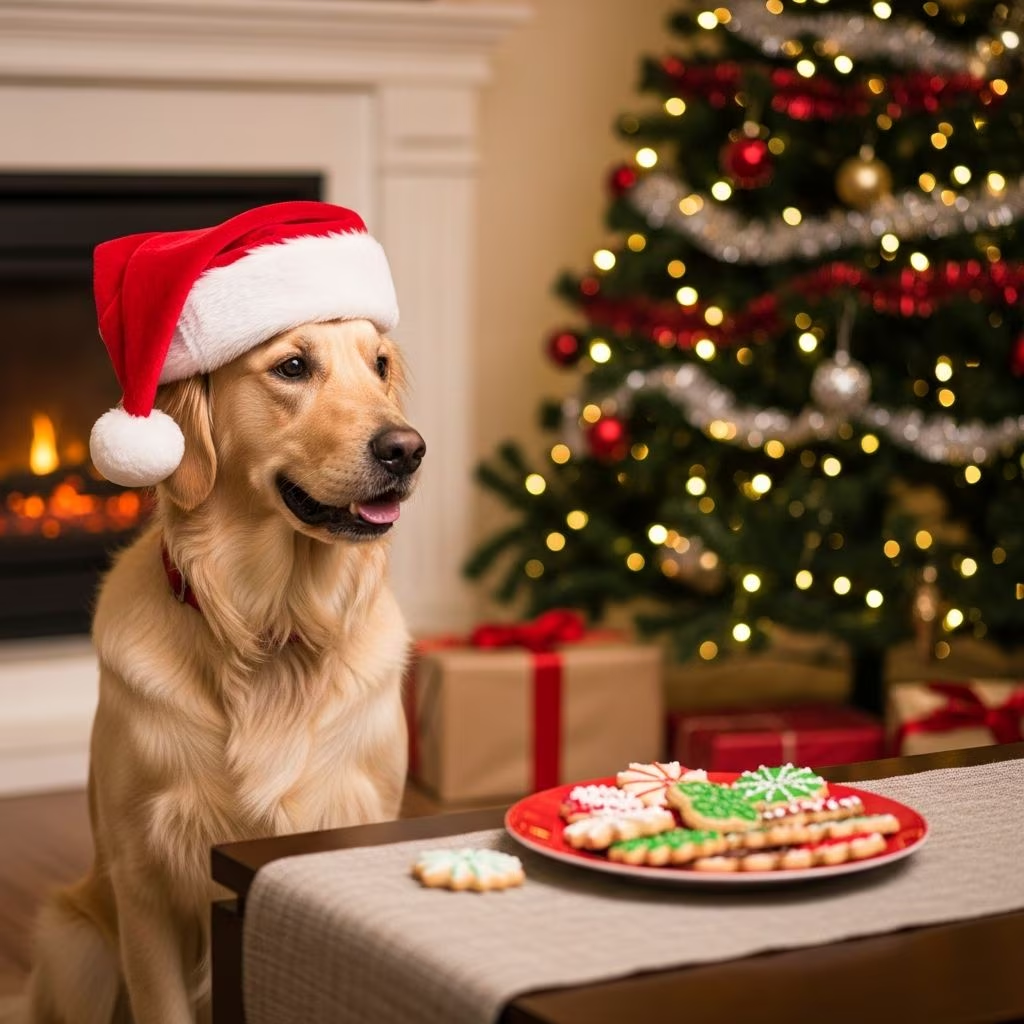
Dog Etiquette Tips for the Holiday Season
The holiday season brings joy, laughter, and quality time with loved ones—but it can also bring chaos, especially when your dog is part of the festivities. Whether you’re hosting family gatherings, traveling to visit relatives, or attending holiday events, understanding proper dog etiquette ensures that your furry friend remains a welcome guest. Good dog manners during the holidays aren’t just about impressing your guests; they’re about creating a safe, comfortable environment for everyone involved, including your four-legged companion.
During this busy season, dogs often experience increased stress from changes in routine, new people, unfamiliar environments, and exciting (but overwhelming) stimuli. By preparing your dog in advance and implementing key etiquette strategies, you can help them navigate the holiday hustle while maintaining their best behavior. This comprehensive guide will walk you through everything you need to know about dog etiquette during the holiday season.
Understanding Your Dog’s Personality and Needs
Every dog is unique, and what works for one may not work for another. Before you commit to including your dog in holiday celebrations, it’s essential to honestly assess your dog’s personality and temperament. Some dogs thrive in chaotic environments with multiple guests and activities, while others become anxious and stressed by changes to their normal routine.
Consider these personality factors when planning your holiday celebrations:
- How does your dog respond to strangers and new people?
- Can your dog handle loud noises and increased activity?
- Does your dog become excited or aggressive around children?
- How well does your dog adapt to changes in their daily routine?
- Does your dog have resource guarding issues with food or toys?
If you anticipate that your dog’s personality won’t mesh well with your holiday plans, don’t force the situation. A stressed dog is more likely to exhibit problem behaviors, and it won’t be enjoyable for your dog to endure stressful situations. Instead, consider alternative arrangements, such as boarding or hiring a pet sitter to provide care in your home.
Pre-Holiday Preparation and Training
Brush Up on Obedience Skills
The holiday season isn’t the ideal time to teach your dog brand new behaviors—you’ll likely be too busy to maintain consistency. However, it’s the perfect time to refresh and reinforce the basic commands your dog already knows. These foundational skills become invaluable during holiday gatherings.
Focus on refreshing these core behaviors:
- Sit: A fundamental command that can prevent jumping and other unwanted behaviors
- Down: Useful for keeping your dog calm and settled during gatherings
- Stay: Essential for keeping your dog in one location while you attend to guests
- Leave it: Critical for preventing your dog from consuming dangerous foods or decorations
- Go to your place: Helps your dog retreat to a designated safe space when needed
Practice these commands regularly in the weeks leading up to the holidays. Short, positive training sessions will reinforce these behaviors and help your dog respond reliably even in exciting situations.
Grooming and Preparation
Proper grooming before holiday gatherings shows respect for your guests and sets a positive tone for the event. Bathe or groom your dog one to two days before guests arrive so they look and smell their best. Well-groomed dogs also shed less fur, which reduces the amount of dog hair on your guests’ clothing and furniture.
Consider these grooming tasks:
- Professional grooming or a thorough bath at home
- Nail trimming to prevent scratching guests
- Ear cleaning to reduce odor
- Brushing to remove excess fur and mats
Managing Jumping and Greeting Behavior
Jumping up on guests is one of the most common behavioral issues during holiday gatherings. While a puppy jumping on you might seem cute, guests often find this behavior annoying and potentially frightening, especially children and elderly visitors. Breaking this habit requires consistency and patience.
Techniques to Discourage Jumping
When guests arrive or when your dog attempts to jump up on you or visitors:
- Hold your hands above their head: Physically position your hands above their head height to create a barrier. Dogs naturally won’t jump higher than their target.
- Turn your body away: When your dog jumps, immediately rotate your body so they face your side or back. This removes the reward of getting your attention and forces them to drop back to the ground.
- Ask for an alternative behavior: Request that your dog sit before allowing guests to greet them. Reward the sitting behavior with treats and praise.
- Use positive reinforcement: Enthusiastically reward your dog when they demonstrate good greeting manners by keeping all four feet on the ground.
Instructing Your Guests
Before guests arrive, brief them on how to properly greet your dog. Ask them not to pet, talk to, or make direct eye contact with your dog if your dog is jumping or overly excited. Once your dog has calmed down and is sitting peacefully, guests can then offer attention and affection.
Managing Food and Begging Behavior
The holiday table is filled with delicious aromas and tempting foods—many of which are potentially dangerous for dogs. Managing your dog’s relationship with food during meals is crucial for their safety and good manners.
Keep Your Dog Away From the Table
Both dogs and cats often lack proper etiquette around dining tables laden with roasted meats and delicious sides. If your dog hasn’t been trained not to beg from the dinner table, the holiday season isn’t the time to start. Instead, physically separate your dog from the dining area during meals.
Consider these management strategies:
- Use a crate: Provide a comfortable crate in another room with engaging chew toys and food-dispensing toys to keep your dog occupied during meals.
- Create a designated space: Set up a comfortable area away from the dining room with their bed, toys, and water.
- Use a baby gate: Block access to the dining area with a gate so your dog can still see family members but can’t access the table.
- Provide a special meal: Give your dog their own meal in a different location at the same time your family eats, so they’re occupied and feel included in the celebration.
Never Feed From Your Plate
Establish and enforce a clear house rule: never feed your dog from your plate or while you’re eating. This practice encourages begging behavior and reinforces the idea that human food is available at the table. Additionally, many human foods are toxic to dogs, including chocolate, grapes, onions, and fatty foods that can cause digestive upset.
Teaching the “Out” Command
Train your dog to respond to an “out” command, which instructs them to leave your personal space and stop staring, whining, or barking for attention. This command should work reliably from the kitchen, dining area, or anywhere in your home. If your dog can’t consistently respond to this command, they should be on a leash or in a crate during mealtimes.
Exercise and Mental Stimulation
One of the most effective strategies for managing holiday behavior is ensuring your dog receives adequate exercise before guests arrive or before meals. A tired dog is significantly more likely to nap peacefully than to bother guests or engage in problematic behaviors.
Implement a Double Exercise Routine
On days when you’re hosting or expecting guests, plan for extended exercise sessions. A long walk or active play session before guests arrive will help burn off excess energy. If you can’t provide vigorous physical exercise, mental stimulation through puzzle toys, training sessions, or enrichment games can be equally tiring for your dog’s brain.
Schedule Midday Movement
If your holiday activities span several hours, schedule a potty break and brief exercise session in the middle of the day. This prevents your dog from becoming overstimulated and helps reset their energy levels.
Creating a Safe Space and Managing Stress
Designate a Quiet Room
Even if your dog generally enjoys social interaction, providing occasional breaks from the excitement is important for their wellbeing. Set up a comfortable, quiet space where your dog can retreat when they need a break. This safe zone should include:
- Their regular bed or crate
- Fresh water
- Favorite toys and chew items
- Calming aids like pheromone diffusers if helpful
Use door signs like “Do Not Disturb” to prevent guests from inadvertently waking or stressing your resting dog.
Maintain Routine When Possible
Predictability helps dogs feel secure. Try to maintain your dog’s normal schedule for mealtimes, potty breaks, and exercise as much as possible during the holidays. Assign specific family members responsibility for these tasks so nothing is overlooked during the busy celebration.
Holiday-Specific Hazards and Safety
Toxic Foods and Decorations
Holiday treats and decorations can pose serious health risks to dogs. Keep the following foods out of reach:
- Chocolate: Toxic to dogs and can cause serious illness
- Grapes and raisins: Can cause kidney damage
- Onions and garlic: Cause damage to red blood cells
- Fatty foods: Can trigger pancreatitis
- Alcohol: Extremely dangerous for dogs
- Xylitol: An artificial sweetener in some treats and baked goods that can cause hypoglycemia
Additionally, ensure decorations like ornaments, tinsel, and strings are secured so your dog can’t chew, swallow, or become tangled in them.
Holiday Plant Safety
Traditional holiday plants like poinsettias, holly, and mistletoe can be toxic to dogs. Research which plants are safe and keep potentially harmful ones out of your dog’s reach or avoid them altogether.
Managing Vocal and Attention-Seeking Behaviors
Addressing Excessive Barking
Holiday excitement often triggers excessive barking, which can be a nuisance to family members and neighbors. Dogs might bark at new people, unfamiliar sounds, or in an attempt to get attention during the busy festivities.
Manage barking with these strategies:
- Provide distraction toys: Freeze a Kong toy with peanut butter or yogurt to create a long-lasting distraction
- Use enrichment puzzles: Food-dispensing puzzle toys keep your dog mentally engaged and less likely to bark out of boredom
- Ensure adequate exercise: A tired dog is less likely to bark excessively
- Create a quiet space: Provide a designated area away from the commotion where your dog can rest
- Practice “quiet” command: Train your dog to respond to a “quiet” cue paired with treats and praise
Traveling With Your Dog During the Holidays
If you’re traveling to someone else’s home for the holidays, additional etiquette considerations apply. Keep your dog on a leash when entering your host’s house until they become comfortable with their surroundings. Ask your dog to sit calmly next to you when you arrive, and request that people wait to greet your dog until they’ve settled.
Before allowing your dog off-leash in your host’s backyard, take them on leash to sniff around and acclimate to the new environment. This is particularly important for male dogs around outdoor furniture.
Purchasing Supplies and Gifts
Stock up on supplies in advance to support good behavior during the holidays:
- High-value treats: Use these for rewarding good behavior during festivities
- New toys: Give your dog something special to create positive associations with holiday excitement
- Chew items: Bully sticks and long-lasting chews keep dogs occupied
- Food-dispensing toys: Kong toys, puzzle feeders, and treat-dispensing toys provide mental stimulation
- Gates and pens: Set these up in advance so your dog can acclimate to temporary barriers
Frequently Asked Questions (FAQs)
Q: How can I prepare my dog for holiday guests if they’re anxious around strangers?
A: Start by maintaining a consistent routine and gradually exposing your dog to new people in controlled settings. Consider setting up a quiet room where your dog can retreat, and brief guests on how to interact calmly with your anxious dog. Avoid forcing interaction and reward calm behavior with treats and praise.
Q: What should I do if my dog becomes too overwhelmed during holiday gatherings?
A: Move your dog to a quiet space with their bed, toys, water, and calming aids. Give them time to decompress without interruption. Consider limiting their exposure to gatherings or arranging for alternative care if the stress becomes too great.
Q: Is it safe to let my dog eat holiday treats?
A: Many holiday foods are toxic to dogs. Stick to dog-safe treats and avoid sharing human food from the table. If you want to give your dog a special holiday treat, choose dog-approved options like plain cooked turkey, pumpkin, or dog-specific holiday treats.
Q: How can I stop my dog from jumping on guests?
A: Use a combination of physical barriers (holding hands above their head), body turning, and requesting alternative behaviors like sitting. Reward calm greetings with treats and praise. Brief guests on not reinforcing jumping by petting or talking to your dog while they jump.
Q: What’s the best way to handle children around my dog during holidays?
A: Always supervise interactions between children and dogs. Teach children how to behave appropriately around your dog—not pulling tails, respecting boundaries, and using gentle movements. Establish clear rules about when and how children can interact with your dog.
Q: Should I board my dog if I don’t think they’ll handle the holidays well?
A: Yes, if your dog is likely to become severely stressed or anxious, boarding or hiring a pet sitter to provide care at your home may be the best option. Don’t force your dog into uncomfortable situations—their wellbeing should be your priority.
References
- Prepare Your Dog for the Holidays — American Kennel Club. 2024. https://www.akc.org/expert-advice/training/prepare-your-dog-for-the-holidays/
- Dog Holiday Prep Guide — The Naked Dog Training. 2023. https://www.thenakeddogtraining.com/traininghowtos/2023/11/17/dog-holiday-prep-guide
- 5 Holiday Pet Etiquette Tips — Found Animals. 2024. https://www.foundanimals.org/holiday-party-pet-etiquette-for-dogs-and-cats/
- What to Do with Your Dog When You Travel for the Holidays — Spot On Fence. 2024. https://spotonfence.com/blogs/training-tips/what-to-do-with-dogs-when-you-travel-for-holidays
- Holiday Safety Tips for Dogs: 5 Dos and Don’ts — Four Paws. 2024. https://www.fourpaws.com/pets-101/family-matters/holiday-safety-tips-for-dogs
- Holiday Dog Tips for Stress-Free Entertaining — How to Train a Dream Dog. 2024. https://www.howtotrainadreamdog.com/holiday-dog-tips/
- A Guide to Managing Holiday Stress for Your Pets — PetPace. 2024. https://petpace.com/a-guide-to-managing-holiday-stress-for-your-pets/



