

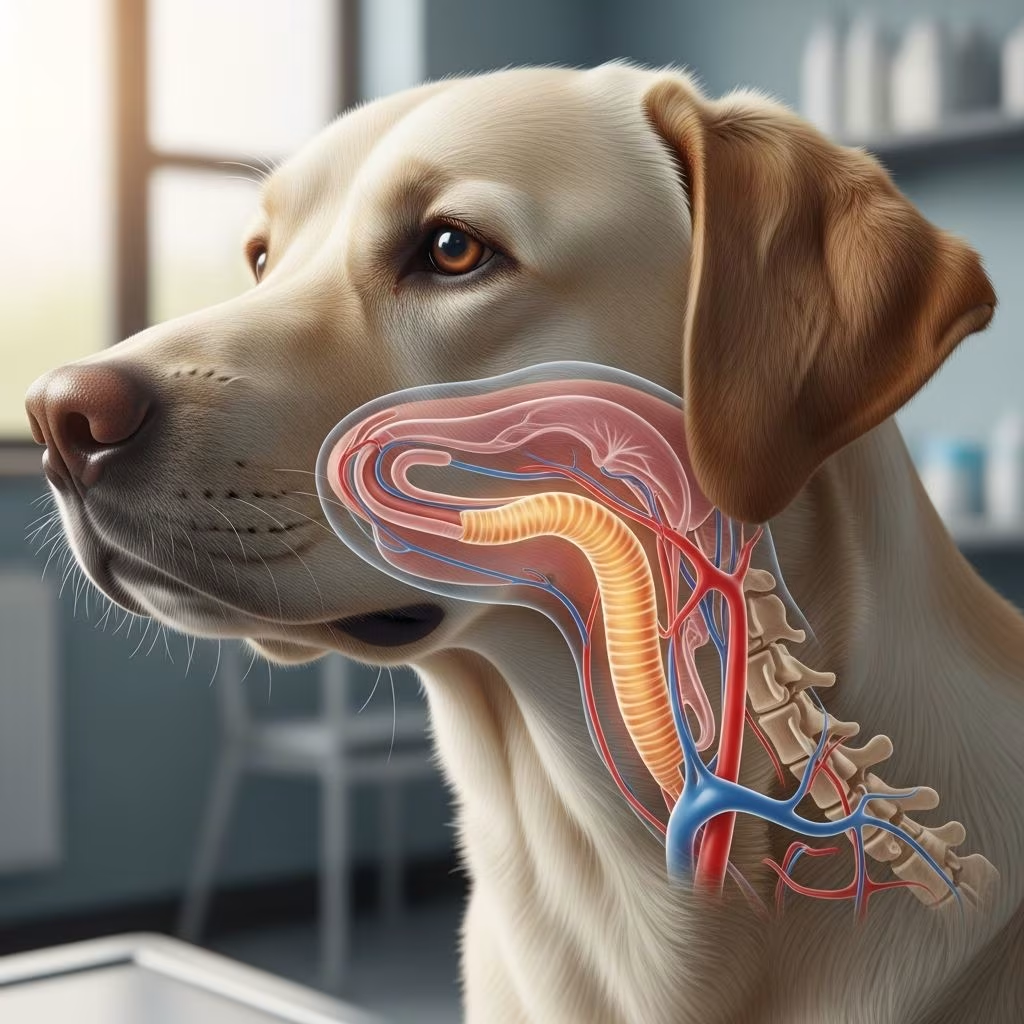
The esophagus plays a critical role in your dog’s digestive system, serving as the muscular tube that transports food and water from the mouth to the stomach. When this vital organ experiences dysfunction or disease, it can significantly impact your pet’s nutritional status and overall well-being. Recognizing the signs of esophageal problems and understanding available treatment options empowers pet owners to seek timely veterinary care and improve their dog’s quality of life.
The Role of the Esophagus in Canine Digestion
The esophagus is a muscular tube lined with specialized tissue that coordinates peristaltic movements—sequential muscle contractions that propel food downward toward the stomach. These coordinated contractions require proper nerve and muscle function to work effectively. When the esophagus becomes diseased or damaged, these movements may become impaired, leading to difficulty swallowing and other complications.
Understanding how the esophagus functions helps pet owners grasp why certain conditions develop and why specific treatments are recommended. The organ’s structure and function can be compromised by inflammation, structural changes, infections, or neurological problems, each requiring different management approaches.
Common Symptoms of Esophageal Dysfunction
Dogs experiencing esophageal problems typically display recognizable signs that should prompt veterinary evaluation. These symptoms vary depending on the underlying condition but often include:
- Regurgitation, where food or liquid comes back up without active vomiting
- Difficulty swallowing or reluctance to eat
- Excessive drooling or salivation
- Coughing or gagging, particularly after eating
- Persistent bad breath or foul odor from the mouth
- Stretching of the neck or unusual posturing during swallowing
- Weight loss despite adequate food consumption
- Lethargy and reduced energy levels
- Fever when infection is present
- Repeated air licking or throat clearing behaviors
It’s important to distinguish between regurgitation and vomiting, as they indicate different problems. Regurgitation occurs passively when food hasn’t reached the stomach, while vomiting involves active muscular contractions and usually includes gastric contents. This distinction helps veterinarians identify the specific location and nature of the problem.
Distinguishing Between Key Esophageal Conditions
Several distinct esophageal disorders affect dogs, each with unique characteristics and treatment requirements. Understanding these differences helps pet owners recognize which condition their dog might be experiencing.
Inflammation of the Esophageal Lining (Esophagitis)
Esophagitis occurs when the inner lining of the esophagus becomes irritated or inflamed. This condition can develop from various causes, including exposure to irritating substances, chronic acid reflux, ingested foreign objects, or complications from other medical conditions.
Dogs with acute esophagitis may exhibit sudden onset of symptoms, including difficulty eating, frequent swallowing attempts, and visible discomfort. The condition can range from mild to severe, with prognosis varying accordingly. Mild to moderate cases typically respond well to appropriate treatment within a reasonable timeframe.
Treatment approaches depend on severity and underlying causes. For acute cases, veterinarians may recommend histamine antagonists like famotidine (Pepcid), which work quickly to reduce gastric acid production. For chronic cases involving ongoing acid reflux, proton pump inhibitors provide more sustained protection by more effectively suppressing acid secretion.
Additional therapeutic options include mucosal protectants such as sucralfate, which coats and shields the esophageal lining. However, this medication has a chalky taste and requires separate administration from other medications due to its strong coating properties.
Enlargement of the Esophagus (Megaesophagus)
Megaesophagus represents a condition where the esophagus becomes abnormally enlarged and loses its ability to contract effectively. This may be congenital (present from birth) or acquired later in life due to neurological disease, myasthenia gravis, or other underlying conditions.
Dogs with megaesophagus face significant challenges with food passage and breathing. The most serious complication involves aspiration—when food or liquid accidentally enters the airways instead of the stomach, potentially causing life-threatening pneumonia.
Management focuses on supportive care rather than cure, as the underlying cause often cannot be reversed. Feeding techniques become critically important; veterinarians typically recommend upright positioning during meals to use gravity as an aid to food movement. Small, frequent meals and appropriate food consistency help minimize regurgitation.
In severe cases where dogs cannot eat orally, feeding tubes may be necessary to ensure adequate nutrition and hydration. Anti-nausea medications and antacids can improve comfort while protecting the esophageal lining from repeated exposure to gastric contents.
Scar Tissue Formation (Esophageal Strictures)
Esophageal strictures develop when scar tissue forms within the esophageal wall, typically following chronic inflammation, injury, surgical complications, or cancer. As scar tissue contracts, it progressively narrows the esophageal passage, making swallowing increasingly difficult.
Without treatment, strictures tend to worsen over time, potentially causing severe malnutrition and life-threatening complications. Symptoms include progressive difficulty swallowing, regurgitation, weight loss, and coughing.
Treatment often involves endoscopic dilation, where a balloon or dilating device gently expands the narrowed area. This procedure may need repetition as strictures can recur. Surgical intervention may become necessary in cases where strictures are severe or recurrent. Medications can manage inflammation and pain, with options including non-steroidal anti-inflammatory drugs such as Carprofen or Metacam.
During stricture treatment and healing, dietary modifications become essential. Soft or liquid diets reduce irritation and allow easier passage of food through the narrowed area.
Outpouching of the Esophageal Wall (Esophageal Diverticula)
Esophageal diverticula occur when a portion of the esophageal wall weakens and bulges outward, forming a sac-like pouch. Food and debris can accumulate in this pouch, leading to inflammation and secondary complications.
Symptoms typically include regurgitation, coughing, foul breath, weight loss, and susceptibility to aspiration pneumonia. The pouch creates an ideal environment for food stagnation and bacterial growth, increasing infection risk.
Surgical removal or repair of the affected esophageal segment represents the primary treatment approach. This intervention removes the problematic pouch and restores normal esophageal function.
Diagnostic Approaches for Esophageal Problems
Veterinary diagnosis of esophageal disorders involves multiple complementary techniques that work together to identify the specific problem:
| Diagnostic Method | Purpose and Information Provided |
|---|---|
| Physical Examination | Assessment of overall health, palpation of the neck and chest, observation of eating and swallowing patterns |
| Blood Tests | Evaluation of organ function and identification of underlying systemic conditions |
| X-rays | Visualization of esophageal structure, detection of foreign objects, and identification of megaesophagus |
| Fluoroscopy | Real-time assessment of esophageal muscle function during swallowing |
| Endoscopy | Direct visualization of the esophageal lining, removal of foreign objects, and tissue sampling |
| Biopsy | Microscopic examination of tissue to diagnose cancer, inflammation, or infection |
A comprehensive diagnostic approach typically begins with history and physical examination, followed by imaging studies. Endoscopy provides direct visualization and allows therapeutic intervention simultaneously, making it particularly valuable for foreign object removal or stricture dilation.
Comprehensive Treatment Strategies
Treatment selection depends on the specific diagnosis, underlying cause, and severity of the condition. A multimodal approach often yields the best results.
Pharmaceutical Management
Medications address various aspects of esophageal disease:
- Antacids and acid-reducing medications protect the esophageal lining from gastric acid damage
- Anti-inflammatory drugs reduce tissue inflammation and associated pain
- Antibiotics treat or prevent secondary bacterial infections
- Prokinetic agents enhance esophageal muscle contractions and food movement
- Anti-nausea medications improve comfort and reduce gagging
Dietary Modifications
Feeding strategy is fundamental to managing esophageal conditions. Small, frequent meals reduce the volume of material the esophagus must handle at once. Softened or liquid food consistency eliminates the need for extensive chewing and reduces irritation.
Elevated feeding positions, achieved by placing the food bowl on a raised platform or using specialized feeding stations, help utilize gravity to assist food passage. Maintaining proper hydration remains critical while monitoring for signs of aspiration.
Minimally Invasive Procedures
Endoscopy allows veterinarians to visualize the esophagus directly and perform therapeutic procedures. Foreign object removal via endoscopy prevents prolonged irritation and inflammation. Balloon dilation of strictures gradually expands the narrowed passage without surgical incision.
Surgical Intervention
Surgery becomes necessary when strictures are severe or recurrent, when diverticula require removal, or when congenital anatomical problems need correction. Procedures may involve chest or neck incisions depending on the location and nature of the problem.
Nutritional Support
For dogs unable to eat orally due to severe esophageal disease, feeding tubes provide essential nutritional support. Tubes can be placed through the nose (nasogastric) or directly through the skin into the stomach (gastrostomy), bypassing the problematic esophagus entirely.
Managing Complications and Emergencies
Esophageal disorders can lead to serious complications requiring immediate attention. Aspiration pneumonia represents one of the most dangerous complications, occurring when food or liquid enters the respiratory tract. Signs include coughing, fever, rapid breathing, reduced energy levels, and pale or bluish gums indicating inadequate oxygenation.
Dogs exhibiting breathing difficulties, persistent coughing, fever, extreme lethargy, or inability to eat or drink require emergency veterinary care. Aspiration pneumonia may necessitate hospitalization, antibiotics, fluid therapy, and oxygen support.
Pet owners should monitor their dogs closely after eating, watching for changes in breathing patterns, and maintaining vertical positioning to minimize aspiration risk. Small sips of water in an upright position help maintain hydration while reducing aspiration danger.
Prognosis and Long-Term Management
Prognosis varies significantly depending on the specific condition, underlying cause, and timing of treatment. Mild to moderate esophagitis cases typically respond well to appropriate medical management. Megaesophagus requires lifelong management but can be controlled with proper feeding techniques and supportive care. Strictures may recur despite treatment, necessitating ongoing monitoring and potential repeat procedures.
Regular veterinary follow-up appointments help assess treatment effectiveness and adjust management strategies as needed. Early recognition of symptoms and prompt treatment significantly improve outcomes and quality of life.
Prevention and Owner Responsibilities
While some esophageal conditions cannot be prevented, certain measures reduce risk. Preventing foreign object ingestion through careful supervision and appropriate toy selection protects against traumatic esophageal injury. Prompt treatment of acid reflux or other gastrointestinal conditions prevents secondary esophageal complications.
Pet owners should remain vigilant for symptoms and maintain regular veterinary care. Understanding their dog’s normal eating and swallowing patterns helps identify changes warranting professional evaluation.
References
- Most Common Dog Esophagus Problems and Treatment Options — Safari Veterinary Care Centers. Accessed February 2026. https://www.safarivet.com/blog/what-are-the-most-common-dog-esophagus-problems-and-treatment-options-in-houston-tx/
- Esophageal Strictures in Dogs: Causes, Symptoms, and Treatment — PetCareRx. Accessed February 2026. https://www.petcarerx.com/article/esophageal-strictures-in-dogs-causes-symptoms-and-treatment/6831
- Esophagitis in Dogs: Signs, Symptoms, and Treatment — American Kennel Club (AKC). Accessed February 2026. https://www.akc.org/expert-advice/health/esophagitis-in-dogs/
- Megaesophagus in Dogs — ASPCA Pet Health Insurance. Accessed February 2026. https://www.aspcapetinsurance.com/resources/megaesophagus-in-dogs/
- Megaesophagus in Dogs: Urgent Signs, Emergency Care, and Management — Garden State Veterinary Specialists. Accessed February 2026. https://gsvs.org/blog/megaesophagus-dogs-urgent-care/
- Dog Has Something Stuck in Throat: Signs and Remedies — PetMD. Accessed February 2026. https://www.petmd.com/dog/conditions/digestive/dog-has-something-stuck-in-throat



