

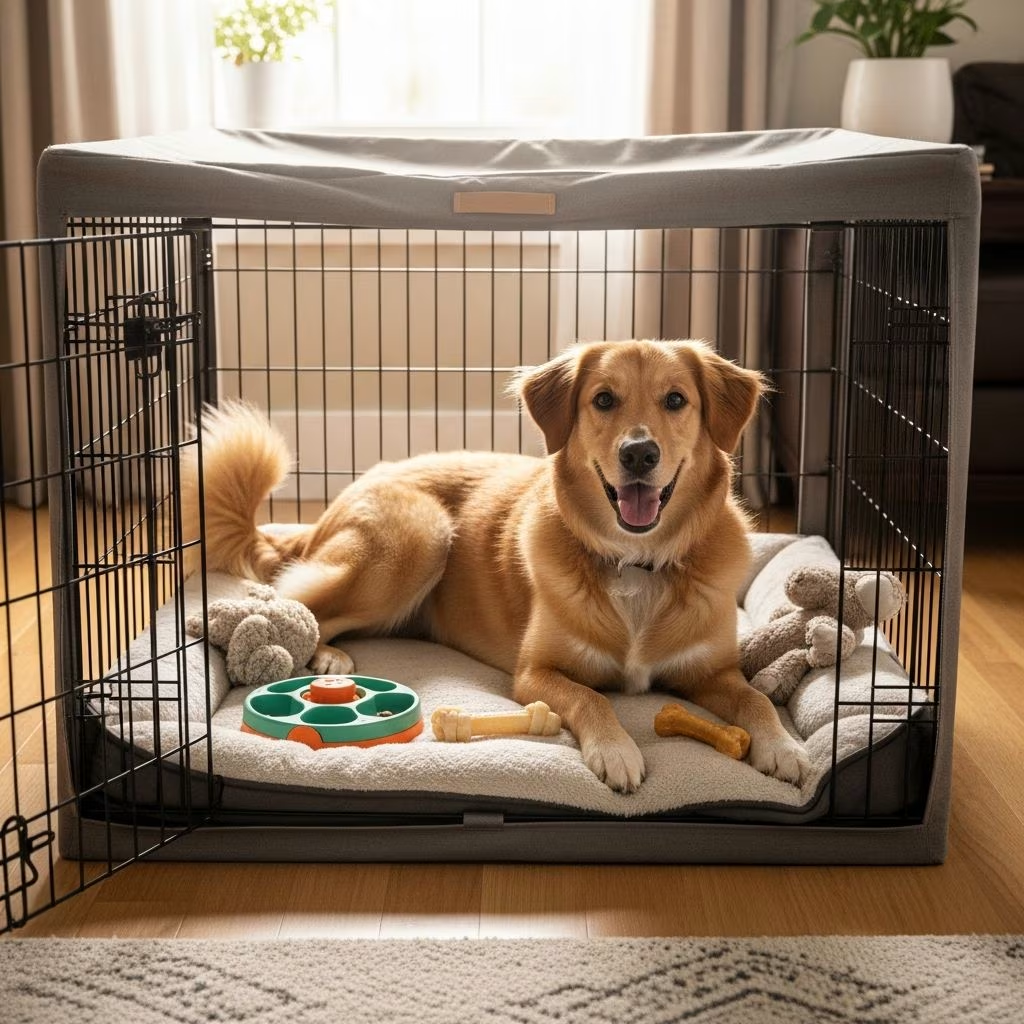
Crate time doesn’t have to be boring or stressful for your dog. Whether your pet needs to spend time confined due to training, recovery, or daily routines, providing adequate mental and physical stimulation can transform the experience into something positive and enriching. Dogs naturally seek mental challenges and engagement, so understanding how to deliver this within a confined space is essential for their wellbeing and your peace of mind.
Understanding Why Mental Stimulation Matters in Confined Spaces
When dogs are crated, they can experience anxiety, boredom, or destructive behaviors if left without appropriate engagement. Mental enrichment serves multiple purposes: it redirects energy toward productive activities, strengthens problem-solving skills, and creates positive associations with the crate itself. By providing cognitive challenges, you’re essentially giving your dog a productive outlet that mirrors the mental work they would naturally seek in their environment.
The concept of behavioral enrichment goes beyond simple distraction—it taps into your dog’s natural instincts and learning capabilities. Dogs are intelligent creatures that benefit from activities requiring them to think, explore, and accomplish tasks. When confined to a crate, passive enrichment techniques combined with strategic toy selection can keep your dog content and mentally engaged.
Brain-Stimulating Puzzle Toys and Their Benefits
Puzzle toys represent one of the most effective tools for crate enrichment. These interactive devices require your dog to solve problems to access treats or food, creating a rewarding cognitive experience. Unlike passive toys, puzzle toys engage your dog’s mind and provide a sense of accomplishment when they successfully figure out the mechanism.
When selecting puzzle toys, consider your dog’s size, age, and skill level. Beginners may benefit from simpler designs with fewer moving parts, while experienced puzzle solvers can progress to more complex options. Rotating different puzzle toys throughout the week maintains novelty and prevents habituation, ensuring your dog remains interested and challenged.
- Difficulty levels: Start with easy puzzles and gradually increase complexity as your dog learns
- Durability: Choose sturdy toys that withstand enthusiastic paws and teeth
- Size appropriateness: Ensure toys are large enough to prevent choking hazards
- Cleaning considerations: Select toys that are easy to clean and maintain
DIY Busy Boxes: Cost-Effective Entertainment Solutions
One of the most creative and economical enrichment options involves creating DIY busy boxes using materials you likely already have at home. These cardboard constructions transform ordinary household items into engaging puzzle experiences for your dog. The beauty of busy boxes lies in their variability—you can constantly change their contents to maintain your dog’s interest.
To construct a basic busy box, start with sturdy cardboard boxes of varying sizes. Layer the interior with crumpled paper, paper towels, or other safe materials. Distribute your dog’s regular kibble or special treats throughout these layers, encouraging your dog to dig and search. For added complexity, you can nest smaller boxes within larger ones or create compartments using dividers.
Senior dogs and dogs with mobility issues particularly enjoy busy boxes because they provide both mental and gentle physical engagement without requiring excessive movement. The digging action itself delivers tactile satisfaction while the search for hidden treats maintains mental focus.
Construction Steps for Maximum Engagement
- Select a sturdy cardboard box appropriate to your dog’s size
- Shred newspaper or paper towels into manageable pieces
- Create layers by alternating shredded material with treats or kibble
- For added challenge, use smaller boxes or containers filled with treats and place them within the larger box
- Supervise your dog during initial use to ensure they don’t ingest large cardboard pieces
- Replace boxes regularly, as they become soiled or damaged
Food-Dispensing Toys: Transforming Meals Into Activities
Food-dispensing toys serve the practical purpose of feeding your dog while simultaneously providing entertainment and mental engagement. Rather than placing kibble directly in a bowl, you can stuff it into specialized toys that require your dog to work for their meal. This approach extends eating time and creates a rewarding experience beyond simple consumption.
Several types of food-dispensing options work well in crated environments. Frozen treat toys create a long-lasting distraction that can occupy your dog for extended periods, particularly beneficial during warm weather. Empty water bottles filled with kibble create noise and movement as your dog manipulates them, adding sensory engagement to the feeding process.
The advantage of using meal time for enrichment is efficiency—your dog receives necessary nutrition while simultaneously receiving mental stimulation. This dual-purpose approach maximizes the benefits of each interaction and reduces the time you need to spend actively engaging with your dog while they’re crated.
Interactive Games You Can Play While Your Dog Is Crated
Active engagement between you and your dog doesn’t end when they enter the crate. Several games and training activities can be conducted with your dog in a confined space, providing mental stimulation and strengthening your bond.
Hide and Seek Variations
Even within a limited space, hide and seek games can provide meaningful engagement. Place treats or toys in different spots around your dog’s visible environment—on top of the crate, nearby on furniture, or in other visible locations. Use a consistent verbal cue like “search” to signal your dog to locate the hidden items. This game exercises your dog’s natural foraging instincts and problem-solving abilities.
The Shell Game for Problem Solving
The shell game provides an excellent cognitive challenge that requires minimal space or setup. Using three containers or cups of similar size, show your dog a treat, place it under one container, and shuffle them. Encourage your dog to indicate which container holds the treat. Success-based rewards reinforce the learning process and keep your dog engaged. This game strengthens memory and decision-making skills while providing entertainment that can be played repeatedly with increasing difficulty.
Environmental Enrichment Within the Crate
Beyond toys and games, modifying your dog’s physical environment can provide passive enrichment that keeps their mind engaged throughout the day. Environmental enrichment involves changing elements in and around the crated space to provide sensory stimulation.
Consider positioning your dog’s crate near a window where they can observe outdoor activity, or place it in a room where family activity occurs. Visual stimulation from changing light, movement, and sounds provides constant low-level engagement. Some owners successfully use television programs designed for dogs or audio content to provide additional sensory input throughout the day.
- Position crate near windows for outdoor observation
- Add safe mirrors to reflect light and create visual interest
- Rotate artwork or decorations visible from the crate
- Play dog-friendly music or television during crating periods
- Move the crate to different rooms or positions periodically
Training Opportunities During Crate Rest
Periods when your dog is crated, particularly during recovery from surgery or injury, offer excellent opportunities for teaching new behaviors or reinforcing existing commands. Training serves as mental exercise without requiring physical exertion, making it ideal for dogs on restricted activity.
Begin with basic obedience commands adapted for confined spaces. Teaching your dog to identify specific objects strengthens cognitive connections while providing mental engagement. Start by holding an object near your dog’s nose, marking the moment they show interest, and rewarding the behavior. Gradually introduce verbal cues associated with each object, eventually teaching your dog to retrieve or identify specific items on command.
Another effective training approach involves teaching your dog to sustain specific behaviors like remaining in a “down” position or maintaining contact with your hand. These activities provide mental challenge and reinforce calm behavior while crated.
Creating a Rotation System for Maximum Engagement
One of the most effective strategies for preventing boredom involves rotating enrichment items. Rather than providing your dog with access to all available toys simultaneously, introduce different toys on different days or during different crating sessions. This rotation system maintains novelty and prevents habituation, ensuring each toy remains engaging and interesting.
Develop a simple schedule: Monday might feature puzzle toys, Tuesday could emphasize food-dispensing toys, Wednesday might focus on DIY busy boxes, and Thursday through Sunday rotate through other options or repeat favorites. This structured approach provides variety while remaining manageable for you to maintain.
Timing Enrichment Activities for Optimal Results
The timing of enrichment activities significantly impacts their effectiveness. Providing mental engagement before your dog enters the crate can help them transition to a calmer state. A brief game of hide and seek or a training session lasting 5-10 minutes can mentally tire your dog, making them more likely to relax during crate time.
Pre-crating exercise combined with appropriate enrichment inside the crate creates a balanced approach. Allow your dog 15 minutes of calm time after exercise before introducing intense enrichment toys, as a completely exhausted dog may prefer rest over engagement.
Practical Integration Into Daily Routines
Successful enrichment doesn’t require dramatically altering your daily schedule. Instead, integrate enrichment preparation into existing routines. While preparing breakfast, freeze a Kong or busy box for your dog’s midday crating session. As you prepare dinner, create a new DIY enrichment toy for the evening. Before watching television, play a quick training game or hide and seek session with your dog.
This integration approach ensures consistent enrichment without requiring significant time commitment. Small daily habits compound over time to significantly improve your dog’s crate experience.
Frequently Asked Questions
How long should enrichment activities keep my dog engaged?
Engagement duration varies based on your dog’s age, temperament, and the enrichment type. Puzzle toys might occupy your dog for 15-30 minutes, while frozen Kongs could provide 30-60 minutes of engagement. Observe your individual dog to understand their preferences and attention span.
Are there safety concerns with DIY enrichment toys?
Supervise your dog initially with DIY toys to ensure they don’t ingest large cardboard pieces or other materials. Remove enrichment items if your dog shows signs of distress or attempts destructive behavior beyond normal engagement. Always use non-toxic materials and avoid small items that could present choking hazards.
Can enrichment help with crate anxiety?
Yes, appropriate enrichment can help create positive associations with the crate. When your dog learns that entering the crate results in engaging activities, mental stimulation, or favorite treats, anxiety often decreases. Pair enrichment items with crate time consistently to strengthen this positive association.
What enrichment works best for dogs recovering from surgery?
During recovery periods with restricted activity, focus on passive enrichment and low-impact mental stimulation. Frozen treats, puzzle toys that don’t require jumping or excessive movement, and training activities suit recovery periods well. Avoid enrichment requiring vigorous physical activity.
Conclusion: Building a Sustainable Enrichment Strategy
Keeping your dog entertained during crate time requires a multifaceted approach combining toys, games, environmental modifications, and training opportunities. By understanding your individual dog’s preferences and implementing a rotating system of enrichment activities, you create an environment where crate time becomes an opportunity for positive engagement rather than a source of frustration for either you or your dog. Consistency, creativity, and observation of your dog’s responses allow you to develop a sustainable enrichment strategy that supports their mental and physical wellbeing throughout their lives.
References
- Indoor Enrichment for Dogs: Ideas to Entertain Your Dog at Home — Wear Wag Repeat. 2024. https://wearwagrepeat.com/indoor-enrichment-for-dogs/
- How To Survive Crate Rest — TopDog Health. 2024. https://topdoghealth.com/how-to-survive-crate-rest/
- Easy Crate Training — Wagmore Canine Enrichment. 2024. https://wagmoreinc.com/easy-crate-training/
- Ask Crystal: How to Make the Crate Great! — Blue Ridge Humane Society. 2024. https://www.blueridgehumane.org/ask-crystal-how-to-make-the-crate-great/
- How to entertain and please your dog when they have to accept crate rest — Fido Behaviour. 2024. https://www.fidobehaviour.com/blog/accepting-crate-rest



