

Dog Emergency: When Your Pet Needs Immediate Veterinary Care
As a responsible dog owner, recognizing a veterinary emergency is one of the most important skills you can develop. Emergencies can happen unexpectedly, and knowing how to respond quickly can mean the difference between life and death for your beloved companion. This comprehensive guide will help you identify critical warning signs, understand what actions to take, and prepare for emergency veterinary visits.
What Constitutes a Dog Emergency?
A dog emergency is any situation where your pet requires immediate veterinary attention to prevent serious injury, permanent damage, or death. Unlike routine health concerns that can wait for a regular veterinary appointment, emergencies demand swift action. Understanding what qualifies as an emergency will help you make informed decisions about your dog’s health.
Critical Signs Your Dog Needs Emergency Veterinary Care
Recognizing the warning signs of a dog emergency is essential for every pet owner. Your dog cannot tell you verbally when something is seriously wrong, so you must learn to identify physical and behavioral indicators of distress.
Breathing Difficulties
Labored breathing, wheezing, choking, or any signs of respiratory distress are immediate red flags. Difficulty breathing can indicate serious underlying conditions such as airway blockages, respiratory infections, or life-threatening allergic reactions. If your dog is struggling to breathe, gasping for air, or making unusual noises while breathing, seek emergency care immediately. Do not delay, as respiratory emergencies can deteriorate rapidly.
Severe Bleeding
Bleeding that doesn’t stop within a few minutes, particularly from large wounds, is a medical emergency. Persistent bleeding from any part of the body may indicate internal injuries or significant trauma. Apply gentle pressure to control external bleeding and transport your dog to an emergency clinic without delay. Even if the bleeding appears to have slowed, internal bleeding could still be occurring.
Loss of Consciousness or Seizures
A seizure or sudden collapse requires urgent veterinary care to identify the cause and prevent further episodes. If your dog experiences a seizure, note the duration and characteristics. If it’s your dog’s first seizure, contact your primary veterinarian or local emergency vet. Do not try to hold your dog’s tongue or place your hands near their mouth during a seizure, as they may accidentally bite you. For dogs with multiple seizures or seizures lasting longer than a few minutes, emergency care is critical regardless of prior diagnosis history.
Severe Vomiting or Diarrhea
Frequent or bloody vomiting and diarrhea can lead to dehydration and indicate serious underlying issues. Persistent vomiting or diarrhea, especially when accompanied by lethargy or abdominal pain, warrants emergency attention.[10] These symptoms can quickly lead to dangerous dehydration and electrolyte imbalances in dogs.
Abdominal Distension and Bloating
A dog that is experiencing an episode of “bloat” or gastric dilatation will develop a pronounced bulge behind the rib cage from a distended stomach full of gas. In some cases, the distended stomach will twist upon itself, causing a “volvulus,” which will obstruct the entrance and exit of the stomach. The dog will rapidly collapse due to shock, and in its early stages, the dog may show repeated, unsuccessful attempts to vomit. This is a life-threatening emergency requiring immediate veterinary attention.
Difficulty with Urination or Defecation
Difficulty urinating or defecating could indicate a blockage, which is a serious medical condition. Straining to urinate without producing urine is particularly concerning and may indicate a urinary obstruction. These conditions can be fatal if left untreated.
Signs of Shock
Signs of shock include rapid breathing that may be noisy, rapid heart rate with a weak pulse, pale or white mucous membranes (gums, lips, under eyelids), severe depression (listlessness), and cool extremities (limbs and ears). The dog may vomit. Shock requires immediate emergency treatment. After your dog is involved in an emergency or accident, it is important to take them for a veterinary examination as soon as possible, even if they appear to have fully recovered.
Trauma and Accidents
Trauma from an accident or fall requires immediate veterinary evaluation. Car accidents, severe falls, or other traumatic injuries demand swift emergency care. Even if your dog appears to be recovering, internal injuries may take hours or days to manifest, so professional evaluation is crucial.
Ingestion of Toxic Substances
Ingestion of toxic substances such as chocolate, medications, household cleaners, or other poisonous materials requires immediate emergency care. Household items can cause poisoning, requiring rapid medical intervention. The sooner your dog receives treatment, the better the chances of a positive outcome.
Extreme Pain
Sudden, extreme pain indicated by whining, shaking, or refusal to move constitutes an emergency. Severe abdominal swelling accompanied by pain is a red flag for dangerous internal conditions. Any indication that your dog is in severe distress should prompt an immediate emergency visit.
Allergic Reactions
Severe allergic responses to foods, insect bites, or medications may cause swelling, vomiting, and in extreme cases, difficulty breathing. Anaphylaxis or anaphylactic shock is a life-threatening emergency requiring immediate veterinary intervention.
Steps to Take During a Dog Emergency
If you believe your dog is experiencing an emergency, follow these critical steps to ensure the best outcome.
Assess the Situation
Take a moment to evaluate your dog’s condition. Look for visible injuries, check their breathing, and note any symptoms. This information will be crucial when speaking to a vet. Try to remain calm, as dogs can sense your anxiety and may become more stressed.
Contact Your Emergency Vet Immediately
Call your emergency hospital for dogs before arriving to inform them of the situation. Provide clear details about your dog’s condition, symptoms, and any known causes of the emergency. This allows the veterinary team to prepare for your arrival. If you’re ever unsure whether your dog’s symptoms constitute an emergency, it’s better to err on the side of caution and contact your emergency vet services for guidance.
Provide First Aid if Trained
If you have basic pet first aid knowledge, you may provide initial care while transporting your dog. For bleeding wounds, apply gentle pressure to control the bleeding and clean the wound with fresh water. Keep your dog warm (except in the case of heatstroke), as quiet as possible, and keep movement to a minimum, especially if there are signs of nervous system involvement.
Transport Safely to the Emergency Clinic
Transport your dog carefully to minimize stress and prevent further injury. Keep your dog calm and still, especially if spinal injury is suspected. Drive safely but efficiently to the nearest emergency veterinary facility.
What to Expect at an Emergency Veterinary Clinic
Understanding the emergency care process will help you prepare for your visit and know what to expect when you arrive at the clinic.
Initial Assessment
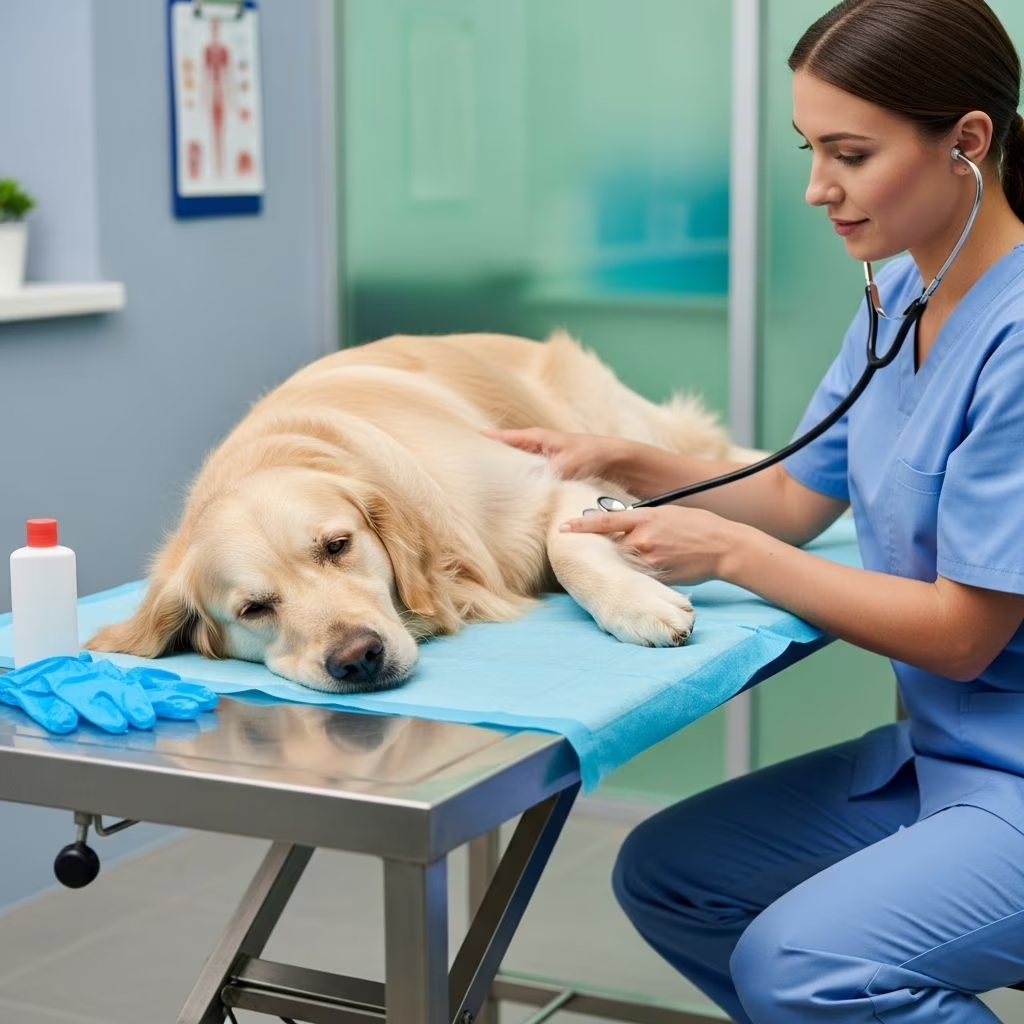
Upon arrival, the veterinary team will quickly evaluate your dog’s condition to prioritize treatment. The vet will perform a physical examination to evaluate your dog’s condition, including checking vital signs such as heart rate, temperature, and respiration. After determining whether your pet is conscious, the vet will evaluate airway, breathing, and circulation. If your pet is unconscious and not breathing, the vet might place a tube into its windpipe to open the airway and help it breathe. If there are no heart sounds or pulses, the vet will start CPR.
Stabilization
Treatment aims to restore blood volume and oxygen delivery through oxygen therapy, control of bleeding, and IV (intravenous) fluids and blood products, as needed. Whether your dog requires oxygen therapy for breathing difficulties or immediate intervention for other life-threatening conditions, emergency veterinarians act swiftly to provide life-saving interventions.
Detailed History and Examination
Once the animal is stabilized, the vet will ask more detailed questions about your pet’s history: past illnesses, medications, allergies, last vaccinations, and other details. The vet will examine your pet fully: listen to the heart and lungs, check the abdomen for pain, and examine limbs for swelling or pain. The vet may also take blood and urine samples for testing to help identify problems and decide on a diagnosis, treatment, and monitoring plan.
Diagnostic Testing
Depending on the symptoms, your vet may recommend diagnostic tests to determine the underlying issue. These tests allow the veterinary team to develop a targeted treatment plan for your dog. Common diagnostic tools include:
- Blood Tests: To assess organ function and detect infections or abnormalities
- X-rays or Ultrasound: To identify fractures, blockages, or internal injuries
- Urine Analysis: To check for urinary tract issues or dehydration
For trauma injuries, airway, breathing, and circulation are checked and stabilized first. Bleeding control, oxygen delivery, and pain relief are immediate priorities. The vet will then evaluate your pet’s nervous system, chest, abdomen, and bones, and they might order blood tests, urinalysis, x-rays, and an ultrasound exam. Because the effects of some injuries take up to 48 hours to appear, pets with trauma usually need to be closely monitored in a hospital.
Treatment Options
Treatment options for veterinary emergencies are wide-ranging and specific to each pet’s needs. Common emergency treatments include:
- Oral medications
- Intravenous (IV) fluids and therapies
- Oxygen therapy
- Wound management
- Fracture repair
- Surgery
- Urinary catheter placement
Special Emergency Situations
Certain emergency situations require specific treatment approaches and immediate response.
Heatstroke
Heatstroke symptoms include rapid or labored breathing, vomiting, high body temperature, and collapse. Immediate treatment involves placing the animal in a tub of cool water or gently soaking the animal with a garden hose, or wrapping it in a cool, wet towel. Do not overcool the animal; stop cooling when rectal temperature reaches 103 degrees Fahrenheit.
Shock
Shock may occur as a result of a serious injury or fright. Keep the animal gently restrained, quiet, and warm, with the lower body elevated. Shock requires immediate emergency treatment, and professional veterinary care should be sought without delay.
Vomiting and Diarrhea
While not always emergencies, severe or persistent vomiting and diarrhea require professional evaluation. Withhold food for 12-24 hours, give the pet ice cubes for two hours after vomiting stops, then slowly increase the amount of water and foods given over a 24-hour period. Seek emergency care if vomiting or diarrhea is bloody, persistent, or accompanied by other concerning symptoms.
Preparing for a Dog Emergency
Being prepared can make a significant difference when an emergency occurs. Keep the following information readily available:
- Your veterinarian’s phone number and after-hours emergency contact information
- The address and phone number of the nearest 24-hour emergency veterinary clinic
- Your dog’s medical history, including current medications and allergies
- Your dog’s vaccination records
- Pet insurance information, if applicable
- Emergency contact numbers for family members
Frequently Asked Questions (FAQs)
Q: How do I know if my dog’s condition is a true emergency?
A: If your dog is experiencing difficulty breathing, severe bleeding, loss of consciousness, seizures, severe pain, or ingestion of toxins, it’s a true emergency. When in doubt, contact your emergency veterinarian for guidance—it’s always better to err on the side of caution.
Q: What should I do if my dog is having trouble breathing?
A: Difficulty breathing is a life-threatening emergency. Contact your emergency veterinary clinic immediately and transport your dog without delay. Keep your dog calm and still during transport, and avoid unnecessary handling.
Q: Is my dog’s first seizure an emergency?
A: Yes, any first seizure should be evaluated by a veterinarian. Call your primary veterinarian for next steps, or your local emergency vet if the seizure occurs outside of your vet’s office hours. Do not try to hold your dog’s tongue or place your hands near their mouth during a seizure.
Q: How long should I monitor my dog after a trauma or accident?
A: Pets with trauma usually need to be closely monitored in a hospital, as the effects of some injuries can take up to 48 hours to appear. Always seek a veterinary examination after any accident, even if your dog appears to have recovered.
Q: What should I do if my dog ingests a toxic substance?
A: Contact your emergency veterinary clinic or poison control immediately. Provide information about what your dog ingested, how much, and when. Do not induce vomiting unless specifically instructed by a veterinarian, as some toxins can cause more damage coming up than going down.
Q: Can bloat (gastric dilatation) be treated at home?
A: No. Bloat is a life-threatening emergency that requires immediate surgical intervention at a veterinary hospital. This condition can be fatal, so seek emergency care without delay if your dog shows signs of a distended abdomen, unsuccessful vomiting attempts, or rapid collapse.
Q: Should I provide first aid before going to the emergency vet?
A: Basic first aid like applying gentle pressure to control bleeding is appropriate, but do not delay seeking professional veterinary care. Your primary goal should be getting your dog to the emergency clinic as quickly as possible.
References
- What to Do in a Dog Emergency: Essential Guide — Orange County Emergency Vet. 2024. https://orangecountyemergencyvet.com/dog-emergency-guide-to-veterinary-cares/
- Evaluation and Initial Treatment of Dog and Cat Emergencies — Merck Veterinary Manual. 2024. https://www.merckvetmanual.com/special-pet-topics/emergencies/evaluation-and-initial-treatment-of-dog-and-cat-emergencies
- Emergencies in Dogs — VCA Animal Hospitals. 2024. https://vcahospitals.com/know-your-pet/common-emergencies-in-dogs
- Emergency Treatments — Jacksonville.gov. 2024. https://www.jacksonville.gov/departments/neighborhoods/animal-care-protective-services/resources/emergency-treatments
- Pet First Aid: How to Help Your Pet in an Emergency — Whole Pet Vets. 2024. https://wholepetvets.com/pet-first-aid-how-to-help-your-pet-in-an-emergency/
- Common Canine Emergency Visits — Aspen Grove Veterinary Care. 2024. https://aspengrovevet.com/services/common-dog-emergencies
- Your Complete Guide to Navigating Pet Emergencies — BluePearl Veterinary Partners. 2024. https://bluepearlvet.com/pet-blog/pet-emergencies/



