

Dog emergencies can strike unexpectedly, from walks in the park to quiet nights at home. Knowing how to recognize critical signs, assemble a first aid kit, and act swiftly can mean the difference between life and death for your canine companion. This guide covers preparation, common emergencies like bleeding, heatstroke, poisoning, and bloat (gastric dilatation-volvulus or GDV), plus when to call the vet immediately.
Recognizing a Dog Emergency: Key Signs to Watch For
Pet parents must distinguish minor issues from true emergencies. Look for these red flags: difficulty breathing, uncontrolled bleeding, seizures, loss of consciousness, severe lethargy, vomiting blood, pale gums, or signs of pain like whining or collapse.
- Respiratory distress: Laboured breathing, blue gums, or coughing excessively.
- Trauma: Limping badly, open wounds, or hits by cars.
- Abdominal issues: Swollen belly, retching without vomit (hallmark of bloat).
- Toxicity: Tremors, drooling, or collapse after ingesting poisons.
- Heat-related: Panting heavily, weakness, or hot ears/paws.
Stay calm—your composure reassures your dog. If in doubt, err on the side of caution and contact your vet.
Building Your Dog First Aid Kit: Be Prepared
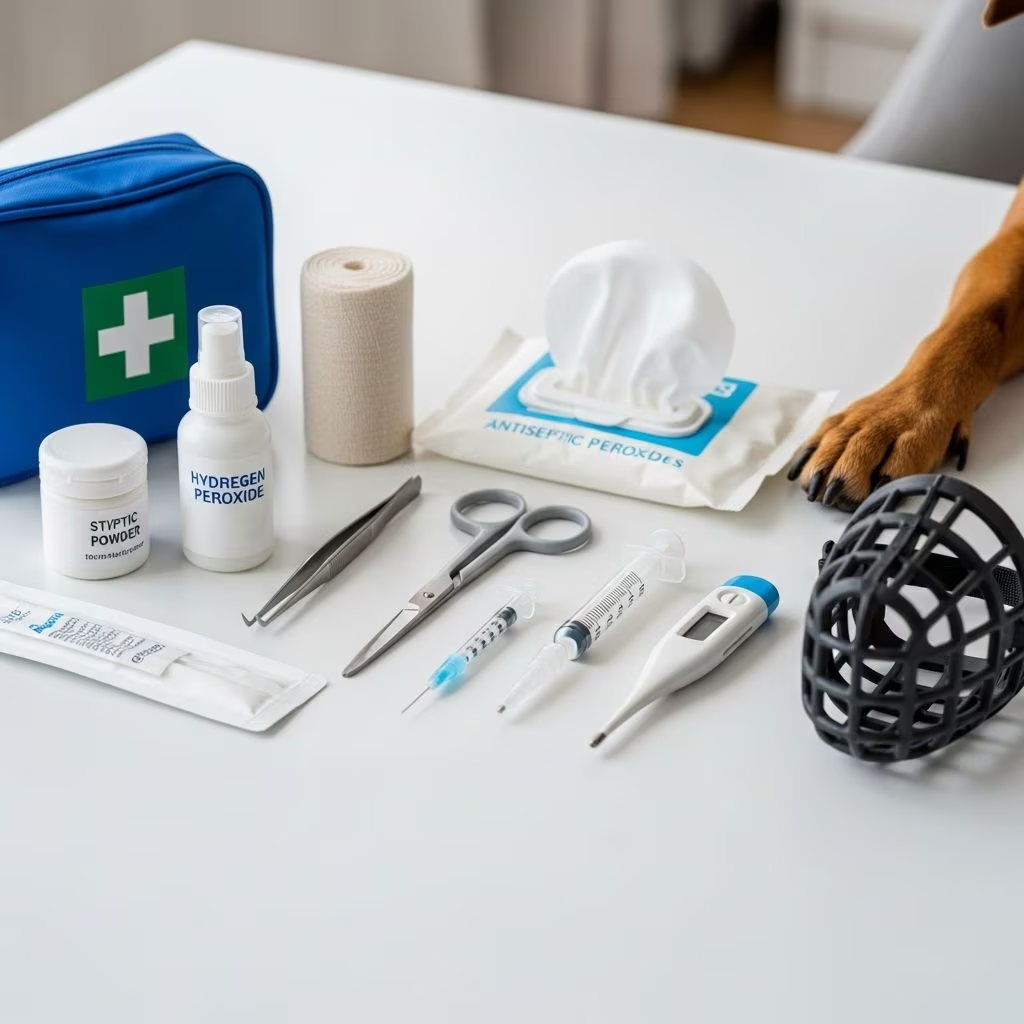
A well-stocked pet first aid kit is essential for any dog owner. Keep it in your car, home, and on walks. Consider taking a pet first aid course from organizations like the British Red Cross or local vets for hands-on training.
The Basics
- First aid manual: Step-by-step guides for emergencies.
- Emergency contacts: Vet numbers, 24-hour helplines, poison control (e.g., NPCCAS at 01202 509000).
- Pet medical records: Vaccinations, allergies, medications.
- Syringe (without needle): For flushing wounds or oral meds.
- Disposable gloves: Protect yourself from bites or fluids.
- Muzzle: Prevents bites from pained dogs.
- Restraint tools: Leash, harness, blanket for transport.
Other Essentials
- Treats: For calming anxious pups.
- Notepad and pen: Record symptoms and treatments.
- Sterile gauze, bandages, saline solution: Wound care.
- Digital thermometer: Normal dog temp 38-39°C (100.5-102.5°F).
- Towels or blankets: For cooling or stretchers.
Customize your kit for your dog’s size and needs. Regularly check expiry dates on items like antiseptics.
Step-by-Step: What to Do in a Dog Emergency
Follow these general steps for any crisis:
- Stay calm and assess: Check airway, breathing, pulse.
- Call for help: Phone your vet or nearest 24-hour clinic immediately.
- Provide first aid: Stabilize without risking further harm.
- Transport safely: Use a blanket as a stretcher; secure in a carrier or car.
- Follow up: Even after treatment, monitor and revisit the vet.
Never attempt advanced procedures like CPR without training—rush to professionals instead.
Common Dog Emergencies and First Aid Responses
Bleeding
Apply firm pressure with clean gauze or cloth for 10-15 minutes. Elevate the limb if possible. Bandage securely but not too tight—check circulation every 5 minutes. If bleeding persists or is arterial (bright red spurting), go to the vet ASAP.
Wounds and Cuts
Clean gently with saline or diluted antiseptic (e.g., chlorhexidine). Avoid hydrogen peroxide on open wounds. Cover with non-stick dressing and bandage. Monitor for infection signs like swelling or pus.
Heatstroke
Common in hot UK summers, especially for brachycephalic breeds. Symptoms: excessive panting, drooling, collapse. Move to shade, offer cool water, apply cool (not ice-cold) wet towels to paws, groin, armpits. Fan gently. Vet urgently—temps over 41°C are life-threatening. Prevention: Walk early mornings/evenings, avoid cars.
Poisoning
UK threats include antifreeze, chocolate, xylitol, grapes, lilies (for cats but household risk). Note what/when ingested. Do NOT induce vomiting unless vet instructs—risks aspiration. Call vet or poison hotline immediately with details. Activated charcoal may be advised.
Bloat (Gastric Dilatation-Volvulus – GDV)
The ‘mother of all dog emergencies,’ fatal within hours if untreated. Large/deep-chested breeds (Great Danes, Boxers) at risk. Signs: Distended abdomen, unproductive retching, restlessness, pale gums, collapse. Rush to vet—no home fixes. Surgery often needed to untwist stomach. Prevention: Feed small meals, avoid exercise post-eating.
Choking
If conscious and struggling: Perform dog Heimlich—stand behind, abdominal thrusts upward. For unconscious: Check mouth, CPR if trained. Call vet en route.
Other Emergencies
| Emergency | Signs | First Aid |
|---|---|---|
| Seizures | Convulsions, drooling, loss of awareness | Clear space, time it (under 5 min?), cool if hot. Vet after. |
| Bee Stings | Swelling, pawing face | Remove stinger, cool compress, antihistamine if vet OKs. |
| Fractures | Limping, pain, deformity | Immobilize with splint, vet X-rays. |
Emergency Contacts and Planning in the UK
Save these: Your regular vet, nearest 24-hour clinic (find via RCVS directory), Animal PoisonLine (01202 509000). Insurance often includes helplines. Create an emergency plan: Spare keys with trusted contacts, pet sitter info on collar/ID. For walks, research local hazards like toxic plants or farm chemicals.
Prevention: Keeping Emergencies at Bay
Proactive steps reduce risks:
- Secure garden/fence to prevent escapes.
- Microchip and ID collar always.
- Regular vet check-ups, up-to-date vaccines.
- Avoid human foods/meds.
- Seasonal prep: Winter salt (paw burns), summer heat.
Pet first aid workshops build confidence—check Guide Dogs UK or local RSPCA.
Frequently Asked Questions (FAQs)
Q: When is a dog injury an emergency?
A: If there’s heavy bleeding, breathing issues, collapse, or bloat signs, go immediately. Better safe than sorry.
Q: Can I treat heatstroke at home?
A: Cool initially, but always vet follow-up—organ damage can be hidden.
Q: What’s in a basic dog first aid kit?
A: Manual, contacts, gloves, muzzle, bandages, saline, thermometer.
Q: How do I stop my dog from bloat?
A: Small meals, no exercise after eating, elevated bowls for some breeds.
Q: Should I do CPR on my dog?
A: Only if trained; otherwise, focus on transport to pros.
Final Thoughts
Preparation turns panic into action. Stock your kit, learn basics, and act fast—your quick response can save lives. Consult vets for breed-specific advice.
References
- Pet First Aid Kit: Everything You Need In an Emergency — Kinship. 2023. https://www.kinship.com/uk/pet-health/pet-first-aid-kit
- Dog Emergencies & First Aid UK — Kinship. 2023. https://www.kinship.com/uk/dog-health/emergencies-first-aid
- Dog First Aid | Common Pet Emergencies — Guide Dogs UK. 2024-01-14. https://www.guidedogs.org.uk/getting-support/information-and-advice/dog-care-and-welfare/first-aid/
- Unexpected Safety Hacks For Anxious Dog Parents — Kinship. 2023. https://www.kinship.com/uk/dog-lifestyle/unexpected-safety-hacks-for-pet-parents
- Recognizing Pet Emergencies: A Guide for Oakdale Dog and Cat Owners — Oakdale Veterinary. 2024. https://oakdalevet.com/recognizing-pet-emergencies-a-guide-for-oakdale-dog-and-cat-owners/



