

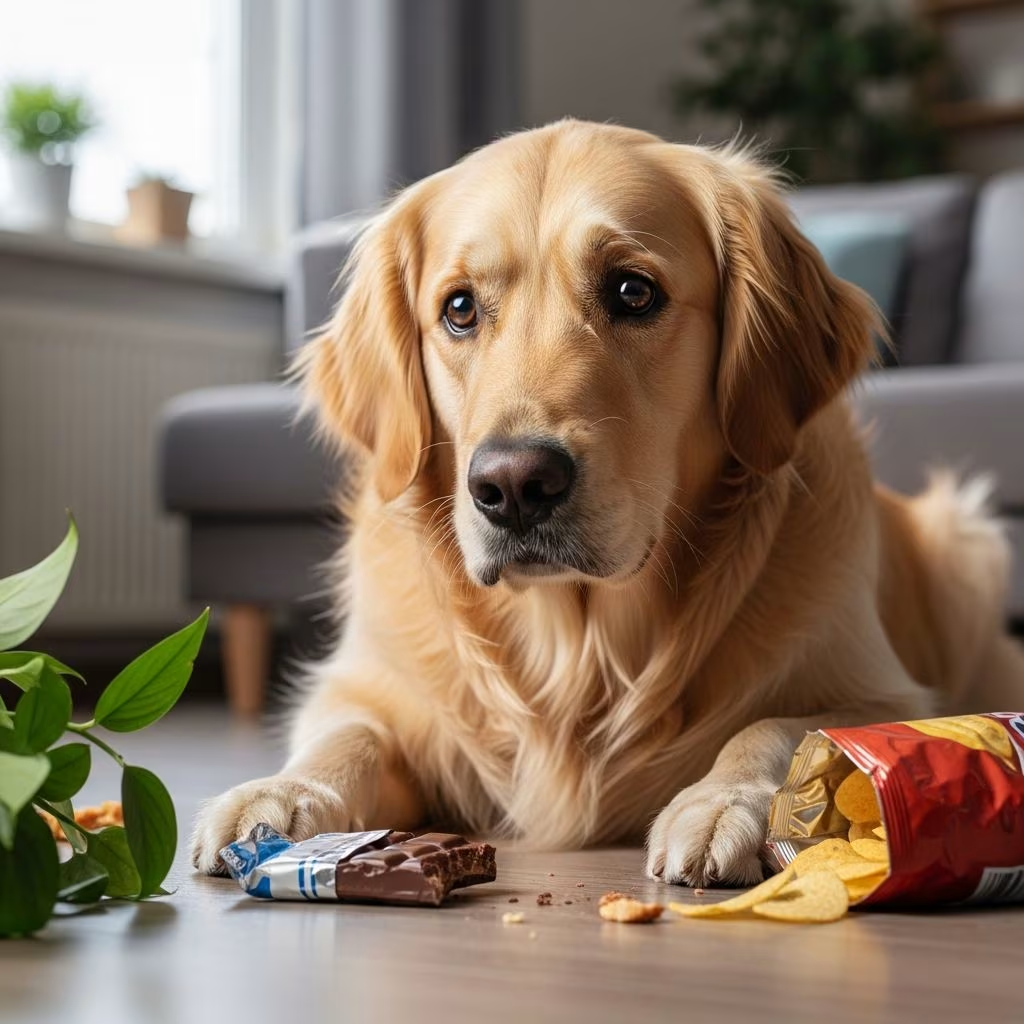
Dogs are naturally curious explorers, often using their mouths to investigate the world around them. Unfortunately, this behaviour can lead to them ingesting harmful substances, toxic foods, or dangerous objects. Whether it’s chocolate, medications, xylitol gum, cooked bones, or household items like socks and toys, swift recognition and action are crucial. Delaying can result in severe complications like intestinal blockages, poisoning, or even life-threatening conditions. This guide covers common culprits, symptoms to watch for, immediate steps, veterinary treatments, prevention strategies, and FAQs to help you protect your furry friend.
Common Things Dogs Eat That Are Dangerous
Dogs scavenge indiscriminately, putting them at risk from everyday items. Toxic foods top the list, but non-food objects like strings, rocks, or plastic can cause obstructions. Human medications, rodenticides, and plants also pose serious threats. Puppies and young dogs are particularly prone due to teething and exploration, while anxious or bored adults may chew destructively.
- Toxic Foods: Chocolate contains theobromine, causing vomiting, diarrhea, rapid heart rate, tremors, and seizures; darker varieties are more potent. Xylitol in gum and candies triggers rapid insulin release, leading to hypoglycemia and liver failure. Grapes, raisins, and onions damage kidneys and red blood cells.
- Medications: Ibuprofen causes gastrointestinal ulcers, vomiting, and kidney failure; acetaminophen leads to liver damage and methemoglobinemia. Antidepressants may induce serotonin syndrome with agitation and seizures.
- Cooked Bones: Chicken or other cooked bones splinter, puncturing the esophagus, stomach, or intestines, resulting in internal bleeding.
- Foreign Objects: Socks, toys, corn cobs, stones, or tennis balls can lodge in the digestive tract, causing blockages.
- Household Hazards: Rodent bait causes internal bleeding; household cleaners induce chemical burns.
Signs Your Dog Ate Something Bad
Symptoms can appear immediately or take days, depending on the substance and your dog’s size. Gastrointestinal upset is most common initially, progressing to systemic signs if untreated. Monitor closely for 48-72 hours post-ingestion.
- Gastrointestinal Signs: Vomiting (possibly repeated), diarrhea (may be bloody), loss of appetite, excessive drooling, nausea.
- Pain Indicators: Hunched back, ‘prayer’ position (front down, rear up), abdominal pain when touched, restlessness, whining.
- Obstruction Signs: Constipation, straining without poop, bloated abdomen, gagging, drooling.
- Systemic Toxicity: Lethargy, weakness, twitching, tremors, seizures, pale gums, rapid breathing, collapse.
- Bleeding Signs: Black/tarry stools, coughing blood, racing heart.
If symptoms like severe vomiting, seizures, or collapse occur, it’s an emergency.
Immediate Steps to Take
Stay calm—panic hinders clear thinking. First, assess what, when, and how much was ingested.
- Don’t Induce Vomiting at Home: Never use hydrogen peroxide or salt without vet guidance; it risks aspiration pneumonia or esophageal damage.
- Contact Professionals: Call your vet or emergency clinic immediately. In the US, ASPCA Animal Poison Control at (888) 426-4435; in the UK, PDSA or local vet. Provide details: substance, amount, time ingested, dog’s weight/breed.
- Monitor Closely: Note symptoms, prevent further access, keep comfortable.
- Prepare for Vet: Bring packaging/samples of ingested item.
For recent ingestions (<2 hours), vets may induce vomiting safely.
When to Go to the Vet
Err on caution: contact a vet for any suspected ingestion. Rush to emergency if:
- Symptoms like repeated vomiting, bloody stool, seizures, lethargy, or breathing issues.
- Known toxins: chocolate, xylitol, meds, rodenticides.
- Foreign body suspicion: no poop in 24 hours, painful belly.
- Puppy, small breed, or pre-existing conditions.
Even without symptoms, some toxins (e.g., rodenticides) act delayed.
Treatments Your Vet Might Recommend
Treatment varies by toxin/object and location (stomach, intestines). Vets use diagnostics like X-rays, ultrasound, blood tests.
| Condition | Common Treatments |
|---|---|
| Recent Toxin Ingestion | Induce vomiting, activated charcoal to bind toxins, anti-nausea meds (Cerenia). |
| Dehydration/GI Upset | IV fluids, bland diet (e.g., Hill’s i/d), probiotics (Fortiflora). |
| Obstruction | X-rays/ultrasound, endoscopy, or surgery to remove object. |
| Severe Poisoning | Specific antidotes, blood transfusions, monitoring. |
| Inflammation (Gastritis) | Metronidazole for diarrhea, laxatives. |
Hospitalization may last overnight with fluids and observation. Prognosis is excellent with prompt care.
Why Do Dogs Eat Things They Shouldn’t?
Understanding motivations prevents repeats.
- Nutritional Deficiencies: Pica (eating non-food) signals missing nutrients; vet check diet.
- Boredom/Stress: Chewing relieves anxiety; provide toys, exercise.
- Attention-Seeking: Past fuss reinforces behaviour.
- Instinct: Scavenging is ancestral; puppies explore orally.
- Medical Issues: GI parasites, dental pain prompt unusual eating.
Prevention Tips
Proactive steps minimize risks.
- Secure trash, counters; use baby gates.
- Store meds, chocolate, gum high/up.
- Supervise outdoors; pick up feces, bones.
- Enrich environment: puzzle toys, daily walks.
- Train ‘leave it/drop it’ commands.
- Regular vet checkups for nutrition advice.
FAQs
What should I do if my dog eats chocolate?
Call vet/ASPCA immediately with wrapper details. Symptoms: vomiting, tremors. Treatment: induced vomiting if recent, monitoring.
My dog ate a sock—what now?
Monitor for vomiting/no poop. Vet for X-rays if symptoms; surgery may be needed.
Is xylitol gum fatal for dogs?
Yes, even small amounts cause liver failure. Rush to vet for glucose/monitoring.
How long do symptoms take to appear?
Immediate for irritants; 1-3 days for obstructions/toxins.
Can I make my dog vomit at home?
No—risky without vet advice.
References
- My dog has eaten something harmful — PDSA. 2023. https://www.pdsa.org.uk/pet-help-and-advice/pet-health-hub/symptoms/my-dog-has-eaten-something-harmful
- What To Do If Your Dog Eats Something They Shouldn’t! — Pine Point Veterinary Clinic. 2023. https://pinepointvet.com/what-to-do-if-dog-eats-something-they-shouldnt/
- My Dog Ate Something Bad: Symptoms & What To Do — MetLife Pet Insurance. 2024-01-14. https://www.metlifepetinsurance.com/blog/pet-health/my-dog-ate-something-bad/
- Signs Your Dog Ate Something Bad — AKC Pet Insurance. 2023. https://www.akcpetinsurance.com/blog/top-7-signs-your-dog-is-sick-from-something-they-ate-in-the-yard
- What to Do If Your Dog Swallowed Something They Shouldn’t Have — PetMD. 2024. https://www.petmd.com/dog/emergency/common-emergencies/e_dg_swallowed_objects
- Signs your dog ate something bad — Southern Cross Pet Insurance. 2023. https://www.southerncrosspet.co.nz/pet-hub/tips-and-tricks/distress-signs/



