

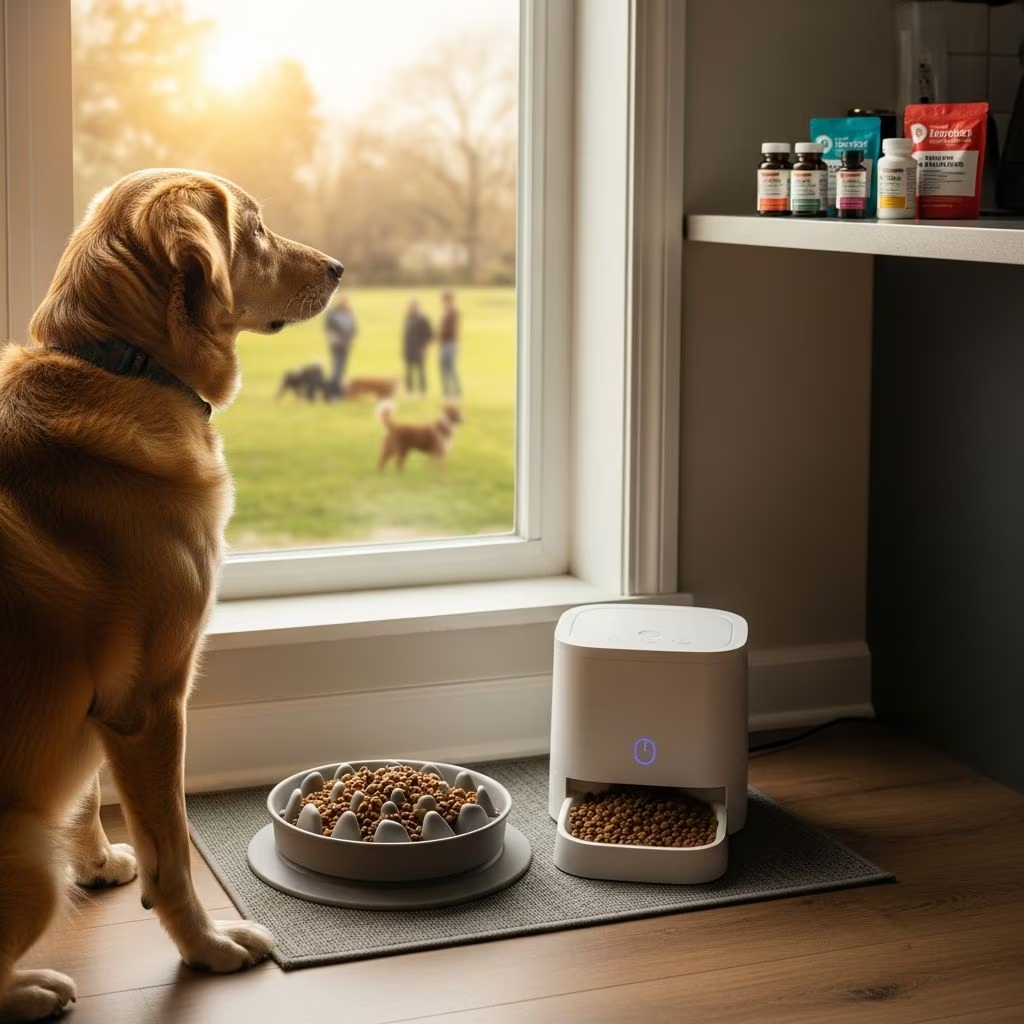
Many pet owners face a puzzling challenge: their dog enthusiastically devours meals the moment they return home, yet refuses to eat during the day when left alone. This pattern, while common, reflects deeper concerns about your canine companion’s emotional and physical well-being. Understanding the root causes of this behavior and implementing targeted strategies can help ensure your dog maintains consistent nutrition even when you’re not present to supervise.
Understanding the Root Causes of Appetite Loss
The phenomenon of dogs refusing food during their owner’s absence stems from several interconnected psychological and environmental factors. Rather than a simple preference or stubbornness, this behavior typically signals underlying stress or anxiety that requires thoughtful intervention.
Separation-Related Stress Responses
Dogs are fundamentally social animals with deep evolutionary bonds to their pack members. When separated from their owners, some dogs experience genuine emotional distress that manifests as appetite suppression. This differs significantly from normal feeding behavior, as the dog’s stress response can override the natural hunger drive. The distinction between separation stress—where the dog needs you specifically—and isolation stress—where the dog simply cannot tolerate being alone—is crucial for developing effective solutions.
Research indicates that stressed dogs may exhibit this behavior even when they don’t display obvious signs of anxiety like destructive behavior, excessive vocalization, or pacing. The appetite loss itself may be the primary or sole manifestation of the dog’s emotional state during your absence.
Environmental Disruption and Routine Changes
Dogs thrive on predictability and consistency. When vacation schedules, work changes, or new routines disrupt their established feeding patterns, many dogs experience disorientation that affects their eating habits. The absence of familiar environmental cues—such as the sounds associated with your morning routine, the visual presence of family members, or the customary timing of meals—can create sufficient confusion to suppress appetite.
The sensory overwhelm of unfamiliar environments compounds this issue. Dogs navigate the world primarily through their senses, and sudden changes in smells, sounds, and visual cues can trigger heightened stress that makes eating seem unimportant.
Diagnostic Steps Before Implementation
Before investing in feeding solutions, take time to accurately diagnose which stressor is affecting your dog. This information will guide your intervention strategy more effectively.
Testing the Presence Variable
The first diagnostic step involves determining whether your dog requires your specific presence or simply cannot tolerate any form of isolation. Arrange for a trusted family member, friend, or professional pet sitter to remain with your dog for a meal while you are completely absent from the home. If your dog eats readily with another person present, you’re dealing with separation stress—your dog specifically needs you. If your dog still refuses to eat, the issue relates to isolation anxiety—your dog cannot tolerate being without any human companion.
Video Documentation
Set up a smartphone, laptop camera, or dedicated pet monitoring device to record your dog’s behavior during your absence. Rather than relying on assumptions about what happens while you’re gone, you can observe whether your dog displays stress signals such as pacing, excessive panting, whining, or general restlessness. This documentation provides valuable information for consultation with veterinary behaviorists and helps you track progress as you implement interventions.
Medical Considerations and Professional Consultation
Before attributing appetite loss solely to behavioral causes, eliminate medical factors. Dogs may refuse food due to physical pain, underlying illness, or depression following major life changes. Schedule a veterinary examination to rule out gastrointestinal issues, dental problems, metabolic disorders, or other health concerns that could suppress appetite.
Once medical causes are excluded, consult with a certified professional dog trainer or veterinary behaviorist who specializes in separation anxiety. These experts can develop individualized intervention plans based on your specific dog’s triggers and temperament.
Environmental Optimization Strategies
Creating a feeding environment that minimizes stress and maximizes appeal requires attention to multiple environmental factors.
Feeding Area Characteristics
The location where you leave your dog’s food significantly impacts whether they’ll eat. The feeding space should be:
- Quiet and calm: Avoid feeding areas near doors, windows with outside noise, or other high-traffic zones in your home. Dogs are sensitive to their surroundings, and excessive noise or chaotic activity can completely suppress appetite.
- Safe and predictable: Feed your dog in the same location consistently, allowing them to associate that space with security and normalcy.
- Separate from distractions: Ensure the feeding area is free from toys, other pets, or anything that might distract your dog from eating.
- Well-lit and comfortable: Dogs may feel more vulnerable eating in dim or unfamiliar spaces, so a well-lit area with comfortable flooring encourages more relaxed feeding.
Food Presentation and Temperature
The physical characteristics of the food itself influence whether your dog will eat:
- Optimal temperature: Most dogs prefer food served at room temperature or slightly warmed. Warming food gently (without cooking it further) can enhance its aroma, making it more appealing.
- Freshness assurance: Never leave food sitting out for extended periods. Instead, offer meals at scheduled times and remove uneaten food after 20-30 minutes to maintain freshness and prevent spoilage.
- Quality and nutrition: Some dogs are more motivated to eat high-quality, nutritionally balanced foods than lower-grade options. Experiment with premium brands to identify your dog’s preferences.
Behavioral Intervention Through Enrichment
Strategic use of enrichment tools can address both the anxiety component and the feeding challenge simultaneously.
Interactive Feeding Toys
Food puzzle toys and stuffed Kongs serve multiple purposes in addressing appetite loss during owner absence. These devices:
- Provide mental stimulation that redirects anxious energy toward productive activity
- Extend the feeding duration, creating a more engaging experience that may overcome food resistance
- Deliver high-value rewards that increase the likelihood of eating
- Create positive associations with your departure routine
To maximize effectiveness, reserve these special toys exclusively for times when you’re away. This exclusivity increases their appeal and creates a distinctive routine your dog anticipates. You can stuff Kongs with:
- Low-fat cream cheese or spray cheese
- Frozen banana mixed with cottage cheese
- Canned dog food combined with kibble
- Low-fat peanut butter
Freezing stuffed Kongs extends the engagement time, as your dog must work to extract the contents. Some dogs will eat their entire daily meal portion from these toys when they won’t eat from a traditional bowl.
Gradual Desensitization
For dogs with separation anxiety, gradually acclimate them to your absence through incremental steps. Begin by:
- Feeding your dog immediately before you leave, using the enrichment toys described above
- Starting with very brief absences (just minutes), gradually extending the duration
- Varying your departure routine so your dog doesn’t anticipate the exact timing
- Maintaining a calm, matter-of-fact demeanor during departures and arrivals
- Celebrating small successes—any eating during your absence represents progress
Nutritional and Feeding Schedule Optimization
The structure and consistency of feeding patterns profoundly influence your dog’s willingness to eat.
Scheduled Feeding Protocol
Establish a consistent daily feeding schedule rather than leaving food available continuously. Dogs with predictable meal times develop reliable hunger patterns and anticipate feeding moments. This routine provides the security and structure that anxious dogs need. For most adult dogs, two meals daily—morning and evening—works well, though some require three smaller meals depending on breed and age.
Dietary Consistency
Maintain absolute consistency with food type and brand. Dietary changes can cause digestive upset and create additional stress. When traveling or experiencing routine changes, bring your dog’s regular food to ensure they have a familiar food that represents normalcy during an otherwise disrupted period.
Handling Picky Eaters
Some dogs walk away from food simply because they don’t find it appealing. Through careful experimentation, identify whether your dog prefers:
- Specific protein sources (chicken, beef, fish, lamb)
- Particular kibble sizes or textures
- Wet food versus dry food
- Toppers or flavor enhancements added to base food
Once you identify preferred options, use this knowledge to increase the appeal of meals offered during your absence.
FAQ: Common Questions About Dogs Refusing Food When Alone
- Q: Is it dangerous if my dog doesn’t eat while I’m gone?
- A: While occasional meal skipping isn’t immediately dangerous for healthy adult dogs, chronic appetite loss indicates stress that requires intervention. Prolonged food refusal can lead to nutritional deficiencies and weight loss. This pattern also suggests your dog is experiencing significant emotional distress during your absence.
- Q: How long can dogs safely go without eating?
- A: Most healthy adult dogs can survive several days without food, though they begin to experience metabolic stress after 24 hours. However, the goal should be ensuring your dog eats regularly to maintain health and normal metabolism. Puppies and senior dogs are more vulnerable to the effects of food refusal.
- Q: Will my dog develop separation anxiety if I leave them alone?
- A: Separation anxiety develops from a combination of genetic predisposition, early life experiences, and environmental factors. Simply leaving your dog alone won’t cause separation anxiety if the dog is otherwise emotionally healthy. However, sudden changes in your routine or traumatic events can trigger anxiety in susceptible dogs.
- Q: Can medication help my dog eat when I’m away?
- A: In cases of severe separation anxiety, veterinarians may recommend anti-anxiety medications as part of a comprehensive treatment plan. However, medication works best when combined with behavioral training and environmental modifications. Always consult your veterinarian before considering pharmaceutical interventions.
- Q: What’s the difference between picky eating and anxiety-related food refusal?
- A: Picky eating typically involves your dog demonstrating food preferences—they’ll eat some foods readily while avoiding others. Anxiety-related refusal is more absolute: your dog consistently refuses eating during your absence but immediately eats when you return. The timing and consistency of refusal help distinguish between these issues.
Progress Tracking and Adjustment
As you implement interventions, systematically track your dog’s response to changes. Keep a simple record noting:
- What food was offered and in what form
- Duration of your absence
- Environmental conditions (temperature, noise level, enrichment provided)
- Whether your dog ate, and if so, how much
- Your dog’s demeanor upon your return
- Any behavioral changes you observe via video monitoring
This documentation reveals patterns and identifies which strategies produce positive results for your specific dog. Progress may be gradual, with dogs slowly increasing their food intake over weeks or months as they become more secure with their routine.
Long-Term Management and Prevention
Addressing appetite loss during absence isn’t a quick fix but rather a gradual process of rebuilding your dog’s confidence and sense of security. Success requires patience, consistency, and often professional guidance. By understanding that your dog’s food refusal reflects genuine emotional distress rather than stubbornness or discipline problems, you can approach the situation with appropriate compassion and evidence-based strategies that genuinely support your dog’s well-being.
References
- Why Does My Dog Only Eat When I’m There? — Whole Dog Journal. https://www.whole-dog-journal.com/behavior/why-does-my-dog-only-eat-when-im-there/
- Understanding Canine Behavior: Vacation-Related Appetite Changes — Under the Weather Pet. https://www.undertheweatherpet.com/blogs/under-the-weather/understanding-canine-behavior-vacation-related-appetite-changes
- Stress Signals: What Every Dog Owner Should Know About Pet Anxiety — 1st Pet Vet. https://1stpetvet.com/stress-signals-every-dog-owner-know-pet-anxiety/
- Why Does My Dog Run Away From His Food Bowl? Understanding Your Pet’s Eating Habits — Houndsy. https://www.houndsy.com/blogs/modern-tails/why-does-my-dog-run-away-from-his-food-bowl-understanding-your-pets-eating-habits
- Separation Anxiety — ASPCA. https://www.aspca.org/pet-care/dog-care/common-dog-behavior-issues/separation-anxiety



