

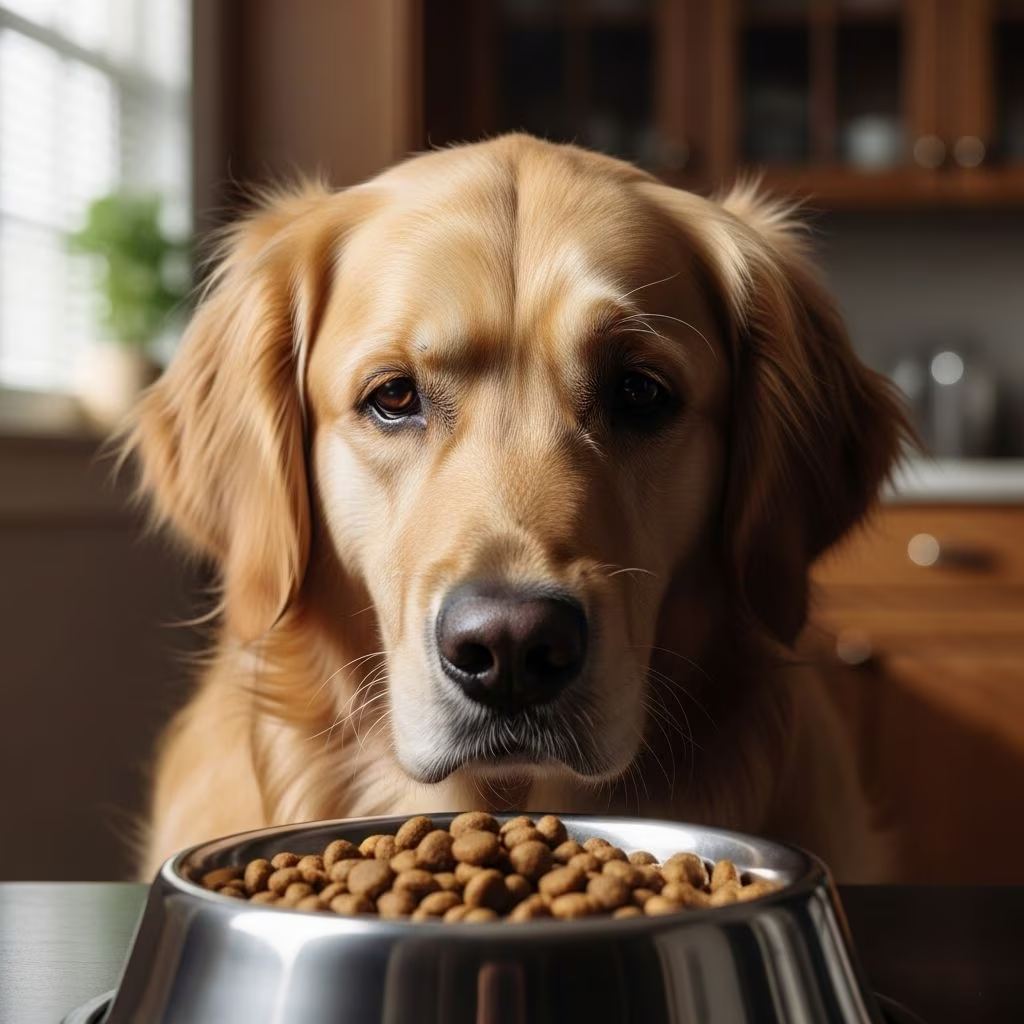
Canine eating disorders manifest in various forms, ranging from complete refusal to eat to obsessive consumption of non-food items. These conditions differ from human disorders but can signal serious health or behavioral problems requiring prompt attention. Understanding the distinctions between true appetite loss and physical barriers to eating is crucial for effective intervention.
Defining Key Canine Eating Issues
Dogs exhibit disrupted eating patterns that parallel some human conditions but stem from unique physiological and psychological factors. **Anorexia** in dogs refers to a reduced or absent appetite, distinct from the human psychiatric disorder. It splits into true anorexia, where the dog mentally rejects food, and pseudo-anorexia, where hunger exists but physical issues prevent consumption.
**Pica**, another prevalent disorder, involves the persistent ingestion of inedible substances like rocks, fabric, or dirt. This behavior, common in puppies during exploration, becomes pathological in adults and poses risks of intestinal blockages or toxicity.
Overeating or compulsive consumption rounds out major categories, often linked to stress or nutritional gaps, leading to obesity or gastric distress.
Recognizing Symptoms of Appetite Loss
Spotting anorexia early prevents weight loss and secondary complications. Key signs include:
- Consistent refusal of meals over 24-48 hours.
- Lethargy, weakness, or dehydration.
- Vomiting, diarrhea, or abdominal discomfort.
- Noticeable weight reduction or muscle wasting.
- Behavioral changes like hiding or reduced playfulness.
In pseudo-anorexia, dogs may paw at food, drool excessively, or show oral discomfort, indicating issues like dental pain rather than disinterest.
Signs Your Dog Has Pica
Pica demands immediate vigilance due to its dangers. Watch for:
- Chewing or swallowing non-nutritive items such as plastic, wood, or feces.
- Excited fixation on inedible objects.
- GI upset from ingested materials, including vomiting or constipation.
- Weight fluctuations despite normal feeding.
Adult dogs persisting in these habits beyond teething phases signal deeper concerns.
Physical Causes Behind Eating Disruptions
Many eating disorders trace to tangible health problems. A table outlines primary culprits:
| Category | Examples | Impact on Eating |
|---|---|---|
| Dental/Oral | Gingivitis, broken teeth, abscesses, TMJ pain | Pain prevents chewing or swallowing |
| GI Tract | Blockages, ulcers, parvovirus, IBD | Nausea or obstruction curbs appetite |
| Systemic Illness | Kidney disease, diabetes, infections, cancer | Overall malaise suppresses hunger |
| Other | Toxins, medications, orthopedic pain | Pain or side effects deter eating |
Nutritional deficiencies, such as anemia or mineral shortages, can drive pica as dogs seek missing elements from soil or fabrics.
Behavioral and Emotional Triggers
Psychological factors rival physical ones in frequency. Stress from routine changes, new pets, or loss mimics human responses, diminishing interest in food.
- Anxiety/PTSD: Trauma survivors may avoid bowls due to associated fears.
- Boredom: Understimulated dogs turn to pica for entertainment.
- Depression: Grief or neglect leads to apathy toward meals.
- Environmental: High heat, unappealing food, or over-reliance on treats reduce kibble allure.
Senior cognitive decline exacerbates these, causing confusion around mealtimes.
When to Rush to the Vet
Not all skipped meals warrant alarm—puppies and finicky eaters may fast briefly. However, consult a veterinarian if:
- Refusal persists beyond 48 hours in adults or 24 in puppies.
- Accompanied by vomiting, diarrhea, or bloating.
- Your dog shows distress, pale gums, or collapse.
- Pica leads to repeated obstructions or injuries.
Professionals differentiate true issues via exams, bloodwork, imaging, or dental checks.
Diagnostic Approaches
Vets employ systematic evaluations:
- Thorough history on diet, environment, and onset.
- Physical exam targeting mouth, abdomen, and joints.
- Lab tests for infections, organ function, or toxins.
- Imaging like X-rays for blockages or tumors.
- Endoscopy for GI insights.
Ruling out pseudo-anorexia first guides targeted care.
Treatment Strategies for Anorexia
Addressing root causes yields best results. Tactics include:
- Medical: Antibiotics for infections, pain relief for dental woes, or fluids for dehydration.
- Dietary: Warming food, adding toppers, or switching to palatable prescription formulas.
- Supportive: Appetite stimulants like mirtazapine under vet guidance.
For pseudo-cases, extractions or surgeries resolve barriers swiftly.
Managing Pica Effectively
Pica treatment demands dual medical-behavioral focus:
- Medical clearance for deficiencies or illnesses.
- Environmental enrichment: Puzzle toys, increased walks to combat boredom.
- Training: “Leave it” commands with positive reinforcement.
- Supervision and deterrence: Bitter sprays on temptations.
Severe cases may need anti-anxiety meds post-vet approval.
Prevention Tips for Healthy Habits
Proactive steps minimize risks:
- Regular vet checkups and dental cleanings.
- Balanced, high-quality diet meeting AAFCO standards.
- Daily exercise and mental games to curb stress.
- Consistent routines avoiding sudden changes.
- Secure environment free of ingestible hazards.
Monitor weight and stool for early flags.
FAQs on Canine Eating Disorders
Q: Can dogs develop bulimia?
A: True bulimia is rare; binge-purge cycles differ in dogs, often tied to scavenging or stress rather than psychiatric roots.
Q: How long can a dog safely go without eating?
A: Adults up to 3-5 days with water; puppies under 24 hours—seek vet sooner.
Q: Is pica always a sign of illness?
A: No, but rule out medical causes first; behavioral fixes follow.
Q: What home remedies boost appetite?
A: Try bland boiled chicken/rice, hand-feeding, or elevated bowls—but vet approval essential.
Q: Does age affect eating disorders?
A: Yes, seniors face organ decline; puppies explore via pica.
Long-Term Outlook and Monitoring
With timely intervention, most dogs recover fully. Track progress via weight logs and meal journals. Recurrence signals ongoing issues like chronic disease. Collaborate with vets and trainers for holistic management, ensuring your companion thrives.
References
- Anorexia in Dogs — VCA Animal Hospitals. 2023. https://vcahospitals.com/know-your-pet/anorexia-in-dogs
- Can Dogs Have Eating Disorders? — PetLab Co. 2024. https://petlabco.co.uk/learn/health-wellness/dog-eating-disorders
- Do I Have An Anorexic Dog? Signs of Eating Disorders in Dogs — Rover. 2023. https://www.rover.com/blog/anorexia-in-dogs/
- Pet Eating Problems: Why Won’t My Dog Eat? — Case Hospital. 2023-01-15. https://www.casehospital.com/site/blog/2023/01/15/why-dog-eat
- Why Is My Dog Not Eating? Causes and What To Do — PetMD. 2024. https://www.petmd.com/dog/symptoms/why-my-dog-not-eating
- Compulsive Eating in Dogs — Pet Professional Guild. 2023. https://www.petprofessionalguild.com/barks/barks-magazine-blog/compulsive-eating-in-dogs/
- Unusual Eating Habits in Dogs and Cats — UC Davis Vet Med. 2022. https://www.vetmed.ucdavis.edu/sites/g/files/dgvnsk491/files/inline-files/Unusual_eating_habits.pdf



