

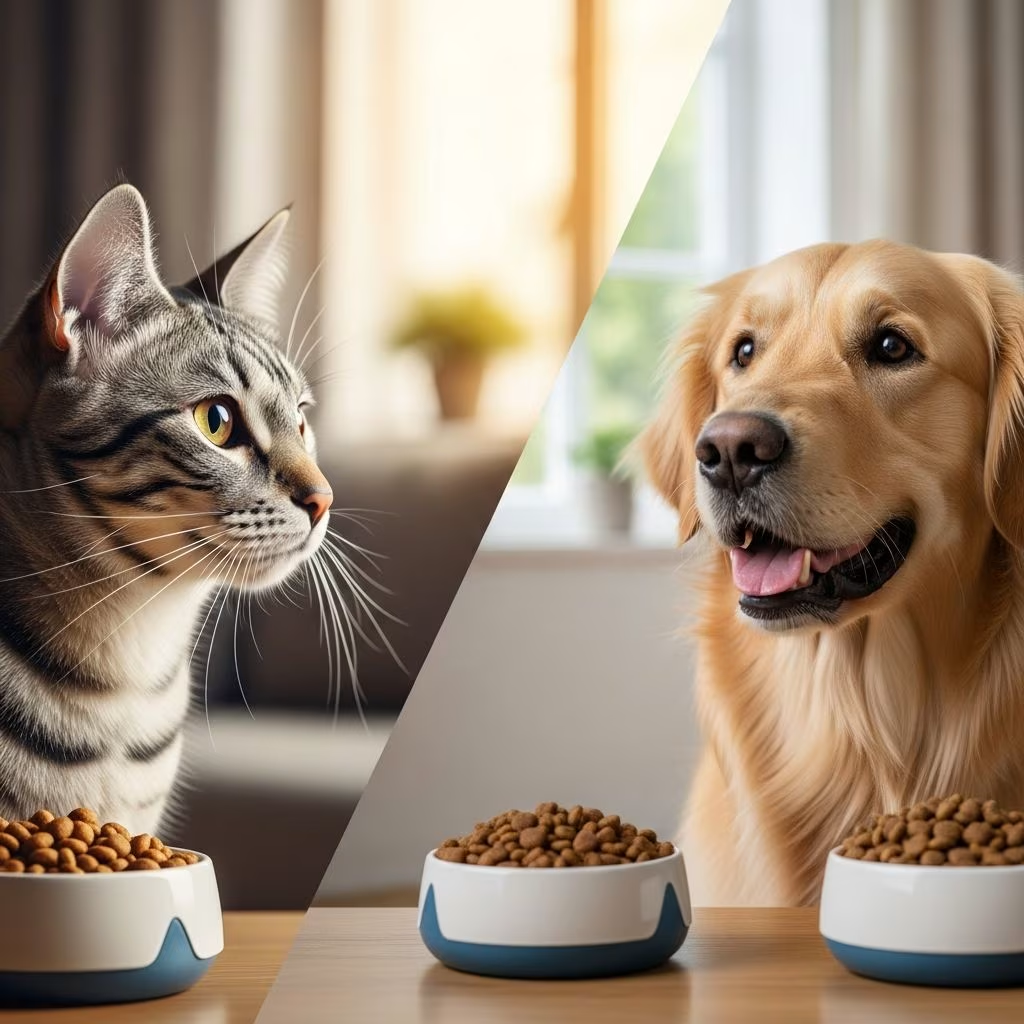
Many household pet owners face a common challenge: their dogs are attracted to feline food and seem determined to sample from the cat’s bowl whenever possible. While this behavior may appear harmless or even amusing, the reality is more complex. Understanding the nutritional composition of cat food and how it differs from canine requirements is essential for maintaining your dog’s long-term health and preventing serious medical complications.
The Fundamental Differences Between Canine and Feline Diets
Dogs and cats are distinct species with vastly different metabolic needs and nutritional requirements. Although both are carnivores, their dietary profiles have evolved to match their individual biological systems. This fundamental difference explains why feeding cat food to dogs, especially over extended periods, can create significant health challenges.
Cat food is formulated with substantially higher protein and fat content compared to dog food. While cats require these elevated nutrient levels to thrive, dogs have different metabolic capacities. Additionally, feline formulas often include higher concentrations of specific vitamins, particularly vitamins D and A, which are essential for feline health but can reach toxic levels in canine systems.
The macronutrient composition of commercial cat foods reflects feline nutritional biology. Cats are obligate carnivores with specific amino acid requirements that differ from dogs. When dogs consume food formulated for cats, they often ingest nutrients in concentrations exceeding their physiological needs, creating potential for accumulation and toxicity over time.
Why Dogs Find Cat Food So Appealing
Understanding the attraction is crucial for developing effective prevention strategies. The palatability of cat food stems from its elevated fat and protein content, which produces an intensely savory aroma and flavor profile that dogs find irresistible. From an evolutionary perspective, this makes biological sense: canine ancestors were opportunistic feeders who consumed nutrient-dense meals whenever encountered, and this instinct remains embedded in modern dogs.
The meaty composition and rich aroma of feline diets trigger strong feeding responses in dogs, making the cat’s bowl an enticing target. This is not a matter of preference or behavioral defiance but rather a natural response to concentrated, high-energy food sources. Recognizing this as a normal canine behavior helps owners approach prevention with patience and practical solutions rather than frustration.
Acute and Short-Term Health Consequences
When a dog consumes cat food in small quantities on rare occasions, the consequences are typically minimal. Most dogs experience no lasting effects from a single incident of dietary indulgence. However, immediate gastrointestinal distress is the most common short-term response for many dogs who consume cat food, even in modest amounts.
Common acute symptoms include:
- Vomiting and regurgitation
- Diarrhea or loose stools
- Excessive gas and abdominal bloating
- General gastrointestinal discomfort
These symptoms typically resolve quickly without intervention in most cases. However, if digestive upset persists beyond a few hours or worsens, veterinary consultation is warranted. The duration and severity of symptoms depend on factors including the quantity consumed, the dog’s size, current overall health status, and individual digestive sensitivity.
Pancreatitis: The Most Serious Risk
The fat content that makes cat food so appealing to dogs represents the primary source of serious health risk. Pancreatitis—inflammation of the pancreas—is the most significant medical concern associated with dogs consuming feline diets. The pancreas produces digestive enzymes responsible for breaking down dietary fats. Excessive fat consumption can trigger pancreatic inflammation, leading to a painful and potentially life-threatening condition.
Pancreatitis ranges from mild to severe, and some cases can be fatal without prompt veterinary treatment. The condition causes intense abdominal pain and can lead to systemic complications. Dogs at elevated risk for pancreatitis include those with previous pancreatitis history, hyperlipidemia, or genetic predisposition to the condition.
Warning signs of pancreatitis include:
- Severe abdominal pain and tenderness
- Vomiting that does not resolve quickly
- Lethargy and depression
- Loss of appetite
- Fever
Any dog displaying these symptoms after consuming cat food requires immediate veterinary evaluation.
Vitamin Toxicity and Nutrient Accumulation
Beyond the fat content, the elevated vitamin concentration in cat food poses another significant risk. Because cats’ metabolic requirements differ substantially from dogs’, feline formulas contain much higher levels of fat-soluble vitamins. Dogs consuming cat food repeatedly may accumulate vitamin D and A to toxic levels.
Vitamin D toxicity in dogs is particularly concerning because fat-soluble vitamins accumulate in body tissues rather than being excreted. Acute vitamin D toxicity can be life-threatening, while chronic exposure from repeated cat food consumption can lead to kidney failure through gradual mineral and vitamin accumulation. This represents a serious risk for dogs that have regular access to feline food sources or live in multi-pet households where dietary boundaries are poorly maintained.
Weight Management and Long-Term Health Implications
Even when immediate medical emergencies do not develop, regular consumption of cat food contributes to problematic weight gain in most dogs. Cat food is more energy-dense than dog food, containing more calories per serving. Dogs that regularly consume feline diets typically gain excessive weight, which cascades into numerous health complications.
Overweight and obese dogs face significantly elevated risk for:
- Joint disease and osteoarthritis
- Type 2 diabetes mellitus
- Cardiovascular disease
- Reduced lifespan
- Diminished quality of life
The relationship between poor body condition and chronic disease development is well-established in veterinary medicine. Dogs with inappropriate weight distribution experience earlier onset of age-related health problems and shorter overall lifespans compared to dogs maintaining healthy body weight throughout their lives.
Special Considerations for Dogs with Pre-existing Conditions
Certain dogs face elevated risk from cat food consumption and require especially careful management. Dogs with specific health conditions should never be permitted to consume feline diets, even in small quantities. These at-risk populations include:
- Dogs requiring low-fat or moderate-protein diets for medical reasons
- Dogs with history of pancreatitis
- Dogs with hyperlipidemia (elevated blood lipids)
- Dogs with chronic kidney disease
- Dogs with liver disease
- Dogs with sensitive stomachs or digestive disorders
For these dogs, even accidental consumption of cat food warrants veterinary notification, particularly if the dog is consuming prescription therapeutic diets designed for specific health conditions.
Appropriate Response When Your Dog Consumes Cat Food
Despite best prevention efforts, many dogs eventually manage to access cat food. The appropriate response depends on several factors, including the quantity consumed and your dog’s health status. If your dog has eaten a small amount of cat food on a single occasion, simple monitoring is typically the recommended approach.
For isolated incidents with healthy dogs:
- Observe your dog closely for signs of digestive upset or illness
- Monitor for vomiting, diarrhea, and abdominal discomfort
- Skip the next regular meal to allow digestive recovery
- Resume normal feeding schedule once you are confident no problems are developing
- Contact your veterinarian if symptoms persist beyond a few hours
For dogs with pre-existing health conditions or if significant quantities were consumed, veterinary consultation is advisable even if your dog appears to feel well. Early intervention can prevent complications from developing.
Prevention Strategies for Multi-Pet Households
Creating physical separation between canine and feline feeding areas is the most effective prevention method. Rather than relying on behavior modification, environmental management prevents the opportunity for inappropriate food access. Practical strategies include:
- Feed your cat in a separate room with a door or baby gate that allows cat access but restricts your dog
- Use elevated feeding stations that dogs cannot reach
- Establish designated feeding times rather than free-feeding, allowing you to supervise both pets during meals
- Store cat food in secure containers that dogs cannot open or access
- Clean up uneaten cat food promptly after meals rather than leaving it available
- Consider feeding your cat during times when your dog is in a separate area or confined space
Environmental management is far more reliable than training or behavioral approaches, as it removes the temptation entirely. Even well-trained dogs may succumb to the appeal of cat food when given the opportunity.
Understanding the Real-World Risk Assessment
While cat food poses genuine health risks to dogs, the severity depends heavily on context. A dog that steals a single bite of cat food once or twice will likely experience no consequences whatsoever. The significant risks emerge when consumption becomes regular and substantial over extended periods.
Research and veterinary experience indicate that most dogs tolerate occasional, limited exposure to cat food without serious incident. However, the exact threshold at which problems develop varies based on individual factors including breed, size, age, current health status, and the specific type of cat food consumed. Rather than worrying about minor isolated incidents, focus prevention efforts on establishing systems that prevent regular access.
Frequently Asked Questions
Can eating cat food be fatal to dogs?
While death from cat food consumption is possible—primarily through severe pancreatitis development—it remains extremely rare. Most dogs eating cat food experience no serious consequences, particularly with single or occasional exposures. However, dogs with pancreatitis predisposition, those consuming large quantities regularly, or those with multiple risk factors face greater danger.
How long does it take for cat food to cause problems?
Acute gastrointestinal symptoms may develop within hours of consumption. However, serious conditions like pancreatitis, vitamin toxicity, and obesity develop over time through repeated exposure. A single meal typically causes no lasting problems, while weeks or months of regular cat food consumption creates cumulative risk.
Should I intentionally feed my dog cat food?
No. Cat food is formulated specifically for feline nutritional needs, not canine requirements. Dogs should consume dog food formulated to meet their distinct metabolic and nutritional needs. While dogs might physically tolerate cat food, it is not designed for their species and can create health risks over time.
What should I feed my dog instead?
Feed your dog high-quality commercial dog food formulated for their age, size, and health status. Choose foods meeting Association of American Feed Control Officials (AAFCO) standards. If your dog has specific health conditions, work with your veterinarian to select an appropriate therapeutic diet.
References
- Is it Safe for Dogs to Eat Cat Food? — Falls Village Veterinary Hospital. Accessed February 2026. https://raleighncvet.com/dog-care/is-it-safe-for-dogs-to-eat-cat-food/
- Can Dogs Eat Cat Food? — Chewy. Accessed February 2026. https://www.chewy.com/education/dog/food-and-nutrition/can-dogs-eat-cat-food
- Can Dogs Eat Cat Food? — PetMD. Accessed February 2026. https://www.petmd.com/dog/nutrition/can-dogs-eat-cat-food
- Can Dogs Eat Cat Food? A Guide to Safety — Purina US. Accessed February 2026. https://www.purina.com/articles/dog/feeding/can-dogs-eat/can-dogs-eat-cat-food
- Safe Handling of Pet Food and Pet Treats — American Veterinary Medical Association. Accessed February 2026. https://www.avma.org/resources-tools/pet-owners/petcare/safe-handling-pet-food-and-pet-treats



