

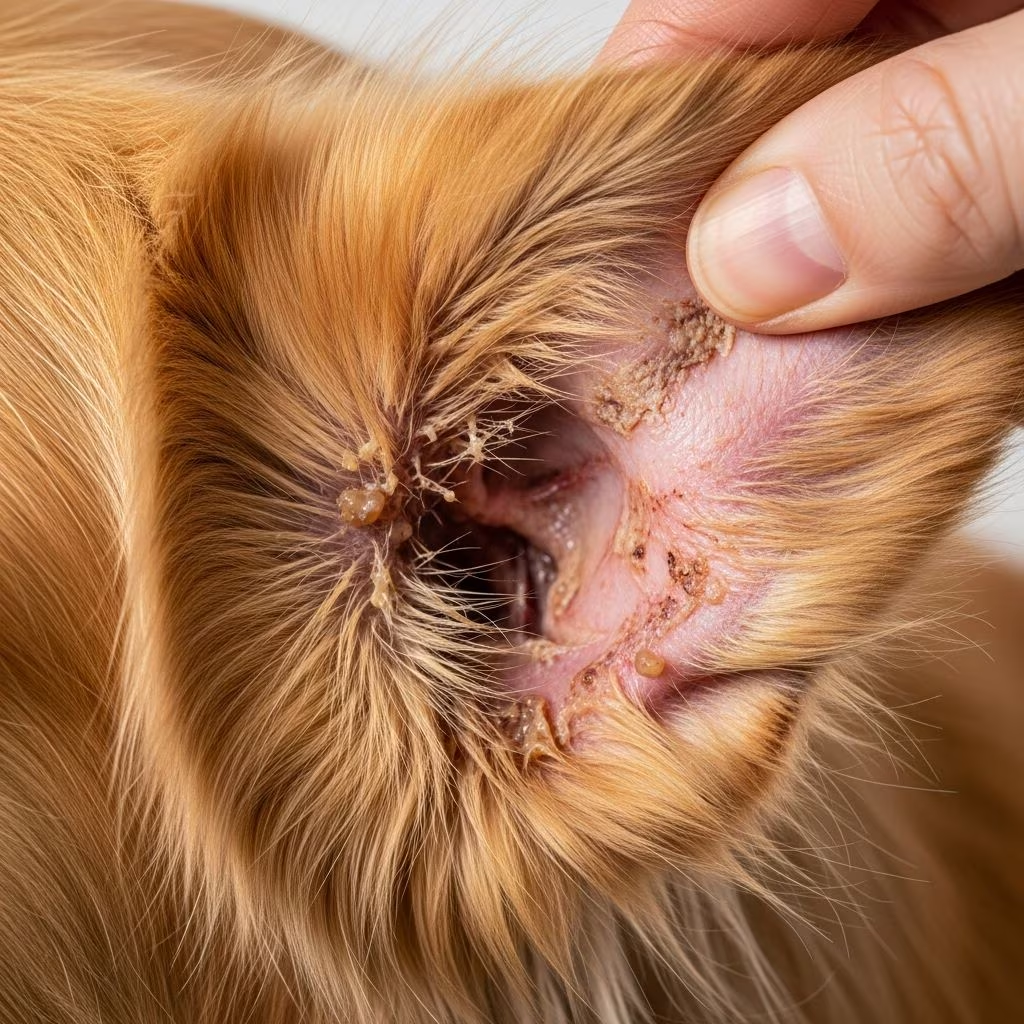
Yeast infections in a dog’s ears, known as yeast otitis, represent a frequent yet treatable condition that causes significant discomfort. These infections arise when yeast overgrows in the warm, moist ear canal environment, leading to inflammation and secondary issues. Early detection through observable symptoms allows for prompt veterinary intervention, improving outcomes and preventing chronic problems.
Recognizing the Early Warning Signs
Owners often notice behavioral changes first when a yeast infection develops. Dogs may exhibit excessive head shaking or tilting, as the irritation prompts attempts to dislodge debris. Persistent scratching at the ears can lead to self-inflicted wounds, worsening the condition.12
- Intense itching that causes rubbing against furniture or the floor
- Frequent head shaking, sometimes resulting in ear flap hematomas
- Sensitivity to touch, with dogs pulling away or showing pain
Visual inspection reveals distinct physical alterations. The ear canal skin turns red and inflamed, often developing a rough, thickened texture resembling cobblestones or orange peel. In advanced stages, the canal narrows, trapping more moisture and debris.2
Characteristic Discharge and Odors
One of the most telling indicators is the presence of abnormal discharge. Yeast infections produce a thick, waxy buildup ranging from brown to gray, often greasy in consistency. This material contrasts with bacterial infections, which may yield pus, or mites, producing coffee-ground-like flakes.12
| Symptom | Yeast Infection Appearance | Comparison to Other Causes |
|---|---|---|
| Discharge | Brown/gray, waxy, greasy | Bacterial: pus-like; Mites: dark, flaky |
| Odor | Musty or corn chip-like | Bacterial: foul; Healthy: none |
| Skin Texture | Thickened, cobblestone | Allergies: smooth redness |
A distinctive musty smell emanates from affected ears, frequently described as resembling Fritos or stale bread. This odor stems from yeast proliferation and becomes more pronounced with accumulated debris.23
Root Causes Behind Yeast Overgrowth
Yeast, particularly Malassezia species, naturally resides in a dog’s ear canal in small numbers. Overgrowth occurs when conditions favor proliferation, such as excess moisture from swimming or humid climates. Breeds with floppy ears, like Cocker Spaniels or Basset Hounds, face higher risks due to poor ventilation.1
Underlying health factors play a critical role. Allergies, both environmental and food-related, compromise skin barriers, allowing yeast to thrive. Hypothyroidism or immune disorders further predispose dogs by altering the ear’s microbial balance.2
- Excessive ear wax production
- Recent antibiotic use disrupting normal flora
- Chronic inflammation from untreated issues
Diagnostic Process at the Vet
Veterinarians begin with a thorough physical exam, using an otoscope to visualize the canal. Swollen, narrowed passages may require sedation for clear views. Cytology involves swabbing debris, staining it, and microscopic examination to confirm yeast presence via characteristic shapes like budding cells.12
For recurrent cases, culture and sensitivity tests identify specific yeast strains and effective medications. This step ensures targeted therapy, avoiding trial-and-error approaches.2
Comprehensive Treatment Strategies
Treatment combines cleaning, medications, and addressing predispositions. Initial steps focus on removing debris to enhance medication penetration. Vets prescribe gentle cleansers applied before drops.13
Topical antifungals form the cornerstone, including azoles like miconazole or ketoconazole, alongside steroids like betamethasone to reduce swelling. Products like Mometamax or Otomax deliver multi-action relief.2
- Ear cleaning: Daily with vet-recommended solutions
- Antifungal drops: Applied 7-14 days or longer
- Anti-inflammatories: Topical or short oral courses
For severe, chronic infections, advanced options include long-acting injections like FDA-approved DuOtic, containing terbinafine and betamethasone. This single-dose treatment combats yeast for up to 45 days without antibiotics, ideal for yeast-only cases.4
Surgical Interventions for Persistent Cases
When medical management fails, surgery may reshape the ear canal. Lateral ear resection widens the opening for better airflow, while total ear canal ablation removes diseased tissue in extreme scenarios. These procedures suit dogs with hyperplasia or stenosis.1
Step-by-Step Home Care Guide
- Gather supplies: Vet-prescribed cleaner and drops, cotton balls (no Q-tips).
- Clean gently: Fill canal, massage base, let shake out excess.
- Apply medication: Follow dosage, avoid overfilling.
- Monitor progress: Note reduced symptoms within days.
Consistency prevents resistance and recurrence. Complete full courses even if improvement appears early.15
Preventive Measures for Long-Term Ear Health
Proactive routines minimize risks. Dry ears thoroughly after baths or swims. Weekly cleaning suits prone breeds. Diet adjustments for allergies, omega-3 supplements, and regular vet check-ups maintain balance.12
- Avoid water trapped in ears during play
- Manage allergies with hypoallergenic foods
- Trim hair in ear canals for pendulous breeds
Common Breeds at Higher Risk
Certain genetics increase susceptibility. Long-eared breeds retain moisture, while those with skin folds harbor yeast.
| Breed | Risk Factor |
|---|---|
| Cocker Spaniel | Floppy ears, allergies |
| Basset Hound | Deep canals |
| Labrador Retriever | Water-loving, moisture |
| Golden Retriever | Allergies, ear shape |
When to Seek Immediate Veterinary Help
Rush to the vet if symptoms escalate: balance loss, head tilting severely, or blood in discharge signals deeper issues like middle ear involvement. Untreated infections calcify canals, complicating future care.2
Frequently Asked Questions
Can yeast ear infections resolve without treatment?
No, they typically worsen without intervention, leading to pain and complications.1
How long does treatment last?
Usually 7-30 days, with follow-ups for chronic cases.2
Are home remedies safe?
Avoid unguided remedies; they may irritate or mask issues. Consult vets first.6
Will my dog need lifelong medication?
Only if underlying conditions persist; prevention often suffices.1
Can diet influence ear infections?
Yes, allergy-triggering foods promote yeast; hydrolyzed diets help.2
Monitoring Recovery and Follow-Up
Track daily: less odor, no scratching indicates success. Re-check cytology ensures clearance. Lifestyle tweaks prevent rebounds, ensuring your dog’s comfort year-round.
References
- How to treat and prevent yeast ear infections in dogs — Vetster. 2023. https://vetster.com/en/wellness/how-to-treat-and-prevent-yeast-ear-infections-in-dogs
- Dog Ear Yeast Infection: Symptoms, Treatment, Prevention — ToeGrips. 2023. https://toegrips.com/dog-ear-yeast-infection/
- Yeast Infection in Dog Ears, Skin, and Paws — PetMD. 2023. https://www.petmd.com/dog/conditions/skin/yeast-infections-dogs
- FDA Approves Treatment for Yeast Ear Infections in Dogs — U.S. Food and Drug Administration. 2023-05-01. https://www.fda.gov/animal-veterinary/cvm-updates/fda-approves-treatment-yeast-ear-infections-dogs
- How to Get Rid of a Yeast Infection in Your Dog’s Ear — Gentle Dr Animal Hospital. 2024-07-15. https://www.gentledranimalhospital.com/site/blog/2024/07/15/yeast-infection-in-dog-ear



