

Understanding Dog Ear Problems: A Comprehensive Guide
Dog ear problems are among the most common health issues veterinarians encounter in clinical practice. Whether caused by infections, parasites, allergies, or foreign objects, ear conditions can significantly impact your dog’s quality of life and comfort. Understanding the signs, causes, and available treatments empowers pet owners to seek timely veterinary care and prevent serious complications. This guide provides detailed information about dog ear problems to help you recognize when your dog needs medical attention and what to expect during treatment.
Common Signs of Dog Ear Problems
Recognizing the early signs of ear problems allows for prompt intervention and treatment. Dogs experiencing ear issues typically exhibit several distinctive behaviors and physical symptoms that warrant veterinary attention.
Behavioral signs include excessive scratching, pawing, or rubbing at the ears and head. Your dog may shake their head frequently, tilt it to one side, or rub their ears against furniture or the floor. Some dogs show reluctance to allow their ears to be touched or may display aggression if the affected area is disturbed due to pain or discomfort.
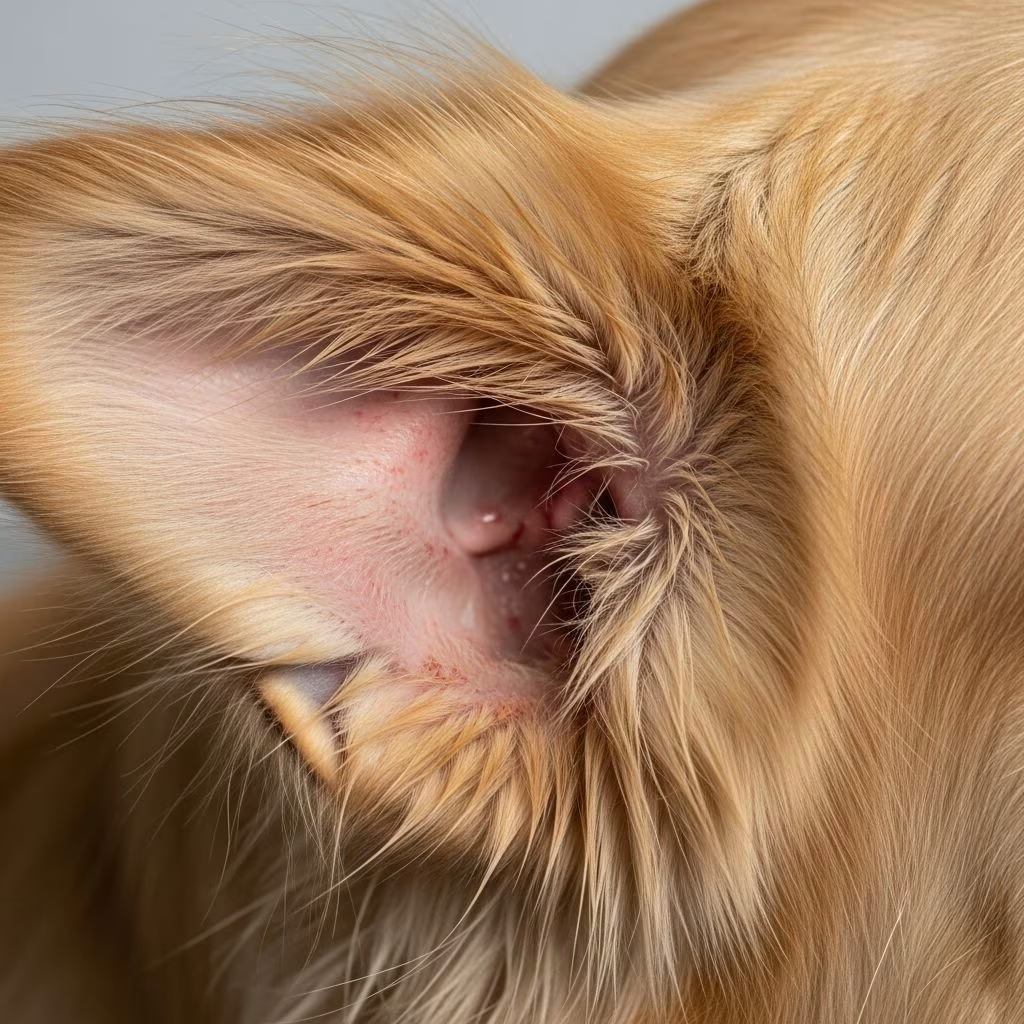
Physical signs visible in and around the ear include redness or swelling of the ear canal and earflap. You may notice discharge that ranges in color from brown to yellow or bloody, depending on the underlying cause. A foul or distinctive odor emanating from the ears is another common indicator. Some dogs develop crusts or scabs just inside the ear canal, and in severe cases, you might observe a collection of debris or foreign material.
In more advanced cases, ear infections can progress to affect the middle or inner ear, leading to additional symptoms such as hearing loss, loss of coordination or balance, unusual eye movements, or the dog walking in circles. These signs suggest a more serious infection requiring immediate veterinary care.
Common Causes of Dog Ear Problems
Understanding what causes ear problems helps owners implement preventative measures and better comprehend treatment recommendations from their veterinarian.
Bacterial Infections
Bacterial ear infections, medically known as otitis externa, represent one of the most frequently diagnosed ear conditions in dogs. These infections typically develop through a multi-step process. Initially, a dog’s ears become irritated or inflamed due to outside causes such as allergies, excessive moisture, or parasites. This inflammation compromises the ear’s protective skin barrier. Once this barrier is damaged, naturally occurring bacteria on your dog’s skin take advantage of the compromised area and multiply rapidly, creating a secondary infection that intensifies inflammation and itching. This cycle can perpetuate itself if not interrupted with proper treatment.
Yeast Infections
Yeast ear infections occur when conditions in the ear canal become favorable for yeast overgrowth. This commonly happens when water remains in the ears following bathing or swimming and is not thoroughly dried. Certain dog breeds are particularly susceptible to yeast infections due to their anatomy. Breeds with floppy ears, such as Basset Hounds, Beagles, and Cocker Spaniels, tend to trap moisture within their ear canals. Similarly, bulldog breeds and dogs with excessive hair growth in their ear canals are prone to moisture accumulation and subsequent yeast infections.
Ear Mites
Ear mites, scientifically known as Otodectes cynotis, are tiny parasites that infest the ear canal and cause intense itching. These parasites are highly contagious between dogs and can spread through direct contact. When examining a dog with ear mites, distinctive signs include brown or black waxy secretions that resemble coffee grounds deep within the ear canal. The itching caused by mites often leads to secondary bacterial or yeast infections as the dog’s scratching creates entry points for microorganisms.
Allergies
Allergies represent the most common underlying cause of ear infections in dogs. Both food allergies and environmental allergies can trigger inflammation of the ear canal, disrupting the protective skin barrier and creating conditions conducive to bacterial and yeast overgrowth. Dogs with allergies may experience recurrent ear infections throughout their lives, making allergy management crucial for ear health.
Foreign Objects
Dogs, particularly those who enjoy outdoor activities, may get foreign objects lodged in their ears. Grass seeds are among the most common culprits, especially during summer months when dogs play in tall grass. These seeds have sharp tips that can pierce the delicate ear tissue and become embedded in the canal, causing irritation, inflammation, and potentially bleeding. Other foreign materials such as dirt, foxtails, or plant material can similarly cause problems.
Other Causes
Additional factors contributing to ear problems include ear mite infestations, aural hematomas (blood blisters inside the earflap), autoimmune conditions, and in rare cases, tumors or polyps. Certain dog breeds with anatomical predispositions, such as those with long ear canals or floppy ears, naturally have higher infection rates.
Risk Factors for Developing Ear Problems
Several factors increase a dog’s susceptibility to ear infections and other ear problems. Breed characteristics play a significant role; dogs with long or floppy ears, narrow ear canals, or excessive hair growth in their ears face higher risks. Environmental factors matter too—dogs that frequently swim or bathe and whose ears aren’t properly dried afterward are more prone to infections. Dogs with untreated allergies, whether food-related or environmental, experience higher incidence of ear problems. Additionally, dogs living in humid climates or those with compromised immune systems face increased risk.
Diagnosis of Dog Ear Problems
Veterinarians employ several diagnostic methods to identify the cause of ear problems accurately. A thorough physical examination begins with visual inspection of the external ear and canal using an otoscope, a specialized instrument that allows visualization of the ear’s interior. Your veterinarian will assess the degree of inflammation, the nature of any discharge, and the overall condition of the ear canal.
Microscopic examination of ear debris provides crucial diagnostic information. Your veterinarian collects a sample from the affected ear using a swab and examines it under a microscope to identify whether bacteria, yeast, mites, or other organisms are present. This determines the specific nature of the infection and guides treatment selection.
In some cases, bacterial or fungal cultures may be performed to identify the specific organism and determine appropriate antibiotic or antifungal therapy, particularly for stubborn or recurrent infections. Your veterinarian may also take a detailed history of your dog’s symptoms, previous infections, and any underlying health conditions to determine root causes and develop comprehensive treatment plans.
Treatment Options for Dog Ear Problems
Treatment approaches vary depending on the underlying cause and severity of the ear problem. Effective management typically involves multiple components working together to resolve the infection and prevent recurrence.
Professional Ear Cleaning
Veterinary ear cleaning removes accumulated debris, discharge, and excessive wax that harbor bacteria and yeast. This cleaning facilitates better penetration of topical medications and helps restore normal ear canal conditions. Your veterinarian may recommend ear cleaning several times weekly, particularly during initial treatment phases.
Topical Medications
Medicated ear drops are the primary treatment for most dog ear infections. These formulations are specifically designed to address the underlying problem while reducing inflammation and managing pain. Common prescription medications include antimicrobial drops to combat bacterial infections, antifungal preparations for yeast overgrowth, and anti-inflammatory agents to reduce pain and swelling. Your veterinarian will recommend the most appropriate medication based on diagnostic findings.
Oral Medications
In severe cases affecting the middle or inner ear, or when topical treatments prove insufficient, veterinarians may prescribe oral antibiotics and anti-inflammatory medications. These systemic treatments address infections that have progressed beyond the external ear canal and help manage pain and inflammation.
Foreign Object Removal
When foreign objects like grass seeds lodge in the ear canal, removal is essential. Your veterinarian may attempt flushing the ear to dislodge the object or may need to remove it surgically while the dog is sedated or under general anesthesia. Post-removal treatment typically includes pain relief medication and antibiotics to prevent secondary infection.
Allergy Management
For dogs with allergies causing ear problems, comprehensive allergy management is crucial for long-term ear health. This may involve dietary changes, environmental modifications, allergy medications, or immunotherapy depending on the specific allergen and individual dog circumstances.
Home Care and Prevention
Maintaining your dog’s ear health involves regular inspection and proper cleaning techniques. After bathing or swimming, thoroughly dry your dog’s ears using a clean towel or cotton ball inserted gently into the ear canal. Avoid pushing too deeply into the ear. For dogs with hairy ear canals, regular grooming to remove excess hair promotes better air circulation and reduces moisture accumulation.
If your veterinarian recommends home ear cleaning between professional visits, use only vet-approved cleaners and follow their specific instructions carefully. Improper cleaning technique can damage delicate ear structures. Keep your dog’s ears dry, especially during humid seasons or after water exposure. For dogs prone to ear problems, preventative ear cleaning during maintenance intervals may be recommended by your veterinarian.
Complications of Untreated Ear Problems
Delaying treatment for ear infections can result in serious complications. An untreated outer ear infection may progress to the middle ear (otitis media) and inner ear (otitis interna), creating much more serious health situations. Inner ear infections can cause vestibular disease, characterized by dizziness, loss of balance, head tilt, nausea, and disorientation. These infections can lead to permanent hearing loss, facial paralysis, and eye ulcers in severe cases. Some dogs develop ruptured eardrums, which compromise hearing and create additional infection risks. These complications emphasize the importance of seeking prompt veterinary care at the first signs of ear problems.
When to Seek Veterinary Care
Contact your veterinarian if your dog exhibits any signs of ear problems. Early intervention prevents complications and typically results in faster resolution. Seek immediate attention if your dog shows signs of inner ear involvement such as loss of balance, head tilting, circling behavior, or unusual eye movements, as these indicate serious infection requiring urgent treatment.
Frequently Asked Questions About Dog Ear Problems
Q: How often should I clean my dog’s ears at home?
A: Cleaning frequency depends on your individual dog’s needs and susceptibility to ear problems. Dogs prone to infections may benefit from weekly cleaning, while others may only need monthly maintenance. Your veterinarian can recommend the appropriate schedule for your dog.
Q: Can I use over-the-counter ear drops for my dog’s ear infection?
A: It’s best to consult your veterinarian before using any ear products. Prescription medications are formulated specifically for your dog’s diagnosed condition and are more effective than over-the-counter alternatives. Using inappropriate products may delay proper treatment and allow infections to worsen.
Q: Are certain dog breeds more prone to ear infections?
A: Yes, breeds with floppy ears, long ear canals, or excessive ear hair are more susceptible to infections. This includes Basset Hounds, Cocker Spaniels, Poodles, and Bulldogs. However, any dog can develop ear problems regardless of breed.
Q: How long does it take for an ear infection to heal?
A: Most uncomplicated ear infections respond to treatment within one to two weeks. However, some infections may require longer treatment periods, and chronic or recurrent infections may need ongoing management strategies.
Q: Can ear problems be prevented?
A: While you cannot always prevent ear problems, particularly in genetically susceptible dogs, you can reduce risk by keeping ears dry, maintaining regular grooming, managing allergies, and scheduling regular veterinary check-ups for early problem detection.
Q: What should I do if my dog won’t let me touch their ears?
A: Ear problems can be painful, causing sensitivity. If your dog resists ear handling, they likely need veterinary attention. Your veterinarian can examine and treat the problem while using appropriate pain management to make the process more comfortable.
References
- How to Tell if Your Dog Has an Ear Infection — GoodRx Pet Health. 2024. https://www.goodrx.com/pet-health/dog/how-to-tell-if-dog-has-ear-infection
- The Common Causes of Ear Problems in Dogs — Calder Vets. 2024. https://www.caldervets.co.uk/pet-help-advice/dogs/ear-conditions-dogs/
- Ear Problems in Dogs — People’s Dispensary for Sick Animals (PDSA). 2024. https://www.pdsa.org.uk/pet-help-and-advice/pet-health-hub/symptoms/ear-problems-in-dogs
- 6 Common Ear Problems in Dogs: How To Identify, Diagnose, and Treat — PetMD. 2024. https://www.petmd.com/dog/general-health/common-ear-problems-dogs-how-to-identify-diagnose-treat
- Dog Ear Infections: Symptoms, Causes, Treatment, and Prevention — American Kennel Club. 2024. https://www.akc.org/expert-advice/health/dog-ear-infections/
- Causes, Signs, and Symptoms of Ear Infections in Dogs — Virbac. 2024. https://us.virbac.com/home/dog/ear-health/dog-ear-infections-1/causes-signs-and-symptoms-of-ear.html
- Ear Infection in Dogs – Causes, Treatment & Prevention — Pet Doctors of America. 2023-07-17. https://www.petdoctorsofamerica.com/site/blog/2023/07/17/dog-ear-infection



