

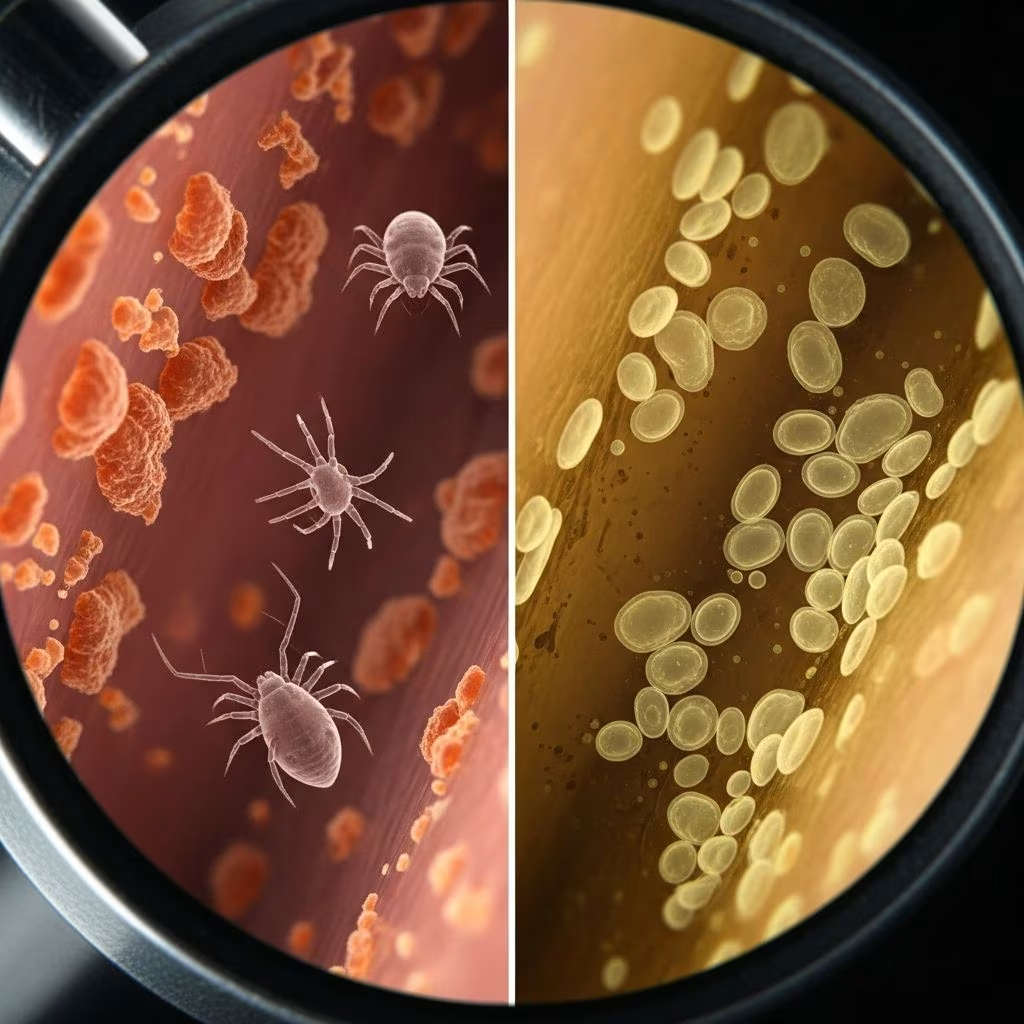
Distinguishing between ear mites and yeast infections in dogs is crucial for effective treatment, as both cause discomfort but require different approaches. Ear mites are parasitic infestations leading to dark, crumbly discharge, while yeast infections involve fungal overgrowth with greasy, waxy buildup.
Understanding Canine Ear Anatomy
Dogs’ ears, especially in breeds with floppy ears, create warm, moist environments ideal for parasites and microbes. The ear canal’s L-shaped structure traps debris, making infections common. Vertical canals in upright ears allow better drainage, reducing risks compared to droopy-eared breeds like Cocker Spaniels.
Common Causes of Ear Problems in Dogs
Ear issues stem from parasites, bacteria, yeast, or allergies. Ear mites (Otodectes cynotis) are highly contagious parasites thriving in ear canals. Yeast (Malassezia) overgrows due to moisture, allergies, or poor ventilation, often secondary to other problems.
Recognizing Ear Mite Infestations
Ear mites provoke intense irritation, prompting dogs to shake heads vigorously or scratch ears raw. Key signs include:
- Dark brown or black, coffee-ground-like discharge
- Red, inflamed ear canals
- Hair loss around ears and eyes
- Foul odor from debris buildup
- Sensitivity causing yelps when touched
Both ears are typically affected, and mites spread easily to other pets. Untreated, they cause secondary bacterial infections or hearing damage.
Spotting Yeast Overgrowth in Ears
Yeast infections produce a thicker, yellowish-brown, waxy discharge with a musty smell. Symptoms overlap with mites but include:
- Greasy, sticky ear wax
- Mild to moderate itching
- Crusty skin at ear edges
- Persistent odor despite cleaning
Common in humid climates or allergic dogs, yeast thrives post-swimming or from diet sensitivities.
Visual Comparison: Mites vs. Yeast
| Feature | Ear Mites | Yeast Infection |
|---|---|---|
| Discharge Appearance | Dark, crumbly, coffee grounds | Yellowish-brown, waxy, greasy |
| Odor | Strong, pungent | Musty, yeasty |
| Itch Intensity | Severe, frantic scratching | Moderate, persistent rubbing |
| Common in | Both ears, young dogs, multi-pet homes | Floppy ears, allergic dogs |
| Contagious? | Yes, to other pets | No |
This table highlights diagnostic clues; vet confirmation via microscopy is essential.
How Veterinarians Diagnose Ear Conditions
Diagnosis starts with ear swab cytology under microscope, revealing mites’ movement or yeast rods/buds. Bacterial cultures may follow for mixed infections. Otoscopy visualizes canal inflammation. Home checks help but can’t replace professional exams.
Treatment Strategies for Ear Mites
Treatment combines cleaning and parasiticide. Steps include:
- Clean ears daily with vet-approved cleansers like Epi-Otic Advanced to remove debris.
- Apply topical preventatives (e.g., Bravecto, Advantage Multi) between shoulder blades; one dose often suffices.
- Treat household pets simultaneously due to contagion.
- Use ointments like Animax for secondary infections.
Relief begins in 1-2 days; full clearance takes 30 days. Follow-up cytology confirms success. Avoid OTC remedies, as they’re less effective and slower.
Managing Yeast Infections Effectively
Yeast requires antifungal agents plus cleaning. Protocols involve:
- Antimicrobial flushes (e.g., TrizULTRA + Keto) daily.
- Topical antifungals or compounded drops for 2-4 weeks.
- Addressing allergies with hypoallergenic diets or meds.
- Steroids for inflammation if needed.
Recheck ears biweekly to prevent chronicity.
Prevention Tips for Healthy Ears
Maintain ear health through:
- Weekly cleaning with gentle solutions.
- Drying ears after baths/swims.
- Parasite preventatives year-round.
- Balanced diets minimizing carbs for yeast control.
- Breed-specific grooming for floppy ears.
Early detection via routine checks averts complications.
When to Seek Urgent Vet Care
Rush to vet if you see head tilting, balance loss, foul discharge, or non-stop scratching. Delays risk aural hematomas or deafness. Puppies and seniors need prompt attention.
Home Care Best Practices
Never use hydrogen peroxide or cotton swabs deeply. Massage cleanser gently, let shake out excess. Monitor for improvement post-treatment.
Frequently Asked Questions (FAQs)
Can humans get ear mites from dogs?
No, ear mites are species-specific to dogs and cats.
How long do ear mite treatments take?
Typically 7-30 days with proper adherence.
Are over-the-counter ear mite products safe?
They’re less reliable; consult vet for prescriptions.
Do yeast infections spread between dogs?
No, but shared environments exacerbate risks.
Can diet influence ear yeast issues?
Yes, reducing sugars helps limit yeast growth.
Long-Term Ear Health Monitoring
Schedule biannual vet ear exams, especially for prone breeds. Track symptoms in a journal for patterns. Consistent preventatives ensure mite-free homes.
References
- How Do I Know If My Dog Has Ear Mites? — Brekke Veterinary Clinic. 2023. https://www.brekkevet.com/blog/how-do-i-know-if-my-dog-has-ear-mites.html
- Ear Mites in Dogs: What Are They and How Do You Treat Them? — PetMD. 2024-01-15. https://www.petmd.com/dog/conditions/infectious-parasitic/ear-mites-dogs-what-are-they-and-how-do-you-treat-them
- Ear Mites in Dogs: Appearance, Symptoms & Treatments — GoodRx. 2024. https://www.goodrx.com/pet-health/dog/ear-mites-in-dogs
- What are Dog Ear Mites? — Veterinary Emergency Group. 2023. https://www.veg.com/post/what-are-dog-ear-mites
- Ear Mites in Dogs — Blue Cross. 2024. https://www.bluecross.org.uk/advice/dog/health-and-injuries/ear-mites-in-dogs



