

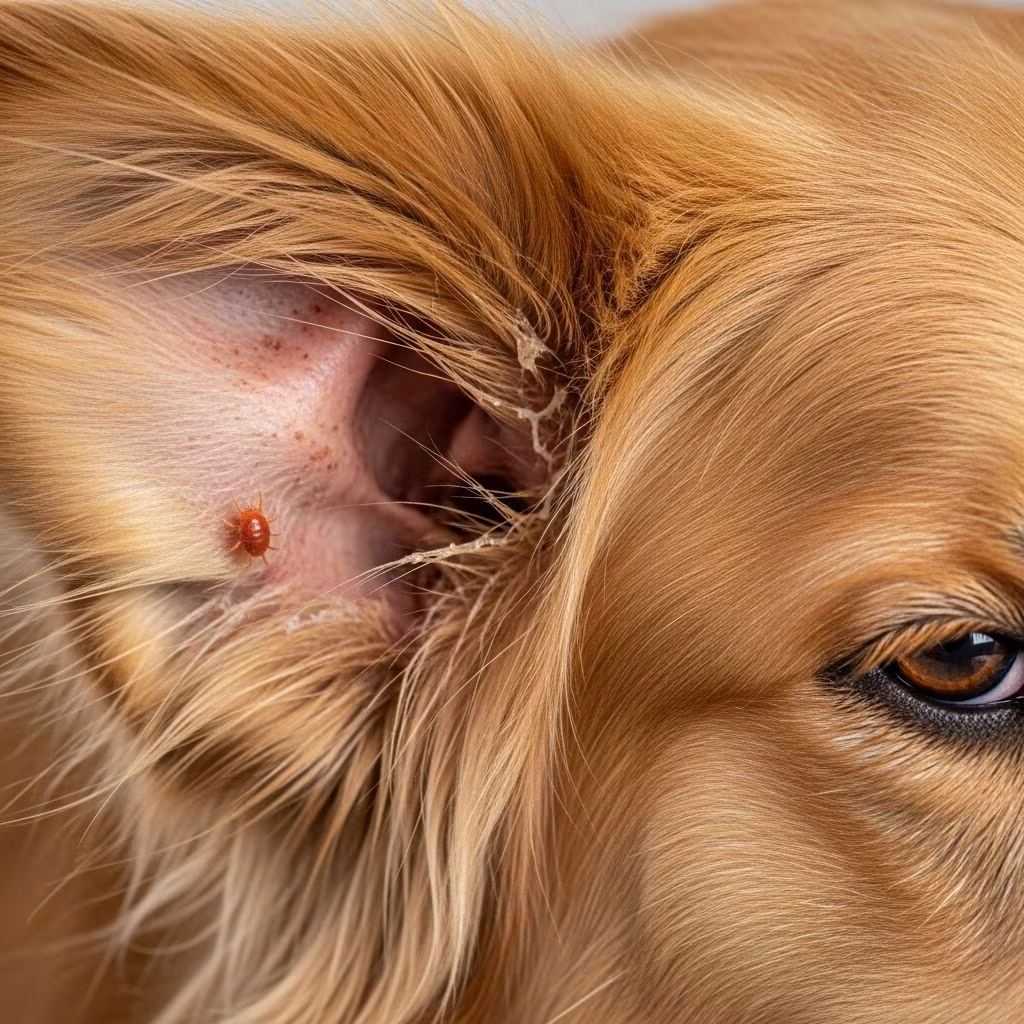
Persistent ear scratching in dogs signals underlying issues that require prompt attention to prevent complications. Understanding the root causes allows pet owners to seek appropriate veterinary care and implement preventive measures effectively.
Recognizing Signs of Ear Discomfort in Dogs
Dogs communicate discomfort through specific behaviors. Frequent **head shaking**, **pawing at the ears**, or **rubbing against furniture** often indicate irritation. Additional symptoms include **redness**, **swelling**, **dark discharge resembling coffee grounds**, **foul odor**, or **sensitivity to touch**. These signs affect dogs of all ages, but puppies and breeds with floppy ears like Spaniels or Basset Hounds face higher risks due to poor ventilation in ear canals.
- Observe for bilateral symptoms, common in allergies, versus unilateral issues suggesting foreign objects or mites.
- Note if scratching worsens after swimming or in humid environments, pointing to moisture-related problems.
- Monitor for balance issues or head tilting, which may signal deeper infections affecting the inner ear.
Primary Culprits Behind Itchy Ears
Multiple factors contribute to ear itching, often overlapping. Infections frequently develop secondary to initial irritants like allergies or parasites.
Parasitic Infestations: Ear Mites
**Ear mites** (Otodectes cynotis) thrive in ear canals, feeding on wax and oils, causing intense itching especially in puppies and multi-pet households. Highly contagious, they produce crumbly, dark debris and require household-wide treatment.
Microbial Overgrowth: Bacterial and Yeast Infections
Warm, moist ear environments foster **bacterial** and **yeast** (Malassezia) infections, leading to redness, discharge, and odor. These often follow allergies or water exposure, exacerbated in floppy-eared breeds.
Allergic Reactions Triggering Inflammation
**Allergies** to pollen, dust, food proteins, or fleas cause chronic inflammation, making ears prone to secondary infections. Environmental triggers are seasonal, while food allergies persist year-round.
Other Irritants: Foreign Objects and Hygiene Issues
Grass seeds, foxtails, or excessive wax buildup irritate canals. Breeds with hairy ears accumulate debris, promoting poor hygiene.
| Cause | Key Symptoms | Common in |
|---|---|---|
| Ear Mites | Dark, crumbly discharge; intense scratching | Puppies, outdoor dogs |
| Bacterial/Yeast Infection | Foul smell, swelling, pus | Floppy-eared breeds |
| Allergies | Redness, recurrent both ears | All breeds, seasonal |
| Foreign Bodies | Sudden onset, one ear | Active, grassy areas |
Step-by-Step Veterinary Diagnosis Process
Professional evaluation starts with a thorough **otoscopic exam** to visualize canals and check eardrums for rupture. Veterinarians collect debris via **swabs** for microscopic analysis, identifying mites, bacteria, yeast, or inflammatory cells. Sedation may be needed for painful cases. Allergy testing via skin or blood samples follows if infections are ruled out.
- Physical examination and history review.
- Otoscope inspection and swab cytology.
- Culture tests for resistant infections.
- Allergy or dietary trials if chronic.
Tailored Treatment Strategies
Treatments target diagnosed causes after thorough cleaning to remove debris, ensuring medications penetrate effectively.
Addressing Infections
**Topical therapies** dominate, combining antibacterials, antifungals, and steroids (e.g., Animax®) applied post-cleaning twice daily for 7-14 days. Oral antibiotics or antifungals treat severe cases; avoid topicals if eardrums are ruptured.
Eliminating Ear Mites
Clean with antimicrobial solutions like Epi-Otic® or TrizULTRA™+ Keto Flush, followed by acaricidal drops. Treat all household pets and use year-round preventives.
Managing Allergies
**Anti-itch options** include oclacitinib (Apoquel®), cyclosporine (Atopica®), short-term steroids (prednisone), or antihistamines (cetirizine). Flea preventives are essential. Hypoallergenic diets or immunotherapy address root triggers.
Handling Foreign Bodies
Vets flush or use forceps under sedation to remove debris.
Essential Home Care Practices
Support vet treatments with diligent routines to accelerate healing and prevent recurrence.
- Cleaning Protocol: Use vet-approved cleaners; fill canal, massage base, let shake out, wipe gently (no cotton swabs). Frequency: weekly for prone dogs.
- Drying After Exposure: Thoroughly dry ears post-swim or bath to combat moisture.
- Flea Control: Monthly topicals or orals year-round.
- Dietary Adjustments: Switch to hypoallergenic formulas under guidance.
Avoid home remedies like vinegar or oils without vet approval, as they may worsen inflammation.
Preventive Measures for Long-Term Ear Health
Proactive steps reduce risks significantly, especially for susceptible breeds.
- Regular grooming: Trim ear hair, inspect after walks.
- Balanced nutrition supporting skin/immune health.
- Consistent parasite prevention.
- Monitor during allergy seasons; early intervention curbs infections.
When to Seek Immediate Veterinary Help
Rush to the vet if symptoms include **blood in discharge**, **severe pain**, **neurological signs** (circling, incoordination), or **no improvement after 48 hours** of home care. Untreated issues lead to chronic otitis or hearing loss.
Frequently Asked Questions (FAQs)
Can I clean my dog’s ears at home without a vet visit?
Yes, for maintenance with gentle cleaners, but consult a vet first for active issues to avoid harm.
How long do ear infection treatments take?
Typically 1-2 weeks, but full resolution may require 4-6 weeks for chronic cases.
Are ear mites dangerous?
Not usually, but secondary infections can cause significant damage if untreated; they’re highly contagious.
Do allergies always cause ear problems?
No, but ears are common sites due to skin barrier breakdown; paws and skin often affected too.
Is swimming safe for dogs with ear issues?
Avoid until cleared; use ear plugs or dry immediately if unavoidable.
References
- Causes Of Puppy Scratching Their Ears — VCA Animal Hospitals. 2023. https://vcahospitals.com/pediatric/puppy/health-wellness/puppy-scratching-ears
- Why is My Dog Scratching Its Ears? Common Causes and How to … — Parrish Veterinary Clinic. 2024. https://parrishvetclinic.com/blog/dog-scratching-its-ears/
- Ear Mites in Dogs: What Are They and How Do You Treat Them? — PetMD. 2024. https://www.petmd.com/dog/conditions/infectious-parasitic/ear-mites-dogs-what-are-they-and-how-do-you-treat-them
- Itchy ear problems — Cornell University College of Veterinary Medicine. 2023. https://www.vet.cornell.edu/departments-centers-and-institutes/riney-canine-health-center/canine-health-information/itchy-ear-problems
- Why has my dog got itchy ears? — Itch Pet. 2024. https://www.itchpet.com/blog/post/why-has-my-dog-got-itchy-ears



