Dog Ear Infections: Guide to Symptoms and Care
Discover how to spot, treat, and prevent common ear infections in dogs for a healthier, happier pet.
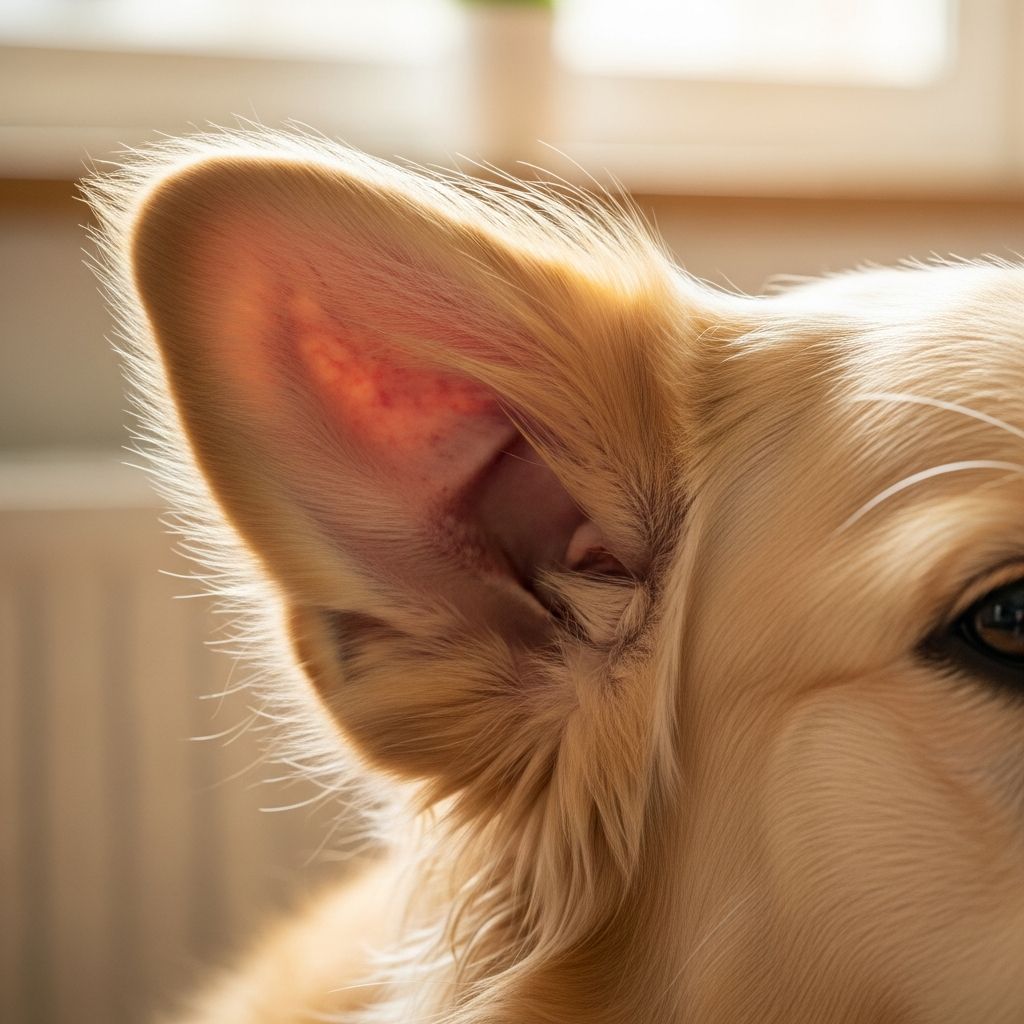
Ear infections represent one of the most frequent health challenges for dogs, often causing considerable discomfort if not managed promptly. These conditions, medically termed otitis, can affect the outer, middle, or inner ear, with the outer ear variant being the most prevalent. Recognizing early indicators and understanding contributing factors empowers pet owners to seek timely veterinary intervention, potentially averting chronic issues.
Recognizing the Signs of Ear Trouble in Dogs
Dogs afflicted with ear infections typically display a range of behavioral and physical cues. Frequent
head shaking
or tilting serves as a primary signal, as the pet attempts to dislodge irritants or alleviate pain. Owners may observeintense scratching
directed at the affected ear or rubbing the head against furniture, carpets, or the ground.Visual and olfactory changes further confirm suspicion. The ear canal often appears
red, swollen, or inflamed
, sometimes accompanied bycrusting or scabs
on the ear flap. Afoul odor
, reminiscent of yeast or corn chips, emanates from the ear, alongsidedark, waxy, or pus-like discharge
. In advanced cases,pain upon touch
elicits yelps, andaural hematomas
—swollen ear flaps from blood accumulation—may develop due to vigorous shaking.Less common but serious symptoms include
loss of balance, circling, or eye nystagmus
, indicating progression to middle or inner ear involvement (otitis media or interna), which risks permanent hearing loss or neurological deficits.- Head shaking or tilting
- Persistent scratching or rubbing
- Redness, swelling, or heat in the ear
- Bad smell or visible discharge
- Pain when handling the ear
- Behavioral shifts like lethargy or irritability
Primary Causes Behind Canine Ear Infections
Ear infections rarely arise in isolation; they stem from predisposing factors that disrupt the ear’s natural defenses.
Allergies
top the list, affecting approximately 50% of dogs with skin allergies and 80% with food sensitivities, leading to inflammation that invites microbial overgrowth. Environmental allergens like pollen or food triggers compromise the ear canal’s protective barrier.**Bacterial and yeast proliferation** exploits this vulnerability. Bacteria naturally reside on canine skin but multiply rapidly when irritation breaches the skin lining. Yeast thrives in moist environments, particularly post-swimming or bathing if ears remain damp.
Anatomical traits heighten susceptibility. Breeds with
floppy ears
(e.g., Basset Hounds, Cocker Spaniels) or narrow canals experience poor ventilation and moisture retention. Other triggers encompassforeign bodies
like grass awns,ear mites
,polyps
,endocrine disorders
(e.g., hypothyroidism),trauma
, and excessivewax buildup
.| Cause Category | Examples | At-Risk Breeds |
|---|---|---|
| Allergies | Food, environmental | All, esp. Labs, Bulldogs |
| Microbial | Bacteria, yeast | Floppy-eared breeds |
| Anatomy | Moisture-trapping ears | Bassets, Spaniels |
| Other | Mites, foreign objects | Hunting breeds |
Understanding the Types of Ear Infections
Canine ear infections classify into three types based on location.
Otitis externa
targets the external canal, manifesting in 90% of cases with visible inflammation and discharge.Otitis media
involves the middle ear, often secondary to untreated externa, causing deeper pain and potential eardrum rupture.Otitis interna
, the most severe, impacts the inner ear, leading to vestibular disturbances like ataxia or nystagmus, and demands extended therapy to prevent relapse.Progression from externa to interna underscores the urgency of early detection. Chronic cases may induce ear canal scarring, narrowing (stenosis), or calcification, complicating future treatments.
Professional Diagnosis: What to Expect at the Vet
Veterinarians employ a systematic approach to pinpoint infection type and cause. Initial
otoscopy
examines the canal using a magnifying tool, revealing debris, inflammation, or eardrum integrity.Cytology
involves swab sampling, staining, and microscopic analysis to identify bacteria, yeast, or mites. Culture and sensitivity tests guide antibiotic selection for resistant strains.Imaging like
video otoscopy
orCT scans
aids chronic or inner ear cases. Allergy testing or thyroid panels address underlying issues. Accurate diagnosis ensures targeted therapy, averting recurrence.Treatment Strategies for Effective Recovery
Treatment hinges on infection type and severity.
Topical medications
dominate for externa: prescription drops like Otomax, Mometamax, or Posatex combine antibiotics, antifungals, steroids, and cleaners to combat microbes and inflammation. Clean ears thoroughly first, massaging the base to distribute medication, typically for 7-14 days.Severe or inner ear infections necessitate
systemic drugs
: oral antibiotics (e.g., enrofloxacin, clindamycin) for 6-8 weeks or antifungals like itraconazole. Ear flushing under sedation removes debris in advanced cases. Surgery—such as total ear canal ablation—reserves for refractory chronic disease.Owners must complete full courses to prevent resistance. Monitor for improvement within days, but persistence warrants recheck.
Home Care Tips During Treatment
Support vet protocols with diligent home care. Use
vet-approved cleaners
2-3 times weekly to remove wax and inhibit growth, applying before drops and allowing 10 minutes dwell time. Avoid cotton swabs, which push debris deeper; opt for gentle wiping.Prevent self-trauma with
Elizabethan collars
. Keep ears dry post-bath or swim via low-heat blow-drying or cotton ball packing (removed promptly).Prevention: Keeping Ears Healthy Long-Term
Proactive measures slash recurrence risk.
Routine inspections
weekly check for wax or odor. Dry ears meticulously after water exposure. Manageallergies
through hypoallergenic diets, flea control, or immunotherapy.**Breed-specific vigilance** applies to floppy-eared dogs; trim canal hair if excessive. Annual vet ear exams during checkups catch subclinical issues. Avoid irritants like hydrogen peroxide cleaners.
- Weekly ear checks and gentle cleaning
- Thorough drying after swimming/bathing
- Allergy management and diet trials
- Flea/mite prevention year-round
- Regular veterinary wellness visits
Frequently Asked Questions (FAQs)
Can I treat my dog’s ear infection at home?
No, home remedies risk worsening the condition. Over-the-counter products may irritate without addressing root causes; always consult a vet for prescriptions.
How long do ear infection treatments take?
Most resolve in 1-2 weeks with drops, but inner ear cases require 2-4 months of oral meds to prevent relapse.
Are certain breeds more prone?
Yes, floppy-eared breeds like Cocker Spaniels and Bassets face higher risks due to poor airflow.
What if my dog keeps getting infections?
Recurrent cases signal underlying allergies, hypothyroidism, or anatomy issues needing specialized diagnostics.
Does swimming cause ear infections?
Water promotes yeast if not dried properly, especially in susceptible breeds.
Long-Term Outlook and When to Worry
With prompt care, most dogs recover fully without sequelae. Untreated infections foster chronic disease, pain, and complications like hearing loss or balance disorders. Owners noticing persistent symptoms post-treatment should return promptly. Holistic management—treating causes alongside symptoms—yields the best outcomes.
By staying vigilant, pet parents can safeguard their dogs’ ear health, ensuring active, pain-free lives.
References
- Ear Infection in Dogs: Symptoms and Treatment — GoodRX. 2024. https://www.goodrx.com/pet-health/dog/how-to-tell-if-dog-has-ear-infection
- Signs of Ear Infections in Dogs — PetNest Animal Hospital. 2024-08-02. https://petnestanimalhospital.com/2024/08/02/signs-of-ear-infections-in-dogs/
- Inner Ear Infection (Otitis Interna) in Dogs — VCA Animal Hospitals. 2024. https://vcahospitals.com/know-your-pet/inner-ear-infection-otitis-interna-in-dogs
- Dog Ear Infections: Symptoms, Causes, Treatment, and Prevention — American Kennel Club. 2024. https://www.akc.org/expert-advice/health/dog-ear-infections/
- Dog Ear Infections — PetMD. 2024. https://www.petmd.com/dog/conditions/dog-ear-infections
- Ear infections in dogs — PDSA. 2024. https://www.pdsa.org.uk/pet-help-and-advice/pet-health-hub/conditions/ear-infections-in-dogs
Similar Articles








Read full bio of medha deb