

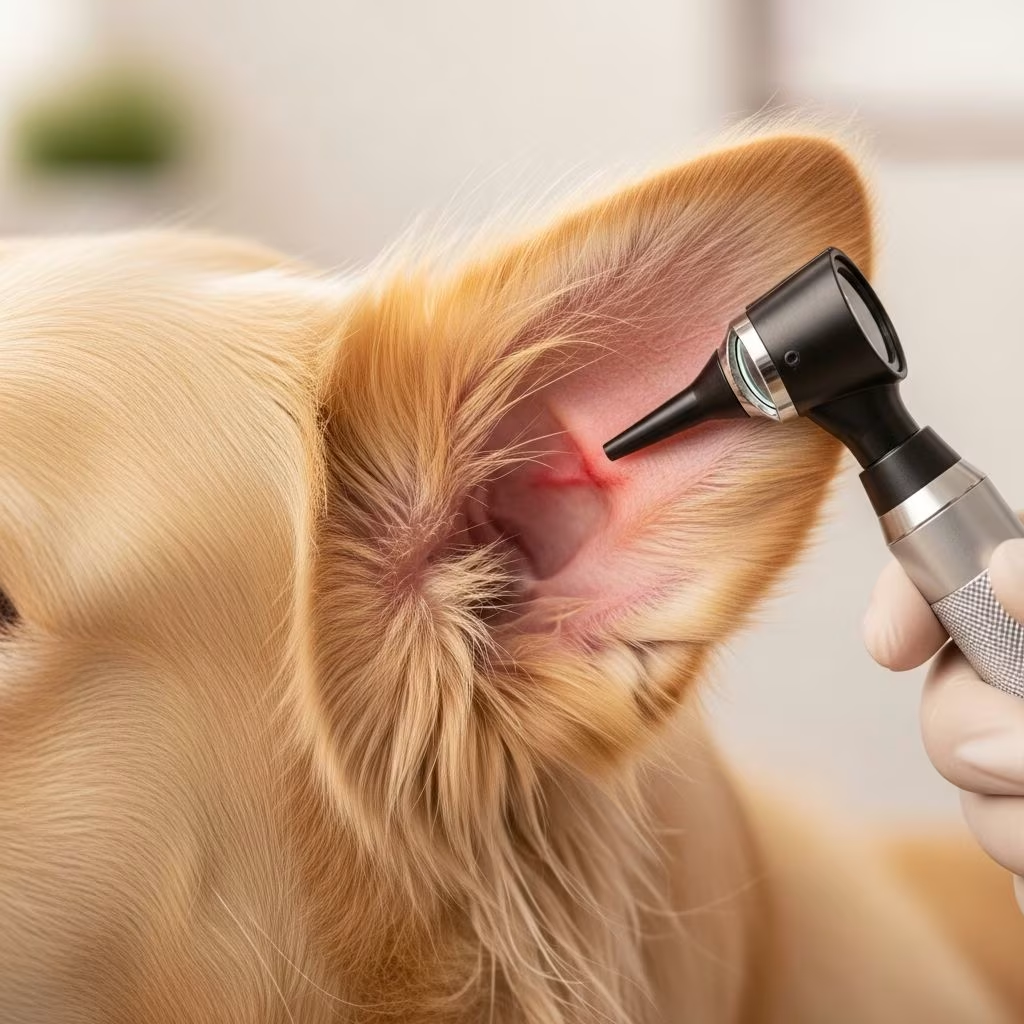
Ear infections represent one of the most prevalent health challenges for dogs, impacting their comfort and quality of life. These conditions, medically termed otitis, can range from mild irritations in the outer ear to severe inner ear complications that affect balance and hearing. Prompt recognition and intervention are crucial to prevent chronic issues or permanent damage.
Understanding the Anatomy of a Dog’s Ear
A dog’s ear consists of three main parts: the outer ear (pinna and canal), middle ear, and inner ear. The L-shaped vertical canal in dogs traps moisture and debris more easily than in humans, creating an ideal environment for infections. Otitis externa affects the external canal, otitis media the middle section, and otitis interna the innermost structures responsible for balance and hearing. Chronic outer infections can progress deeper if untreated, leading to serious complications.
Common Symptoms to Watch For
Dogs with ear infections often display clear behavioral changes. Key indicators include:
- Intense head shaking or tilting to one side
- Frequent scratching or rubbing ears against surfaces
- Visible redness, swelling, or heat in the ear canal
- Dark, waxy, or pus-like discharge with a foul, yeasty odor
- Sensitivity or pain when touching the ears
- Crusting, scabs, or ear flap swelling (aural hematoma)
Advanced cases may show balance loss, eye flickering (nystagmus), vomiting, or hearing impairment. These signs warrant immediate veterinary attention to avoid escalation.
Primary Causes Behind Ear Infections
Ear infections rarely occur in isolation; they stem from predisposing factors that disrupt the ear’s natural defenses. Primary causes directly damage the canal, while secondary infections like bacteria or yeast exploit the vulnerability.
Predisposing Factors
Breeds with floppy ears, such as Cocker Spaniels, Basset Hounds, or Bulldogs, face higher risks due to poor ventilation and moisture retention. Excessive ear hair or narrow canals in breeds like Schnauzers compound this. Water exposure from swimming or bathing, if not dried properly, fosters yeast growth.
Allergies and Skin Conditions
Allergies, particularly atopic dermatitis or food sensitivities, are the leading culprits, causing inflammation that breaks down protective barriers. Hypothyroidism or other endocrine disorders also contribute by altering skin health.
Infectious Agents
| Type | Description | Common Signs |
|---|---|---|
| Bacteria | Opportunistic overgrowth after irritation from allergies or trauma | Pus-filled discharge, intense inflammation |
| Yeast | Thrives in moist, warm environments; corn-chip smell | Thick brown discharge, chronic itching |
| Parasites | Ear mites (Otodectes cynotis) common in puppies | Dark, coffee-ground-like debris |
Foreign objects like grass seeds or polyps can initiate infections, while trauma from scratching worsens them.
Diagnosis: What to Expect at the Vet
Veterinarians start with a physical exam, using an otoscope to visualize the canal. Swollen canals may require sedation for thorough inspection. Cytology involves swabbing and microscopic analysis to identify bacteria, yeast, or mites. Bacterial cultures guide antibiotic selection, especially for resistant strains. Imaging like X-rays or CT scans detects middle/inner ear involvement or tumors.
Effective Treatment Strategies
Treatment targets infection, inflammation, and root causes. Topical therapies form the cornerstone for most cases.
- Ear Cleaners: Gentle solutions remove debris before medications; avoid over-cleaning at home.
- Topical Medications: Prescription drops combine antibiotics (e.g., enrofloxacin, cefpodoxime), antifungals (e.g., itraconazole), and steroids for swelling. Apply as directed, often twice daily for 7-14 days.
- Systemic Options: Oral antibiotics for 6-8 weeks in severe cases; anti-nausea drugs if balance is affected. Hospitalization with IV fluids may be needed for dehydration.
- Underlying Issue Management: Allergy testing leads to hypoallergenic diets, immunotherapy shots, or apoquel for itch control.
Chronic cases might require surgery like total ear canal ablation to reshape scarred canals.
Home Care Tips During Recovery
Support vet-prescribed treatments with careful home practices:
- Use only vet-approved cleaners; never cotton swabs, which push debris deeper.
- Prevent water entry during baths or swims with cotton balls coated in petroleum jelly.
- Prevent scratching with cone collars or soft booties.
- Monitor for improvement within 3-5 days; contact vet if worsening.
Avoid home remedies like vinegar or oil, as they can irritate or mask issues.
Prevention: Keeping Ears Healthy Long-Term
Proactive measures reduce recurrence:
- Dry ears thoroughly after water exposure.
- Perform weekly gentle cleanings with vet-recommended products.
- Manage allergies through diet trials or environmental controls.
- Regular vet check-ups for at-risk breeds.
- Control moisture in humid climates with routine drying.
Early intervention in mild scratching prevents escalation.
Breeds at Higher Risk and Special Considerations
Certain breeds are predisposed:
- Floppy-Eared: Spaniels, Hounds – poor airflow.
- Water Lovers: Labs, Retrievers – swimming risks.
- Hairy Canals: Poodles, Terriers – pluck hair under guidance.
Puppies need mite checks; seniors may have hypothyroidism links. Always tailor prevention to breed traits.
When to Seek Emergency Care
Rush to the vet if your dog shows:
- Head tilt with circling or falling
- Eye nystagmus or facial paralysis
- Refusal to eat due to nausea
- Deep, bloody discharge or no improvement after 48 hours of treatment
These signal inner ear involvement, risking permanent vestibular damage.
Frequently Asked Questions (FAQs)
Can I treat my dog’s ear infection at home?
No, self-treatment risks worsening the condition. Vets prescribe targeted therapies after diagnosis.
How long do ear infections take to heal?
Mild cases resolve in 1-2 weeks; severe or inner ear infections need 2-4 months of therapy.
Why does my dog’s ear smell like corn chips?
This indicates yeast overgrowth, common in moist ears.
Will ear infections cause permanent deafness?
Untreated inner ear infections can, but early treatment usually preserves hearing.
Are ear infections contagious to humans?
No, but mites can spread dog-to-dog.
By staying vigilant about symptoms and causes, dog owners can safeguard their pets from the pain and complications of ear infections. Consistent care and professional guidance ensure ears remain healthy.
References
- Inner Ear Infection (Otitis Interna) in Dogs — VCA Animal Hospitals. 2024. https://vcahospitals.com/know-your-pet/inner-ear-infection-otitis-interna-in-dogs
- Ear Infection in Dogs: Symptoms and Treatment — GoodRx. 2024. https://www.goodrx.com/pet-health/dog/how-to-tell-if-dog-has-ear-infection
- Ear infections in dogs — PDSA. 2024. https://www.pdsa.org.uk/pet-help-and-advice/pet-health-hub/conditions/ear-infections-in-dogs
- Dog Ear Infections: Symptoms, Causes, Treatment, and Prevention — American Kennel Club. 2024. https://www.akc.org/expert-advice/health/dog-ear-infections/
- Canine otitis externa — Treatment and complications — PMC – NIH. 2018-12-01. https://pmc.ncbi.nlm.nih.gov/articles/PMC6294027/
- Dog Ear Infections — PetMD. 2024. https://www.petmd.com/dog/conditions/dog-ear-infections



