

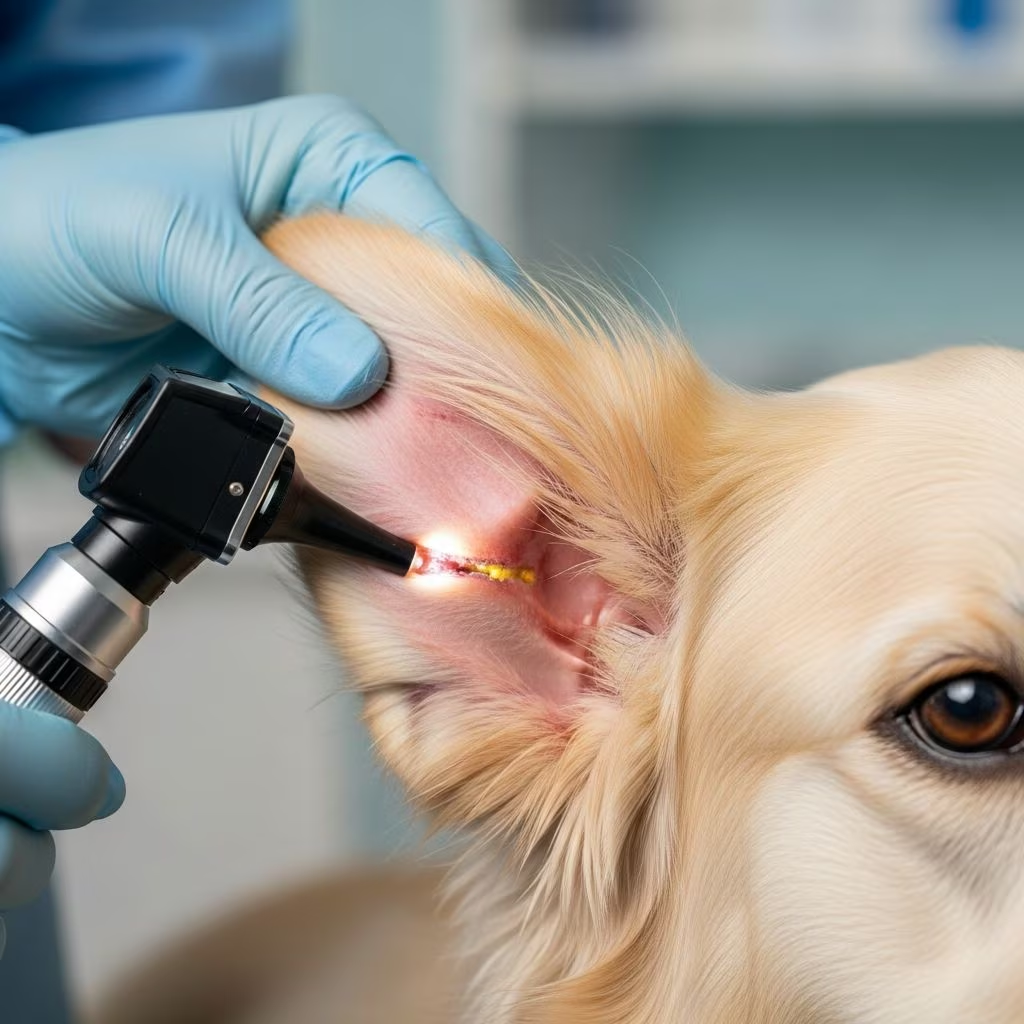
Ear infections represent one of the most frequent health challenges faced by dogs, affecting their comfort and quality of life significantly. Known medically as otitis externa for outer ear issues and otitis interna for deeper involvement, these conditions demand prompt attention to avoid complications like chronic pain or hearing impairment. This guide explores every aspect, empowering owners with knowledge to safeguard their canine companions.
Recognizing the Signs of Trouble
Early detection hinges on observing behavioral and physical changes. Dogs often signal discomfort through vigorous head shaking or tilting, as if trying to dislodge an irritant. Frequent scratching or pawing at the ears can lead to self-inflicted wounds, worsening the problem.
- Visible Discharge: Dark, waxy buildup or pus-like fluid, sometimes bloody, emerges from the canal.
- Foul Odor: A yeasty or rotten smell indicates bacterial or fungal overgrowth.
- Redness and Swelling: Inflamed canals appear hot, narrowed, and sensitive to touch.
- Pain Indicators: Whining during handling, reluctance to lie on the affected side, or enlarged lymph nodes nearby.
- Advanced Symptoms: Balance issues, eye flickering (nystagmus), or nausea in inner ear cases.
In chronic scenarios, ears thicken, hearing diminishes, and infections recur despite care. Monitor floppy-eared breeds like Spaniels or Labs closely, as their anatomy traps moisture.
Unraveling the Root Causes
Ear infections rarely occur in isolation; underlying triggers create an environment ripe for pathogens. Primary factors initiate the issue, while secondary ones perpetuate it.
| Category | Examples | Impact |
|---|---|---|
| Primary Factors | Allergies (food/environmental), parasites (ear mites), hypothyroidism, foreign objects (grass seeds) | Directly inflame the canal, weakening defenses. |
| Secondary Infections | Bacteria (Pseudomonas, Staphylococcus), yeast (Malassezia) | Thrive in altered pH/humidity, causing persistence. |
| Predisposing Habits | Excessive swimming, poor grooming, breed traits (narrow canals) | Promote moisture buildup and debris accumulation. |
Allergies top the list, with atopic dermatitis or food sensitivities altering skin barriers. Endocrine disorders like hypothyroidism slow healing, while mites cause intense itching in young dogs. Trauma from scratches or foxtails introduces contaminants.
Diagnosis: What Vets Do Next
Professional evaluation starts with a thorough exam using an otoscope to visualize the canal and eardrum. Swollen tissues may require sedation for clear views and cytology—smear samples stained to identify bacteria, yeast, or mites under a microscope.
Culture tests pinpoint resistant bugs, guiding antibiotic choice. Imaging like CT scans assesses middle/inner ear spread in severe cases. Allergy testing or thyroid panels uncover primaries. Hearing tests confirm if exudates obstruct sound conduction, often reversible post-cleaning.
Treatment Strategies That Work
Success combines cleaning, infection control, inflammation reduction, and primary factor management. Topical therapies dominate for mild cases, escalating to systemic for depth or chronicity.
Cleaning Protocols
Vet-performed flushes remove debris blocking meds. Home use vet-approved cleaners (no hydrogen peroxide or vinegar, which irritate). Massage base to loosen wax, wick excess with cotton balls—never swabs.
Medications Breakdown
- Topicals: Drops/ointments with antibiotics (e.g., enrofloxacin), antifungals (itraconazole), steroids for swelling. Apply 7-14 days minimum.
- Oral Options: Broad-spectrum antibiotics (amoxicillin-clavulanate, cefpodoxime) for 6-8 weeks; antifungals for yeast.
- Anti-Inflammatories: Control pain/itch, essential for compliance.
Hospitalization aids severe nausea/disorientation with IV fluids. Chronic failures prompt TECA surgery—canal ablation and bulla osteotomy to excise diseased tissue.
Home Care: Safe Supportive Measures
While not cures, gentle aids complement vet plans. Wipe visible debris daily; dry post-swim with cotton. Coconut oil’s antifungals soothe mildly, but skip unapproved remedies. Pain meds from vets ease handling. Prevent self-trauma with cones.
Caution: Avoid OTC human products; they risk ototoxicity or resistance.
Prevention: Keeping Ears Healthy Long-Term
Proactive steps slash recurrence. Weekly inspections/cleaning suit floppy ears; dry thoroughly after water exposure.
- Allergy Management: Hypoallergenic diets, antihistamines, or immunotherapy.
- Parasite Control: Monthly preventives target mites/ticks.
- Breed-Specific Tweaks: Trim ear hairs, aerate flaps with ties.
- Diet Boosts: Omega-3s support skin barrier.
- Regular Vet Checks: Catch subclinical issues early.
Swimmers need ear drying solutions; allergy breeds benefit from dermatologist consults.
When to Rush to the Vet
Act fast if head tilt persists, balance falters, or discharge worsens—signs of inner ear involvement or hematoma. Untreated, scarring narrows canals, breeding resistance. Chronic cases risk permanent hearing loss or neurological damage.
Frequently Asked Questions (FAQs)
Can I treat my dog’s ear infection at home?
Cleaning aids mild cases, but infections need vet-prescribed meds. Home remedies risk worsening.
How long do treatments take?
Acute: 1-2 weeks; chronic: 6-8 weeks or surgery.
Do all dogs get ear infections?
No, but floppy-eared, swimmers, allergy-prone breeds are vulnerable.
Is surgery the last resort?
Yes, for unresponsive chronic disease via TECA/VBO.
Will my dog regain hearing?
Often yes, post-debris removal and healing.
Armed with this knowledge, owners can spot issues early, pursue targeted care, and foster resilient ears. Consult vets for tailored plans, ensuring joyful, itch-free lives for furry friends.
References
- Inner Ear Infection (Otitis Interna) in Dogs — VCA Animal Hospitals. 2023. https://vcahospitals.com/know-your-pet/inner-ear-infection-otitis-interna-in-dogs
- Dog Ear Problems: Signs, Common Causes, Treatment — Best Friends Animal Society. 2023. https://bestfriends.org/pet-care-resources/dog-ear-problems-signs-common-causes-treatment
- Canine otitis externa — Treatment and complications — PMC – NIH. 2018-12-01. https://pmc.ncbi.nlm.nih.gov/articles/PMC6294027/
- How to Treat A Dog Ear Infection At Home — Honnas Veterinary. 2023. https://honnasvet.com/treat-dog-ear-infection-home/
- MY DOG HAS AN EAR INFECTION: CAUSES, TREATMENT, AND PREVENTION — PetPace. 2023. https://petpace.com/my-dog-has-an-ear-infection-causes-treatment-and-prevention/
- Dog Ear Infections — PetMD. 2023. https://www.petmd.com/dog/conditions/dog-ear-infections



