

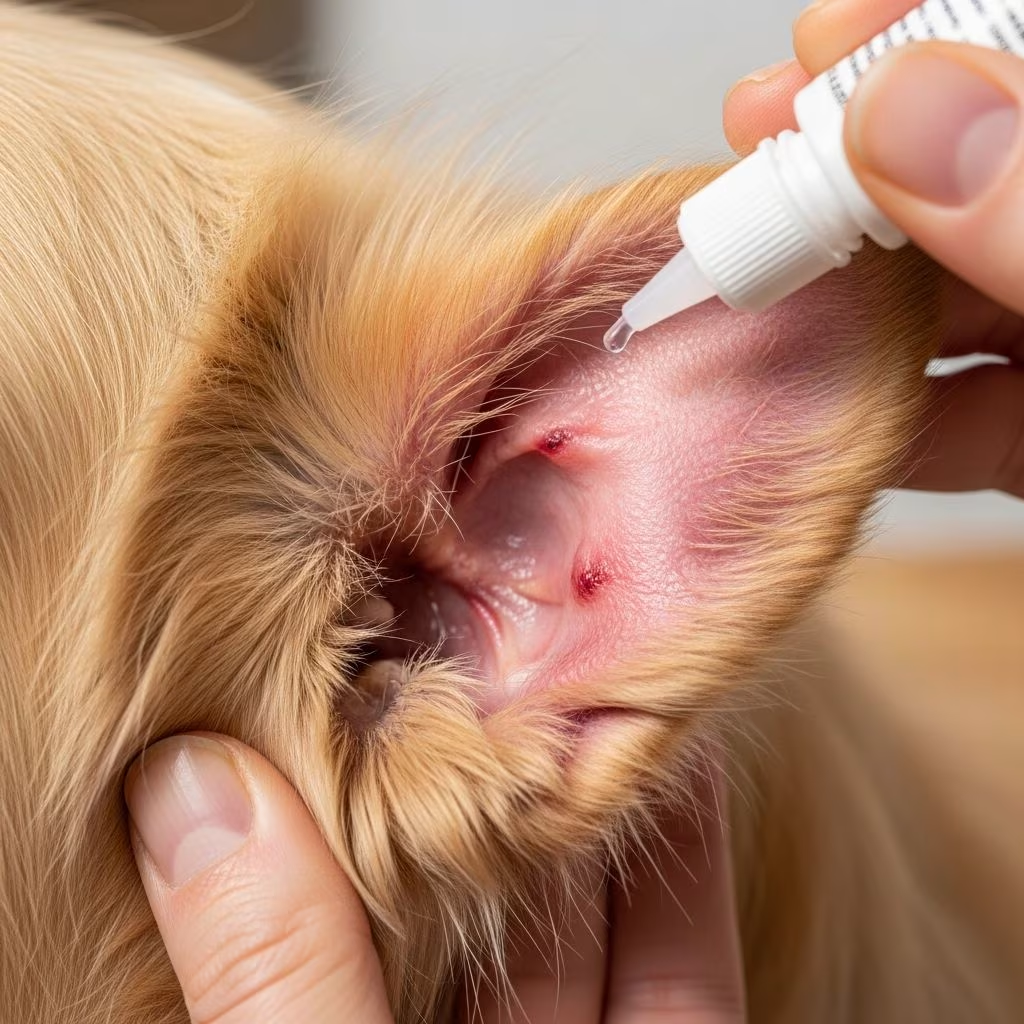
Ear infections represent one of the most prevalent health challenges for dogs, often leading to considerable discomfort if not managed promptly. These conditions, medically termed otitis, can affect the outer, middle, or inner ear, with the external form being the most frequent. Prompt recognition and intervention are crucial to prevent progression to more severe complications such as hearing loss or balance disorders.
Understanding the Anatomy of a Dog’s Ear
A dog’s ear consists of three main parts: the outer ear (pinna and canal), middle ear (tympanic membrane and ossicles), and inner ear (responsible for balance and hearing). The vertical and horizontal structure of the canine ear canal traps moisture and debris more readily than in humans, creating an environment conducive to microbial growth. Breeds with pendulous ears experience reduced ventilation, heightening susceptibility.
Key Indicators of Ear Infections in Dogs
Dogs exhibit distinct behavioral and physical signs when suffering from ear infections. Common symptoms include:
- Persistent head shaking or tilting, often accompanied by pawing at the affected ear.
- Intense scratching leading to raw, inflamed skin around the ear base.
- Visible redness, swelling, or discharge ranging from yellow to dark brown, sometimes resembling coffee grounds.
- Foul odor emanating from the ear, frequently described as yeasty or musty.
- Sensitivity to touch, causing yelping or avoidance when the area is handled.
- In advanced cases, balance issues, circling, or eye nystagmus indicating inner ear involvement.
These signs typically affect one or both ears and may worsen over days if untreated. Early detection through routine checks can mitigate pain and escalation.
Primary Causes Behind Canine Ear Issues
Ear infections rarely occur in isolation; they stem from underlying triggers that disrupt the ear’s natural balance. Bacteria like Pseudomonas and Staphylococcus, along with yeast such as Malassezia, proliferate in inflamed canals. Key contributors include:
- Allergies: Food sensitivities or environmental allergens (pollen, dust) cause chronic inflammation and excess wax production.
- Moisture retention: Frequent swimming or improper drying post-bath fosters bacterial and yeast overgrowth.
- Parasites: Ear mites produce dark, crumbly debris and intense itching, highly contagious among pets.
- Foreign bodies: Grass awns or debris lodge in the canal, sparking irritation.
- Breed factors: Floppy-eared dogs like Cocker Spaniels and Basset Hounds have poor airflow.
- Systemic conditions: Thyroid disease or hormonal imbalances alter ear environment.
Chronic cases often involve perpetuating factors like glandular hyperplasia, which sustains inflammation even after primary causes resolve.
Types of Ear Infections: From Mild to Severe
Canine ear infections classify into three categories based on location:
| Type | Location | Common Symptoms | Potential Complications |
|---|---|---|---|
| Otitis Externa | Outer ear canal | Discharge, odor, scratching | Progression to middle ear |
| Otitis Media | Middle ear (behind eardrum) | Head tilt, pain on jaw movement | Ruptured eardrum, chronic discharge |
| Otitis Interna | Inner ear | Balance loss, nystagmus, facial paralysis | Deafness, permanent vestibular damage |
Otitis externa accounts for most cases, but untreated infections ascend, causing otitis media or interna, which demand urgent care.
Professional Diagnosis Methods
Veterinarians employ a multi-step approach for accurate diagnosis. Initial physical exams use otoscopes to visualize canal inflammation, discharge, or foreign objects. Cytology samples—ear swab smears examined under a microscope—identify bacteria, yeast, or mites. Culture tests pinpoint specific pathogens for targeted therapy. In severe instances, imaging like CT scans or tympanic membrane evaluation under sedation confirms middle/inner ear involvement.
Effective Treatment Strategies
Treatment hinges on cause and severity, emphasizing topical therapies alongside systemic support. Core components include:
- Ear cleaning: Veterinary-approved solutions remove debris, essential before medications.
- Topical medications: Antibiotic drops (e.g., enrofloxacin, cefpodoxime) for bacteria; antifungals (e.g., itraconazole) for yeast; anti-inflammatories for swelling.
- Oral antibiotics/antifungals: Prescribed for 6-8 weeks in deep infections.
- Pain management: Analgesics ensure comfort during healing.
- Hospitalization: For inner ear cases with nausea, IV fluids and sedation aid thorough cleaning.
Chronic or recurrent infections may necessitate surgery, such as total ear canal ablation, to reshape the canal and halt cycles. Adherence to full courses prevents resistance.
Home Care Tips During Recovery
Support vet-prescribed regimens with gentle home practices:
- Avoid cotton swabs; use soft cloths or vet cleaners.
- Prevent water entry during baths/swims with cotton balls coated in petroleum jelly.
- Monitor for worsening signs and attend follow-ups.
- Administer meds precisely, massaging bases post-drops for even distribution.
Do not use over-the-counter human products, as they can exacerbate issues.
Prevention: Proactive Steps for Ear Health
Minimize risks through routine maintenance:
- Weekly ear inspections and cleanings for at-risk breeds.
- Thorough drying after water exposure.
- Allergy management via hypoallergenic diets or testing.
- Flea/mite preventives year-round.
- Balanced nutrition supporting skin/ear health.
Regular vet check-ups catch predispositions early.
When to Seek Immediate Veterinary Help
Rush to the vet if observing profound lethargy, appetite loss, neurological signs (circling, falling), or profuse bloody discharge. These signal advanced infection requiring hospitalization.
Frequently Asked Questions (FAQs)
Are dog ear infections contagious?
Typically no; most arise from non-infectious causes like allergies or moisture. Mites are an exception, transmissible between pets.
How long do treatments take?
Acute cases resolve in 1-2 weeks; chronic ones need 6-8 weeks or more.
Can I clean my dog’s ears at home?
Yes, with vet-recommended solutions, but not during active infection without guidance.
Do floppy ears mean inevitable infections?
They increase risk due to poor airflow, but prevention curbs occurrences.
What if my dog keeps getting recurrent infections?
Investigate allergies, anatomy, or biofilms; surgery may be advised.
Long-Term Management for Chronic Cases
Dogs prone to recurrence benefit from tailored plans: allergy immunotherapy, regular cytology monitoring, or rehab programs. Addressing primary factors like diet reduces flare-ups significantly.
References
- Inner Ear Infection (Otitis Interna) in Dogs — VCA Animal Hospitals. 2023. https://vcahospitals.com/know-your-pet/inner-ear-infection-otitis-interna-in-dogs
- Signs of Ear Infections in Dogs — PetNest Animal Hospital. 2024-08-02. https://petnestanimalhospital.com/2024/08/02/signs-of-ear-infections-in-dogs/
- How To Spot and Treat Ear Infections in Dogs — The Complete Pet Animal Hospital. 2024. https://www.thecompletepetanimalhospital.com/blog/how-to-spot-and-treat-ear-infections-in-dogs
- Common Causes & Treatment for Dog Ear Infections — Elanco Your Pet and You. 2024. https://yourpetandyou.elanco.com/us/health-and-care/dog-ear-infections-causes-symptoms-treatment
- Dog Ear Infections: Symptoms, Causes, Treatment — American Kennel Club. 2024. https://www.akc.org/expert-advice/health/dog-ear-infections/
- Understanding Dog Ear Infections — Metro-Vet. 2024. https://metro-vet.com/understanding-dog-ear-infections/
- Canine otitis externa — Treatment and complications — PMC (National Library of Medicine). 2017-12-01. https://pmc.ncbi.nlm.nih.gov/articles/PMC6294027/



