

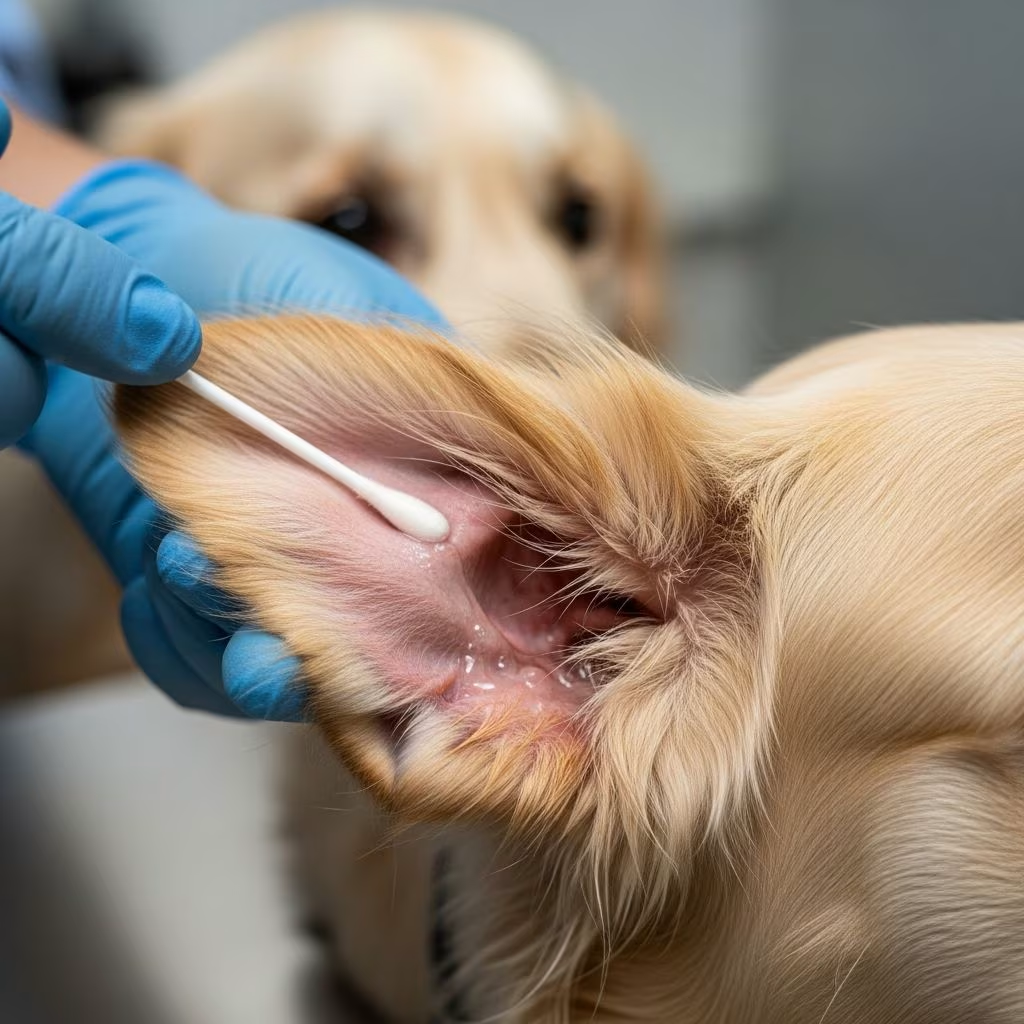
Understanding Dog Ear Infections
Ear infections are one of the most common health issues affecting dogs today. Whether your dog is a playful puppy or a senior companion, understanding the causes, symptoms, and treatment options for ear infections can help you provide better care and prevent complications. This comprehensive guide covers everything you need to know about canine ear infections, from recognition to recovery.
What Are the Different Types of Dog Ear Infections?
Dog ear infections are formally classified into three types based on their location within the ear structure. Understanding these distinctions helps veterinarians determine the severity and appropriate treatment approach.
Otitis Externa
Otitis externa is the most common type of ear infection in dogs. This infection affects the layer of cells lining the external portion of the ear canal. The inflammation typically starts in the outer ear and is usually the easiest to treat when caught early. Most dogs brought to veterinary clinics with ear issues have otitis externa.
Otitis Media and Interna
Otitis media refers to infections of the middle ear, while otitis interna affects the inner ear. These infections often result from the spread of infection from the external ear if left untreated. These conditions are more serious and can lead to permanent complications including deafness, facial paralysis, and vestibular dysfunction if not addressed promptly.
Common Causes of Ear Infections in Dogs
Understanding what causes ear infections is essential for prevention and early intervention. Multiple factors can contribute to the development of ear infections in dogs.
Moisture Buildup
One of the most prevalent causes of ear infection in dogs is moisture accumulation inside the ear canal. This moisture creates an ideal environment for bacteria and fungal growth. Dogs that swim frequently, take regular baths, or have naturally moist ear canals are particularly susceptible. You may notice your dog shaking or pawing at their ears more frequently, and their inner ears may feel wet to the touch.
Bacterial and Yeast Overgrowth
Bacterial and yeast overgrowth is a common cause of ear infections. Dogs with long, floppy ears or those that swim frequently are more prone to these types of infections. Yeast infections can occur when water isn’t properly cleaned from the ears after bathing or swimming. Breeds that tend to get moisture buildup within their ears, such as bulldogs or dogs with excessive hair in their ear canals, face heightened risk.
Allergies
Allergies to environmental factors, food, or even fleas can lead to inflammation and itching in the ears. When left untreated, this inflammation and itching can create conditions favorable for ear infections to develop. Allergic reactions cause the ear canal lining to lose its healthy, protective skin barrier, allowing bacteria and yeast to multiply.
Breed Anatomy
Certain dog breeds have anatomical features that predispose them to ear infections. Breeds with narrow ear canals, those with excessive hair in their ear canals, or dogs with floppy ears may trap moisture in the ear canal, providing an ideal environment for bacteria and yeast growth.
Recognizing the Symptoms
Early recognition of ear infection symptoms is crucial for prompt treatment and preventing complications. Watch for these signs in your dog:
Primary Symptoms
Ear Scratching: Frequent scratching or pawing at the ears is often the first noticeable sign of discomfort. Your dog may scratch excessively or focus on one ear in particular.
Head-Shaking: Dogs experiencing ear infections often shake their heads vigorously to alleviate itchiness or pain. This head shaking may be frequent and pronounced.
Odor and Discharge: A foul odor and unusual discharge from the ears are indicative of infection. The discharge may be yellow, brown, or black in color. The odor is often described as yeasty or similar to corn chips.
Redness and Swelling: Inflamed, red, or swollen ear canals or swelling of the pinna (the outside of the ear) are visible signs of an ongoing infection. You may also notice scabs or crusting around the ear flap.
Secondary Symptoms
Behavioral Changes: Dogs may exhibit changes in behavior, such as irritability or depression, due to the discomfort caused by ear infections. Some dogs may become withdrawn or more aggressive than usual.
Head Tilting: Your dog might hold their head to one side or tilt it frequently. This can indicate pain or balance issues associated with more severe infections.
Balance and Hearing Issues: In more advanced cases, dogs may experience loss of balance or coordination, along with potential hearing loss.
Why Early Intervention Matters
Ear infections rarely resolve on their own. The ear canal is highly sensitive, and inflammation can quickly escalate into pain and infection if left untreated. Without prompt intervention, potential complications can include:
- Chronic inflammation or scarring of the ear tissue
- Thickened ear canals that become increasingly difficult to treat
- Inner or middle ear disease
- Ear hematomas—painful blood-filled swellings of the ear flap caused by trauma from constant head shaking
- Facial nerve paralysis
- In severe cases, surgical removal of the ear canal (TECA)
Diagnosis: What Your Veterinarian Will Do
Proper diagnosis is key to effective treatment. Your veterinarian will conduct a thorough examination, which might include:
Diagnostic Methods
Physical Examination: Your vet will examine the ear canal and check the eardrum and surrounding areas to assess the severity of infection and ensure medication is safe for your pet.
Ear Swabs: Collecting ear swabs to examine under a microscope can help identify the specific microorganisms causing the infection. This helps determine whether bacteria, yeast, or both are responsible.
Allergy Testing: If allergies are suspected as the underlying cause, allergy testing can guide treatment and prevention strategies.
Treatment Options for Dog Ear Infections
Treatment plans vary based on the severity and underlying cause of the ear infection. Your veterinarian will recommend the most appropriate approach for your dog’s specific situation.
Topical Medication
Certain infections can be resolved with an application of a topical medication that remains in the ear for 2-4 weeks. These medications work directly at the site of infection and are often highly effective for mild to moderate cases.
Medicated Ear Drops
Your vet will prescribe medicated ear drops for your dog. These drops should be given according to the dosage provided by your vet, but typically are given a couple of times per day. They should be gently massaged into the affected ear to help treat the infection at its source.
Professional Ear Cleaning
Thorough cleaning of the ears is often necessary to remove debris and allow medications to reach the affected areas. Your vet will give you a medicated cleaner to use at home to help make this easier. You should not clean your dog’s ear infection with water, as this is likely to make the problem worse. Professional ear cleaning in the clinic may be performed because it can be painful for your dog. Follow your vet’s guidelines for ear cleaning in your pet.
Oral Medications
Depending on test results, oral antibiotics or antifungals may be prescribed for systemic or inner ear involvement. These medications work throughout your dog’s body to combat the infection.
Pain Management
Your dog may be given pain medication to last for the first few days of treatment. If the infection is painful, providing pain relief medications can improve your dog’s comfort. After those initial few days, if you have been keeping up with her treatment as needed, she likely won’t be in much pain from her ear anymore.
Why Some Infections Keep Coming Back
Recurrent ear infections are frustrating for both pets and their owners. Understanding the underlying causes can help you manage and prevent future occurrences.
Common Causes of Recurrence
Chronic Allergies: Food or environmental allergies are the most common underlying cause of recurrent ear infections. Managing these allergies through dietary changes or environmental allergy testing is essential.
Foxtail Exposure: Especially in rural or grassy areas, foxtails can become lodged in the ear canal and cause recurrent infections.
Breed Predisposition: Breeds with narrow or floppy ear canals are naturally more susceptible to developing infections repeatedly.
Medication Issues: Poor response to or early discontinuation of medication before the infection is fully resolved can lead to recurrence.
Cleaning Methods: Improper cleaning techniques or overcleaning can damage the ear canal and promote infection.
Prevention: Keeping Your Dog’s Ears Healthy
Prevention is always better than treatment. By implementing proper ear care practices, you can significantly reduce your dog’s risk of developing ear infections.
Regular Ear Inspections
Check your dog’s ears regularly for signs of redness, discharge, or odor. Early detection allows for prompt intervention before infections become severe.
Proper Moisture Management
After bathing or swimming, thoroughly dry your dog’s ears with a clean, dry towel. Consider using a veterinary-recommended ear drying solution if your dog is prone to moisture-related infections.
Ear Cleaning Routine
Establish a regular ear cleaning routine using products recommended by your veterinarian. Ask your vet which cleaning solution is best for your pet, as some dogs may need more frequent cleaning than others.
Allergy Management
If your dog has allergies, work with your veterinarian to manage them effectively. This may involve dietary changes, environmental modifications, or medication to prevent the inflammation that leads to ear infections.
Breed-Specific Care
If you have a breed predisposed to ear infections, discuss preventive care strategies with your veterinarian. This may include more frequent ear cleaning or regular veterinary check-ups.
Frequently Asked Questions About Dog Ear Infections
Q: Can I treat my dog’s ear infection at home?
A: While over-the-counter medicated ear cleansers can help with mild infections, most ear infections require prescription medications from your veterinarian. It’s important to have your dog evaluated to determine the type and severity of infection before starting any treatment.
Q: How long does it take to treat a dog ear infection?
A: Treatment duration varies depending on the severity and type of infection. Most infections require 2-4 weeks of treatment with topical medications, though some may take longer if complications are present.
Q: Can ear infections in dogs cause hearing loss?
A: Yes, untreated or severe ear infections, particularly those affecting the middle or inner ear, can result in permanent hearing loss. This is another reason early treatment is so important.
Q: Are certain dog breeds more prone to ear infections?
A: Yes, breeds with floppy ears, narrow ear canals, or excessive ear hair are more susceptible to infections. This includes breeds like Cocker Spaniels, Basset Hounds, and Bulldogs.
Q: How can I prevent my dog from getting ear infections?
A: Regular ear inspections, proper moisture management, allergy control, and appropriate ear cleaning are key prevention strategies. Consult with your veterinarian about the best preventive care plan for your individual dog.
References
- Dog Ear Infection Treatments, Causes, Symptoms, and Prevention — Coyne Veterinary Care. 2024. https://coynevetcare.com/blog/dog-ear-infections-crown-point-in/
- Ear infections in Dogs (Otitis Externa) — Pierz Veterinary Clinic. 2024. https://www.pierzvetclinic.com/services/blog/ear-infections-dogs-otitis-externa
- Ear Infection in Dogs: Symptoms and Treatment — GoodRx. 2024. https://www.goodrx.com/pet-health/dog/how-to-tell-if-dog-has-ear-infection
- Dog Ear Infections Demystified: Symptoms, Treatment & Prevention — Mid Valley Veterinary Clinic. 2024. https://mid-valleyvet.com/dog-ear-infections-demystified-symptoms-treatment-prevention/
- Dog Ear Infections: Symptoms, Causes, Treatment, and Prevention — American Kennel Club. 2024. https://www.akc.org/expert-advice/health/dog-ear-infections/
- Ear Infections in Dogs — Blue Cross. 2024. https://www.bluecross.org.uk/advice/dog/health-and-injuries/ear-infection-in-dogs
- Dog Ear Infections — PetMD. 2024. https://www.petmd.com/dog/conditions/dog-ear-infections



