

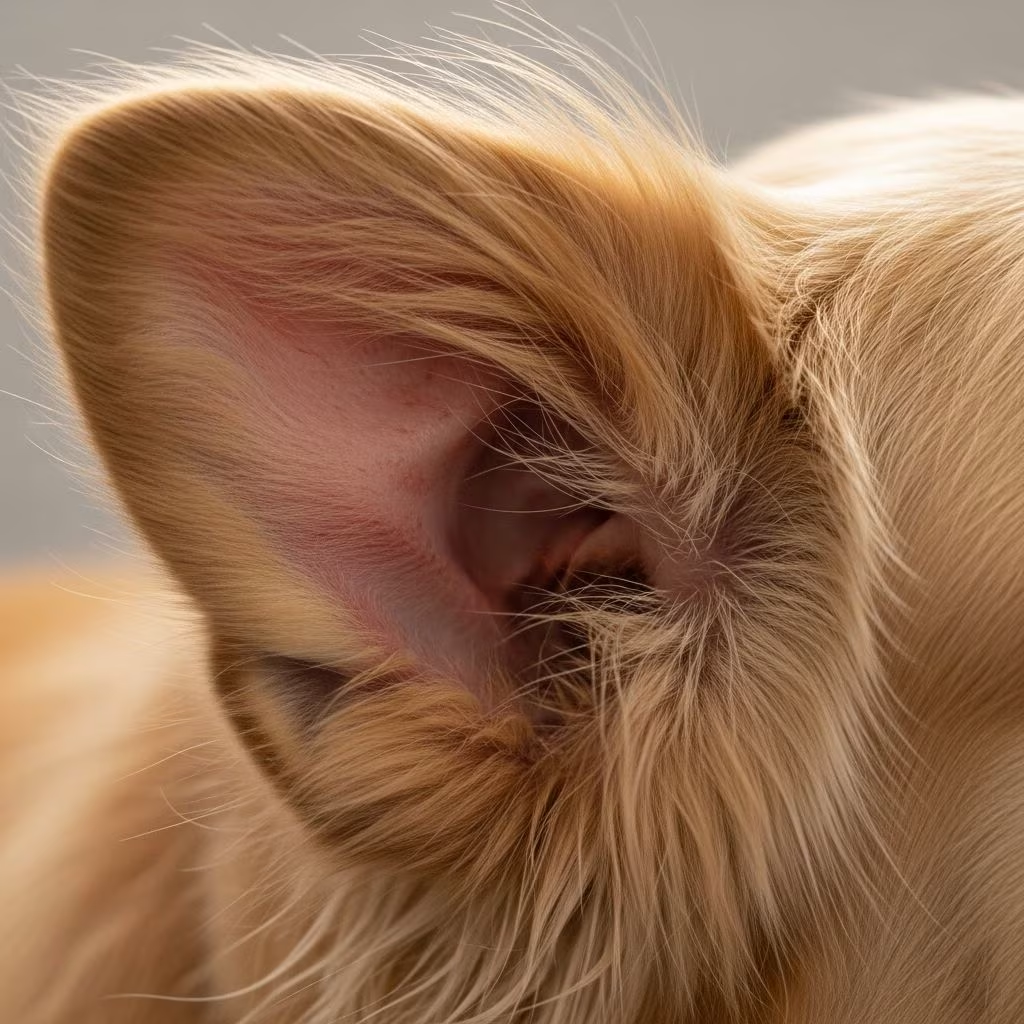
Understanding Dog Ear Infections
Ear infections are a common and painful condition that affects many dogs, potentially leading to serious complications if left untreated. These infections can occur in different parts of the ear canal and vary in severity depending on the underlying cause. Understanding the types of ear infections, their symptoms, and treatment options is essential for any dog owner who wants to maintain their pet’s health and comfort. When caught early and treated properly, most ear infections can be resolved within a reasonable timeframe, though some cases may require extended care.
Types of Ear Infections in Dogs
Ear infections in dogs are classified into three main categories based on the location of the infection within the ear structure. Each type presents different challenges and potential complications if not properly managed.
Otitis Externa: Outer Ear Infection
Otitis externa affects the outer ear canal, from the ear flap (pinnae) to the eardrum. This is the most common type of ear infection seen in dogs and is generally more straightforward to treat than inner ear infections. The outer ear canal is more accessible to topical medications and cleaning procedures, making treatment typically more effective and faster.
Otitis Media: Middle Ear Infection
Otitis media occurs when infection spreads to the middle ear canal. This type of infection is less common than otitis externa but more serious. If not properly treated, the inflammation may continue to spread deeper into the ear structures.
Otitis Interna: Inner Ear Infection
Otitis interna affects the inner ear canal and represents the most serious form of ear infection in dogs. If left untreated or inadequately managed, inner ear infections can result in deafness, facial paralysis, and other severe neurological complications. In extremely rare cases, a severe inner ear infection could potentially spread into the brain, though this is exceptionally uncommon.
Causes of Ear Infections in Dogs
Ear infections in dogs typically develop as a result of another underlying problem rather than occurring in isolation. Understanding the root causes is crucial for both treatment and prevention of recurrent infections.
Bacterial and Yeast Infections
Most ear infections in dogs are caused by bacteria or yeast overgrowth. In healthy ears, these organisms exist in normal amounts, but various factors can trigger excessive growth leading to infection. Dogs with allergies often experience yeast or bacterial overgrowth as part of their allergic response, making them particularly susceptible to ear infections.
Ear Mites
Ear mites are parasitic organisms that can cause ear infections in dogs. Unlike most ear infections, those caused by ear mites are contagious and can spread to other pets in the household. If one pet is diagnosed with ear mites, all pets should be treated simultaneously, and bedding and toys should be thoroughly washed. Fortunately, ear mites can be easily prevented with most monthly flea and tick preventative medications.
Breed Predisposition
Certain dog breeds have a higher predisposition to developing ear infections due to their anatomical structure. Breeds with long, floppy ears such as Cocker Spaniels, Basset Hounds, and Bloodhounds are more commonly affected. Additionally, breeds like Labradoodles and Shar Peis, as well as dogs with very hairy ears like Poodles, are prone to infections because hair in the ear canal can trap debris and moisture. Pit Bulls are also susceptible to ear infections, which are often related to underlying allergies.
Underlying Allergies
Dogs with allergies tend to develop ear infections through two primary mechanisms. First, itching caused by allergies leads to excessive scratching, which disrupts the normal defenses against infection. Second, part of the allergic response involves an overgrowth of normal yeast or bacteria in the ears. Dogs with allergies often develop chronic or recurrent ear infections, and the only cure is to address the underlying allergic condition rather than just treating the infection symptoms.
Foreign Objects and Other Factors
Foreign objects such as grass seeds can become lodged in the ear canal and set the stage for bacterial infections. Benign polyps growing from the middle ear can also contribute to infection development.
Recognizing the Signs of Ear Infections
Early recognition of ear infection symptoms allows for prompt veterinary treatment, preventing the condition from worsening. Dog owners should be vigilant for the following warning signs:
- Head Shaking: Excessive or frequent head shaking is often the first sign a dog owner notices, as the dog attempts to relieve discomfort in the ear.
- Ear Odor: A bad or foul odor emanating from the ear is a classic sign of infection. Healthy ears should have little to no odor.
- Excessive Scratching: Dogs with ear infections may scratch their ears persistently, sometimes to the point of causing hair loss or skin damage.
- Ear Swelling: Inflammation can cause the ear to appear swollen or distended.
- Redness: The skin inside and around the ear may appear red or inflamed.
- Scabbing: Crusty or scabbed areas may develop from scratching and infection.
- Excessive Debris or Discharge: Unusual amounts of debris, wax buildup, or fluid discharge from the ear indicates a problem.
- Head Tilt: A persistent tilt of the head toward the affected ear may indicate pain or discomfort.
Diagnosis of Ear Infections
When you suspect your dog has an ear infection, veterinary evaluation is essential. Your veterinarian will perform a thorough examination using specific diagnostic techniques to confirm the infection and identify the underlying cause.
Otoscopic Examination
The veterinarian will perform an otoscopic exam, looking deep into the ear canal with a magnifying glass or otoscope to visualize the ear canal and eardrum. This examination is crucial for determining whether the eardrum is intact, as this affects which medications can be safely used.
Ear Cytology
Your veterinarian will collect material from the ear canal and examine it under a microscope in a procedure called ear cytology. This test identifies the specific infectious organism—whether bacterial, fungal, or parasitic—present in the ear, allowing for targeted treatment.
Eardrum Integrity Assessment
Examining the eardrum after cleaning is critically important because infections involving structures behind the eardrum require more aggressive treatment. Additionally, certain topical medications can cause deafness if used on pets with ruptured eardrums, making this assessment vital for safe treatment planning.
Treatment Options for Dog Ear Infections
Treatment for ear infections is tailored to the type of infection identified and the underlying cause. A comprehensive treatment approach typically involves multiple components working together to resolve the infection.
Ear Cleaning
Ear cleaning is the essential first step in treatment because cleaning is necessary for other medications to work effectively. In mild to moderate cases, your veterinarian may clean your dog’s ears with a cleaning solution during the exam. In more severe cases, your dog may need their ears flushed under general anesthesia to ensure thorough cleaning down to the eardrum level. Your veterinarian will demonstrate proper ear cleaning techniques for home care and may recommend specific cleansing solutions.
Topical Medications
Most ear infections are treated with medication placed directly into the ear, referred to as topical treatment. These medications may include antibiotics like enrofloxacin, antifungals like terbinazole or itraconazole, steroids like mometasone, or combinations of multiple active ingredients. Some topical treatments, such as certain long-acting solutions, are given directly into the ear at the veterinary clinic and require only a single application. Others, such as Mometamax, are dispensed for pet parents to apply at home according to veterinary instructions.
Oral Medications
When the ear canal is severely swollen and closed shut, oral medications may be necessary initially to reduce inflammation and address infection before topical treatments can be effective. Oral steroids such as prednisone and oral antibiotics like cephalexin or other prescribed antibiotics may be prescribed. For inner ear infections, antibiotics must be given for a minimum of six to eight weeks to ensure complete resolution of the bacterial infection.
Managing Underlying Causes
Successful treatment requires addressing the underlying cause of the infection. If ear mites are responsible, they must be treated and your dog must be maintained on preventative medication to avoid recurrence. For dogs with allergies, specialized veterinary diets, medications such as Apoquel or Cytopoint, or immunotherapy including allergy shots may be necessary to prevent future infections. It is important to note that antihistamines like Benadryl should not be given without veterinary guidance and are usually insufficient to manage allergies in dogs.
Treatment Timeline and Follow-Up Care
Most uncomplicated ear infections can be resolved within two weeks of appropriate treatment, provided the correct steps have been taken. However, severe cases or those with complicated underlying conditions may require six to eight weeks to fully resolve. It is typical for dogs to be rechecked two to four weeks after treatment begins to ensure the medication is working effectively or to adjust the treatment plan as needed. As with any infection, ear infections may persist even after visible signs disappear, making follow-up evaluations important.
Can Ear Infections Resolve Without Treatment?
Unfortunately, a dog’s ear infection is highly unlikely to heal on its own. Bacterial infections require treatment with antibiotics, yeast infections require appropriate antifungal treatments, and parasitic infections require specific medications. Additionally, because ear infections cause inflammation, anti-inflammatory medication is often needed to address swelling and pain. If left untreated, ear infections can spread to the inner ear and cause serious complications including hearing loss and balance problems. Inner ear infections are significantly harder to treat than outer ear infections, making early intervention crucial.
Prevention Strategies
Preventing ear infections is far easier and more cost-effective than treating them once they develop. Several strategies can help reduce your dog’s risk:
- Maintain regular ear cleaning routines, especially for breeds prone to infections
- Keep ears dry after swimming or bathing
- Use monthly flea and tick preventatives to avoid ear mites
- Address underlying allergies with your veterinarian
- Avoid inserting objects into the ear canal
- Have your veterinarian regularly inspect your dog’s ears during wellness visits
Frequently Asked Questions About Dog Ear Infections
Q: Are ear infections in dogs contagious to other pets?
A: Generally, ear infections in dogs are not contagious to other pets. However, ear infections caused by ear mites are an exception and can spread to other animals. If your dog is diagnosed with ear mites, all pets in the household should be treated simultaneously.
Q: What is the typical cost of treating a dog ear infection?
A: Treatment costs vary depending on severity and underlying causes, but a typical veterinary visit with ear cleaning and medications may range from $100 to $300 for initial treatment, with potential additional costs for follow-up visits and specialized treatments.
Q: Can I use human ear medications on my dog?
A: No, human ear medications should never be used on dogs without explicit veterinary approval. Some medications can be toxic to dogs or may cause additional damage if the eardrum is ruptured.
Q: How often should I clean my dog’s ears at home?
A: For dogs prone to ear infections, weekly or bi-weekly cleaning may be recommended. Your veterinarian can advise on the appropriate frequency for your specific dog based on breed and history.
Q: What should I do if my dog’s ear infection doesn’t improve after treatment?
A: If symptoms persist after the prescribed treatment period, contact your veterinarian immediately. The infection may require alternative medications, a longer treatment duration, or investigation of underlying causes.
References
- Dog Ear Infections: Causes, Symptoms, and Treatment — PetMD. 2025. https://www.petmd.com/dog/conditions/dog-ear-infections
- 8 Signs of Ear Infections in Dogs: What To Look For — PetMD. 2025. https://www.petmd.com/dog/general-health/signs-of-dog-ear-infection
- Dog Breeds Prone to Ear Infections — PetMD. 2025. https://www.petmd.com/dog/care/dog-breeds-prone-ear-infections
- Inner Ear Infection (Otitis Interna) in Dogs — VCA Animal Hospitals. https://vcahospitals.com/know-your-pet/inner-ear-infection-otitis-interna-in-dogs
- Pet Ear Infections — Merck Animal Health USA. https://www.merck-animal-health-usa.com/pet-owners/pet-health/health-issues/pet-ear-infections/
- Dog Ear Infections: Causes, Signs, and How to Treat — Chewy. https://www.chewy.com/education/dog/health-and-wellness/dog-ear-infection
- Dog Ear Infections 101 — VetMedX Animal Wellness. https://vetmedx.co.za/dog-ear-infections-101/



