
Dog Ear Infections: Symptoms, Causes, and Treatment
Complete guide to recognizing, understanding, and treating ear infections in dogs.
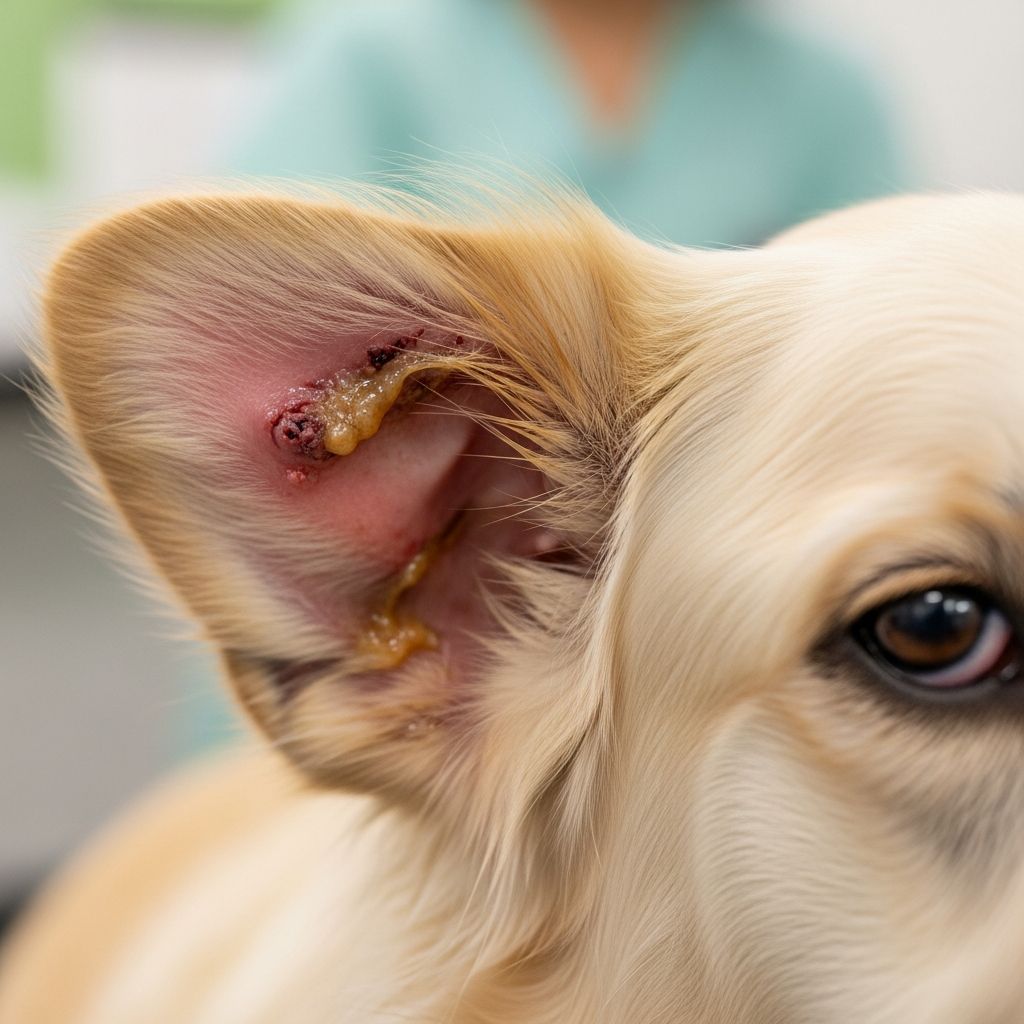
Understanding Dog Ear Infections: A Comprehensive Guide
Ear infections are among the most common health issues affecting dogs, accounting for a significant portion of veterinary visits. Whether your dog is scratching excessively, shaking their head frequently, or showing signs of discomfort, understanding ear infections is crucial for every pet owner. This guide covers everything you need to know about canine ear infections, from recognizing symptoms to understanding treatment options and prevention strategies.
What Are the Different Types of Ear Infections in Dogs?
Veterinarians classify dog ear infections into three distinct categories based on their location within the ear structure. Understanding these types helps you appreciate the severity and potential complications of your dog’s condition.
Otitis Externa
Otitis externa is the most commonly diagnosed ear infection in dogs. This infection affects the external ear canal, specifically the layer of cells lining the outer portion. Most cases of otitis externa are relatively manageable when caught early and treated appropriately. However, if left untreated, this condition can progress to more serious forms of infection affecting deeper structures of the ear.
Otitis Media
Otitis media involves infection of the middle ear and often results from the spread of infection from the external ear. This type of infection is more serious than external ear infections and requires more intensive treatment. Your veterinarian will need to conduct thorough examinations to determine the extent of the infection.
Otitis Interna
Otitis interna, or inner ear infection, is the most serious form and can lead to severe complications including deafness, facial paralysis, and vestibular signs. The infectious agent in inner ear infections is most commonly bacterial, and this condition requires aggressive veterinary treatment. Dogs with inner ear infections may show symptoms such as head tilting, loss of balance, unusual eye movements, and reluctance to move.
Recognizing the Symptoms of Dog Ear Infections
Early recognition of ear infection symptoms allows for prompt treatment and prevents progression to more serious conditions. Dogs experiencing ear infections display a variety of signs that should alert you to seek veterinary care.
Common Early Symptoms
The most obvious signs of an ear infection include:
–
Scratching or pawing at the affected ear
–
Frequent head shaking
–
Holding the head tilted to one side
–
Visible discharge from the ear ranging from brown to yellow or bloody
–
Foul or unpleasant odor coming from the ears
–
Redness and swelling inside the ear canal
–
Crusts or scabs visible just inside the ear
–
Pain or sensitivity when the ears or head are touched
Symptoms of Severe Infections
More severe or advanced ear infections may produce additional symptoms indicating the infection has progressed deeper into the ear structure:
–
Indications of hearing loss or decreased responsiveness to sounds
–
Loss of coordination or balance problems
–
Unusual eye movements or nystagmus (rapid, involuntary eye movements)
–
Walking in circles or disorientation
–
Reluctance to move or difficulty moving normally
–
Nausea or vomiting
–
Facial nerve paralysis
If your dog displays any of these severe symptoms, contact your veterinarian immediately, as these indicate a potentially serious condition requiring urgent medical attention.
Understanding the Causes of Dog Ear Infections
Multiple factors can contribute to the development of ear infections in dogs. Understanding these causes helps with both prevention and treatment planning.
Moisture and Humidity Buildup
One of the most common causes of ear infection in dogs is moisture buildup inside the ear canal. This moisture creates an ideal environment for excessive growth of bacteria and fungi. Dogs that swim frequently, enjoy water activities, or have ears bathed regularly are particularly susceptible. Additionally, high humidity environments can contribute to moisture accumulation within the ear canal, promoting microbial growth.
Allergies
Allergies represent a leading cause of ear infections in dogs. Both food allergies and environmental allergies can trigger inflammation of the ear canal. When allergies cause irritation and inflammation, the protective skin barrier of the ear lining becomes compromised. This allows bacteria naturally present on your dog’s skin to multiply excessively, leading to infection and perpetuating the inflammatory cycle.
Bacterial Infections
Bacterial ear infections are the most common type of ear infection diagnosed in dogs. Various types of bacteria can contribute to these infections. The mechanism typically involves initial irritation or inflammation from other causes, which damages the healthy protective barrier of the ear canal. Once this barrier is compromised, bacteria take advantage and multiply rapidly, causing increased inflammation and itching.
Yeast Overgrowth
Yeast infections occur particularly when water enters the ears during bathing or swimming and isn’t adequately dried afterward. Certain dog breeds are predisposed to yeast infections, including bulldogs, breeds with excessive hair in their ear canals, and certain hound breeds with floppy ears. These dogs naturally tend toward moisture buildup within their ears, creating an environment conducive to yeast proliferation.
Other Contributing Factors
Several additional factors can make ear canals vulnerable to infection:
–
Ear mites or parasites such as harvest mites
–
Foreign bodies lodged in the ear canal, such as grass seeds or foxtails
–
Hypothyroidism or other endocrine disorders
–
Polyps or fleshy growths inside the ear canal
–
Trauma or injury to the ear
–
Excessive or inadequate ear cleaning practices
–
Tumors or abnormal growths
Treatment Options for Dog Ear Infections
Treatment approaches vary depending on the type of infection, its severity, and the underlying cause. Your veterinarian will develop a customized treatment plan tailored to your dog’s specific situation.
Topical Medications
Certain infections can be resolved effectively using topical medications applied directly to the ear. These medications remain in the ear for extended periods, typically two to four weeks, providing sustained therapeutic benefit. Your veterinarian will determine whether topical treatment is appropriate for your dog’s specific infection.
Medicated Ear Drops
Medicated ear drops represent one of the most common treatments prescribed for dog ear infections. Your veterinarian will prescribe specific ear drops designed to address your dog’s particular infection. These drops are typically administered several times daily according to your veterinarian’s dosage instructions. Proper application is important—the drops should be gently massaged into the affected ear to ensure the medication reaches the source of the infection and provides maximum therapeutic benefit.
Ear Cleaning with Medicated Cleanser
Professional ear cleaning is typically part of the comprehensive treatment approach. Your veterinarian will clean the ear using a medicated cleanser specifically formulated to address your dog’s infection. It’s crucial to follow your veterinarian’s guidelines for at-home ear cleaning and to use only the prescribed medicated cleaner. Never attempt to clean your dog’s ears with water, as this can exacerbate the problem by introducing additional moisture.
Oral Antibiotics and Antifungals
Depending on the severity of the infection, your veterinarian may prescribe oral antibiotics or antifungal medications. For bacterial infections, antibiotics such as amoxicillin-clavulanate, enrofloxacin, clindamycin, or cefpodoxime may be prescribed for a minimum of six to eight weeks. For fungal infections, itraconazole is most commonly prescribed. Whatever medications are chosen, they must be given precisely as prescribed to ensure effective treatment.
Pain and Anti-inflammatory Medication
Dogs experiencing ear infections often suffer significant pain and discomfort. Your veterinarian may prescribe pain medication to provide relief during the initial treatment phase. Anti-inflammatory medications help reduce swelling, pain, and discomfort associated with the infection. These medications are particularly important in severe cases or when the infection has progressed to affect the middle or inner ear.
Hospitalization for Severe Cases
Inner ear infections are very serious conditions that may require hospitalization. If your dog cannot eat or drink normally due to nausea or disorientation, or if the infection has caused significant vestibular dysfunction, hospitalization for intravenous fluid therapy is generally warranted. During hospitalization, your veterinarian will manage nausea, prevent dehydration, and administer appropriate medications to treat the underlying infection.
Surgical Treatment
In cases of severe chronic ear disease that no longer responds to medical treatments, surgical intervention may be necessary. When the ear canal becomes scarred closed from chronic inflammation, surgery may be required to open the ear canal or remove diseased tissue. A procedure called total ear canal ablation (TECA) combined with ventral bulla osteotomy (VBO) may be performed to address severe, non-responsive cases.
Important Considerations for Ear Infection Treatment
Several important factors should guide your approach to treating your dog’s ear infection. Following your veterinarian’s instructions precisely is essential for successful treatment outcomes. Complete the entire course of prescribed medications even if symptoms improve, as stopping treatment prematurely can lead to recurrence or progression of the infection.
Keep follow-up appointments with your veterinarian as scheduled. These appointments allow your veterinarian to monitor treatment progress and make adjustments if the infection is not responding as expected. If your dog’s symptoms worsen or new symptoms develop during treatment, contact your veterinarian promptly.
Prevention Strategies for Dog Ear Infections
While not all ear infections can be prevented, several strategies can significantly reduce the risk of infection developing in your dog.
Proper Ear Hygiene
Regular but not excessive ear cleaning helps maintain ear health. Follow your veterinarian’s recommendations for appropriate ear cleaning frequency and use only veterinary-approved cleaning solutions. After swimming or bathing, carefully dry your dog’s ears to remove excess moisture.
Manage Allergies
Work with your veterinarian to identify and manage any allergies your dog may have, whether food-related or environmental. Controlling allergies can significantly reduce ear inflammation and susceptibility to infection.
Regular Veterinary Checks
Regular veterinary examinations allow early detection of potential ear problems before they develop into full infections. Your veterinarian can identify risk factors specific to your dog and provide preventive recommendations.
Breed-Specific Considerations
If you have a breed predisposed to ear infections, such as dogs with floppy ears or those prone to moisture buildup, discuss specific prevention strategies with your veterinarian.
Frequently Asked Questions About Dog Ear Infections
Q: How long does it take to treat a dog ear infection?
A: Treatment duration depends on the type and severity of infection. External ear infections typically respond to treatment within 1-2 weeks, while more serious infections affecting the middle or inner ear may require 6-8 weeks or longer of antibiotic therapy. Always complete the full course of prescribed medication.
Q: Can I treat my dog’s ear infection at home?
A: While you can administer prescribed medications at home, proper diagnosis and initial treatment by a veterinarian is essential. Never attempt to treat suspected ear infections without veterinary guidance, as improper treatment can worsen the condition.
Q: What should I do if my dog keeps getting ear infections?
A: Recurrent ear infections indicate an underlying problem requiring investigation. Contact your veterinarian to identify the root cause, which may involve allergies, breed predisposition, or other health issues. Your veterinarian can develop a long-term management plan to prevent recurrence.
Q: Is an ear infection contagious to other pets?
A: Most dog ear infections are not contagious to other animals. However, ear mites can potentially spread between pets. Your veterinarian can determine the cause of your dog’s infection and advise on any necessary precautions.
Q: Can I use human ear drops on my dog?
A: Never use human ear medications on your dog. Canine ear anatomy is different from human ears, and medications formulated for humans may be inappropriate or harmful to dogs. Always use only veterinarian-prescribed medications.
References
- Dog Ear Infection Treatments, Causes, Symptoms, and Prevention — Coyne Veterinary Care. 2025. https://coynevetcare.com/blog/dog-ear-infections-crown-point-in/
- Inner Ear Infection (Otitis Interna) in Dogs — VCA Animal Hospitals. 2025. https://vcahospitals.com/know-your-pet/inner-ear-infection-otitis-interna-in-dogs
- Middle and Inner Ear Infections in Dogs — Wag!. 2025. https://wagwalking.com/condition/middle-and-inner-ear-infections
- Ear Infection in Dogs: Symptoms and Treatment — GoodRx. 2025. https://www.goodrx.com/pet-health/dog/how-to-tell-if-dog-has-ear-infection
- Ear Infection in Dogs – Causes, Treatment & Prevention — Pet Doctors of America. July 17, 2023. https://www.petdoctorsofamerica.com/site/blog/2023/07/17/dog-ear-infection
- Dog Ear Infections — PetMD. 2025. https://www.petmd.com/dog/conditions/dog-ear-infections
- Ear Infections in Dogs — Blue Cross. September 5, 2024. https://www.bluecross.org.uk/advice/dog/health-and-injuries/ear-infection-in-dogs
- Dog Ear Infections: Symptoms, Causes, Treatment, and Prevention — American Kennel Club. 2025. https://www.akc.org/expert-advice/health/dog-ear-infections/
Similar Articles








Read full bio of Sneha Tete




