

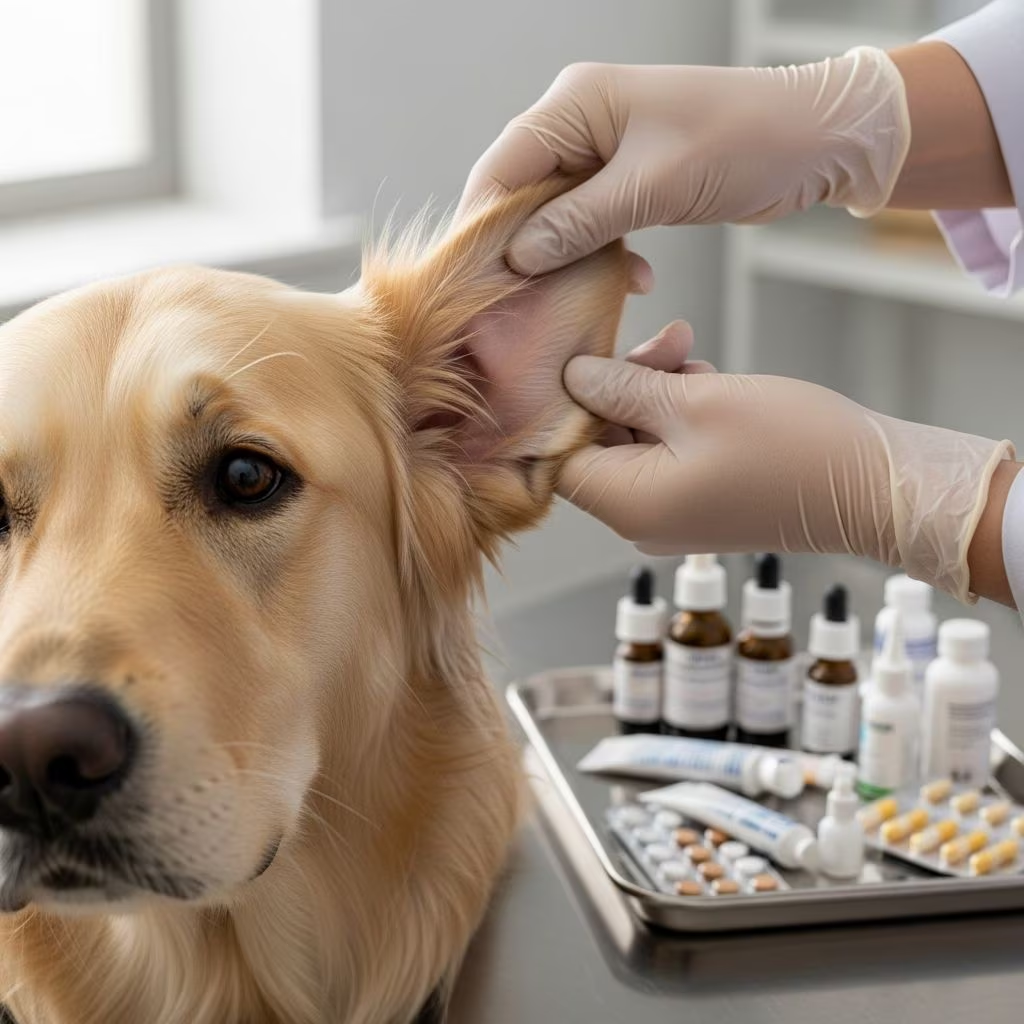
Ear infections, known medically as otitis externa, affect the external ear canal in dogs and require targeted medications to resolve inflammation, pain, and underlying infections. These conditions respond well to a combination of cleaning, topical treatments, and sometimes systemic drugs, with early intervention preventing complications like chronic issues or middle ear involvement.
Recognizing Symptoms of Ear Infections in Dogs
Dogs with ear infections often display clear behavioral and physical signs that alert owners to the problem. Common indicators include vigorous head shaking, persistent scratching at the ears, and sensitivity when the area is touched. Additional symptoms encompass redness, swelling, foul odor, dark or waxy discharge, and scaly skin within the canal, which can lead to discomfort and secondary issues if untreated.
- Head shaking or tilting: A frequent attempt to relieve itchiness or pain.
- Scratching or pawing: Often results in further trauma to the ear flap.
- Visible discharge: May appear as brown, yellow, or coffee-ground-like material from mites or yeast.
- Odor and inflammation: Strong smells indicate bacterial or yeast overgrowth.
These signs typically affect one or both ears and can worsen rapidly, emphasizing the need for prompt veterinary evaluation to confirm diagnosis via cytology or culture.
Primary Causes Behind Canine Ear Issues
Ear infections rarely occur in isolation; they stem from primary factors that disrupt the ear’s natural balance, allowing opportunistic pathogens to thrive. Allergies, particularly atopic dermatitis or food sensitivities, represent the leading cause, altering skin pH and moisture levels. Parasites like ear mites (*Otodectes cynotis*) irritate the canal, while anatomical predispositions in breeds with floppy ears—such as Cocker Spaniels or Basset Hounds—trap moisture and reduce airflow.
Other contributors include:
- Excessive moisture from swimming or bathing, fostering bacterial growth.
- Foreign bodies like grass seeds causing initial trauma.
- Endocrine disorders, notably hypothyroidism, which compromises skin integrity.
- Underlying neoplasia or polyps obstructing the canal.
Understanding these triggers is crucial, as treating symptoms alone without addressing root causes leads to recurrence.
How Ear Infections Progress and Complicate
Untreated otitis externa can evolve into chronic states, characterized by glandular hyperplasia, epithelial thickening, and hyperkeratosis, which perpetuate a cycle of inflammation and infection. Perpetuating factors like *Pseudomonas*, *Staphylococcus* bacteria, or *Malassezia* yeast exacerbate damage, potentially spreading to the middle ear (otitis media) or inner ear (otitis interna), risking hearing loss, balance issues, or facial paralysis.
| Stage | Characteristics | Potential Complications |
|---|---|---|
| Acute | Mild inflammation, discharge | Resolves with basic treatment |
| Chronic | Thickened canal, recurrent infections | Stenosis, hearing impairment |
| Advanced | Middle/inner ear involvement | Deafness, vestibular disease |
Early detection through routine checks prevents these escalations, preserving auditory function and quality of life.
Essential Medications for Treatment
Veterinary-prescribed medications form the backbone of therapy, tailored to cytology results identifying bacteria, yeast, or inflammation. Topical applications dominate due to direct delivery and minimized systemic effects.
Topical Ear Drops and Ointments
Medicated ear drops combine antibiotics (e.g., for *Pseudomonas*), antifungals (e.g., against *Malassezia*), and corticosteroids to combat infection while reducing swelling and pain. These are applied after thorough cleaning to ensure penetration, often requiring 7-14 days of consistent use. Products targeting mites include parasiticides for comprehensive coverage.
Oral and Systemic Options
For severe or deep infections, oral antibiotics or antifungals provide broader reach, particularly if the eardrum is ruptured.[10] Anti-inflammatory steroids, used short-term, alleviate profound swelling, while pain relievers enhance comfort during recovery.
- Antibiotics: Target bacterial overgrowth; fluoroquinolones common for resistant strains.
- Antifungals: Azoles or polyenes for yeast.
- Corticosteroids: Topical preferred to avoid immunosuppression.
Step-by-Step Treatment Protocol
Effective management follows a structured approach: initial cleaning with vet-approved solutions removes debris, followed by medication application. Owners must restrain dogs gently to avoid bites from pain. Frequency is typically twice daily, with follow-up exams to assess progress.
- Examine and diagnose via swab analysis.
- Clean canal using ceruminolytics.
- Administer prescribed drops; massage base for distribution.
- Monitor for 1-2 weeks; recheck if no improvement.
In chronic cases, surgery like total ear canal ablation may be necessary for irreversible damage.
Preventive Strategies for Long-Term Ear Health
Prevention hinges on breed-specific care and lifestyle adjustments. Dry ears post-swim, use hypoallergenic diets for allergy-prone dogs, and perform weekly inspections with gentle cleaning. Managing primary conditions like hypothyroidism through lifelong therapy reduces recurrence rates significantly.
- Regular grooming for floppy-eared breeds.
- Avoid allergens; consider hydrolyzed protein food.
- Parasite preventives year-round.
When to Seek Immediate Veterinary Care
Rush to the vet if symptoms include head tilt, loss of balance, neurological signs, or non-responsive pain, indicating middle/inner ear progression. Hematomas from excessive shaking require drainage to prevent scarring.
Frequently Asked Questions (FAQs)
Can I clean my dog’s ears at home without medication?
Yes, for maintenance, but infections demand professional diagnosis and meds; improper cleaning worsens issues.
How long do ear infection meds take to work?
Improvement in 3-5 days; full resolution in 2 weeks with compliance.[10]
Are ear infections contagious to humans?
No, but mites can spread dog-to-dog.
What breeds are most at risk?
Floppy-eared like Spaniels, Hounds; allergy sufferers.
Can diet influence ear infections?
Yes, food allergies trigger many cases; vet-guided trials help.
References
- Ear Infections and Otitis Externa in Dogs — Merck Veterinary Manual. 2023. https://www.merckvetmanual.com/dog-owners/ear-disorders-of-dogs/ear-infections-and-otitis-externa-in-dogs
- Signs of Ear Infections in Dogs — PetNest Animal Hospital. 2024-08-02. https://petnestanimalhospital.com/2024/08/02/signs-of-ear-infections-in-dogs/
- Common Causes & Treatment for Dog Ear Infections — Elanco. 2023. https://yourpetandyou.elanco.com/us/health-and-care/dog-ear-infections-causes-symptoms-treatment
- Canine otitis externa — Treatment and complications — PMC – NIH. 2018-12-01. https://pmc.ncbi.nlm.nih.gov/articles/PMC6294027/
- Dog Ear Infections: Symptoms, Causes, Treatment, and Prevention — AKC. 2023. https://www.akc.org/expert-advice/health/dog-ear-infections/



