
Dog Ear Hematomas: Guide to Causes and Care
Discover effective ways to identify, treat, and prevent painful ear hematomas in dogs for faster recovery and better ear health.
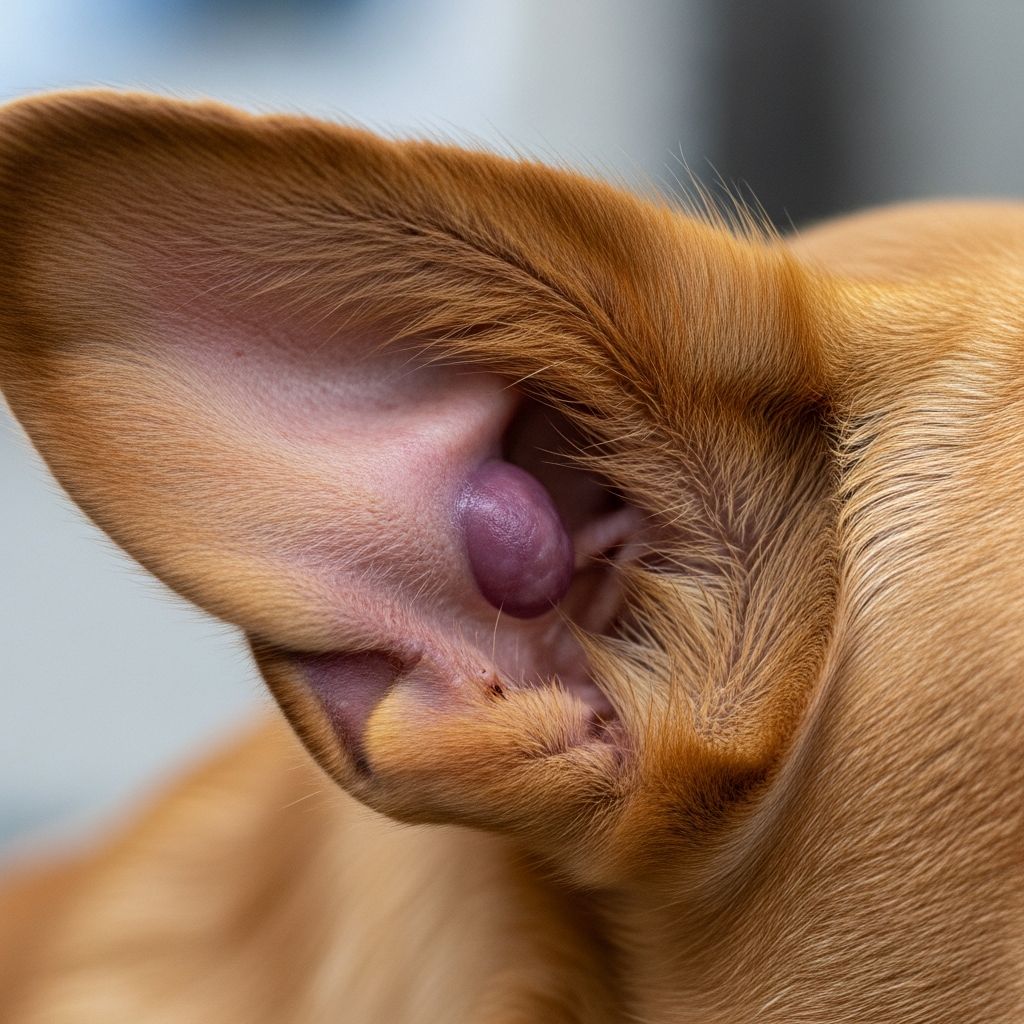
Dog ear hematomas, also known as aural hematomas, develop when blood accumulates between the skin and cartilage of the ear flap, leading to painful swelling that requires prompt attention to avoid complications like permanent deformity.
Understanding the Anatomy of a Dog’s Ear Flap
The ear flap, or pinna, consists of thin skin stretched over flexible cartilage with a network of small blood vessels underneath. This delicate structure lacks much protective padding, making it prone to injury from even minor forces. When vessels rupture, blood leaks into the space between the skin and cartilage, forming a fluid-filled pocket that expands rapidly due to the confined area.
This swelling not only causes discomfort but can also distort the ear’s shape if untreated, potentially leading to a thickened, wrinkled appearance often called cauliflower ear. Early recognition of this condition allows for interventions that preserve the ear’s normal contour and function.
Common Triggers Behind Ear Hematomas in Dogs
Several factors contribute to the vessel rupture responsible for hematomas, primarily linked to behaviors like vigorous head shaking or excessive scratching. These actions stem from underlying irritations that compel the dog to traumatize its own ear repeatedly.
- Ear Infections: Bacterial or yeast overgrowth in the ear canal causes intense itching and inflammation, prompting aggressive head shaking that damages ear vessels.
- Allergies: Environmental allergens or food sensitivities lead to chronic ear irritation, resulting in scratching that ruptures blood vessels.
- Parasites: Ear mites, though less common in dogs, burrow and irritate the canal, inciting similar traumatic responses.
- Trauma: Direct impacts from play, fights, or accidents can immediately burst vessels in floppy-eared breeds.
- Foreign Objects: Debris like grass seeds lodged in the ear triggers discomfort and self-inflicted injury.
Addressing the root cause is vital, as ignoring it leads to recurrence even after hematoma resolution.
Recognizing the Signs of an Ear Hematoma
Owners often notice the issue when the ear flap suddenly balloons outward, feeling squishy or firm to the touch. Other indicators include a tilted head, reluctance to have the ear handled, whining during touch, or visible bruising.
| Symptom | Description | Severity Indicator |
|---|---|---|
| Swelling | Soft or firm bulge on ear flap | Mild to severe based on size |
| Pain | Sensitivity, head tilting | High if dog yelps or avoids contact |
| Redness | Discoloration or heat | Often accompanies infection |
| Head Shaking | Increased frequency | Signals ongoing irritation |
These symptoms can escalate quickly, blocking the ear canal and worsening any primary infection. Veterinary diagnosis is straightforward via physical exam, though identifying the cause may require cytology or imaging.
Non-Surgical Approaches to Managing Hematomas
For smaller hematomas or cases where surgery poses risks, conservative methods focus on drainage and inflammation control. These require multiple vet visits and close monitoring to succeed.
- Needle Aspiration: A vet inserts a needle to withdraw fluid, often followed by steroid injection to curb swelling and itching. Repetition is common as fluid reaccumulates.
- Oral Medications: Steroids and antibiotics target inflammation and secondary infections, sometimes resolving minor cases without invasion.
- Drain Placement: In suitable ears, a tube allows ongoing fluid exit, paired with meds for underlying issues.
While less invasive, these carry higher recurrence risks and slower resolution compared to surgery. Success hinges on treating the inciting factor aggressively.
Surgical Solutions for Effective Hematoma Resolution
Surgery remains the gold standard for most hematomas, offering quick relief and low recurrence when performed properly. Under anesthesia, vets evacuate the clot and secure the skin to cartilage.
- Incision and Evacuation: Small cuts at hematoma ends or a full linear incision release blood and clots, flushed with saline.
- Suturing: Mattress stitches tack skin to cartilage, obliterating dead space and promoting healing.
- Drainage Support: Optional tubes prevent re-accumulation during initial recovery.
Post-op, ears are bandaged or taped to the head to limit movement, with e-collars preventing interference. Full procedures take 30-60 minutes, with most dogs home the same day.
Step-by-Step Recovery Process After Treatment
Recovery spans 2-3 weeks, emphasizing rest, medication adherence, and monitoring. Key steps include:
- Administering prescribed antibiotics, pain relievers, and anti-inflammatories exactly as directed.
- Keeping the ear clean and dry, checking daily for discharge or odor.
- Preventing head shaking with cone collars or bandaging until sutures dissolve or are removed.
- Scheduling follow-ups to assess healing and address any underlying conditions.
Complications like infection or seroma are rare but demand immediate vet contact if swelling recurs or fever develops.
Preventing Future Ear Hematomas in Your Dog
Proactive care targets predisposing factors to minimize risks. Regular ear inspections, especially for floppy-eared or allergy-prone breeds, catch issues early.
- Perform weekly ear cleanings with vet-approved solutions to remove debris.
- Manage allergies through diet trials, hypoallergenic shampoos, or immunotherapy.
- Treat infections promptly with cytology-guided therapy.
- Avoid rough play that risks ear trauma.
Breeds like Cocker Spaniels, Labs, and Retrievers warrant extra vigilance due to ear conformation.
When to Seek Emergency Veterinary Help
Rush to the vet if swelling appears overnight, pain prevents eating, or the ear feels hot/discharging pus. Delays risk cartilage necrosis or abscess formation. Even small hematomas benefit from evaluation to rule out systemic issues like clotting disorders.
Frequently Asked Questions (FAQs)
Can a dog ear hematoma heal on its own?
Yes, but it often results in scarring and deformity; treatment accelerates resolution and preserves shape.
How much does hematoma surgery cost?
Costs range from $300-$1500 depending on location, size, and clinic, including anesthesia and follow-up.
Will my dog need a cone after surgery?
Typically yes, for 7-14 days to prevent scratching and ensure proper healing.
Are ear hematomas common in puppies?
Less so, but possible if parasites or congenital issues cause irritation.
Can allergies cause recurring hematomas?
Absolutely; ongoing management of atopy prevents repetition.
References
- Dog Ear Hematoma: Causes and Treatment Options — Dix Hills Animal Hospital. 2023. https://dixhillsanimalhospital.com/blog/dog-ear-hematoma-causes-and-treatment-options/
- Hematoma On Your Dog’s Ear: What To Do — Brinker Animal Hospital. 2024. https://brinkervet.com/blog/hematoma-on-dog-ear/
- Dog Ear Hematoma: Symptoms, Treatment & Care — Fetch Vets. 2023. https://fetchvets.com/blog/dog-ear-hematoma/
- Dog Ear Hematoma Treatment — Lane Veterinary. 2024. https://lanevet.com/blog/dog-ear-hematoma-treatment/
- Ear Hematoma in Dogs — Small Door Veterinary. 2023. https://www.smalldoorvet.com/learning-center/medical/ear-hematoma-in-dogs
- Dog Ear Hematoma Surgery Cost and Procedure Guide — CareCredit. 2024. https://www.carecredit.com/well-u/pet-care/dog-ear-hematoma-surgery/
- Hematoma of the Ear in Dogs — VCA Animal Hospitals. 2024. https://vcahospitals.com/know-your-pet/hematoma-of-the-ear-in-dogs
- Aural hematoma and it’s treatment: A review — PMC (NCBI). 2020-01-20. https://pmc.ncbi.nlm.nih.gov/articles/PMC7020633/
Similar Articles








Read full bio of medha deb




