
Dog Ear Hematomas: Causes, Treatment & Prevention
Learn what causes ear hematomas in dogs, how vets treat them, and prevention strategies.
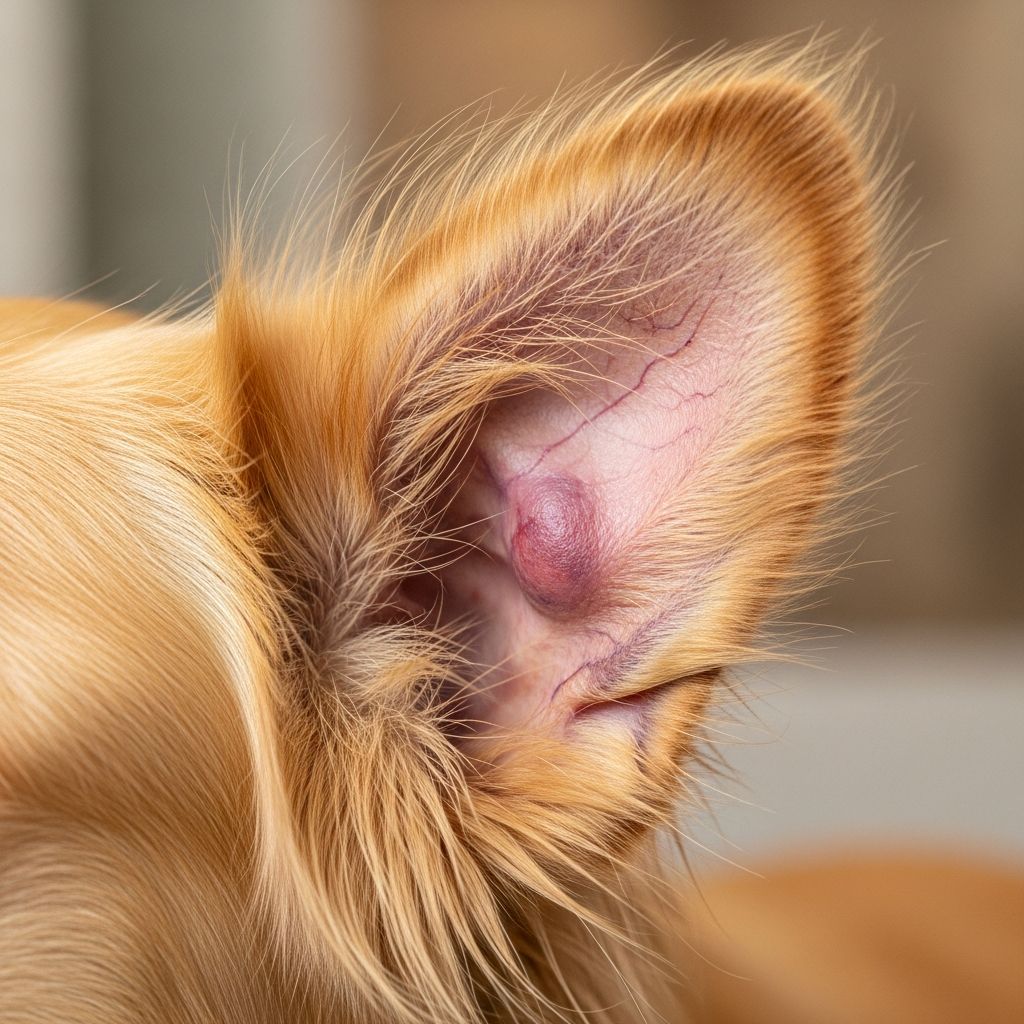
Understanding Dog Ear Hematomas: What You Need to Know
If you’ve noticed a soft, fluid-filled bubble on your dog’s ear flap, your dog may have developed an ear hematoma. This condition, while not life-threatening, requires prompt veterinary attention to prevent complications and relieve your pet’s discomfort. An ear hematoma occurs when blood pools between the layers of skin and cartilage in the ear flap, creating a visible swelling that can range from small to quite large. Understanding what causes this condition, how it’s treated, and how to prevent it can help you keep your dog’s ears healthy and comfortable.
Anatomy of the Dog’s Ear and How Hematomas Form
The ear flap, or pinnae, has a complex structure consisting of two layers of skin with a layer of cartilage sandwiched between them. Within this structure run numerous blood vessels that supply nutrients and oxygen to the ear tissue. When something irritates the ear—whether it’s an infection, allergies, or trauma—dogs typically respond by vigorously shaking their heads or scratching at the affected area. This repetitive motion can cause the delicate blood vessels within the ear flap to burst. When these vessels rupture, blood leaks into the space between the cartilage and skin, accumulating to form a hematoma. The longer the underlying irritation persists, the more likely a hematoma becomes to develop.
Common Causes of Dog Ear Hematomas
External Ear Infections
Bacterial or fungal ear infections are the leading cause of ear hematomas in dogs. These infections create an intensely itchy and painful environment in the ear canal, prompting dogs to shake their heads violently and scratch constantly at their ears. Dogs with floppy ears, those with allergies, and dogs who swim frequently are at particularly high risk for external ear infections. Common signs that your dog may have an ear infection include head shaking, excessive scratching or rubbing of the ears, redness inside the ear, ear discharge, and a noticeable odor coming from the affected ear.
Seasonal Allergies and Atopic Dermatitis
Seasonal allergies, medically known as atopy or atopic dermatitis, can cause severe itching in the ear region even without an underlying ear infection. Dogs suffering from seasonal allergies may experience inflammation and discomfort that triggers persistent head shaking and ear scratching. This predisposes them to developing an aural hematoma. Early warning signs of seasonal allergies include incessant scratching, chewing behavior, excessive ear scratching, and frequent head shaking. If your dog shows these symptoms during particular seasons, consult your veterinarian about allergy management.
Bite Wounds and Physical Trauma
Direct injury to the ear flap from bite wounds or rough play can easily rupture blood vessels and result in hematoma formation. Even seemingly minor bumps or scrapes can damage the delicate vessels within the ear tissue. If your dog has been bitten on the ear or sustained any visible injury, have a veterinarian examine the wound promptly to prevent complications.
Other Contributing Factors
Other factors that may increase the risk of ear hematomas include bleeding or clotting disorders, insect bites, and parasitic infestations. Any condition that causes ear discomfort or irritation can potentially trigger the head shaking and scratching that leads to hematoma development.
Recognizing the Signs of an Ear Hematoma
An ear hematoma typically appears as a soft, swollen, fluid-filled lump on the ear flap. The affected ear may become enlarged, thick, and spongy to the touch. Some hematomas are relatively small and painless, while others become quite large and cause significant discomfort. Your dog may display signs of pain when the ear is touched, shake their head more frequently, or hold their head at an unusual angle. The hematoma may feel warm to the touch and can vary in color from pale to dark purple or black, depending on how old the blood collection is and how much inflammation is present.
Immediate First Aid for Suspected Ear Hematomas
If you suspect your dog has developed an ear hematoma, taking the right immediate steps can help minimize additional damage:
Stay calm: While the appearance may be alarming and potentially bloody, an ear hematoma is not a life-threatening emergency. Bleeding will typically slow down and mostly stop on its own fairly quickly, unless your dog has a bleeding or clotting disorder.
Clean the blood: If your dog permits it, gently clean away any blood from the ear using a soft cloth or gauze.
Apply moderate pressure: If tolerated, apply gentle to moderate pressure on the ear for approximately five minutes to help control bleeding.
Contact your veterinarian: Call your veterinary clinic for professional advice and to schedule an examination. Prompt veterinary attention prevents complications and ensures appropriate treatment.
Professional Treatment Options for Ear Hematomas
Surgical Treatment
For most hematomas, particularly those that are large, painful, or recurring, surgery is the most effective treatment option. The surgical procedure typically involves the following steps:
The veterinarian places your dog under anesthesia to ensure comfort during the procedure. An incision is made in the ear flap to access the hematoma. The veterinarian carefully removes the accumulated blood from the space between the cartilage and skin. A drainage tube or teat cannula may be inserted to allow additional blood and bodily fluids to drain following surgery. Sometimes the incision is deliberately left partially open to facilitate drainage—while this may appear messy, proper drainage is critical to prevent a secondary hematoma from forming.
The veterinarian then removes or closes the space where blood had accumulated. Common techniques include suturing the layers of skin directly to the cartilage, which eliminates the empty space where fluid could reaccumulate. Finally, the ear is bandaged or otherwise stabilized to prevent the dog from shaking their head and causing further trauma to the healing tissue.
Recovery from anesthesia typically occurs within 24 to 48 hours. After surgery, your dog will likely be tired and want to rest. You can offer a small meal (about half their regular portion) before bedtime on the evening of surgery.
Non-Surgical Treatment Options
If your dog is not a suitable candidate for surgery, alternative treatment options exist. Small ear hematomas that are painless may be treated by draining the hematoma with a needle or small incision, followed by injecting steroids into the empty space between the skin layers. This treatment typically requires multiple sessions to fully resolve the hematoma. Some veterinarians may prescribe oral steroids instead, though this approach takes longer than surgical intervention. Your veterinarian will evaluate your dog’s specific situation and recommend the most appropriate treatment approach.
Medication and Anti-Inflammatory Treatment
Regardless of the treatment method chosen, your veterinarian will likely prescribe medications to support healing. Anti-inflammatory medications or steroids help reduce swelling and discomfort. Antibiotics may be necessary if an infection is present or to prevent secondary infection during healing. Pain relief medications keep your dog comfortable during recovery. Specific ear cleaning and treatments to address any underlying allergy may also be recommended to prevent recurrence.
Post-Surgical Care and Recovery
Protecting the Ear During Healing
Keeping your dog’s ear clean and protected while it heals is essential for successful recovery. A protective cone collar (also called a buster collar or Elizabethan collar) should be worn at all times to prevent your dog from shaking their head or scratching at the healing ear. The cone should be washed regularly and kept in place until the ear has completely healed.
Cleaning and Maintenance
Regularly clean your dog’s ear flap using warm salty water, being extremely gentle to avoid disturbing the healing tissue. Your veterinarian will provide specific instructions on cleaning frequency and technique. Follow all post-operative instructions provided by your veterinary clinic, including medication schedules and activity restrictions.
Activity Restrictions
Limit your dog’s physical activity during the immediate recovery period to prevent head trauma or excessive movement that could disrupt healing. Avoid swimming and bathing until your veterinarian gives approval. Keep your dog in a calm environment with minimal stress or excitement.
Treating the Underlying Cause
A critical aspect of treating ear hematomas is identifying and addressing the underlying cause. Ear hematomas don’t occur randomly—they result from other issues that caused the initial irritation, head shaking, or scratching. Your veterinarian will work to determine whether an ear infection, allergies, parasites, or other factors triggered the hematoma. Treating these underlying conditions is essential to prevent future hematomas from developing. This may involve:
Ear infection treatment: Antibiotics or antifungal medications as appropriate, plus thorough ear cleaning.
Allergy management: Environmental modifications, dietary changes, antihistamines, or allergen-specific immunotherapy (allergy shots).
Parasite prevention: Appropriate flea and tick control measures.
Removing foreign objects: Extraction of grass, foxtails, or other debris that may be irritating the ear.
Prevention Strategies for Future Ear Hematomas
Preventing future hematomas involves proactive ear care and addressing risk factors:
Use ear drying drops: After swimming or bathing your dog, apply ear drops that dry and acidify the ear canals. This helps prevent moisture-related infections.
Protect ears during bathing: Insert cotton balls in your dog’s ears during baths to prevent water from entering the canal. Remember to remove them afterward!
Address seasonal allergies: Work with your veterinarian to manage your dog’s allergies through medication, environmental controls, or dietary adjustments.
Prompt wound care: If your dog is bitten on the ear, have a veterinarian examine and treat the wound immediately.
Regular ear examinations: Include ear checks during your dog’s routine veterinary visits. Early detection of infections or allergies can prevent hematoma development.
Maintain ear hygiene: Regularly clean your dog’s ears with veterinarian-approved solutions, especially if your dog has floppy ears or is prone to ear issues.
FAQ: Common Questions About Dog Ear Hematomas
Q: Is a dog ear hematoma a medical emergency?
A: While not immediately life-threatening, an ear hematoma should be evaluated by a veterinarian promptly. Delaying treatment can result in permanent ear deformity and continued pain for your dog.
Q: Can a dog ear hematoma heal on its own without treatment?
A: Small, painless hematomas may occasionally resorb on their own, but this is uncommon. Most hematomas are painful and require veterinary intervention. Without proper treatment, they often recur or lead to permanent cartilage damage and disfigurement.
Q: How much does surgery for an ear hematoma cost?
A: Surgical costs vary depending on your location, the size of the hematoma, and your veterinary clinic. Costs typically range from several hundred to over a thousand dollars. Contact your veterinarian for a specific estimate.
Q: Will my dog’s ear look normal after treatment?
A: With prompt surgical treatment, most dogs experience minimal permanent cosmetic changes. However, if the hematoma remains untreated for an extended period, scarring and cartilage changes may cause permanent ear deformity.
Q: How long does recovery take after ear hematoma surgery?
A: Most dogs recover from anesthesia within 24 to 48 hours. Complete healing of the surgical site typically takes two to three weeks. Full recovery and return to normal activity may take up to six weeks.
Q: Can ear hematomas recur?
A: Yes, hematomas can recur if the underlying cause is not addressed or if the surgery technique allows fluid to reaccumulate. Proper surgical technique with adequate drainage and addressing the root cause significantly reduces recurrence risk.
Q: What should I feed my dog after ear hematoma surgery?
A: Offer small, easily digestible meals on the day of surgery—about half your dog’s regular meal portion. Gradually return to normal feeding over the following days as your dog’s appetite normalizes.
Conclusion
An ear hematoma, while concerning in appearance, is a treatable condition when addressed promptly by a veterinarian. Understanding the causes, recognizing the signs, and knowing your treatment options empowers you to make informed decisions about your dog’s care. Most importantly, treating the underlying cause—whether it’s an ear infection, allergies, or trauma—is essential to prevent future hematomas and maintain your dog’s long-term ear health. If you notice any signs of an ear hematoma on your dog, contact your veterinarian immediately for professional evaluation and treatment recommendations.
References
- Dog Ear Hematomas: What to Do About a Bubble on Your Dog’s Ear Flap — Chewy. 2025. https://www.chewy.com/education/dog/health-and-wellness/bubble-on-dogs-ear-flap
- Understanding Ear Hematomas in Dogs: Expert Insights — Providence Veterinary Clinic. 2025. https://providencevetva.com/understanding-ear-hematomas-in-dogs-expert-insights/
- Aural Haematoma (Swollen Ear Flap) in a Dog — PDSA. 2025. https://www.pdsa.org.uk/pet-help-and-advice/pet-health-hub/conditions/aural-haematoma-in-dogs
- Hematoma of the Ear in Dogs — VCA Animal Hospitals. 2025. https://vcahospitals.com/know-your-pet/hematoma-of-the-ear-in-dogs
- Disorders of the Outer Ear in Dogs — Merck Veterinary Manual. 2025. https://www.merckvetmanual.com/dog-owners/ear-disorders-of-dogs/disorders-of-the-outer-ear-in-dogs
- Ear Hematoma in Dogs: Signs, Symptoms, and Treatments — American Kennel Club. 2025. https://www.akc.org/expert-advice/health/ear-hematoma-in-dogs/
- Dog Ear Hematoma: Causes & Treatment — Mills Animal Hospital. 2025. https://millsanimalhospital.com/blog/dog-ear-hematoma-causes-treatment/
References
- https://www.chewy.com/education/dog/health-and-wellness/bubble-on-dogs-ear-flap
- https://providencevetva.com/understanding-ear-hematomas-in-dogs-expert-insights/
- https://www.pdsa.org.uk/pet-help-and-advice/pet-health-hub/conditions/aural-haematoma-in-dogs
- https://millsanimalhospital.com/blog/dog-ear-hematoma-causes-treatment/
- https://www.dogleggs.com/blog/dog-ear-hematoma-treatment-and-recovery/
- https://www.merckvetmanual.com/dog-owners/ear-disorders-of-dogs/disorders-of-the-outer-ear-in-dogs
- https://www.akc.org/expert-advice/health/ear-hematoma-in-dogs/
- https://vcahospitals.com/know-your-pet/hematoma-of-the-ear-in-dogs
- https://gsvs.org/blog/ear-hematoma-dogs-immediate-care/
Similar Articles








Read full bio of Sneha Tete




