

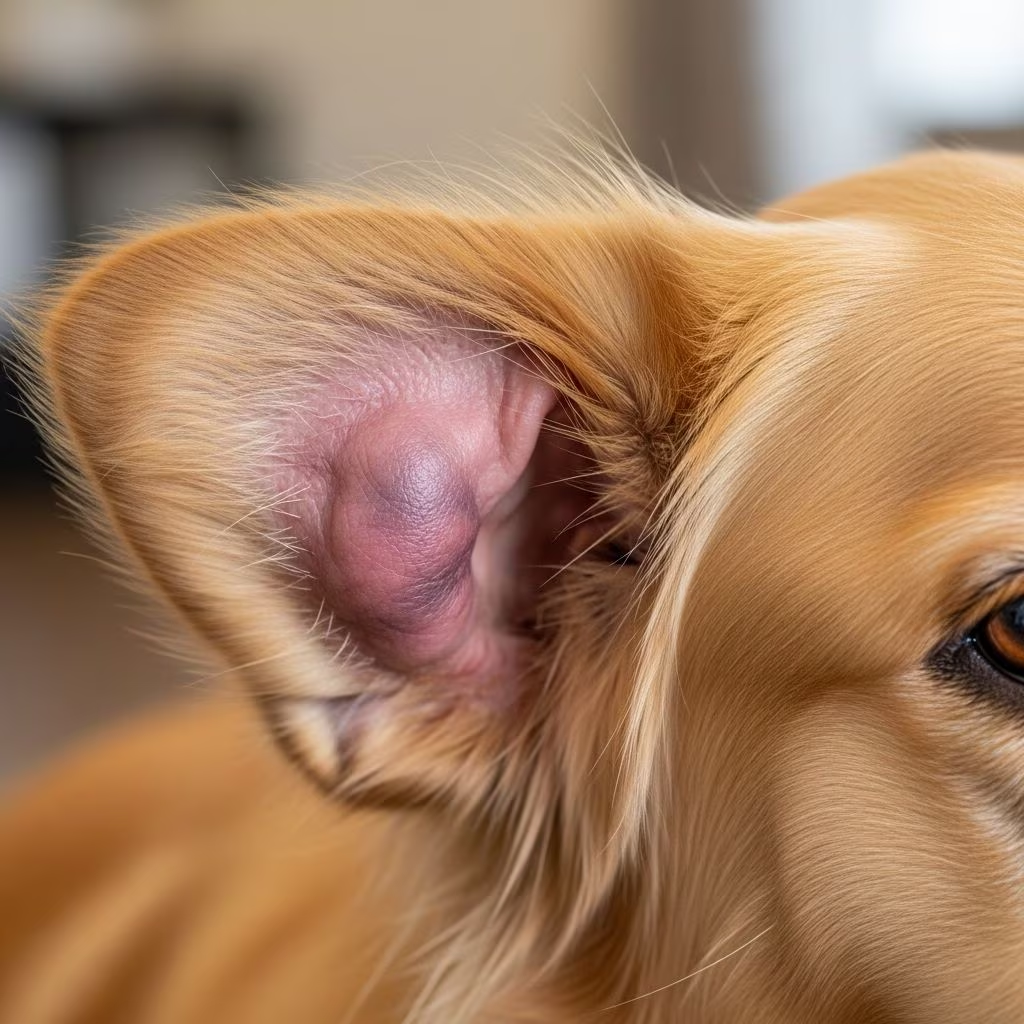
An ear hematoma in dogs, medically known as an aural hematoma, is a serious condition that requires prompt attention from a veterinarian. This painful affliction occurs when blood accumulates between the skin and cartilage of a dog’s ear flap, creating a noticeable swelling that can range from small localized areas to involvement of the entire pinna. Understanding this condition is essential for dog owners, as early recognition and treatment can prevent permanent damage and alleviate your pet’s discomfort.
What Is a Dog Ear Hematoma?
A dog ear hematoma develops when small blood vessels within the ear rupture and leak blood into the space between the ear’s skin and cartilage. Unlike a normal bruise that occurs under the skin on other parts of the body, an ear hematoma creates a fluid-filled pocket that causes the ear flap to swell significantly. The condition is particularly problematic because the ear’s unique anatomy traps the blood with nowhere for it to drain naturally.
The affected ear typically feels soft and spongy to the touch, and the swelling may feel warm due to inflammation. In some cases, the hematoma may involve only a portion of the ear, while in severe situations, the entire ear flap becomes swollen and thickened. Dogs often find this condition extremely painful, and any touch to the affected ear may cause them to yelp or pull away.
Understanding the Causes of Ear Hematomas
Ear hematomas in dogs develop through a specific mechanism: vigorous head shaking or excessive scratching causes the small blood vessels in the ear to rupture. However, this physical trauma is typically secondary to an underlying condition that makes dogs want to shake their heads or scratch in the first place. Understanding these root causes is crucial for preventing recurrence after treatment.
Primary Causes of Ear Hematomas
Ear Infections: Bacterial or yeast infections of the ear canal are among the most common causes of hematomas. These infections trigger intense itching and inflammation, causing dogs to shake their heads vigorously or scratch at their ears repeatedly. The repeated trauma from this behavior eventually ruptures blood vessels, leading to hematoma formation.
Allergies: Dogs suffering from allergies—whether food-related, environmental, or seasonal—often experience chronic ear inflammation and itching. This persistent irritation drives excessive scratching and head shaking, increasing the risk of blood vessel rupture and subsequent hematoma development.
Parasites: Ear mites, fleas, and ticks are parasitic invaders that cause significant ear irritation. Dogs with parasitic infestations will scratch aggressively at their ears, making hematoma formation more likely. Foreign objects such as grass seeds or dirt lodged in the ear canal can also trigger similar behaviors.
Direct Trauma: Physical injury to the ear from dog fights, rough play, accidents, or bee stings can directly damage blood vessels, causing them to rupture and leading to hematoma formation. In some cases, this trauma may occur without any underlying ear condition present.
Medical Conditions: Dogs with bleeding or clotting disorders may develop spontaneous hematomas with minimal or no trauma history. These underlying coagulation problems or immune-related diseases make blood vessels more fragile and prone to rupture.
Risk Factors
Certain dog breeds with floppy ears, such as Cocker Spaniels and Basset Hounds, face a higher risk of developing ear hematomas because their ear flaps naturally slap against their heads when they shake, causing repeated trauma.
Recognizing the Symptoms
Early recognition of ear hematoma symptoms can lead to faster treatment and better outcomes. Dog owners should watch for the following signs:
Primary Symptoms
Ear Swelling: The most obvious sign is a soft bulge or swelling of the ear flap. This swelling may appear suddenly and can vary in size from a small localized area to extensive involvement of the entire pinna.
Pain and Sensitivity: Affected dogs typically show pain when their ears are touched. They may cry out, shake their heads excessively, or try to avoid ear contact altogether.
Visible Discoloration: The affected area may show redness or bruising, indicating the internal bleeding and inflammation occurring beneath the skin.
Thickened Appearance: The ear may feel unusually thick and spongy rather than its normal thin, flexible texture.
Treatment Options for Ear Hematomas
The appropriate treatment depends on several factors, including the hematoma’s size, severity, location, your dog’s age and overall health status, and whether it is a first occurrence or recurring problem. Veterinarians have several treatment approaches available, ranging from conservative management to surgical intervention.
Non-Surgical Treatment Options
Needle Aspiration: For small hematomas or those recently formed, needle aspiration offers a relatively simple and inexpensive option. A veterinarian inserts a thin needle into the hematoma to drain the fluid, often followed by steroid injection to reduce inflammation and prevent refilling. While this procedure provides immediate relief, fluid may reaccumulate, requiring repeated visits for additional drainage sessions. This treatment is best suited for early-stage, smaller hematomas.
Cannulation: In some cases, veterinarians may place a small tube or drain inside the hematoma to allow continuous fluid drainage as the ear heals. This approach works particularly well in larger dog breeds with appropriately sized ear flaps.
Oral Medications: Oral steroids alone may successfully treat smaller hematomas or those in specific locations. These medications reduce inflammation and may prevent hematoma recurrence.
Surgical Treatment
For larger, more persistent, or recurring hematomas, surgical intervention is often the most effective treatment option. Surgery offers several advantages over non-surgical methods, including a higher success rate in preventing recurrence and significantly reduced risk of permanent ear deformity.
Surgical procedures typically involve making an incision, draining the blood and clots, and then suturing the skin to prevent fluid from re-accumulating. Many surgeons also place sutures that temporarily tack the ear flap together to promote proper healing and maintain natural ear shape. After surgery, a bandage or wrap supports the healing process, and veterinarians often recommend an Elizabethan collar to prevent dogs from scratching or interfering with the surgical site.
Addressing Underlying Causes
Regardless of which treatment approach is chosen, addressing any underlying ear condition is essential for preventing hematoma recurrence. If an ear infection is identified, antibiotic or antifungal ear drops will be prescribed. Dogs with allergies may require ongoing management, and parasitic infestations must be treated to eliminate the itching that triggered the original hematoma.
Why Prompt Treatment Is Essential
While ear hematomas can theoretically be reabsorbed by the body over time, this process is slow and painful for your dog. More importantly, untreated hematomas can lead to serious complications. Inflammation from the hematoma may cause significant scar tissue formation, resulting in a permanently distorted, cauliflower-shaped ear—damage that is often irreversible. The swelling can also block access to the ear canal, preventing treatment of underlying ear infections. Additionally, untreated hematomas are known to recur, with the swelling potentially refilling at any time if left unaddressed.
Treatment Comparison Table
| Treatment Method | Procedure Time | Cost Level | Recurrence Risk | Best For |
|---|---|---|---|---|
| Needle Aspiration | Quick (5-10 min) | Low | High (often needs repeats) | Small, recent hematomas |
| Steroid Injection | Quick (5-10 min) | Low | Moderate | Early-stage cases |
| Cannulation | Moderate (15-20 min) | Moderate | Moderate | Large breed ears |
| Oral Steroids | N/A (medication) | Low | Moderate to High | Small/localized hematomas |
| Surgery | Longer (requires anesthesia) | High | Low | Large/recurring hematomas |
Post-Treatment Care
After treatment, whether surgical or non-surgical, proper aftercare is crucial for successful healing. Your veterinarian will provide specific instructions, but general guidelines typically include:
Keep the ear clean and dry as directed by your veterinarian. Prevent your dog from scratching or shaking by using an Elizabethan collar if recommended. Administer all prescribed medications, including antibiotics or anti-inflammatory drugs, exactly as directed. Schedule follow-up appointments to monitor healing progress and check for any signs of recurrence. Address any underlying ear conditions with appropriate ongoing treatment, such as allergy management or parasite prevention.
Frequently Asked Questions
Q: Can ear hematomas heal on their own without treatment?
A: While hematomas may eventually be reabsorbed by the body, this process is extremely slow and painful. More importantly, untreated hematomas frequently result in permanent ear deformity due to scar tissue formation and ongoing inflammation.
Q: How long does it take for an ear hematoma to heal after treatment?
A: Healing time varies depending on the treatment chosen and the hematoma’s severity. Non-surgical treatments may take several weeks, while surgical repairs typically require 2-3 weeks for initial healing, though complete healing may take longer.
Q: Will my dog’s ear return to normal after treatment?
A: If treated promptly, especially with surgical intervention, the ear may return to near-normal appearance. However, some residual thickening or slight deformity may persist, particularly if treatment was delayed.
Q: Can ear hematomas come back after treatment?
A: Yes, recurrence is possible if the underlying cause is not addressed. For example, if an untreated ear infection led to the hematoma, your dog may develop another hematoma if the infection returns. Surgical treatment has a lower recurrence rate than non-surgical methods.
Q: What should I do if I notice my dog’s ear is swelling?
A: Contact your veterinarian promptly. Early diagnosis and treatment provide the best chance of successful recovery without permanent ear damage. Do not attempt to drain the hematoma yourself, as this risks infection and complications.
Q: Are certain breeds more prone to ear hematomas?
A: Dogs with floppy ears, such as Cocker Spaniels, Basset Hounds, and similar breeds, are at higher risk because their ear flaps naturally slap against their heads during shaking, causing repeated trauma.
References
- Understanding Ear Hematomas in Dogs: Expert Insights — Providence Veterinary Associates. Accessed 2025. https://providencevetva.com/understanding-ear-hematomas-in-dogs-expert-insights/
- Ear Hematoma in Dogs: Signs, Symptoms, and Treatments — American Kennel Club. Accessed 2025. https://www.akc.org/expert-advice/health/ear-hematoma-in-dogs/
- Understanding Ear Hematomas in Dogs: Your Go-To Guide — Veterinary Medical and Surgical Centers. Accessed 2025. https://vetmedirc.com/understanding-ear-hematomas-in-dogs-your-go-to-guide/
- Hematoma of the Ear in Dogs — VCA Animal Hospitals. Accessed 2025. https://vcahospitals.com/know-your-pet/hematoma-of-the-ear-in-dogs
- Ear Hematoma in Dogs — Small Door Veterinary. Accessed 2025. https://www.smalldoorvet.com/learning-center/medical/ear-hematoma-in-dogs
- Ear Hematoma in Dogs: Why Immediate Care Is Critical — Georgia School of Veterinary Medicine. Accessed 2025. https://gsvs.org/blog/ear-hematoma-dogs-immediate-care/
- Dog Ear Hematoma Treatment — Lane Veterinary. Accessed 2025. https://lanevet.com/blog/dog-ear-hematoma-treatment/
- Aural Hematoma — American College of Veterinary Surgeons. Accessed 2025. https://www.acvs.org/small-animal/aural-hematoma/



