

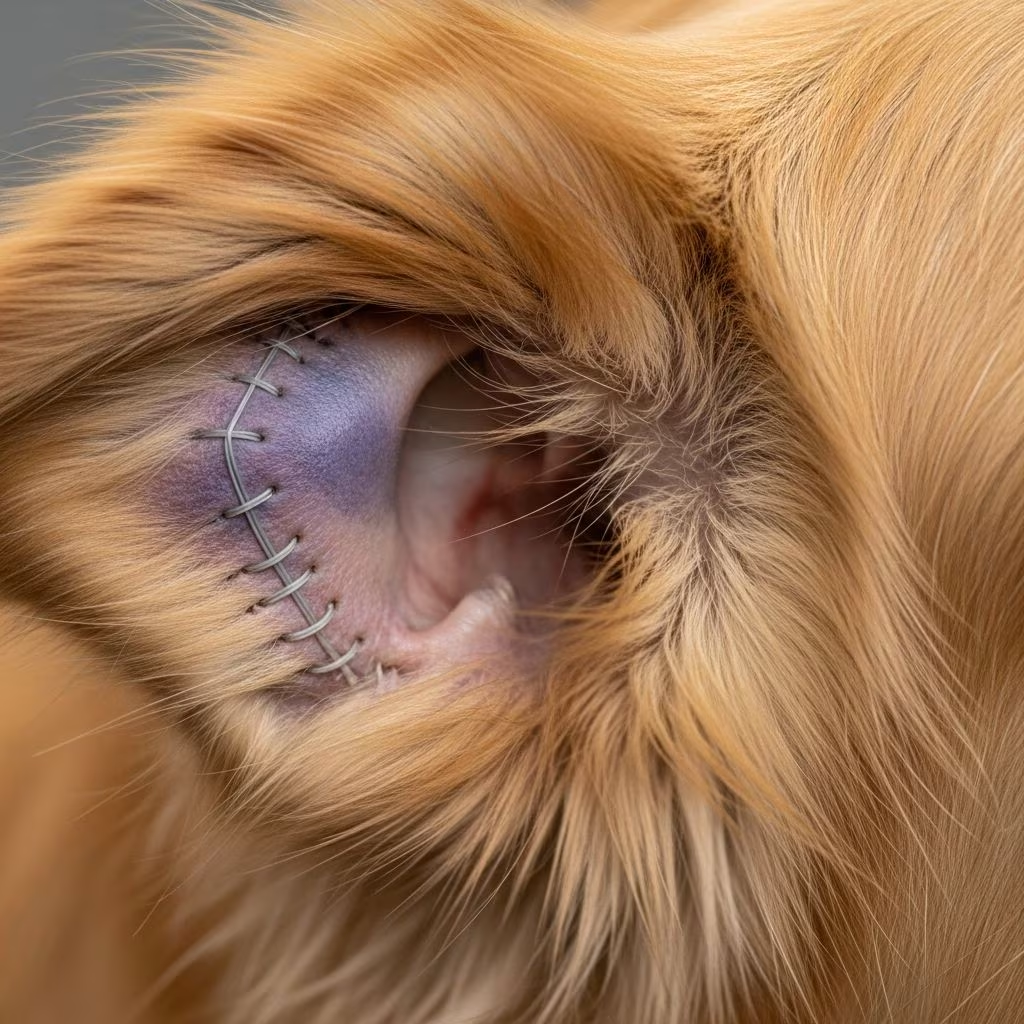
A dog ear hematoma, also known as an aural hematoma, involves blood pooling between the skin and cartilage of the ear flap, leading to painful swelling that requires prompt attention. Healing timelines vary based on treatment, with untreated cases taking 3-6 weeks or longer, while surgical intervention often resolves issues in 2-4 weeks.
Recognizing the Signs of Ear Hematoma in Dogs
Early detection is vital for minimizing discomfort and preventing complications. Owners often notice a soft, fluid-filled bulge on the ear flap, which can range from small pockets to covering the entire pinna. The affected ear may feel warm, appear reddened, or show bruising, and dogs typically exhibit head tilting, excessive shaking, or reluctance to have the area touched due to pain.
- Swelling and bulge: A squishy or firm lump that distorts the ear’s shape.
- Pain indicators: Whining, pawing at the ear, or head shaking.
- Secondary signs: Head tilt toward the affected side or general lethargy.
These symptoms arise from ruptured blood vessels, often triggered by self-inflicted trauma. Ignoring them risks permanent deformity, like a crinkled “cauliflower ear,” as the body slowly absorbs the blood and forms scar tissue.
Primary Triggers Behind Ear Hematomas
Hematomas rarely occur in isolation; they stem from underlying issues causing irritation and vigorous self-trauma. Common culprits include infections, allergies, and physical injuries, with floppy-eared breeds like Cocker Spaniels and Basset Hounds at higher risk due to ear flap movement during shaking.
| Cause | Description | Risk Factors |
|---|---|---|
| Ear Infections | Bacterial or yeast overgrowth leads to itching, prompting aggressive scratching and head shaking that bursts vessels. | Moist ear environments, untreated otitis externa. |
| Allergies | Food, pollen, or environmental triggers inflame ears, causing chronic itchiness and trauma. | Breeds prone to atopy, seasonal exposures. |
| Trauma | Direct impacts from play, fights, or accidents rupture vessels outright. | Roughhousing dogs, outdoor activities. |
| Parasites | Mites, fleas, or ticks irritate the ear canal, escalating scratching. | Uncontrolled flea populations, poor grooming. |
Addressing these root causes is essential, as simply draining the hematoma without treating the trigger leads to recurrence.
Available Treatment Approaches for Quick Relief
Veterinarians tailor treatments to hematoma size, dog health, and underlying issues, prioritizing pain relief and preventing re-accumulation. Options range from conservative to invasive, with surgery often preferred for lasting results.
Non-Surgical Methods
For smaller hematomas, vets may aspirate fluid with a needle, sometimes injecting steroids to reduce inflammation and discourage refilling. Oral steroids or antibiotics target infections, but multiple drainings are common, extending recovery. Cannulization inserts a tube for ongoing drainage, paired with bandages. These suit mild cases but risk infection or deformity if fluid rebuilds.
Surgical Interventions
Surgery provides the gold standard, involving an incision to evacuate blood, followed by sutures tacking the skin to cartilage, eliminating dead space. Drains may be placed temporarily, and an e-collar prevents interference. Performed under anesthesia, it preserves ear shape and resolves issues in 10-14 days post-op. Concurrent ear cleaning and meds address root causes.
Post-treatment, expect bandaging for 1-2 weeks, with suture removal around day 14. Success rates are high, with low recurrence when underlying problems are managed.
Expected Recovery Periods with and Without Intervention
Healing duration hinges on approach: untreated hematomas resolve slowly via natural absorption (3-6 weeks+), often scarring permanently. Treated cases heal faster and cleaner.
- Untreated: 3-6 weeks for absorption, but cauliflower ear likely; pain persists.
- Aspiration/Steroids: 1-3 weeks, multiple visits possible.
- Cannulization: 2-4 weeks, monitoring required.
- Surgery: 2-4 weeks total, with swelling gone in 7-10 days.
Factors like hematoma size, infection presence, and compliance with e-collar use influence timelines. Full ear shape restoration demands early surgery. Monitor for refilling, infection (pus, odor), or dehiscence.
Providing Home Support During Recovery
Post-vet care accelerates healing and prevents setbacks. Keep the ear clean and dry, administer prescribed meds precisely, and enforce e-collar use.
- Prevent head shaking: Use cone collars 24/7 initially.
- Clean gently: Follow vet instructions for topical applications.
- Monitor daily: Check for heat, discharge, or behavior changes.
- Comfort measures: Offer soft bedding, limit activity.
- Diet tweaks: Hypoallergenic food if allergies suspected.
Avoid home remedies like ice or compression, as they risk further damage. Schedule follow-ups to confirm resolution.
Preventing Future Ear Hematoma Episodes
Proactive steps target root causes, drastically cutting recurrence odds. Routine ear exams during grooming catch issues early.
- Regular cleaning: Use vet-approved solutions weekly for floppy ears.
- Allergy management: Testing, medicated shampoos, or diets.
- Infection vigilance: Prompt treatment of otitis.
- Parasite control: Monthly preventives.
- Breed awareness: Extra care for pendulous ears.
Annual vet checkups and prompt itch response maintain ear health long-term.
Frequently Asked Questions About Dog Ear Hematomas
Will a dog ear hematoma go away on its own?
Yes, but it takes 3-6 weeks or more, often causing permanent scarring and prolonged pain. Treatment is recommended for comfort and cosmetics.
How painful is an ear hematoma for dogs?
Very; swelling pressures tissues, worsened by underlying irritation. Pain meds are standard in care.
Can I drain my dog’s ear hematoma at home?
No, this risks infection, incomplete drainage, and recurrence. Seek veterinary care.
What breeds are prone to ear hematomas?
Dogs with floppy ears: Labs, Spaniels, Hounds, due to trauma susceptibility.
How much does surgery cost?
Varies by location/clinic; consult your vet for estimates. Often $300-1000+ including follow-up.
Long-Term Outlook and Complications to Watch
With proper treatment, most dogs recover fully without issues, ears returning to near-normal. Untreated or recurrent cases risk chronic deformity, blocked ear canals hindering infection treatment, or repeated episodes. Rarely, abscesses form if infected. Early intervention ensures optimal outcomes.
Consult a vet immediately upon noticing swelling. Hematomas signal deeper problems, so holistic management is key to your dog’s well-being.
References
- Dog Ear Hematoma: Causes and Treatment Options — Dix Hills Animal Hospital. 2023. https://dixhillsanimalhospital.com/blog/dog-ear-hematoma-causes-and-treatment-options/
- Understanding Ear Hematomas in Dogs: Your Go-To Guide — VetMedIRC. 2024. https://vetmedirc.com/understanding-ear-hematomas-in-dogs-your-go-to-guide/
- Ear Hematoma in Dogs: Signs, Symptoms, and Treatments — American Kennel Club (AKC). 2023-10-15. https://www.akc.org/expert-advice/health/ear-hematoma-in-dogs/
- Hematoma on Dog’s Ear: What to Do — Mills Animal Hospital. 2024. https://millsmarietta.com/blog/hematoma-on-dogs-ear-what-to-do/
- Dog Ear Hematoma Treatment — Lane Animal Hospital. 2023. https://lanevet.com/blog/dog-ear-hematoma-treatment/
- Recognizing and Treating Ear Hematomas in Dogs — Cobb Animal Hospital. 2024. https://cobb.vet/recognizing-and-treating-ear-hematomas-in-dogs/
- Ear Hematoma in Dogs: Why Immediate Care Is Critical — GSVS. 2023. https://gsvs.org/blog/ear-hematoma-dogs-immediate-care/



