

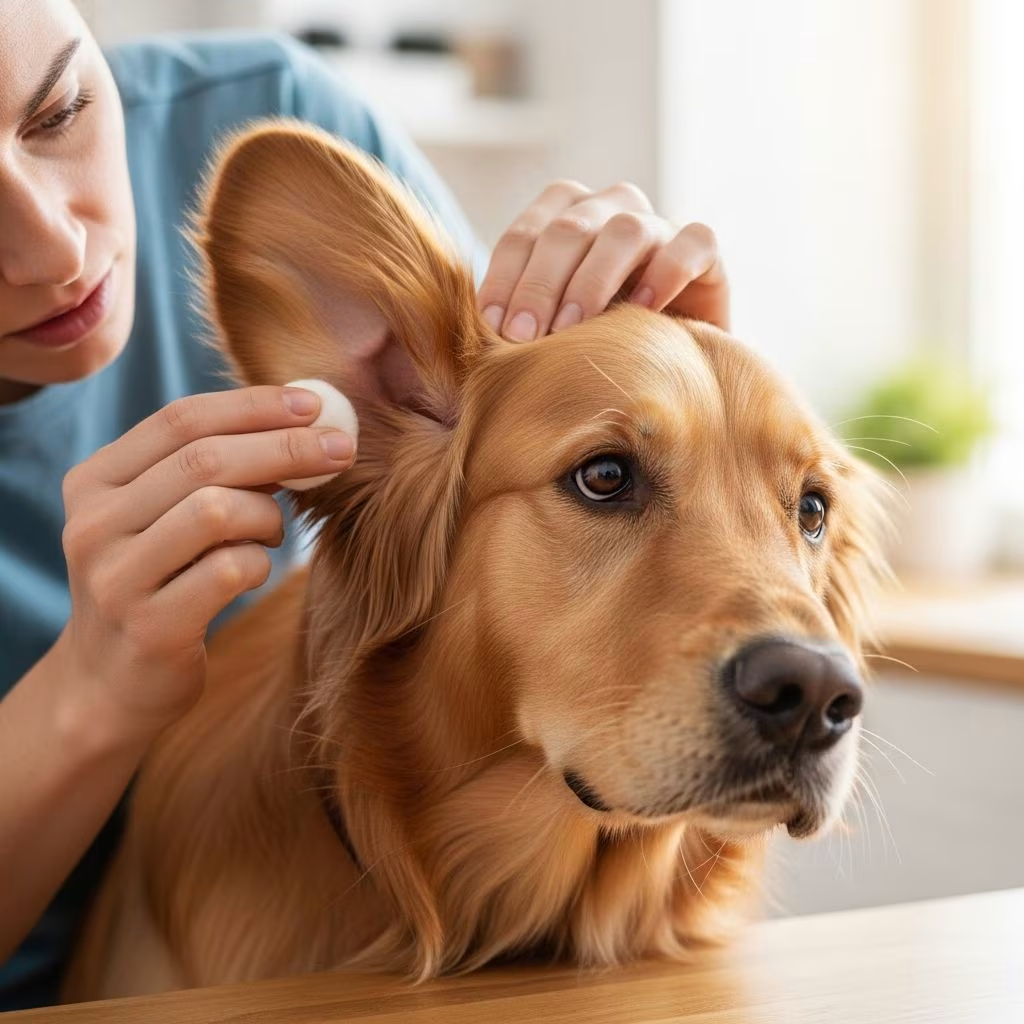
Proper ear maintenance is vital for dogs, as unclean or mishandled ears can lead to infections, discomfort, and long-term health problems. Many owners unintentionally make errors during cleaning that worsen issues rather than resolve them. This article outlines key pitfalls to avoid, provides a reliable cleaning protocol, and shares strategies for ongoing ear wellness, drawing from veterinary expertise.
Understanding Canine Ear Anatomy and Common Issues
Dogs have L-shaped ear canals that trap moisture, wax, and debris more easily than human ears, making them prone to infections from yeast, bacteria, or mites. Breeds with floppy ears, such as Cocker Spaniels or Basset Hounds, face higher risks due to reduced airflow. Symptoms of trouble include head shaking, odor, redness, discharge, or scratching. Early intervention prevents chronic conditions requiring medical treatment.
Regular cleaning removes buildup but must be done correctly to avoid pushing debris deeper or causing injury. Ignoring underlying causes like allergies or water exposure exacerbates problems.
Critical Errors That Harm Your Dog’s Ears
Avoid these frequent missteps to ensure safe hygiene routines.
1. Inserting Cotton Swabs Deep into the Canal
Using Q-tips or similar tools is a top danger, as they can puncture the eardrum, lodge debris further in, or cause trauma. Veterinary sources unanimously warn against this, recommending fingers’ reach as the limit for any wiping.
2. Selecting Inappropriate Cleaning Agents
Household items like hydrogen peroxide, alcohol, or wax removers irritate sensitive skin and disrupt the ear’s natural pH. Opt for vet-formulated solutions that are gentle, non-irritating, and designed for pets.
3. Skipping the Pre-Cleaning Inspection
Cleaning inflamed or infected ears spreads infection. Always check for swelling, foul smells, or pus first; consult a vet if present. Cleaning healthy ears prevents issues, but forcing it on problematic ones delays proper care.
4. Neglecting the Massage and Shake Steps
Simply applying cleaner without massaging the base for 20-30 seconds fails to loosen wax effectively. Allowing head shaking afterward lets debris exit naturally. Skipping these reduces cleaning efficacy.
5. Over-Cleaning or Under-Cleaning
Daily scrubs strip protective oils, causing dryness and irritation, while infrequent cleaning allows buildup. Frequency depends on breed and lifestyle—weekly for most, more for swimmers—but always vet-guided.
6. Ignoring Moisture After Water Activities
Baths or swims leave damp ears breeding grounds for bacteria. Fail to dry thoroughly invites otitis externa. Use absorbent materials post-exposure.
7. Using Dirty or Contaminated Tools
Reusing cotton balls between ears or not cleaning applicator tips transfers bacteria. Fresh supplies per ear and alcohol wipes for bottles maintain sterility.
Essential Supplies for Effective Ear Cleaning
Gather these vetted items for success:
- Veterinarian-recommended ear solution (pH-neutral, alcohol-free).
- Cotton balls or gauze squares (real cotton preferred).
- Clean towel or mat to manage shakes.
- Treats for positive reinforcement.
- Tweezers for hairy-eared breeds (outer use only).
Avoid synthetics or swabs. Store solutions at room temperature.
Step-by-Step Guide to Safe Dog Ear Cleaning
Follow this proven method for best results. Perform in a contained area like a bathtub to contain mess.
- Prepare and Calm: Seat your dog comfortably, let them sniff the cleaner, and offer a treat.
- Inspect: Lift the flap; note abnormalities and stop if painful.
- Apply Solution: Hold flap up, fill canal without touching the tip to the ear.
- Massage: Gently rub base for 30 seconds until squishing sounds.
- Shake: Release; cover with towel as they shake out debris.
- Wipe: Use fresh cotton/gauze on finger to clean visible areas only.
- Dry: Pat dry; reward lavishly.
- Repeat: Other ear with new materials.
If resistance or pain occurs, halt and seek professional help.
Frequency and Breed-Specific Considerations
| Breed Type | Recommended Frequency | Key Notes |
|---|---|---|
| Floppy Ears (e.g., Labs, Spaniels) | Weekly | Monitor for moisture; prone to infections. |
| Upright Ears (e.g., German Shepherds) | Bi-weekly | Less buildup but check for debris. |
| Swimmers/Active Water Dogs | After each exposure + weekly | Dry thoroughly to prevent yeast. |
| Hairy-Eared (e.g., Poodles) | Weekly + pluck if needed | Trim hair professionally. |
Adjust per vet advice, especially for allergy-prone dogs.
Preventive Strategies for Long-Term Ear Health
Proactive habits minimize cleaning needs:
- Dry Post-Water: Towel ears after baths/swims.
- Allergy Management: Treat food/environmental triggers.
- Regular Vets: Annual exams catch issues early.
- Diet and Grooming: Omega-3s support skin; professional plucking for hairy breeds.
- Monitor Play: Avoid roughhousing in dirty water.
These reduce infection odds significantly.
When to Consult a Veterinarian
Seek help if you observe:
- Persistent odor, discharge, or blood.
- Redness, swelling, or balance loss.
- Pain during handling.
- No improvement post-cleaning.
Vets may prescribe meds or deep clean under sedation.
Frequently Asked Questions (FAQs)
How often should I clean my dog’s ears?
Typically weekly for at-risk breeds, but consult your vet for personalized schedules.
Can I use baby wipes for ear cleaning?
No; they lack proper formulation and may irritate.
What if my dog hates ear cleaning?
Use treats, two-person teams, or sedation-free vet demos. Patience builds tolerance.
Is ear cleaning necessary for all dogs?
Yes for prevention, especially floppy or active ones.
How do I know if it’s an infection?
Look for scratching, head tilt, or discharge; vet confirmation needed.
Advanced Tips for Challenging Cases
For chronic issues, combine cleaning with vet-prescribed dries or antibiotics. Home hydrotherapy aids drying but never substitute professional care. Track symptoms in a journal for vet visits.
Teaching commands like “ear time” with rewards eases future sessions. For multi-pet homes, clean one at a time to avoid cross-contamination.
References
- Keep Your Pet’s Ears Happy: Easy Ear Cleaning Tips from Santa Monica Vets — Santa Monica Vet. Accessed 2026. https://santamonicavet.com/keep-your-pets-ears-happy-easy-ear-cleaning-tips-from-santa-monica-vets/
- Clean Your Dog’s Ears — Wake Veterinary Medical Center. Accessed 2026. https://wakeveterinarymedicalcenter.com/clean-your-dogs-ears/
- Instructions for Ear Cleaning in Dogs — VCA Animal Hospitals. Accessed 2026. https://vcahospitals.com/know-your-pet/instructions-for-ear-cleaning-in-dogs
- How to Clean your Dog’s Ears — Merck Veterinary Manual. Accessed 2026. https://www.merckvetmanual.com/multimedia/table/how-to-clean-your-dogs-ears
- Deep Ear Cleaning for Dogs — Douglasville Veterinary Hospital. 2023-06-17. https://www.douglasvillevh.com/site/blog/2023/06/17/dog-ear-cleaning
- How to Clean a Dog’s Ears — American Kennel Club. Accessed 2026. https://www.akc.org/expert-advice/health/how-to-clean-dogs-ears/



