

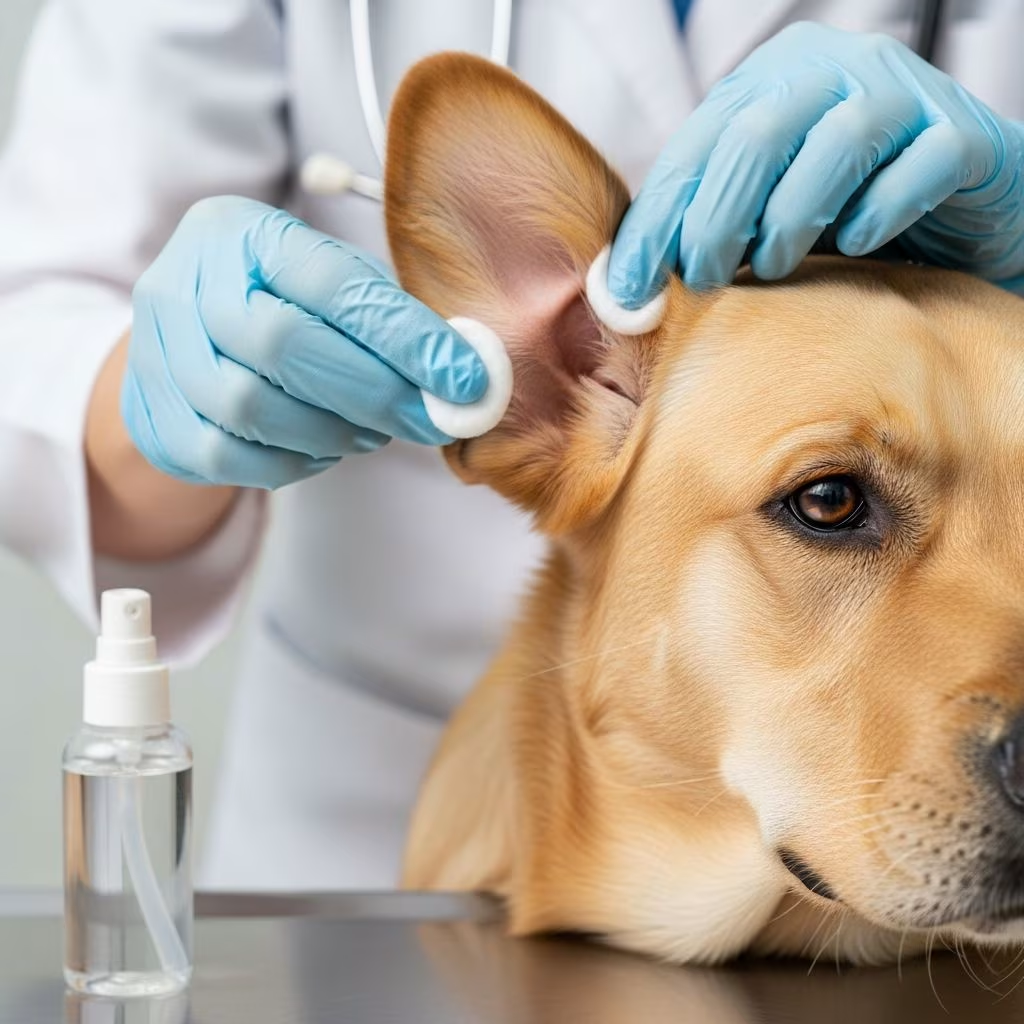
How to Clean Your Dog’s Ears: A Complete Step-by-Step Guide
Maintaining your dog’s ear health is an essential part of pet care that often gets overlooked by many dog owners. Regular ear cleaning can help prevent infections, reduce odor, and ensure your furry companion remains comfortable and healthy. Whether your dog has floppy ears that trap moisture or stands with alert ears, learning the proper technique for ear cleaning is crucial to avoid damaging the delicate ear structures. This comprehensive guide will walk you through every step of the process, ensuring you can safely and effectively clean your dog’s ears at home.
Why Regular Ear Cleaning Matters
Dogs are susceptible to ear infections and wax buildup, which can lead to discomfort, hearing problems, and costly veterinary treatments. Certain breeds with longer ears or those that spend time in water require more frequent cleaning than others. By establishing a regular ear cleaning routine, you can catch potential issues early and maintain your dog’s overall wellness. The frequency of cleaning varies depending on your dog’s breed, lifestyle, and ear structure, so it’s important to consult with your veterinarian about the ideal cleaning schedule for your specific pet.
Essential Supplies You’ll Need
Before you begin the ear cleaning process, gather all necessary materials to ensure a smooth and efficient experience for both you and your dog. Having everything prepared in advance prevents unnecessary delays and keeps your dog calm during the procedure.
Here are the supplies you’ll need:
- Real cotton balls or cotton gauze pads (not synthetic alternatives)
- Veterinarian-approved ear cleaning solution specifically formulated for dogs
- Clean, dry towel for drying and protection
- Treats for positive reinforcement
- Optional: warm water to gently warm the cleaning solution
It’s crucial to avoid using household items like hydrogen peroxide, rubbing alcohol, vinegar, or essential oils, as these can irritate your dog’s sensitive ear tissue and cause more harm than good. Always use a cleaning solution that has been specifically formulated and approved by veterinarians for use in dog ears.
Step-by-Step Instructions for Cleaning Your Dog’s Ears
Step 1: Get Into Position
Begin by positioning yourself and your dog comfortably. Sit or stand on the side opposite to the ear you’ll be cleaning first. Gently place one arm over your dog’s shoulders and the other around their head and neck to provide stability and prevent sudden head movements. If you have a larger dog, you might consider having another person assist you by holding the dog steady. For smaller dogs, placing them on a raised, non-slip surface can make the process easier and more comfortable for your back.
Step 2: Hold the Ear Cleaning Solution in Your Dominant Hand
Grasp the bottle of ear cleaning solution firmly in your dominant hand. This ensures you maintain control over the bottle and can apply the solution precisely without spilling excessively or inserting the bottle tip into your dog’s ear canal. Keep the bottle ready but avoid squeezing it until you’ve properly positioned your dog’s ear.
Step 3: Expose the Ear and Straighten the Canal
With your non-dominant hand, gently but firmly grasp the tip of your dog’s ear flap and pull it straight up to expose the inner ear and straighten the ear canal. This maneuver is essential because dog ears have an L-shaped canal, and pulling the ear upward straightens this canal, allowing the cleaning solution to flow properly. Be gentle but confident in your movements to avoid causing discomfort to your dog.
Step 4: Fill the Ear Canal With Cleaning Solution
Squeeze an adequate amount of ear cleaning solution into your dog’s ear canal until it’s completely filled. It’s perfectly acceptable if some of the solution spills out—this is normal and expected. The goal is to ensure the entire ear canal is filled with the cleaning solution to effectively loosen debris and wax buildup. Importantly, never insert the bottle tip directly into your dog’s ear, as this can introduce bacteria or yeast. If the bottle does accidentally touch your dog’s ear, immediately wipe the tip with a clean cotton ball soaked in alcohol to prevent contamination.
Step 5: Massage the Ear Base
Once the cleaning solution is in the ear, gently massage the base of the ear using a slow, upward motion. Massage for approximately 30 seconds to a full minute, depending on the amount of debris present. This massage action helps the cleaning solution penetrate deep into the ear canal and loosens accumulated wax and debris. You may hear a squishing sound, which indicates the solution is moving through the canal—this is exactly what you want to achieve.
Step 6: Wipe Away Initial Debris
While still holding the ear flap up, use a cotton ball or gauze pad to wipe away debris from the inner part of the ear flap and the upper ear canal. Work gently from the inside of the ear outward toward the ear flap. Don’t push the cotton ball deep into the canal at this stage; you’re simply removing the loosened material that has worked its way toward the outer ear.
Step 7: Allow Your Dog to Shake His Head
Now comes the most satisfying part of the process—release your dog and let them shake their head vigorously. This natural head-shaking action allows the remaining ear cleaning solution and loosened debris to move out of the ear canal toward the outer opening. This shaking motion is incredibly effective and does much of the cleaning work for you. Don’t be surprised if the debris comes out quite forcefully; this is normal and means the cleaning is working. Use the towel to protect yourself from spray and to wipe your dog’s face afterward.
Step 8: Remove Loosened Debris From the Outer Ear
Once your dog has finished shaking, hold the ear flap up again and use a fresh cotton ball or gauze to remove the loosened debris and cleaning solution from the outer opening of the ear canal. Wipe away all visible discharge and solution that has accumulated. This step is important for preventing moisture from remaining in the ear, which could lead to bacterial growth or infection.
Step 9: Clean the Inner Ear Canal Carefully
Using a clean cotton ball or gauze, gently remove any remaining debris and cleaning solution from inside the ear canal. Only go as far into the canal as your finger will easily reach—approximately one knuckle deep. This guideline is crucial because it prevents you from accidentally damaging deeper structures of the ear. Never use cotton-tipped applicators or Q-tips under any circumstances. These tools can damage the sensitive ear canal and eardrum, or push debris further into the canal rather than removing it. Stick exclusively to cotton balls or gauze for safe and effective cleaning.
Step 10: Praise Your Dog and Provide Treats
After completing the cleaning, immediately praise your dog enthusiastically and offer them high-value treats. This positive reinforcement helps your dog associate ear cleaning with good things and will make the process much easier during future sessions. Your dog’s cooperation and patience deserve recognition and reward.
Step 11: Repeat With the Other Ear
Now repeat the entire process with your dog’s other ear, following all the same steps from positioning through to treats and praise. If your dog appears to be in pain during the cleaning process, stop immediately and consult your veterinarian before continuing. Pain could indicate an underlying infection or ear problem that requires professional medical attention.
Step 12: Follow Your Veterinarian’s Recommendations
Repeat the entire cleaning procedure as frequently as recommended by your veterinarian. The ideal cleaning frequency varies depending on your dog’s breed, ear structure, lifestyle, and health status. Generally, most dogs benefit from weekly or bi-weekly cleaning, while dogs with water exposure may need more frequent cleaning. Never over-clean your dog’s ears, as this can cause irritation and increase the risk of infection.
Important Safety Warnings and What to Avoid
Never Use Cotton-Tipped Applicators
This cannot be emphasized enough: never use Q-tips or cotton-tipped applicators to clean your dog’s ears. These tools pose serious risks including potential damage to the ear canal, perforation of the eardrum, and pushing debris deeper into the canal where it becomes trapped and may cause infection. Cotton balls or gauze are always the safer choice.
Avoid Harmful Household Products
Many pet owners are tempted to use common household items to clean their dog’s ears, but these products can cause serious harm. Hydrogen peroxide can irritate healthy skin cells and cause long-term damage to sensitive ear tissue. Rubbing alcohol is similarly irritating and can damage the ear canal. Vinegar and olive oil, while popular home remedies, can also cause irritation and infection. Always stick to veterinary-approved ear cleaners specifically formulated for dogs.
Don’t Insert the Bottle Tip Into the Ear
When applying the cleaning solution, never allow the bottle tip to touch the inside of your dog’s ear. This practice helps prevent introducing bacteria, yeast, or other contaminants directly into the ear canal. If accidental contact occurs, wipe the bottle tip immediately with an alcohol-soaked cotton ball before using it again.
Choosing the Right Ear Cleaning Solution
Selecting the appropriate cleaning solution is fundamental to successful ear cleaning. Your veterinarian can recommend the best option for your dog’s specific needs. Many veterinary practices carry approved ear cleaning solutions, and these products are also available through online pet retailers and pet supply stores. Quality veterinary-formulated ear cleaners are designed to be gentle enough for regular use while remaining powerful enough to effectively remove wax and debris. Avoid generic over-the-counter products or wax removal liquids intended for human use, as these are not formulated for your dog’s unique ear physiology.
Signs Your Dog Needs Professional Veterinary Care
While regular home ear cleaning is an important preventive measure, certain situations require professional veterinary attention. Stop the cleaning process immediately and contact your veterinarian if you notice:
- Excessive redness or swelling in the ear
- Foul odors coming from the ears
- Dark or bloody discharge
- Signs of pain or discomfort during cleaning
- Persistent scratching or head shaking
- Visible masses or abnormalities in the ear
- Thick, yellowish, or greenish discharge suggesting infection
These signs may indicate ear infections, parasites, allergies, or other conditions that require professional diagnosis and treatment. Attempting to treat these conditions at home could worsen the problem and cause additional discomfort to your dog.
Frequently Asked Questions About Dog Ear Cleaning
Q: How often should I clean my dog’s ears?
A: The frequency depends on your dog’s breed, ear structure, and lifestyle. Generally, most dogs benefit from weekly or bi-weekly cleaning. Dogs with floppy ears, water exposure, or certain breeds may need more frequent cleaning. Always follow your veterinarian’s specific recommendations for your dog.
Q: Can I use human ear cleaning products on my dog?
A: No, human ear cleaning products are not appropriate for dogs. Dog ears have different pH levels and anatomy than human ears. Always use cleaning solutions specifically formulated and approved for use in dog ears by veterinarians.
Q: What should I do if my dog’s ears smell bad?
A: Bad odors can indicate ear infections or other problems. Stop home cleaning and consult your veterinarian for professional evaluation. Self-treating could mask symptoms of a serious condition that requires medical attention.
Q: Can I warm the ear cleaning solution?
A: Yes, gently warming the solution in a bowl of warm water can make the process less uncomfortable for your dog. Never microwave the solution or overheat it, as this can damage the solution’s effectiveness and potentially harm your dog’s ears.
Q: Is it normal for cleaning solution to spill out of the ear?
A: Yes, this is completely normal and expected. You want to fill the ear canal completely with solution, so some spillage is inevitable. Just wipe away excess solution with a towel afterward.
Q: What if my dog won’t hold still during ear cleaning?
A: Make the experience positive with lots of praise and treats. Practice handling your dog’s ears gently outside of cleaning time to get them accustomed to touch. If your dog is extremely resistant or in pain, consult your veterinarian, as they may recommend sedation for professional cleaning.
References
- Instructions for Ear Cleaning in Dogs — VCA Animal Hospitals. 2025. https://vcahospitals.com/know-your-pet/instructions-for-ear-cleaning-in-dogs
- How to Clean Dog Ears: A Step-by-Step Guide — GoodRx Pet Health. 2025. https://www.goodrx.com/pet-health/dog/how-to-clean-dog-ears
- How to Clean Your Dog’s Ears — Merck Veterinary Manual. 2025. https://www.merckvetmanual.com/multimedia/table/how-to-clean-your-dogs-ears
- How To Keep Dog Ears Clean — PetMD. 2025. https://www.petmd.com/dog/general-health/how-to-keep-dog-ears-clean
- How to Clean a Dog’s Ears — American Kennel Club. 2025. https://www.akc.org/expert-advice/health/how-to-clean-dogs-ears/
- Cleaning Your Dog’s Ears — Virbac. 2025. https://us.virbac.com/dog/ear-health/cleaning-your-dogs-ears



