
Dog Dry Skin: Causes, Treatments, and Prevention
Complete guide to understanding, treating, and preventing dry, flaky skin in dogs.
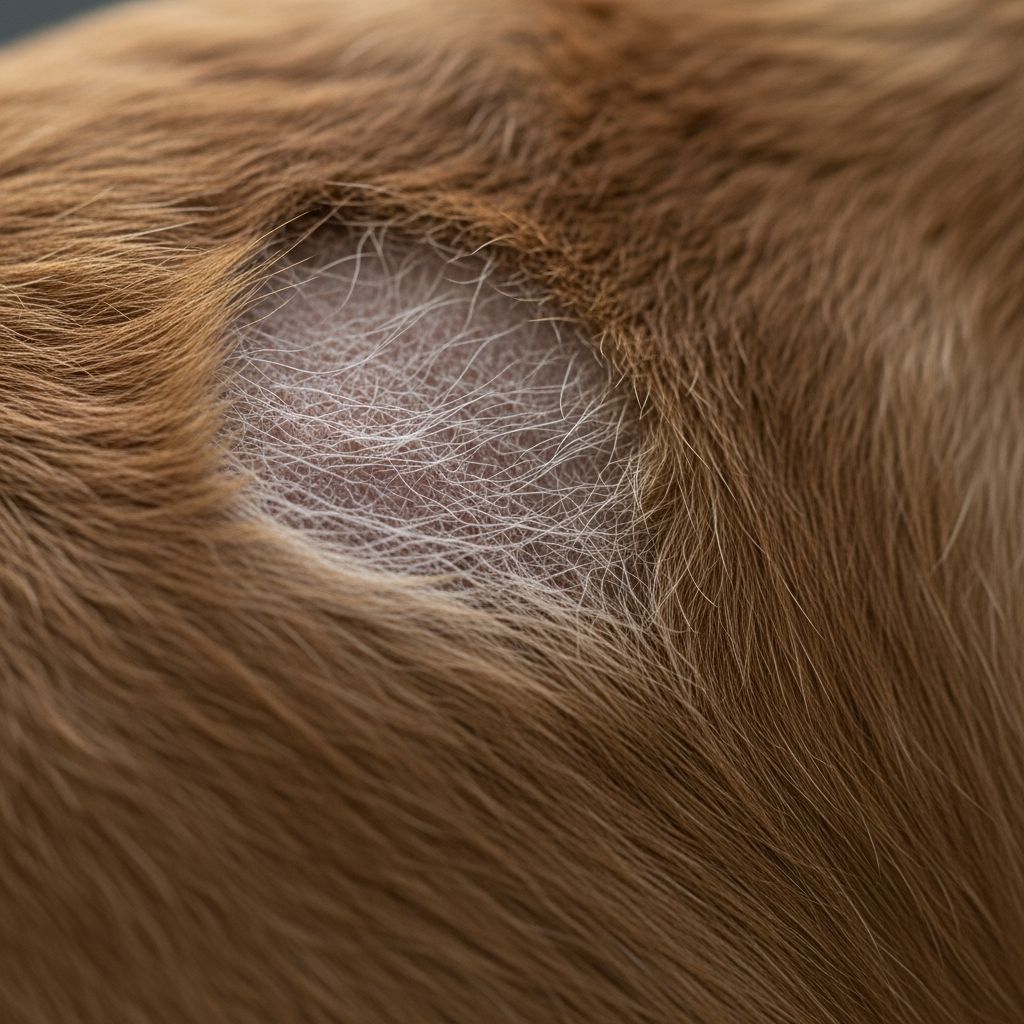
Dry skin in dogs is a common concern that affects many pet owners. When your dog develops dry, flaky skin, it can lead to discomfort, itching, and potential secondary infections if left untreated. Understanding the underlying causes, recognizing the signs, and knowing how to treat and prevent dry skin can help keep your furry companion comfortable and healthy. This comprehensive guide will walk you through everything you need to know about canine dry skin.
Key Takeaways
- Multiple causes can lead to dry skin in dogs—if you notice changes in your dog’s skin or coat, consult your veterinarian
- Common symptoms of dry skin include itchiness, hair loss, scabbing, and cracked skin
- Treatment options range from oral supplements and dietary changes to reducing bathing frequency and using humidifiers
- Prevention involves maintaining proper nutrition, using gentle grooming products, and regular parasite prevention
- Early diagnosis and proper treatment typically result in quick resolution of most cases
What Causes Dry Skin on Dogs?
Dry skin in dogs stems from various causes, some more serious than others. Understanding what triggers your dog’s dry skin is essential for effective treatment. Changes in your dog’s skin warrant a veterinary evaluation to rule out underlying health conditions and develop an appropriate treatment plan.
Common Causes of Canine Dry Skin
Several factors can contribute to dry skin development in dogs:
- Allergies: Both food and environmental allergies can trigger dry, itchy skin
- Parasites: Fleas, ticks, mites, and lice can damage the skin barrier and cause dryness
- Poor Diet and Nutritional Deficiencies: Incomplete or unbalanced meals lacking essential vitamins and minerals
- Low Humidity Levels: Dry air from heating systems or desert climates can strip moisture from the skin
- Harsh Grooming Products: Inappropriate shampoos and conditioners can disrupt the skin’s natural oil balance
- Overbathing: Frequent bathing removes protective natural oils from the coat
- Health Conditions: Cushing’s disease, hypothyroidism, skin infections, seborrhea, pyoderma, and obesity
- Exposure to Extremely Dry Air: Dogs living in regions with very low humidity, such as the Great Plains, face increased risk
- Age-Related Factors: Senior dogs over seven years old are more prone to dry, flaky skin than younger dogs
- Breed Predisposition: Certain breeds, including hairless varieties and northern breeds, have greater susceptibility to skin conditions
Many dry skin cases have simple fixes once properly diagnosed by your veterinarian. This is why professional evaluation is crucial when you notice changes in your dog’s skin or coat.
Recognizing Symptoms of Dry Skin in Dogs
Identifying dry skin early allows for prompt treatment and prevents complications. Watch for these warning signs that indicate your dog may be experiencing dry skin issues:
- Flaky patches: Visible white or gray flakes on the skin and coat, similar to human dandruff
- Itchiness and scratching: Excessive scratching, licking, or biting at the skin
- Dull or brittle coat: Loss of shine and luster in the fur
- Hair loss: Bald patches or thinning fur from constant scratching
- Scabbing and crusting: Open sores or crusts on the skin surface
- Cracked or peeling skin: Visible cracks, especially on paw pads and nose
- Redness or irritation: Inflamed areas or red patches on the skin
- Strong odor: A musty or yeasty smell from the coat
You might notice small white flakes on your dog’s fur or furniture. The intensity of symptoms can vary depending on the underlying cause and your dog’s individual sensitivity.
Dog Dry Skin Remedies and Treatments
Numerous products and strategies can help maintain and restore your dog’s skin health. Working with your veterinarian ensures you find the best combination of treatments for your specific dog’s needs.
Offer a Supplement to Promote Healthy Skin
Veterinarians frequently recommend supplements designed to support skin health and maintain normal moisture content. Many commercial dog foods lack sufficient fatty acids for optimal skin health. Quality supplements typically contain collagen, EPA and DHA, vitamin E, and zinc to support your dog’s skin function. These ingredients work together to strengthen the skin barrier and reduce dryness.
Omega-3 and omega-6 fatty acids are particularly important for maintaining the protective barrier of your dog’s skin. These supplements help distribute natural oils throughout the coat and promote healthier skin balance. Always consult your veterinarian before introducing any new supplement or medication to ensure it’s appropriate for your dog’s specific health status.
Reduce Bathing Frequency
Frequent bathing is a common culprit in canine dry skin development. Bathing too often strips the natural oils from your dog’s skin, disrupting the natural skin coat balance and causing dry, potentially itchy skin. A good general guideline is to bathe your dog once every two to four weeks, depending on your dog’s lifestyle and coat type.
If your dog gets dirty frequently or has a specific skin condition, discuss optimal bathing frequency with your veterinarian. They may recommend medicated baths at different intervals to address underlying conditions while protecting the skin barrier.
Use a Medicated Shampoo
Gentle, medicated shampoos with hydrating and moisturizing properties can pacify itchy, dry skin. Mild oatmeal shampoos are particularly popular for their soothing effects. These products are specifically designed to promote healthy skin in dogs by providing moisture while cleansing.
Your veterinarian may recommend specific medicated shampoos and suggest using them more or less frequently than regular shampoos. Always avoid human shampoos, even baby shampoo, as the ingredients are too harsh and may disrupt your dog’s skin barrier. Look for dog-specific formulas containing ingredients like aloe, oatmeal, or chamomile.
Try a Humidifier
Environmental humidity plays a significant role in skin health. If your dog spends time in a dry environment or sleeps near heat sources, adding moisture to the air may help. Dogs’ skin can become particularly dry during winter months when in-home heating is active, or if you live in low-humidity climates like deserts.
Humidifiers increase the moisture content of the air, which in turn helps hydrate your dog’s skin. Running a humidifier in the areas where your dog spends the most time can provide relief from dry skin symptoms and prevent further moisture loss.
Switch to a High-Quality Diet
Poor nutrition is a common underlying cause of dry skin in dogs. When dogs eat incomplete or unbalanced meals, they don’t receive all the vitamins and minerals necessary for healthy skin. Nutrients are essential for maintaining normal moisture content in the skin and supporting the skin barrier.
Consider upgrading to a high-quality dog food that meets all your dog’s nutritional requirements. Look for foods with adequate protein, healthy fats, and essential vitamins and minerals. Your veterinarian can recommend specific dietary changes or prescribe specialized veterinary diets formulated to support skin health.
Use Flea and Tick Prevention
Parasites are a significant cause of dry skin and other skin problems in dogs. It’s crucial to use veterinarian-recommended flea and tick prevention consistently throughout the year, regardless of climate or season. Harmful parasites remain active year-round and can affect your pet even in cold weather.
Many modern parasite prevention products address multiple pest types beyond just fleas and ticks. Regular parasite prevention keeps your pet healthy and prevents the skin damage that parasites cause. Ask your veterinarian which products they recommend for your specific dog.
Additional Treatments
Depending on your dog’s diagnosis, your veterinarian may recommend additional treatments such as:
- Antibiotics: For secondary bacterial skin infections
- Anti-parasitic medications: To eliminate parasites causing skin irritation
- Anti-fungal or yeast treatments: For fungal or yeast infections underlying the dry skin
- Prescription topical products: Specialized creams or sprays for targeted relief
- Prescription diets: Specially formulated foods addressing underlying nutritional deficiencies
Prevention and Long-Term Skin Care
Maintaining your dog’s skin health long-term involves consistent care practices. Regular grooming and monitoring help you catch potential problems early. Bathe your dog in mild shampoo every two to four weeks and ensure you’re using appropriate products for their skin type.
Regular brushing helps distribute natural oils throughout your dog’s coat, promoting healthier skin balance. This simple practice also allows you to inspect your dog’s skin regularly for any changes or problems. Ensure your dog has access to fresh water throughout the day, as adequate hydration supports skin health from the inside out.
Monitor your dog’s diet quality and maintain appropriate humidity levels in your home, especially during dry seasons. Continue year-round parasite prevention and schedule regular veterinary checkups to catch any emerging issues early.
When to Contact Your Veterinarian
While some cases of dry skin respond well to home care and over-the-counter products, professional veterinary evaluation is essential when you notice changes in your dog’s skin or coat. Contact your veterinarian if your dog develops:
- Sudden onset of severe itching or scratching
- Persistent dry skin despite home treatment attempts
- Signs of infection, such as oozing sores or pus
- Hair loss or bald patches
- Strong odor from the coat
- Changes in behavior related to skin discomfort
Dry skin in dogs is not fun for your pet or your family. Fortunately, when found early and diagnosed properly, most cases are quick and straightforward to treat. Your veterinarian can determine the underlying cause and develop an effective treatment plan tailored to your dog’s specific needs.
Frequently Asked Questions
Q: How often should I bathe my dog to prevent dry skin?
A: The general recommendation is to bathe your dog once every two to four weeks. Bathing too frequently strips natural oils from the skin, causing dryness. Your specific dog’s bathing frequency may vary based on lifestyle, coat type, and underlying skin conditions, so consult your veterinarian for personalized recommendations.
Q: Can diet changes alone cure my dog’s dry skin?
A: Diet changes can significantly help dry skin, particularly when nutritional deficiencies are the cause. However, if dry skin results from allergies, parasites, or underlying health conditions, diet alone may not provide complete relief. Your veterinarian can determine if diet changes are sufficient or if additional treatments are needed.
Q: Are omega-3 supplements safe for all dogs?
A: Omega-3 supplements are generally safe for dogs and can provide skin health benefits. However, some dogs may have specific health conditions or take medications that could interact with supplements. Always consult your veterinarian before starting any new supplement to ensure it’s appropriate for your dog.
Q: What’s the difference between dry skin and dandruff?
A: Dandruff is characterized by dry, flaky skin made up of dead skin cells. While dry skin can be a symptom of dandruff, dandruff specifically refers to visible flaking and scaling. Dandruff can be either dry or oily and may indicate underlying skin conditions like seborrhea that require specific treatment.
Q: How long does it typically take to see improvement with treatment?
A: Treatment timelines vary depending on the underlying cause and chosen treatment approach. Some improvements may be visible within a few weeks, while others require several weeks of consistent treatment. Your veterinarian can provide a more specific timeline based on your dog’s diagnosis and treatment plan.
Q: Can I use human moisturizer on my dog’s dry skin?
A: No, human moisturizers and skincare products are not recommended for dogs. Human products often contain ingredients that are too harsh for a dog’s skin or may be toxic if ingested during grooming. Use only dog-specific moisturizers, conditioners, and skincare products formulated for canine skin pH and needs.
References
- Dog Dry Skin: Causes, Treatments, and Prevention — PetMD. 2024. https://www.petmd.com/dog/symptoms/dry-flaky-skin-dogs
- 10 Most Common Dog Skin Issues: How To Spot, Diagnose, and Treatment — PetMD. 2024. https://www.petmd.com/dog/general-health/dog-skin-issues
- Seborrhea in Dogs: Symptoms and Treatment — PetMD. 2024. https://www.petmd.com/dog/conditions/skin/c_dg_canine_seborrhea
- Why Does My Dog Have Dandruff? Causes and Effective Treatments — Petful. 2024. https://www.petful.com/pet-health/why-does-my-dog-have-dandruff/
- How To Moisturize Dog Skin: 5 Ways To Keep Their Coat Soft — PetLab Co. 2024. https://thepetlabco.com/learn/dog/health-wellness/how-to-moisturize-dog-skin
- 7 German Shepherd Skin Issues — PetMade. 2024. https://blog.petmade.com/german-shepherd-skin-issues/
Similar Articles








Read full bio of medha deb




