

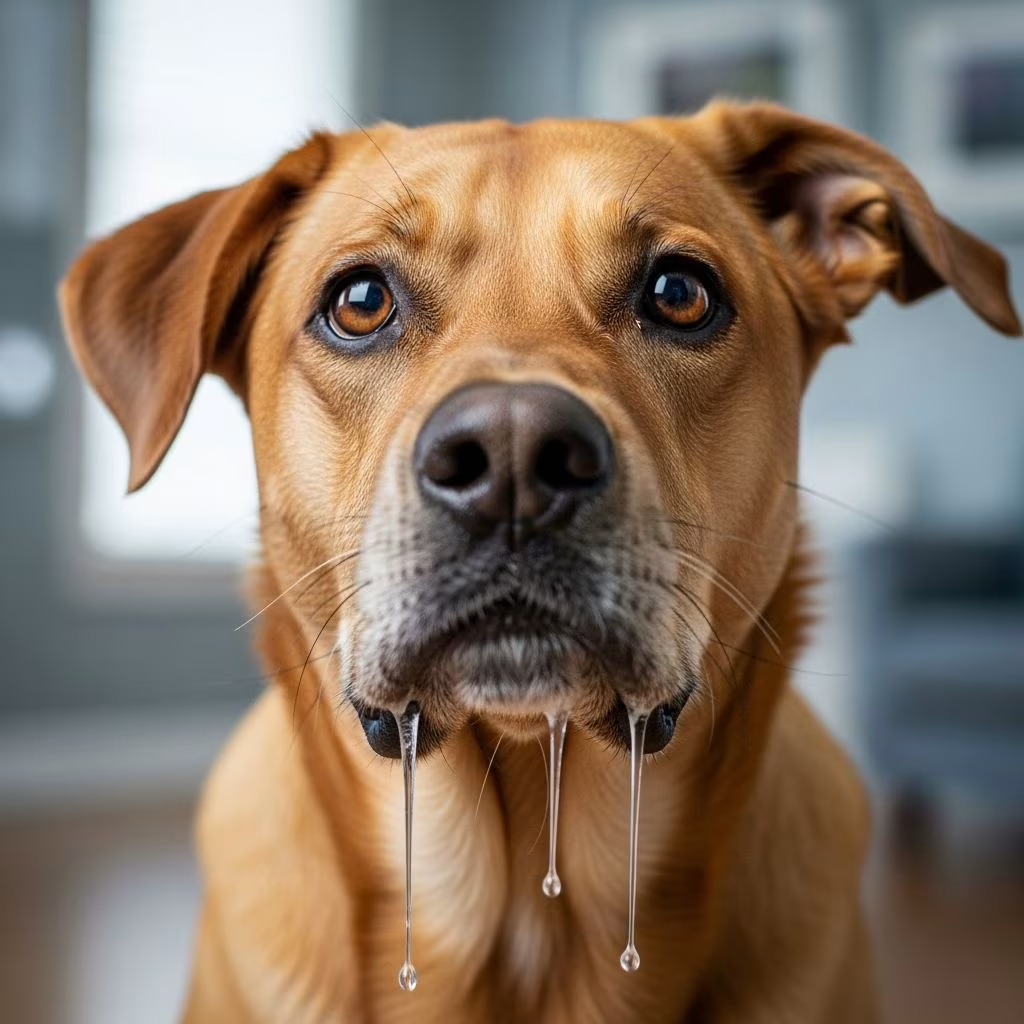
Observing your dog produce more saliva than usual while displaying unusual mannerisms can be worrying for any pet owner. This combination often points to underlying issues ranging from mild discomfort to life-threatening conditions. Understanding the potential triggers helps in deciding whether to monitor at home or rush to a veterinarian.
Normal vs. Abnormal Drooling Patterns
Dogs naturally salivate to aid digestion, cool their bodies through panting, or express excitement. Breeds with loose jowls, such as Bloodhounds or Mastiffs, tend to drip saliva more visibly due to their anatomy. However, when drooling surges suddenly and pairs with lethargy, restlessness, or avoidance of food, it shifts from routine to concerning.
- Normal drooling: Anticipation of meals, post-exercise cooling, or breed-specific traits.
- Abnormal drooling: Persistent streams of saliva with pawing at the mouth, vomiting, or disorientation.
Tracking the onset, duration, and accompanying behaviors is crucial for accurate assessment.
Common Triggers for Sudden Drooling and Behavioral Changes
Several factors can provoke this symptom duo. Identifying patterns through observation aids in pinpointing the cause.
Emotional and Environmental Influences
Stress from car rides, vet visits, or new environments often leads to hypersalivation alongside pacing or whining. Motion sickness mimics nausea, causing drooling without physical illness. Puppies teething may slobber excessively while acting fussy due to gum irritation.
Overheating and Physical Exertion
Dogs pant to regulate temperature, but extreme heat can escalate to profuse drooling with staggering or collapse—hallmarks of heatstroke. Bright red gums and rapid breathing accompany this emergency.
Serious Medical Causes Requiring Attention
When drooling pairs with odd actions like guarding the abdomen or head tilting, deeper health problems may be at play.
Oral and Dental Emergencies
Injuries from chewing sharp objects, lodged foreign bodies like bones, or chemical burns from batteries provoke intense salivation and mouth pawing. Advanced periodontal disease with abscesses causes swelling and refusal to eat, potentially spreading infection systemically.
| Issue | Symptoms | Action Needed |
|---|---|---|
| Dental Abscess | Bloody drool, facial swelling, bad breath | Immediate dental exam |
| Foreign Object | Gagging, excessive pawing | ER visit for removal |
| Burns | Lesions, reluctance to drink | Urgent wound care |
Digestive Tract Disturbances
Nausea from gastritis, pancreatitis, or blockages by ingested toys triggers drooling with retching or diarrhea. Gastric dilatation-volvulus (GDV or bloat) presents with sudden drooling, abdominal distension, and unproductive vomiting—a fatal condition without surgery.
Toxin Exposure and Poisoning
Ingestion of chocolate, household cleaners, or toxic plants stimulates saliva as the body reacts. Accompanying tremors, seizures, or agitation demand poison control hotline calls followed by vet care.
Neurological and Systemic Disorders
Seizures cause pre-ictal drooling with disorientation. Cranial nerve damage impairs swallowing, leading to pooling saliva and weakness. Kidney or liver failure manifests as uremic halitosis and lethargy.
Recognizing Emergency Red Flags
Not all drooling episodes warrant panic, but certain signs escalate urgency.
- Bloody saliva or facial hives suggesting allergy or trauma.
- Difficulty breathing, collapse, or blue gums indicating heatstroke or obstruction.
- Persistent symptoms over hours without clear trigger like exercise.
- Combination with vomiting, diarrhea, or pain behaviors.
If multiple red flags appear, bypass routine office hours for an emergency clinic.
Steps for Initial Home Assessment
Before heading out, safely evaluate your dog.
- Check the mouth for visible injuries, swelling, or objects using gentle restraint and a flashlight.
- Note recent exposures: new foods, plants, medications, or hot environments.
- Monitor vitals: Normal temperature is 100-102.5°F; gums should be pink and moist.
- Offer water but withhold food if nausea seems present.
Avoid home remedies like induced vomiting unless directed by a professional, as they can worsen issues.
Veterinary Diagnostic Approaches
Professionals start with history and physical exams, progressing to:
- Bloodwork for organ function and infection markers.
- Imaging like X-rays or ultrasound for blockages and GDV.
- Dental probing or oral endoscopy for hidden issues.
- Neurological assessments for seizures or nerve damage.
Treatment varies: antibiotics for infections, fluids for dehydration, surgery for obstructions.
Preventive Strategies for Drooling Issues
Proactive care minimizes risks.
- Regular dental cleanings and brushing with pet-safe toothpaste.
- Secure toxins, small toys, and electrical cords.
- Provide shaded, watered areas during hot weather; never leave dogs in cars.
- Monitor breed predispositions, like GDV in deep-chested dogs, with prophylactic gastropexy.
Frequently Asked Questions (FAQs)
Why is my dog drooling but not eating?
This often stems from oral pain, nausea, or toxins making swallowing painful or unappealing. Seek vet evaluation promptly.
Can stress alone cause excessive drooling?
Yes, anxiety triggers salivation, but persistent cases with odd behavior need ruling out medical causes.
Is drooling always a sign of poisoning?
No, though common; other symptoms like vomiting or seizures help differentiate.
How quickly does heatstroke develop in drooling dogs?
Rapidly; minutes in hot conditions can lead to collapse alongside heavy drooling.
Should I wait out drooling if my dog seems otherwise fine?
Monitor briefly, but consult a vet if it lasts over an hour or worsens.
Long-Term Management After Resolution
Post-treatment, follow-up ensures no recurrence. Dietary adjustments for GI sensitivities, anxiety aids like pheromone diffusers, and routine check-ups maintain health. Breeds prone to drooling benefit from lip towels during play.
By staying vigilant, owners can transform alarming symptoms into manageable situations, safeguarding their dog’s vitality.
References
- Excessive Drooling in Dogs — PetMD. 2023-2025. https://www.petmd.com/dog/symptoms/excessive-drooling-in-dogs
- Is Excessive Drooling in Dogs an Emergency? 7 Signs That You Need to Visit the Pet ER — Hidden Springs Animal Hospital. 2024. https://hiddenspringsanimal.com/experiencing-an-emergency/is-excessive-drooling-in-dogs-an-emergency-7-signs-that-you-need-to-visit-the-pet-er/
- Beyond the Slobber: Why Your Dog Won’t Stop Drooling — Harlingen Veterinary Clinic. 2024. https://harlingenveterinaryclinic.com/blog/dog-drooling-constantly/
- Why is my dog drooling so much? How can I make it stop? — Carolina Veterinary Specialists. 2024-04-15. https://www.rock-hill.carolinavet.com/site/blog/2024/04/15/dog-drooling
- Excessive drooling in Dogs — Apex Veterinary Specialists. 2023-2025. https://apexvetss.com/ptyalism/
- Is Excessive Drooling in Dogs an Emergency? — Focused Pet Care. 2024. https://focusedpetcare.com/emergency-vet-in-jacksonville-fl/is-excessive-drooling-in-dogs-an-emergency/



