

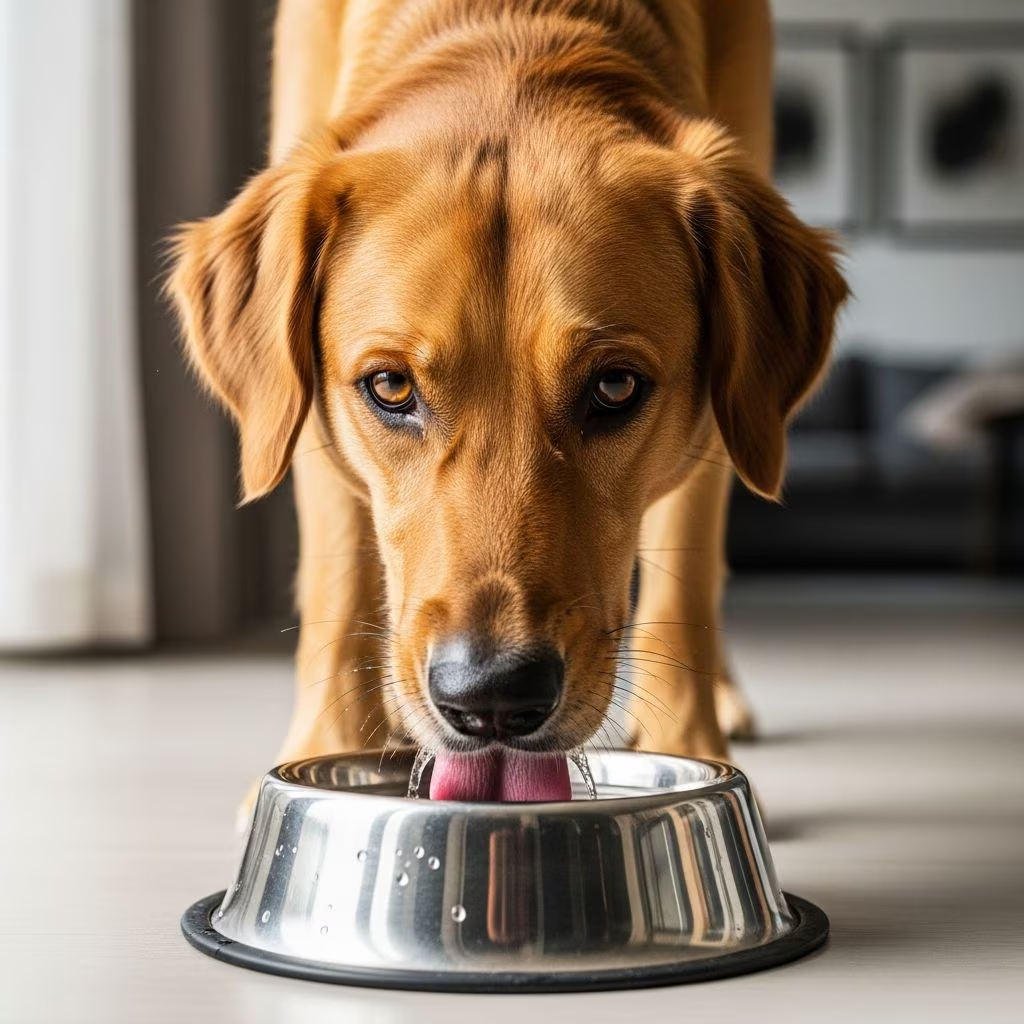
Dogs typically drink about an ounce of water per pound of body weight daily, but noticeable increases can indicate various underlying factors ranging from environmental to medical. Monitoring intake helps pet owners spot potential problems early, ensuring timely intervention to maintain health.
Normal Reasons for Increased Thirst
Not every instance of heightened water consumption signals illness. Everyday situations often explain temporary spikes in thirst.
- Hot Weather or Exercise: Dogs pant to cool off, losing fluids rapidly. On warm days or after play, they replenish by drinking more. Signs of overheating include drooling and lethargy; provide shade and fresh water.
- Dietary Factors: Dry kibble requires more water for digestion than wet food. Salty treats or meals can also prompt extra drinking to balance electrolytes.
- Recent Activity: Post-walk or training sessions naturally boost hydration needs without concern if intake normalizes quickly.
These benign causes resolve with environmental adjustments, but persistent patterns warrant closer observation.
Warning Signs Accompanying Excessive Drinking
Excessive thirst, known as polydipsia, rarely occurs alone. Track these concurrent symptoms to gauge severity:
| Symptom | Possible Implication |
|---|---|
| Increased urination (polyuria) | Kidney or hormonal issues |
| Weight loss despite normal appetite | Diabetes or metabolic disorders |
| Lethargy or weakness | Dehydration, infection, or organ failure |
| Vomiting or diarrhea | Gastrointestinal upset leading to fluid loss |
| Pot-bellied appearance | Cushing’s disease or fluid retention |
| Hair loss or skin changes | Endocrine imbalances |
Document frequency of water bowl refills and bathroom breaks to share with your vet, aiding accurate diagnosis.
Common Medical Causes of Polydipsia
Several conditions disrupt fluid regulation, compelling dogs to drink excessively. Understanding these empowers proactive care.
Diabetes Mellitus
This endocrine disorder features insufficient insulin, causing high blood sugar. Glucose spills into urine, drawing water and leading to frequent, dilute urination followed by thirst. Owners often notice empty bowls and weight loss despite ravenous hunger. Early detection via blood tests prevents complications like cataracts.
Chronic Kidney Disease
As dogs age, kidneys lose efficiency in concentrating urine, resulting in large volumes of pale output. This chronic renal insufficiency triggers dehydration signals, prompting more drinking. Accompanying vomiting and appetite loss signal progression; dietary management and fluids extend comfort.
Cushing’s Disease (Hyperadrenocorticism)
Excess cortisol from adrenal tumors or medication dilutes urine concentration, boosting thirst. Senior dogs show pot bellies, panting, and thin skin. Diagnosis involves hormone assays; treatments range from surgery to medications.
Urinary Tract Infections and Pyometra
UTIs inflame the bladder, urging frequent voiding and compensatory drinking. In unspayed females, pyometra—a uterine infection—releases toxins impairing kidney function, with pus discharge and fever demanding emergency care.
Liver Dysfunction
Impaired liver regulation affects fluid balance, indirectly increasing thirst alongside jaundice or appetite changes.
Rare but Serious Conditions
Less common culprits include electrolyte imbalances from toxins or diarrhea, where sodium fluctuations drive thirst. Acute kidney injury from poisons presents suddenly with severe vomiting. Water intoxication, from overdrinking during play, causes hyponatremia: staggering, seizures, and bloating. Small breeds risk it faster; limit unsupervised water access near pools.
Behavioral and Psychogenic Factors
Some dogs develop psychogenic polydipsia from stress or boredom, guzzling water compulsively without physical need. Differentiate via ruling out medical causes first; enrichment toys help.
How Veterinarians Diagnose the Cause
Don’t self-diagnose—vets use a stepwise approach:
- History and physical exam, noting breed, age, diet.
- Urinalysis for concentration, glucose, infection.
- Bloodwork assessing kidney values, glucose, electrolytes.
- Imaging or hormone tests for endocrine issues.
Early visits prevent escalation; even subtle changes merit checkups.
Home Monitoring Tips
Quantify intake: measure water given versus remaining over 24 hours. Note breed size—large dogs need more. Clean bowls daily to avoid bacterial overgrowth mimicking thirst issues. Track weight weekly and log symptoms in a journal.
Treatment Options by Condition
| Condition | Treatment Approaches |
|---|---|
| Diabetes | Insulin therapy, diet, monitoring |
| Kidney Disease | Special diets, fluids, medications |
| Cushing’s | Drugs like trilostane, surgery |
| Pyometra | Emergency spay, antibiotics |
| Dehydration | IV fluids, address cause |
Tailored plans improve outcomes; follow-up tests track progress.
Preventive Strategies for Optimal Hydration
Maintain consistent fresh water access. Use puzzle feeders for mental stimulation. Annual senior wellness exams catch issues early. Spay females to prevent pyometra. Avoid toxins like antifreeze, which damage kidneys.
FAQs
How much water should my dog drink daily?
About 1 ounce per pound; adjust for activity and weather. Consult your vet for specifics.
When is excessive thirst an emergency?
If paired with collapse, seizures, vomiting, or lethargy—seek immediate care.
Can diet cause my dog to drink more?
Yes, dry foods and salty snacks increase needs; transition gradually.
Is polydipsia common in puppies?
Rare; usually environmental, but rule out infections.
What if tests are normal?
Consider behavioral causes; trial enrichment and recheck.
References
- What is water intoxication in dogs, and why is it dangerous? — PDSA. 2023. https://www.pdsa.org.uk/what-we-do/blog/what-is-water-intoxication-in-dogs-and-why-is-it-dangerous
- What does it mean when an older dog drinks a lot of water? — Vetster. 2024. https://vetster.com/en/wellness/what-does-it-mean-when-an-older-dog-drinks-a-lot-of-water
- Why Is My Dog Drinking a Lot of Water? — PetMD. 2024. https://www.petmd.com/dog/symptoms/why-is-my-dog-drinking-a-lot-of-water



