Dog DNA Tests: 4 Essential Tips For Reliable Results
Discover the truth behind popular dog DNA tests: how reliable are they for breed ID, health insights, and more in this in-depth analysis.
Dog DNA Tests: Accuracy Revealed
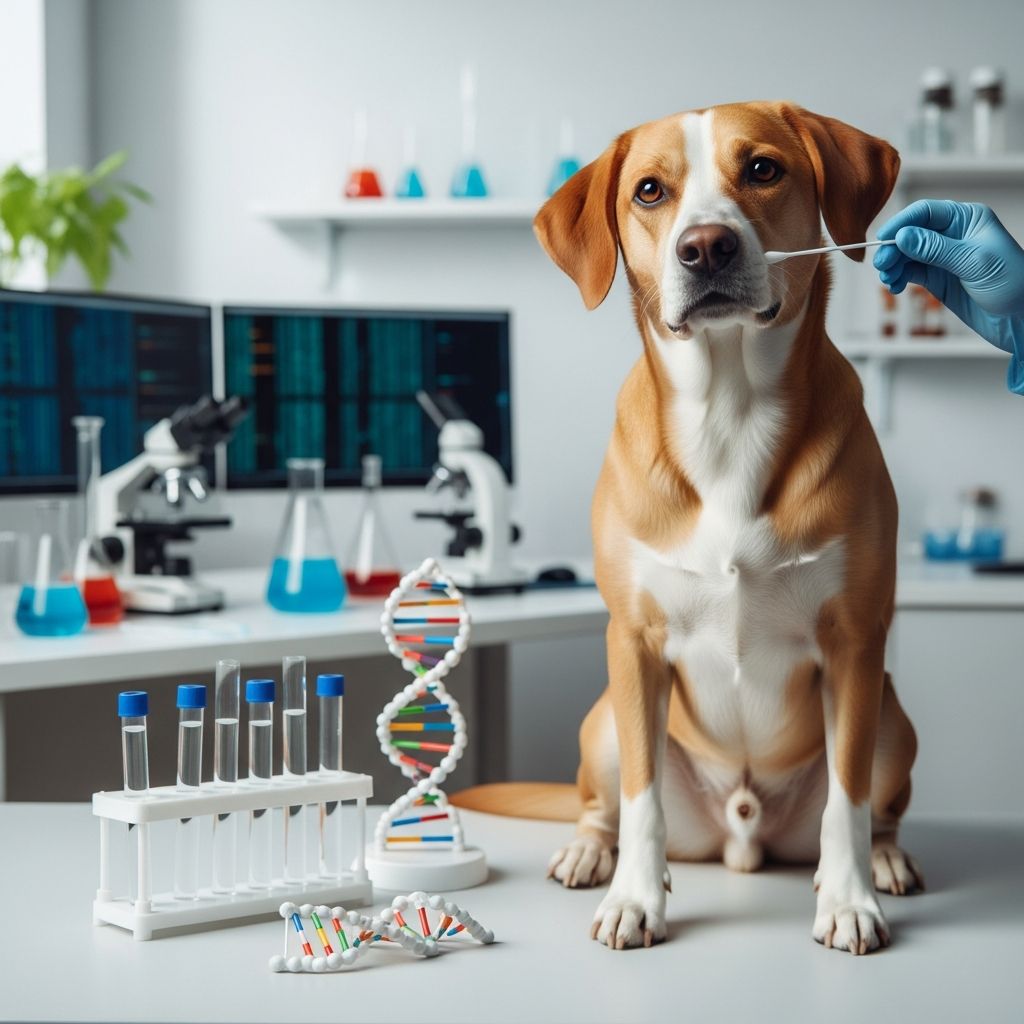
Direct-to-consumer dog DNA tests promise to unlock a pet’s breed heritage, health predispositions, and unique traits, captivating millions of owners eager for insights into their furry companions. However, investigations and scientific scrutiny reveal significant inconsistencies in results, raising questions about their true reliability.
The Rise of Canine Genetic Testing
The pet DNA testing market has exploded into a multi-billion-dollar industry, driven by curiosity and concerns over health and behavior. Owners submit cheek swabs from their dogs to labs that analyze genetic markers against proprietary databases, delivering reports on breed mixes, disease risks, and even personality predictors. Yet, as demand grows—with projections showing an 85% market surge by 2030—consumers must weigh the excitement against evidence of variability.
These kits typically cost between $50 and $200, making them accessible for backyard breeders, rescue adopters, and purebred enthusiasts alike. The appeal lies in demystifying mutts: a shelter dog resembling a German Shepherd might uncover hidden Chihuahua lineage or confirm purebred status. But beneath the marketing gloss, the science involves comparing short tandem repeats (STRs) or single nucleotide polymorphisms (SNPs) to reference panels of known breeds—a process fraught with challenges due to evolving breed standards and mixed ancestries.
Scientific Foundations and Methodological Hurdles
At their core, dog DNA tests rely on genotyping technology similar to human ancestry kits, scanning thousands of genetic loci to estimate breed proportions. Companies curate databases from dogs with verified pedigrees, but discrepancies arise because no universal “breed genome” exists. Breeds are human-defined constructs based on appearance and function, not rigid genetic boundaries, leading to overlap in markers across similar types like herding or terrier groups.
Key hurdles include:
- Reference Database Differences: Each firm builds its own library; one might emphasize European shepherd breeds while another prioritizes Asian ancestries, skewing results for mixed dogs.
- Marker Selection: Tests use varying numbers of genetic markers—some 300, others over 2,000—affecting resolution for distant ancestry.
- Algorithm Variability: Proprietary software interprets data differently, sometimes assigning tiny percentages to obscure breeds without statistical confidence.
Harvard veterinarian Dr. Lisa Moses notes that without standardized genetic definitions, results reflect company-specific interpretations rather than absolute truth.
Real-World Inconsistencies Exposed
Independent probes highlight dramatic result divergences. In one case, a rescue dog visually akin to a German Shepherd yielded breed estimates from three labs: 65% German Shepherd with Great Pyrenees traces in one, 29% with Siberian Husky in another, and Korean Jindo influences in the third. Such swings undermine confidence in ancestry reports.
A CU Anschutz study amplified these concerns by testing 12 registered purebred dogs across six companies. Even with verified pedigrees, outcomes varied wildly: a pure beagle registered as 50% poodle and 50% bichon frisé by one provider, while another flagged a bulldog as a wolf hybrid. Minor variances (e.g., 90% vs. 100% beagle) could stem from reporting thresholds, but outright mismatches point to deeper flaws.
| Dog Breed | Company A Result | Company B Result | Company C Result |
|---|---|---|---|
| Beagle (Purebred) | 100% Beagle | 90% Beagle, 10% Foxhound | 50% Poodle, 50% Bichon |
| Bulldog | 100% Bulldog | 80% Bulldog | Wolf Hybrid |
| German Shepherd Mix | 65% GSD | 45% GSD + Husky | 29% GSD + Jindo |
This table summarizes anonymized findings from probes, illustrating how the same DNA can yield conflicting narratives.
Photo Influence: When Looks Trump Genes
A startling CU Anschutz experiment swapped photos during submissions: half used the correct image, half a mismatched one (e.g., a hairless Chinese Crested paired with a fluffy Brittany Spaniel). Five companies delivered genetically accurate results regardless, but one—Accu-Metrics—aligned its breed call with the photo, deeming the Crested part border collie and golden retriever. This suggests some services incorporate visual cues, potentially prioritizing appearance over DNA.
Researcher Casey Greene, PhD, warns this blurs lines between science and guesswork, eroding trust in an unregulated field.
Health and Trait Predictions: High Stakes
Beyond breeds, tests tout health risk panels for conditions like hip dysplasia or MDR1 drug sensitivity, plus trait scores for shedding or trainability. Yet, experts caution against medical reliance. Dr. Moses highlights risks of misguided decisions, such as unnecessary surgeries based on false positives.
The CU study didn’t assess health modules but flagged ancillary concerns: erroneous pit bull detection in non-bullying breeds like pointers could spike insurance denials or housing restrictions, with real financial fallout. Purebred variances (e.g., American Kennel Club dogs misidentified) underscore that even “elite” genetics aren’t foolproof.
Company Defenses and Industry Responses
Firms like Wisdom Panel attribute differences to superior reference populations and algorithms, claiming top-tier breed detection. DNA My Dog countered human swab anomalies by noting canine traces, insisting results defy human biology. Still, outliers persist, prompting calls for transparency.
Navigating Choices as a Pet Owner
To maximize value:
- Research Providers: Opt for those with largest databases (e.g., 300+ breeds) and third-party validations.
- Cross-Verify: Test with 2-3 companies for consensus on major breeds (>10%).
- Consult Vets: Pair results with physical exams; genetics inform but don’t dictate care.
- Avoid High-Stakes Use: Don’t hinge breeding, insurance, or rentals solely on DTC output.
Owners report mixed satisfaction: fun for novelty, dubious for precision. One adopter, after Chihuahua surprises in a Shepherd-lookalike, swore off future tests as wasteful.
Calls for Regulation and Future Improvements
Vets like Dr. Moses advocate legislative standards: mandatory database sharing, breed marker benchmarks, and independent audits. As technology advances—think whole-genome sequencing—affordable accuracy could rise, but today’s landscape demands skepticism.
Genomics experts urge viewing tests as entertainment with probabilistic insights, not diagnostics. Ongoing studies, like CU’s, push for rigorous evaluations to spotlight reliable players.
Frequently Asked Questions
Are all dog DNA tests equally accurate?
No—accuracy varies by company database size, markers analyzed, and algorithms. Studies show up to 50% breed mismatches in purebreds.
Can DNA tests detect wolf or exotic ancestry?
Some claim hybrid detection, but false positives occur, as in a bulldog labeled wolf-like.
Should I use results for health decisions?
Consult a vet first; tests offer predispositions, not certainties, risking overreaction.
How do companies handle mixed breeds?
They estimate percentages, but tiny traces (<2%) may be noise from ancient shared markers.
Is photo upload required?
Often yes, but experiments show it influences some results unduly.
Key Takeaways for Informed Testing
Dog DNA tests illuminate ancestry entertainingly but falter on consistency, urging owners to prioritize reputable labs and professional advice. As the industry matures, demand for oversight grows to match pet parents’ investments with trustworthy science.
References
- I-Team: How accurate are pet DNA tests? We sent one lab a swab … — CBS News Boston. 2023 (approx., based on context). https://www.cbsnews.com/boston/news/i-team-accurate-pet-dog-dna-testing-human/
- How Trustworthy is Your Dog’s DNA Test? — CU Anschutz Newsroom. 2023 (study initiated 2021). https://news.cuanschutz.edu/dbmi/how-trustworthy-is-your-dogs-dna-test
Similar Articles




Read full bio of Sneha Tete