

Digestive upset is one of the most frequently observed health concerns in dogs, affecting pets across all ages and breeds. When a dog experiences loose or liquid stools, it signals that something within the gastrointestinal system requires attention. While occasional digestive irregularities may resolve without intervention, persistent or severe episodes warrant professional evaluation. Understanding the underlying mechanisms and potential triggers of gastrointestinal distress can help pet owners identify problems early and take appropriate action to restore their companion’s health.
The Mechanism Behind Gastrointestinal Distress
Diarrhea develops when food and water pass through your dog’s digestive tract at an accelerated rate. Normally, the intestines absorb water and nutrients while moving food gradually through the system. When this process accelerates, insufficient water absorption occurs, resulting in loose or liquid stools. This condition can range from mildly inconvenient to potentially dangerous, depending on severity, duration, and underlying causes. Several physiological factors can disrupt normal intestinal function, leading to the uncomfortable symptoms that affect both dogs and their owners.
Primary Nutritional and Dietary Contributors
Dietary factors represent the most common source of gastrointestinal upset in dogs. Pet owners frequently encounter situations where their dogs consume inappropriate substances or experience sudden dietary modifications. Understanding these triggers allows for more effective prevention strategies.
Inappropriate Food Consumption
Dogs possess natural curiosity and explore their environment through taste and consumption. This behavioral tendency frequently leads to digestive problems when canines consume garbage, spoiled food, or items not intended for animal consumption. Foreign object ingestion, including toys, socks, bones, and other household items, can trigger gastrointestinal distress. Additionally, access to human food intended for people—particularly rich, fatty, or spicy items—commonly results in digestive upset. Chocolate, alcohol, and certain essential oils pose additional toxicity concerns that may cause severe gastrointestinal symptoms.
Dietary Transition and Food Sensitivities
Even when switching between high-quality dog food brands, the transition period can prompt digestive irregularities. The intestinal bacteria require time to adjust to new ingredients and their associated nutrient profiles. Abrupt dietary changes without a gradual transition period significantly increase the likelihood of gastrointestinal upset. Beyond transitional issues, many dogs experience genuine food allergies or intolerances to specific ingredients. Common problematic ingredients include dairy products (due to insufficient lactase enzyme production), wheat and gluten, specific protein sources such as beef or chicken, artificial additives and colorings, and high-fat foods that may overwhelm digestive capacity.
Infectious and Parasitic Causes
Infectious agents and internal parasites constitute another major category of gastrointestinal disease in dogs. These conditions range from relatively minor to potentially life-threatening, particularly in young or immunocompromised animals.
Viral and Bacterial Infections
Parvovirus represents a highly contagious and potentially fatal viral infection that produces severe, often hemorrhagic diarrhea, particularly in unvaccinated puppies. Other viral pathogens including coronavirus and distemper can trigger digestive symptoms alongside systemic clinical signs. Bacterial infections from organisms such as salmonella, E. coli, and Campylobacter contaminate food or water and cause acute, severe diarrhea that may contain mucus or blood. These infections require prompt veterinary attention to prevent serious complications.
Parasitic Infestations
Internal parasites affect dogs of all ages and can cause significant gastrointestinal disturbance. Giardia, a microscopic parasite contracted from contaminated water sources like puddles or ponds, produces foul-smelling, mucus-coated diarrhea that may persist intermittently over weeks or months. Intestinal worms including hookworms, roundworms, and whipworms cause diarrhea in dogs regardless of age, with heavy infections potentially producing visible parasites in stool, weight loss, and anemia. Coccidia, single-celled parasites primarily affecting puppies and immunocompromised dogs, typically generate watery diarrhea that may contain blood and can lead to dangerous dehydration if untreated.
Chronic Gastrointestinal Conditions
Beyond acute triggers, several chronic conditions produce persistent digestive problems requiring ongoing management.
Inflammatory and Functional Disorders
Inflammatory Bowel Disease (IBD) involves chronic inflammation of the digestive tract that interferes with normal digestion and nutrient absorption, requiring lifelong management through specialized diet, medication, and regular veterinary monitoring. Colitis, characterized by colon inflammation, produces recurring episodes of soft, mucus-coated stools with straining and urgency, often triggered or worsened by stress in anxious breeds. Exocrine Pancreatic Insufficiency (EPI) occurs when the pancreas fails to produce sufficient digestive enzymes, resulting in very loose, fatty stools and difficulty maintaining weight despite increased food consumption.
Additional Chronic Conditions
Small Intestinal Bacterial Overgrowth (SIBO) involves abnormal proliferation of bacteria in the small intestine that interferes with proper digestion and nutrient absorption, typically causing chronic diarrhea, weight loss, and nutritional deficiencies despite normal or increased appetite. Lymphangiectasia, an uncommon condition involving dilation of intestinal lymphatic vessels, leads to protein loss and results in chronic diarrhea, weight loss, and fluid accumulation in the abdomen. Metabolic conditions including hyperthyroidism, pancreatitis (pancreatic inflammation), and systemic diseases affecting the liver or kidneys can all produce gastrointestinal symptoms including diarrhea. Medications such as antibiotics and NSAIDs may cause digestive upset, particularly when administered without food.
Environmental and Stress-Related Factors
Beyond physiological and nutritional causes, environmental stressors frequently trigger gastrointestinal disturbance in sensitive dogs. Situations such as kenneling, relocation to new homes, introduction of new household members, or other significant environmental changes can induce stress-related colitis and subsequent diarrhea. High-strung or anxiety-prone breeds demonstrate particular susceptibility to stress-induced digestive symptoms.
Distinguishing Acute from Chronic Presentations
Understanding the distinction between temporary digestive upset and chronic gastrointestinal disease guides appropriate response and treatment decisions. Acute diarrhea typically resolves within two to three days with supportive care, while chronic diarrhea persists or recurs frequently and usually indicates an underlying condition requiring veterinary investigation. Dogs experiencing chronic digestive problems frequently develop secondary complications including weight loss, dull or poor-quality hair coat, and lethargy, signaling the need for professional diagnostic evaluation.
Treatment Approaches for Gastrointestinal Distress
Treatment strategies vary based on underlying cause, severity, and duration of symptoms. Owners can implement several evidence-based approaches to support recovery.
Nutritional Management
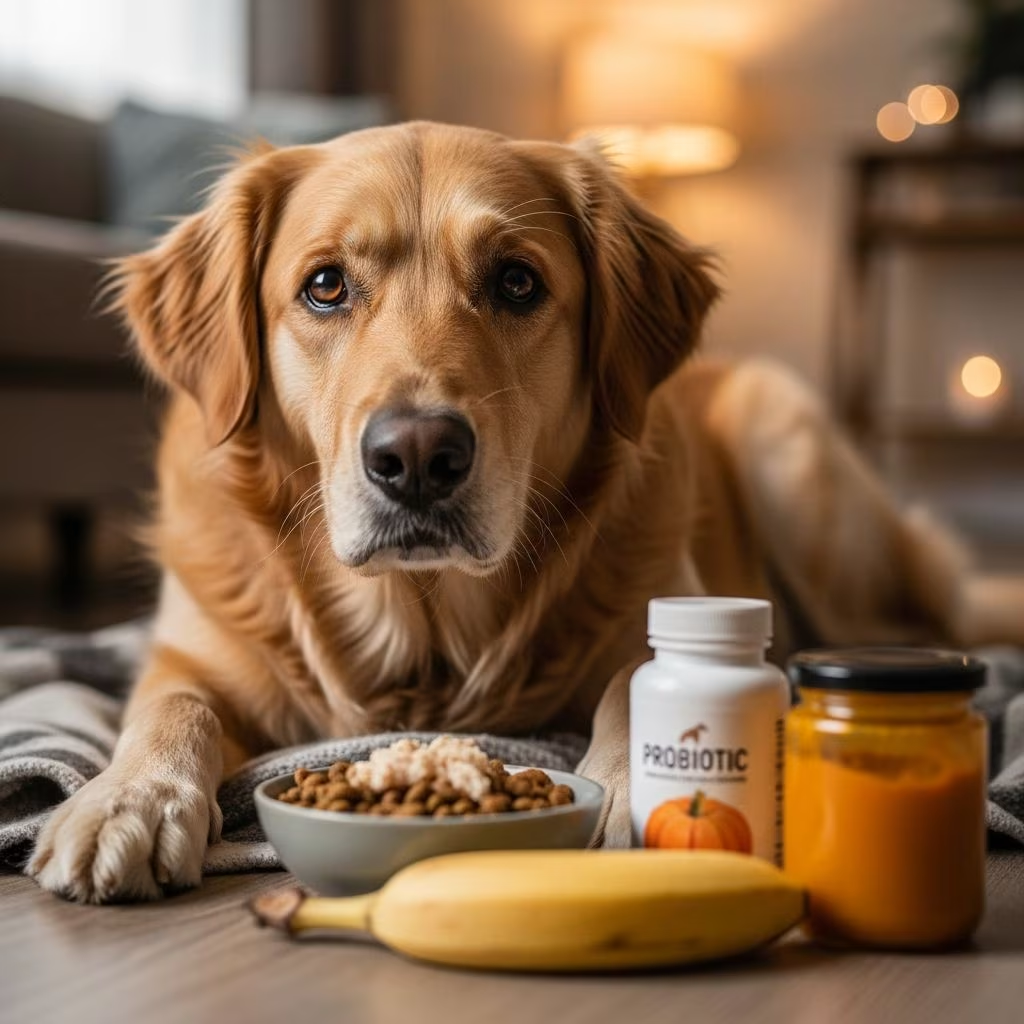
Bland diet therapy represents a first-line treatment for mild gastrointestinal upset. Cornell University College of Veterinary Medicine recommends feeding boiled chicken or low-fat hamburger combined with white rice. Many cases respond favorably to plain canned pumpkin, which provides increased dietary fiber to regulate intestinal function. When administering these foods, offer small, frequent meals rather than large single portions to minimize digestive strain. Temporary fasting for six to twelve hours, followed by gradual reintroduction of bland foods, may help settle severely irritated digestive systems.
Supplementation and Probiotics
Probiotic supplements support intestinal health by promoting beneficial bacterial populations. These supplements can facilitate recovery from acute episodes and provide ongoing digestive support. Prescription diets formulated to address specific digestive issues play crucial roles in managing chronic conditions, including hydrolyzed protein formulations that reduce allergic reactions and high-fiber options that regulate intestinal function.
Fluid Replacement Therapy
Diarrhea carries significant dehydration risk, particularly with prolonged or severe episodes. Veterinarians may administer subcutaneous or intravenous fluids to restore hydration, correct electrolyte imbalances, and support organ function while addressing the underlying cause.
Pharmaceutical Interventions
Veterinarians may recommend over-the-counter or prescription medications to alleviate symptoms and address underlying conditions. Antiemetic medications manage associated nausea and vomiting that may accompany diarrhea. Deworming medications eliminate parasitic infections, while antibiotics address bacterial infections when appropriate. Owners should never administer medications without explicit veterinary guidance regarding appropriate dosing and administration protocols.
When Professional Veterinary Evaluation Becomes Necessary
While mild cases often resolve with home care, certain situations demand immediate professional evaluation. Bloody stools, severe or persistent diarrhea lasting beyond a few days, accompanying fever or lethargy, signs of abdominal pain, or episodes in very young puppies or elderly dogs warrant veterinary attention. Additionally, dogs with known medical conditions or those receiving medications should receive professional evaluation before implementing home treatments.
Frequently Asked Questions
How long does mild dog diarrhea typically persist?
Most dogs with mild diarrhea recover within two to three days with appropriate supportive care including bland diet and increased hydration. However, if symptoms persist beyond three days or worsen, veterinary evaluation becomes necessary.
Can I give my dog over-the-counter antidiarrheal medication?
Never administer over-the-counter medications without explicit veterinary guidance regarding dosing and suitability for your specific dog. Some conditions contraindicate certain medications, and improper dosing may cause complications.
How should I transition my dog to a new food?
Introduce new foods gradually over seven to ten days, gradually increasing the proportion of new food while decreasing the previous diet. This gradual transition allows intestinal bacteria adequate time to adjust to new ingredients.
Which human foods are safe for dogs with diarrhea?
During recovery, restrict offerings to bland foods such as boiled skinless chicken breast and white rice. Avoid all fatty, spicy, dairy, and artificial ingredient-containing foods during the recovery period.
What distinguishes food allergies from food intolerances in dogs?
Food allergies involve immune system responses to specific protein components, often causing both gastrointestinal and skin symptoms. Food intolerances involve digestive difficulty with specific ingredients but do not trigger immune responses. Both can produce diarrhea and require dietary management.
Prevention Strategies for Gastrointestinal Health
Maintaining digestive health involves proactive management of known risk factors. Prevent dietary indiscretion by securing garbage, removing access to toxic substances, and training appropriate chewing behaviors. Maintain consistent feeding routines using high-quality foods without artificial additives. Implement gradual transitions when changing foods. Ensure current parasite prevention protocols remain active, and maintain vaccination schedules to prevent infectious diseases. Minimize environmental stressors when possible, and provide adequate exercise and mental stimulation to support overall wellness.
Conclusion
Gastrointestinal distress represents a common challenge in canine health, resulting from diverse causes ranging from minor dietary indiscretions to serious underlying medical conditions. While many acute episodes resolve with supportive home care, persistent or severe symptoms require professional veterinary evaluation to identify underlying causes and implement appropriate treatment. By understanding potential triggers, recognizing when professional help becomes necessary, and maintaining preventive health practices, pet owners can effectively support their dogs’ digestive health and overall wellbeing.
References
- Why Does My Dog Have Diarrhea? 3 Common Causes — Insight Vet Wellness. https://insightvetwellness.com/gastrointestinal/why-does-my-dog-have-diarrhea-3-common-causes/
- Dog Diarrhea: How To Identify, Diagnose, and Treat It — PetMD. https://www.petmd.com/dog/symptoms/dog-diarrhea
- 10 Common Causes of Dog Diarrhea and What to Do About It — CareCredit. https://www.carecredit.com/well-u/pet-care/dog-diarrhea/
- Common Cause of Diarrhea in Dogs & How to Stop it — Center Star Veterinary. https://www.centerstarvet.com/site/blog/2023/09/15/common-causes-diarrhea-dogs
- Dog Diarrhea: Causes, Treatment and When to Worry — GoodRx. https://www.goodrx.com/pet-health/dog/dog-diarrhea
- Diarrhea — Cornell University College of Veterinary Medicine, Riney Canine Health Center. https://www.vet.cornell.edu/departments-centers-and-institutes/riney-canine-health-center/canine-health-topics/diarrhea
- Dog Diarrhea: Signs, Symptoms, and Treatments — American Kennel Club. https://www.akc.org/expert-advice/health/dog-diarrhea/



