

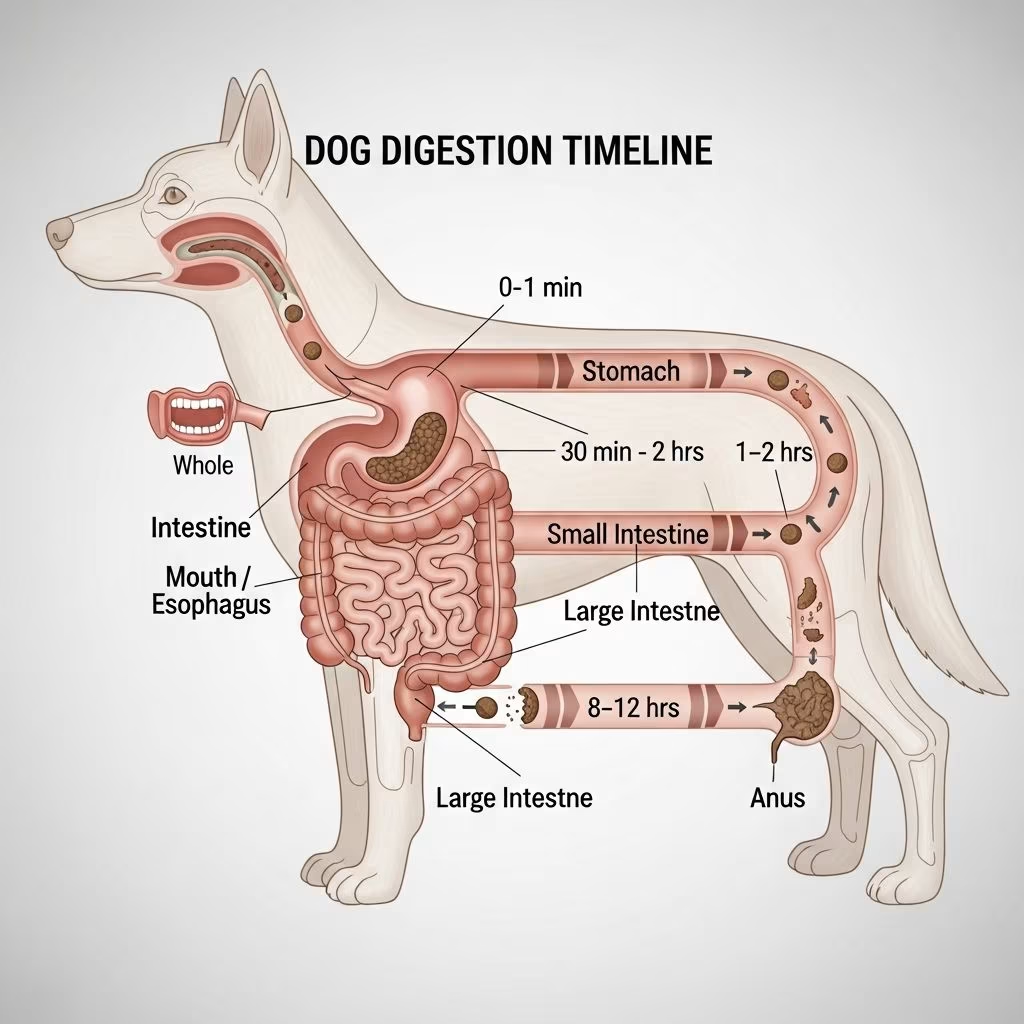
The digestive system of a dog efficiently converts food into essential nutrients, with the entire process typically spanning 12 to 30 hours from ingestion to elimination. This timeline varies based on factors like meal size, diet type, and individual health, but understanding it helps owners monitor their pet’s well-being.
The Journey Begins: From Mouth to Stomach
Digestion starts the moment food enters the mouth. Dogs use their strong teeth to tear and grind food, while saliva lubricates it for swallowing. Unlike humans, canine saliva lacks significant amylase for starch breakdown, focusing instead on moistening the bolus for smooth passage down the esophagus.
The esophagus employs peristalsis—rhythmic muscle contractions—to propel food into the stomach within seconds. This muscular tube ensures rapid, one-way transport, preventing backflow via the lower esophageal sphincter.
- Mouth phase: Mechanical breakdown and lubrication (seconds).
- Esophagus transit: 5-10 seconds.
Stomach Processing: The Acidic Powerhouse
In the stomach, a highly acidic environment (pH 1-2) activates pepsin to initiate protein digestion. Muscular walls churn food into chyme, a semi-liquid mixture, over 4-8 hours or longer for large meals. This expanded organ, inherited from wolf ancestors, stores substantial volumes, allowing irregular feeding patterns.
Gastric juices, including hydrochloric acid, kill bacteria and dissolve tough tissues, adapting dogs for raw or varied diets. Chyme exits via the pyloric sphincter into the duodenum once sufficiently processed.
| Stomach Digestion Stage | Duration | Key Actions |
|---|---|---|
| Initial mixing | 30-60 minutes | Acid activation, protein breakdown starts |
| Churning to chyme | 3-8 hours | Full mechanical and chemical digestion |
Small Intestine: Nutrient Harvest
The small intestine, divided into duodenum, jejunum, and ileum, handles most nutrient absorption over 3-6 hours. Pancreatic enzymes and bile from the liver neutralize acidity and target carbs, fats, and remaining proteins. Villi and microvilli maximize surface area for uptake—amino acids enter blood, fats via lymph.
Dogs’ shorter intestines compared to herbivores enable quick carnivore-adapted processing. Genetic adaptations, like extra amylase gene copies, enhance starch digestion in domesticated breeds.
- Duodenum: Enzyme and bile influx (first hour).
- Jejunum/Ileum: Peak absorption (2-5 hours).
Large Intestine: Water Reclamation and Final Prep
Undigested remnants reach the large intestine (colon and rectum) after 6-12 hours total transit. Here, bacteria ferment fiber, producing vitamins and short-chain fatty acids. Water and electrolytes are absorbed, forming firm stool over 12-48 hours, with total gut time averaging 24 hours.
Slower peristalsis allows storage, but imbalances in gut microbiome can lead to gas or loose stools.
Factors Influencing Digestion Speed
Several variables affect the 12-30 hour average:
- Diet composition: High-fat/protein meals digest slower (up to 30+ hours); fiber speeds transit.
- Dog size/age: Small breeds/puppies process faster (12-24 hours); giants/seniors slower.
- Meal frequency/size: Large, infrequent meals extend stomach time.
- Health issues: Conditions like gastritis or IBD prolong transit.
| Dog Type | Avg. Total Transit Time | Influencing Factor |
|---|---|---|
| Small breed adult | 12-24 hours | Faster metabolism |
| Large breed adult | 24-30 hours | Larger stomach capacity |
| Senior dog | 30+ hours | Reduced gut motility |
Signs of Healthy vs. Problematic Digestion
Normal digestion yields firm, regular stools 12-24 hours post-meal. Watch for red flags like vomiting, diarrhea, or bloating, indicating issues such as leaky gut—where undigested proteins trigger immunity.
Probiotics support microbiome balance, reducing fermentation excesses. Consistent stool quality reflects efficient processing.
Optimizing Your Dog’s Digestive Health
Support the system with:
- High-quality, balanced kibble or raw diets matching carnivorous needs.
- Gradual diet transitions to avoid upsets.
- Portion control and 2-3 meals daily for steady processing.
- Regular exercise to promote motility.
- Vet check-ups for persistent issues.
Hydration is crucial—water aids chyme formation and absorption.
Common Myths About Canine Digestion
Myth 1: Dogs digest food in hours like humans. Reality: Their acidic stomach and short gut take 4-8 hours in stomach alone.
Myth 2: All dogs handle grains poorly. Reality: Domestication boosted starch enzymes.
FAQs
How long after eating do dogs poop?
Typically 12-24 hours, depending on factors like diet and size.
Can stress slow digestion?
Yes, anxiety reduces motility, extending transit time.
Is raw food faster to digest?
Often yes, due to high acidity handling bones/meat efficiently.
What if transit seems too fast/slow?
Consult a vet; diarrhea or constipation signals imbalance.
Do puppies digest differently?
Yes, faster rates support growth needs.
References
- The Canine Digestion Process — Whole Dog Journal. Accessed 2026. https://www.whole-dog-journal.com/health/digestion/the-canine-digestion-process/
- Your Dog’s Digestive System Explained — PetCircle. Accessed 2026. https://www.petcircle.com.au/discover/dog-digestive-system-explained
- Diet Shaped Dog Domestication — Science.org (AAAS). 2016-01-21. https://www.science.org/content/article/diet-shaped-dog-domestication
- What Happens When Dogs Eat Raw Meat? — University of Minnesota Open Library (.edu). Accessed 2026. https://open.lib.umn.edu/giphysiolessons/chapter/what-happens-if-we-feed-dogs-raw-meat/
- They Are What They Eat: The Importance of Dogs’ Digestive Systems — DogsWell. Accessed 2026. https://dogswell.com/they-are-what-they-eat-the-importance-of-dogs-digestive-systems/
- The Dog Digestive System — Vetericyn. Accessed 2026. https://vetericyn.com/blogs/vetericyn/the-dog-digestive-system
- The Digestive System in Animals — Merck Veterinary Manual. Accessed 2026. https://www.merckvetmanual.com/digestive-system/digestive-system-introduction/the-digestive-system-in-animals



