

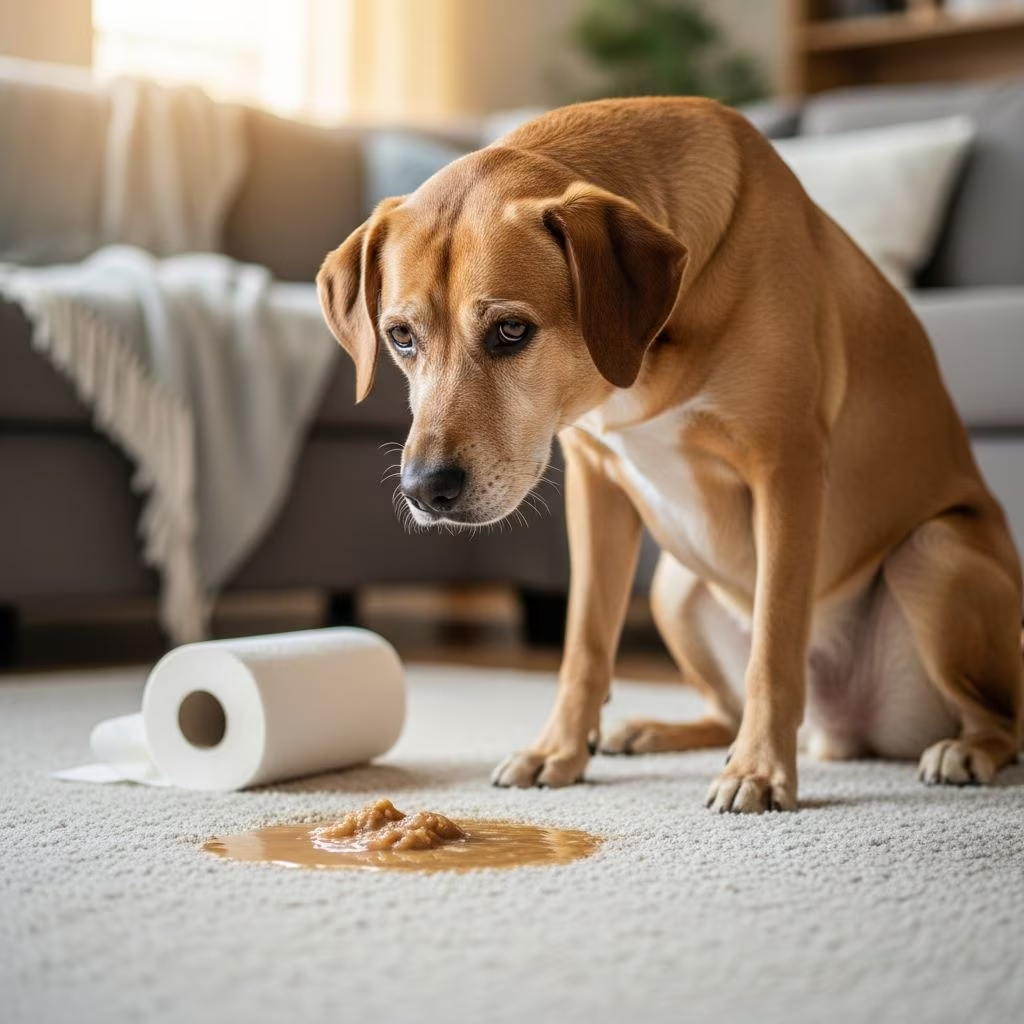
Dog diarrhea is a frequent concern for pet owners, often signaling digestive upset from everyday issues or more serious conditions. Recognizing the difference between harmless bouts and those needing professional help can protect your dog’s health.
Recognizing Diarrhea in Dogs
Diarrhea appears as loose, watery, or frequent stools differing from your dog’s normal firm output. It ranges from mild soft stools to severe liquid expulsion with mucus, blood, or foul odors. Acute cases last under 48 hours, while chronic ones persist beyond two weeks, potentially indicating underlying problems.
- Observe stool color: Black or tarry suggests upper GI bleeding; bright red indicates lower tract issues.
- Note frequency: Multiple episodes daily signal urgency.
- Check for accompanying signs like vomiting, lethargy, or appetite loss.
Primary Triggers of Canine Diarrhea
Multiple factors disrupt a dog’s gut balance, leading to diarrhea. Dietary errors top the list, followed by infections and stress.
Diet-Related Problems
Dogs often scavenge inappropriate items like table scraps, garbage, or spoiled food, overwhelming their digestion. Sudden food switches without gradual transition upset intestinal flora. Sensitivities to ingredients such as dairy, grains, or high-fat treats provoke reactions.
| Common Culprits | Symptoms | Avoidance Tips |
|---|---|---|
| Dairy (milk, cheese) | Gas, bloating, loose stools | Skip lactose-containing products |
| High-fat foods (bacon, fried items) | Acute onset, possible pancreatitis | Stick to lean proteins |
| Wheat/gluten | Chronic issues, skin problems | Try grain-free diets |
| Artificial additives | Irritation, inconsistent stools | Choose natural ingredient foods |
Infections and Parasitic Invaders
Bacteria like Salmonella or E. coli from contaminated sources cause sudden, severe diarrhea. Viruses such as parvovirus ravage unvaccinated pups with bloody, explosive stools. Parasites including Giardia, hookworms, roundworms, whipworms, and coccidia irritate intestines, often leading to weight loss and dehydration.
- Giardia: Greasy, smelly stools from pond water.
- Parvovirus: Lethal in puppies, requires immediate isolation.
- Worms: Visible in heavy infestations, prevented by monthly dewormers.
Stress and Lifestyle Factors
Anxiety from boarding, moves, or new pets triggers colitis, producing mucus-laden stools with straining. Medications like antibiotics disrupt gut bacteria, while toxins from plants or chemicals induce rapid purging.
Serious Underlying Conditions
Persistent diarrhea points to chronic diseases demanding veterinary intervention. Inflammatory bowel disease (IBD) causes ongoing inflammation impairing nutrient uptake. Exocrine pancreatic insufficiency (EPI) results in greasy, voluminous stools due to enzyme shortages. Colitis, SIBO, and rare lymphangiectasia lead to malabsorption and fluid buildup.
Systemic issues like pancreatitis, liver/kidney disease, hyperthyroidism, or tumors also manifest as diarrhea with weight loss and lethargy.
Evaluating Severity: When It’s an Emergency
Not all diarrhea requires a vet trip, but certain red flags do. Mild cases in healthy adults may resolve with home care, but puppies, seniors, or dogs with pre-existing conditions need prompt attention.
- Seek immediate care if: Bloody/black stools, profuse volume, vomiting, extreme lethargy, fever, pale gums, or abdominal pain.
- Dehydration signs: Sunken eyes, dry gums, skin tenting, weakness.
- Chronic patterns: Lasting over 48 hours or recurring frequently.
Home Management Strategies
For mild acute diarrhea, withhold food 12-24 hours to rest the gut, then introduce small bland meals. Boiled chicken (skinless) with white rice in 1:3 ratio firms stools. Plain canned pumpkin (1-4 tbsp based on size) adds fiber.
Probiotics restore beneficial bacteria; consult vets for dog-specific strains. Ensure constant fresh water access to combat dehydration.
| Duration | Diet Plan | Portion Frequency |
|---|---|---|
| Day 1 (Fasting) | Water only | Ad lib |
| Days 2-3 (Bland) | Chicken + rice | 4-6 small meals |
| Day 4+ (Transition) | Mix with regular food | Gradual over 5-7 days |
Avoid OTC human meds; they can harm dogs.
Veterinary Interventions
Vets diagnose via fecal tests, bloodwork, imaging, or endoscopy. Treatments target causes: Antiparasitics for worms, antibiotics for bacteria, antivirals/supportive care for viruses. Fluids (SQ or IV) correct dehydration; antiemetics curb nausea.
Prescription diets with hydrolyzed proteins, high fiber, or low fat manage allergies and IBD. For EPI, enzyme supplements aid digestion.
Preventing Future Episodes
Proactive steps minimize risks. Vaccinate against parvo/distemper. Use year-round parasite preventives. Transition foods slowly over 7-10 days. Limit scavenging with training and secure trash. Regular wellness exams catch issues early.
- Feed consistent, quality diet suited to your dog’s needs.
- Monitor for stress; provide enrichment.
- Avoid toxic foods: Chocolate, grapes, onions, xylitol.
FAQs on Dog Diarrhea
What home remedy works fastest for dog diarrhea?
A bland diet of boiled chicken and rice, plus pumpkin, often improves mild cases within 24-48 hours.
Is bloody diarrhea always serious?
Yes, it warrants immediate vet evaluation to rule out parvovirus, parasites, or bleeding disorders.
Can probiotics cure diarrhea?
They support recovery by balancing gut flora but don’t address root causes like infections.
How long before vet for puppy diarrhea?
Within 12-24 hours, as dehydration hits fast in young dogs.
Does stress really cause diarrhea in dogs?
Yes, via colitis from anxiety-induced gut changes.
Maintaining vigilance ensures quick resolution and prevents complications. Consult your vet for tailored advice.
References
- Why Does My Dog Have Diarrhea? 3 Common Causes — Insight Vet Wellness. 2023. https://insightvetwellness.com/gastrointestinal/why-does-my-dog-have-diarrhea-3-common-causes/
- 10 Common Causes of Dog Diarrhea and What to Do About It — CareCredit Well-U. 2023. https://www.carecredit.com/well-u/pet-care/dog-diarrhea/
- Common Causes of Diarrhea in Dogs — Center Star Vet. 2023-09-15. https://www.centerstarvet.com/site/blog/2023/09/15/common-causes-diarrhea-dogs
- Dog Diarrhea: How To Identify, Diagnose, and Treat It — PetMD. 2023. https://www.petmd.com/dog/symptoms/dog-diarrhea
- Dog Diarrhea: Causes, Treatment and When to Worry — GoodRx. 2023. https://www.goodrx.com/pet-health/dog/dog-diarrhea
- Diarrhea — Cornell University College of Veterinary Medicine. 2023. https://www.vet.cornell.edu/departments-centers-and-institutes/riney-canine-health-center/canine-health-topics/diarrhea
- Dog Diarrhea: Signs, Symptoms, and Treatments — AKC. 2023. https://www.akc.org/expert-advice/health/dog-diarrhea/



