

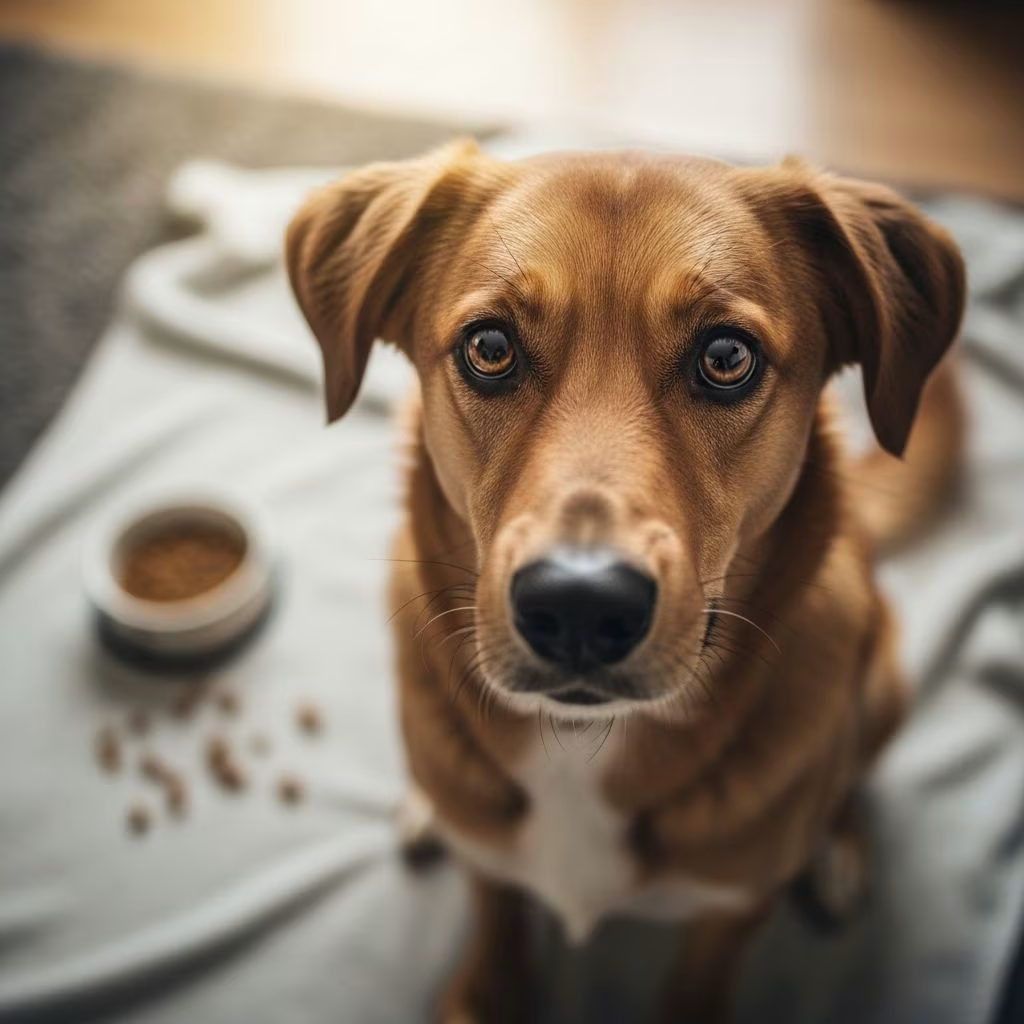
Dog diarrhea is a frequent concern for pet owners, often signaling temporary digestive upset or a more serious health issue. Recognizing the underlying reasons and responding appropriately can help your canine companion recover swiftly while preventing dehydration or complications.
Recognizing Diarrhea in Dogs
Diarrhea in dogs appears as loose, watery, or frequent stools that differ from their normal firm output. It can range from mild, occasional episodes to severe cases with blood, mucus, or foul odors. Acute diarrhea strikes suddenly and typically resolves within 24-48 hours, whereas chronic forms persist beyond two weeks, often pointing to ongoing conditions.
- **Color variations**: Black or tarry stools suggest upper digestive bleeding; bright red indicates lower tract issues.
- **Consistency clues**: Watery output risks rapid dehydration, especially in puppies or small breeds.
- **Frequency factors**: Multiple daily episodes, particularly with straining, warrant closer observation.
Monitor your dog’s behavior alongside stool changes, as lethargy or appetite loss amplifies concern levels.
Primary Triggers of Canine Diarrhea
Numerous factors disrupt a dog’s gut balance, leading to diarrhea. Understanding these helps in prevention and targeted management.
Diet-Related Disruptions
The leading culprit is dietary indiscretion, where dogs scavenge inappropriate items like table scraps, garbage, or foreign objects such as socks or sticks. Sudden food switches without gradual transition upset intestinal flora, causing loose stools. High-fat human foods like bacon or fried goods can provoke acute pancreatitis, resulting in profuse diarrhea.
Food sensitivities affect many dogs, with common allergens including:
- Dairy: Lactose intolerance leads to gas and watery stools post-consumption.
- Grains: Wheat or gluten sensitivities trigger chronic gut inflammation.
- Proteins: Reactions to beef, chicken, or eggs often combine digestive and skin symptoms.
- Additives: Artificial colors or preservatives in low-end kibble irritate sensitive systems.
Infectious Agents and Parasites
Pathogens invade via contaminated water, food, or environments. Viral threats like parvovirus devastate unvaccinated puppies with bloody, severe diarrhea, while bacterial invaders such as Salmonella or E. coli cause acute, mucus-laden episodes.
Parasites thrive in puppies and outdoor dogs:
| Parasite | Symptoms | Transmission |
|---|---|---|
| Giardia | Foul, greasy stools; intermittent bouts | Puddles, ponds, fecal contamination |
| Hookworms/Roundworms | Visible worms, anemia, weight loss | Soil, infected hosts |
| Coccidia | Watery, bloody diarrhea in young dogs | Feces in shared spaces |
| Whipworms | Bloody mucus stools, chronic cases | Moist soil environments |
Stress and Environmental Factors
Anxiety from boarding, travel, or household changes induces colitis, yielding mucus-covered, urgent stools. Medications like antibiotics disrupt gut bacteria, while toxins from chocolate, plants, or chemicals exacerbate symptoms.
Ongoing Health Conditions
Chronic diarrhea stems from disorders like inflammatory bowel disease (IBD), where gut inflammation impairs nutrient uptake, or exocrine pancreatic insufficiency (EPI), causing greasy, voluminous stools despite hearty appetites. Colitis, SIBO, and rare issues like lymphangiectasia lead to persistent problems requiring diagnostics.
When to Contact a Veterinarian
Not all diarrhea needs immediate vet attention, but certain red flags demand prompt care to avert life-threatening dehydration.
- Puppies, seniors, or small breeds with any diarrhea.
- Bloody, black, or explosive stools.
- Accompanying vomiting, fever, or abdominal pain.
- Signs of dehydration: tacky gums, sunken eyes, skin tenting.
- Duration exceeding 48 hours or chronic recurrence.
Err on the side of caution; early intervention often prevents escalation.
Home Management Strategies
For mild, acute cases, supportive care stabilizes the gut without meds.
Withhold Food Temporarily
Fast for 12-24 hours (water only) to rest the intestines, then introduce small, frequent meals. Avoid fasting puppies or diabetics.
Bland Diet Transition
Boiled chicken (skinless) and white rice in 1:3 ratio firms stools effectively. Add plain canned pumpkin (1-4 tbsp daily) for fiber to bulk waste and soothe irritation. Gradually revert to normal food over 3-5 days.
Probiotics and Supplements
Fortify gut flora with vet-approved probiotics containing Lactobacillus or Enterococcus strains. These restore microbial balance post-disruption.
Caution: Skip over-the-counter anti-diarrheals unless vet-directed, as they may mask serious issues.
Veterinary Interventions
Severe or unresolved cases require professional diagnostics like fecal exams, bloodwork, imaging, or endoscopy to pinpoint causes.
- Fluids: Subcutaneous or IV rehydration corrects imbalances swiftly.
- Parasite Control: Dewormers target specific infestations.
- Antibiotics/Antiemetics: For confirmed infections or nausea.
- Prescription Diets: Hydrolyzed proteins or high-fiber formulas manage allergies and IBD.
Preventing Future Episodes
Proactive steps minimize recurrence risks.
- Maintain consistent, quality diet; transition slowly.
- Secure trash, prompt walks for elimination.
- Yearly fecal tests, heartworm preventives cover many parasites.
- Stress reduction via routines, exercise, pheromone diffusers.
- Core vaccinations shield against parvovirus, distemper.
Regular wellness exams catch brewing issues early.
Frequently Asked Questions
Is dog diarrhea always an emergency?
No, mild cases often self-resolve with bland diets, but blood, lethargy, or persistence signal urgency.
Can I give my dog Pepto-Bismol for diarrhea?
Only under vet guidance with precise dosing; human meds risk toxicity.
How much pumpkin is safe for dogs with diarrhea?
1-4 tablespoons daily based on size, plain canned variety only—no pie filling.
Why does my puppy have diarrhea after vaccines?
Vaccines rarely cause it; more likely concurrent parasites or stress—consult your vet.
Does wet food cause diarrhea in dogs?
Not inherently, but sudden switches or sensitivities can; monitor ingredients.
Long-Term Outlook
Most dogs bounce back from acute diarrhea with minimal intervention. Chronic cases, managed via diet tweaks, meds, and monitoring, allow fulfilling lives. Track patterns in a journal to aid vet discussions and refine prevention.
References
- Why Does My Dog Have Diarrhea? 3 Common Causes — Insight Vet Wellness. 2023. https://insightvetwellness.com/gastrointestinal/why-does-my-dog-have-diarrhea-3-common-causes/
- Dog Diarrhea: How To Identify, Diagnose, and Treat It — PetMD. 2024. https://www.petmd.com/dog/symptoms/dog-diarrhea
- 10 Common Causes of Dog Diarrhea and What to Do About It — CareCredit Well-U. 2024. https://www.carecredit.com/well-u/pet-care/dog-diarrhea/
- Common Causes of Diarrhea in Dogs — Center Star Animal Hospital. 2023-09-15. https://www.centerstarvet.com/site/blog/2023/09/15/common-causes-diarrhea-dogs
- Dog Diarrhea: Causes, Treatment and When to Worry — GoodRx. 2024. https://www.goodrx.com/pet-health/dog/dog-diarrhea
- Diarrhea — Cornell University College of Veterinary Medicine. 2024. https://www.vet.cornell.edu/departments-centers-and-institutes/riney-canine-health-center/canine-health-topics/diarrhea



