

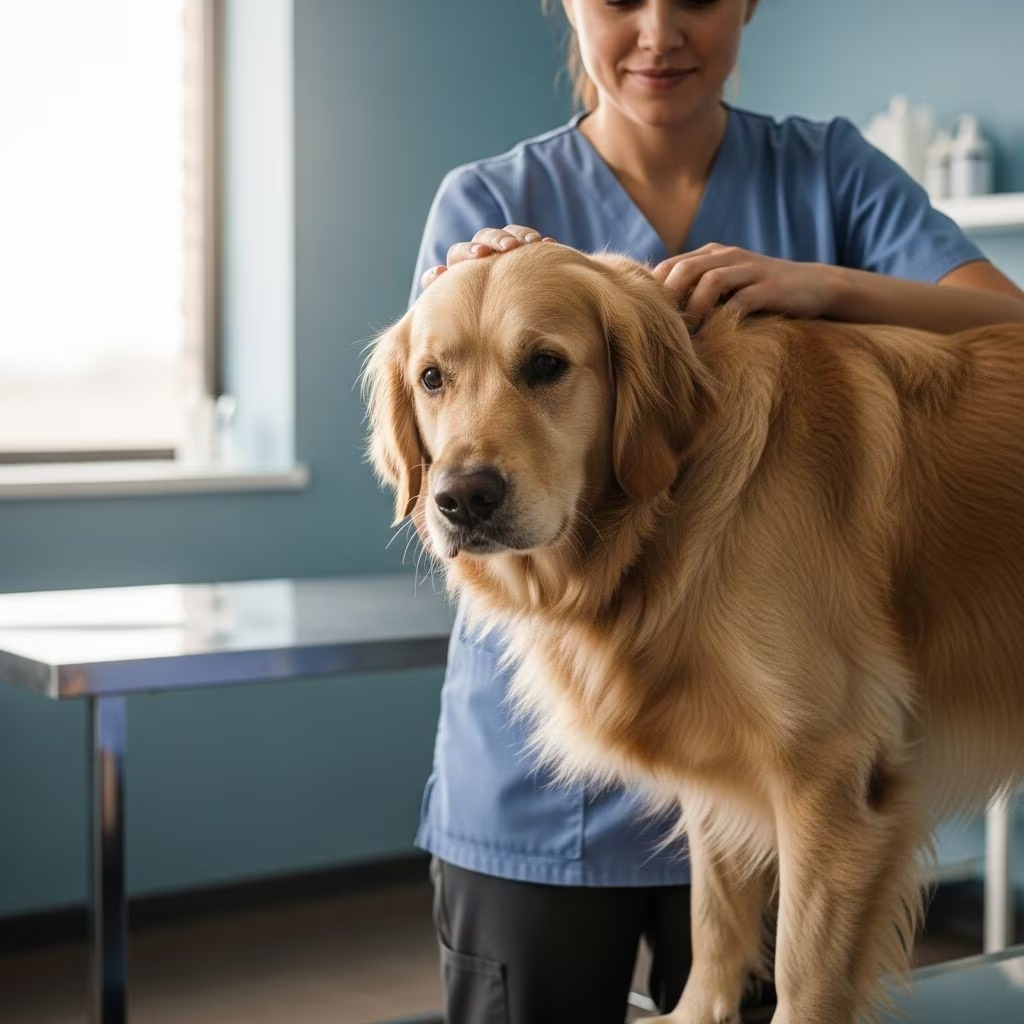
Dog diarrhea is a common gastrointestinal issue affecting dogs of all ages, breeds, and sizes. It occurs when the digestive system moves contents too quickly through the intestines, resulting in loose, watery stools. While occasional mild diarrhea may resolve on its own, persistent or severe cases often signal underlying health problems requiring prompt attention. Understanding the diverse causes—from simple dietary slip-ups to life-threatening infections—empowers pet owners to respond effectively and safeguard their dog’s well-being.
What Causes Diarrhea in Dogs?
The causes of diarrhea in dogs are multifaceted, spanning acute (sudden, short-term) and chronic (ongoing or recurrent) categories. Acute diarrhea frequently stems from transient issues like eating inappropriate foods, while chronic forms point to deeper systemic problems. Identifying the type helps determine urgency: acute cases might self-resolve with home care, but chronic diarrhea demands veterinary diagnostics to prevent complications like dehydration, malnutrition, or organ damage.
Acute Diarrhea Causes
Acute diarrhea develops rapidly and typically lasts 24-48 hours. It often results from environmental or dietary triggers that overwhelm the gut temporarily.
- Dietary Indiscretion: The leading cause, where dogs scavenge garbage, table scraps, spoiled food, or non-food items like grass or dirt. Sudden diet changes, even to premium foods, disrupt gut flora, causing loose stools as bacteria adjust.
- Food Sensitivities and Allergies: Intolerances to dairy (lactose deficiency), wheat/gluten, specific proteins (beef, chicken), high-fat foods, or artificial additives provoke inflammation. Fatty human foods like bacon can trigger acute pancreatitis alongside diarrhea.
- Stress and Anxiety: Changes like travel, new homes, or loud noises induce stress colitis, producing mucus-laden stools with urgency.
- Toxins and Foreign Bodies: Ingestion of chocolate, xylitol, plants, or objects like socks/rocks irritates the gut or causes partial blockages, leading to diarrhea.
Chronic Diarrhea Causes
Chronic diarrhea persists beyond 2 weeks or recurs frequently, often with weight loss, lethargy, or poor coat quality. It necessitates thorough vet evaluation including fecal tests, bloodwork, imaging, and possibly biopsies.
- Parasitic Infections: Giardia (from contaminated water), coccidia (puppies/immunocompromised), hookworms, roundworms, whipworms cause malabsorption and bloody/mucousy stools.
- Bacterial Infections: Salmonella, Campylobacter, E. coli from tainted food/water inflame intestines, sometimes with blood or fever.
- Viral Infections: Parvovirus (puppies, bloody diarrhea, fatal if untreated), distemper, coronavirus demand immediate isolation and care.
- Exocrine Pancreatic Insufficiency (EPI): Pancreas fails to produce digestive enzymes, yielding voluminous, greasy stools and weight loss despite voracious appetite.
- Inflammatory Bowel Disease (IBD): Chronic gut inflammation disrupts digestion, causing intermittent diarrhea, vomiting, and thinness.
- Other Systemic Issues: Kidney/liver disease impair toxin filtration; hyperthyroidism accelerates metabolism; colitis, SIBO, lymphangiectasia, or cancers like intestinal lymphoma contribute.
Symptoms of Diarrhea in Dogs
Beyond loose stools, watch for accompanying signs indicating severity. Color, consistency, frequency, and add-ons like blood/mucus provide diagnostic clues.
- Stool Characteristics: Watery, pudding-like, cow-patty, or explosive; black/tarry (digested blood), bright red blood, yellow (rapid transit), greasy (malabsorption).
- Associated Symptoms: Vomiting, appetite loss, lethargy, fever, abdominal pain (hunched posture), dehydration (tacky gums, sunken eyes, skin tenting).
- Severity Indicators: Large-breed puppies, seniors, or dogs with pre-existing conditions face higher risks from fluid loss.
When to See a Vet for Dog Diarrhea
Not all diarrhea warrants a vet visit, but err on caution. Seek immediate care if:
- Diarrhea lasts >24-48 hours or worsens.
- Blood, mucus, black stools, or foul odor present.
- Puppy <6 months, senior >7 years, or diabetic/heart patients affected.
- Dehydration signs: weakness, dry gums, no urine output.
- Vomiting, fever >103°F, or abdominal bloating accompany.
Chronic cases require fecal flotation, parvovirus snaps, blood panels, ultrasounds to pinpoint causes.
Diagnosing the Cause of Dog Diarrhea
Vets employ a stepwise approach:
| Test | Purpose |
|---|---|
| Fecal Exam | Detect parasites (ova, Giardia antigens), bacteria. |
| Bloodwork | Check organ function, electrolytes, EPI (TLI test), infections. |
| Imaging (X-ray/Ultrasound) | Reveal obstructions, masses, thickening. |
| Endoscopy/Biopsy | Confirm IBD, cancer via tissue samples. |
Treating Diarrhea in Dogs
Treatment targets the root cause while supporting recovery.
Home Care for Mild Cases
- Fast: Withhold food 12-24 hours (water okay) to rest gut.
- Bland Diet: Boiled chicken/rice or hamburger/rice (50:50) in small, frequent meals x3-5 days. Add plain pumpkin (1-4 tbsp) for fiber.
- Probiotics: Restore gut flora (e.g., FortiFlora).
- Hydration: Electrolyte solutions if needed.
Veterinary Treatments
- Fluid Therapy: SubQ/IV for dehydration.
- Medications: Dewormers (fenbendazole), antibiotics (metronidazole), anti-diarrheals (kaolin-pectin), anti-nausea (maropitant).
- Prescription Diets: Hydrolyzed proteins, high-fiber, low-fat for allergies/IBD/EPI.
- Chronic Management: Immunosuppressants (prednisone), enzyme supplements (EPI).
Preventing Diarrhea in Dogs
Proactive steps minimize risks:
- Consistent high-quality diet; gradual food transitions over 7-10 days.
- Vaccinate against parvovirus/distemper; monthly preventives for parasites.
- Secure trash; supervise outdoors; avoid fatty/human foods.
- Annual fecal/blood screens, especially multi-dog homes.
Frequently Asked Questions (FAQs)
What is the most common cause of diarrhea in dogs?
Dietary indiscretion, such as eating garbage or sudden diet changes, tops the list for acute cases.
Can dog diarrhea be fatal?
Yes, parvovirus or severe dehydration can be life-threatening, especially in puppies. Seek vet care promptly.
How long is too long for dog diarrhea?
Beyond 24-48 hours, or with blood/dehydration, contact a vet immediately.
Is rice good for dogs with diarrhea?
Yes, boiled white rice in a bland diet helps firm stools due to its binding fiber.
Should I give my dog Pepto-Bismol for diarrhea?
No, consult a vet first—it’s unsafe for cats and certain dog conditions/meds.
References
- Diarrhea in Pets: Causes and Treatments — The Animal Medical Center. 2023-01-15. https://www.amcny.org/pet_health_library/diarrhea-causes-and-treatments/
- Why Does My Dog Have Diarrhea? 3 Common Causes — Insight Vet Wellness. 2024-05-20. https://insightvetwellness.com/gastrointestinal/why-does-my-dog-have-diarrhea-3-common-causes/
- Dog Diarrhea: How To Identify, Diagnose, and Treat It — PetMD. 2025-03-10. https://www.petmd.com/dog/symptoms/dog-diarrhea
- Common Causes of Diarrhea in Dogs — Center Star Veterinary Clinic. 2023-09-15. https://www.centerstarvet.com/site/blog/2023/09/15/common-causes-diarrhea-dogs
- Dog Diarrhea: Causes, Treatment and When to Worry — GoodRx. 2024-11-05. https://www.goodrx.com/pet-health/dog/dog-diarrhea
- Diarrhea — Cornell University College of Veterinary Medicine. 2024-02-12. https://www.vet.cornell.edu/departments-centers-and-institutes/riney-canine-health-center/canine-health-topics/diarrhea



