

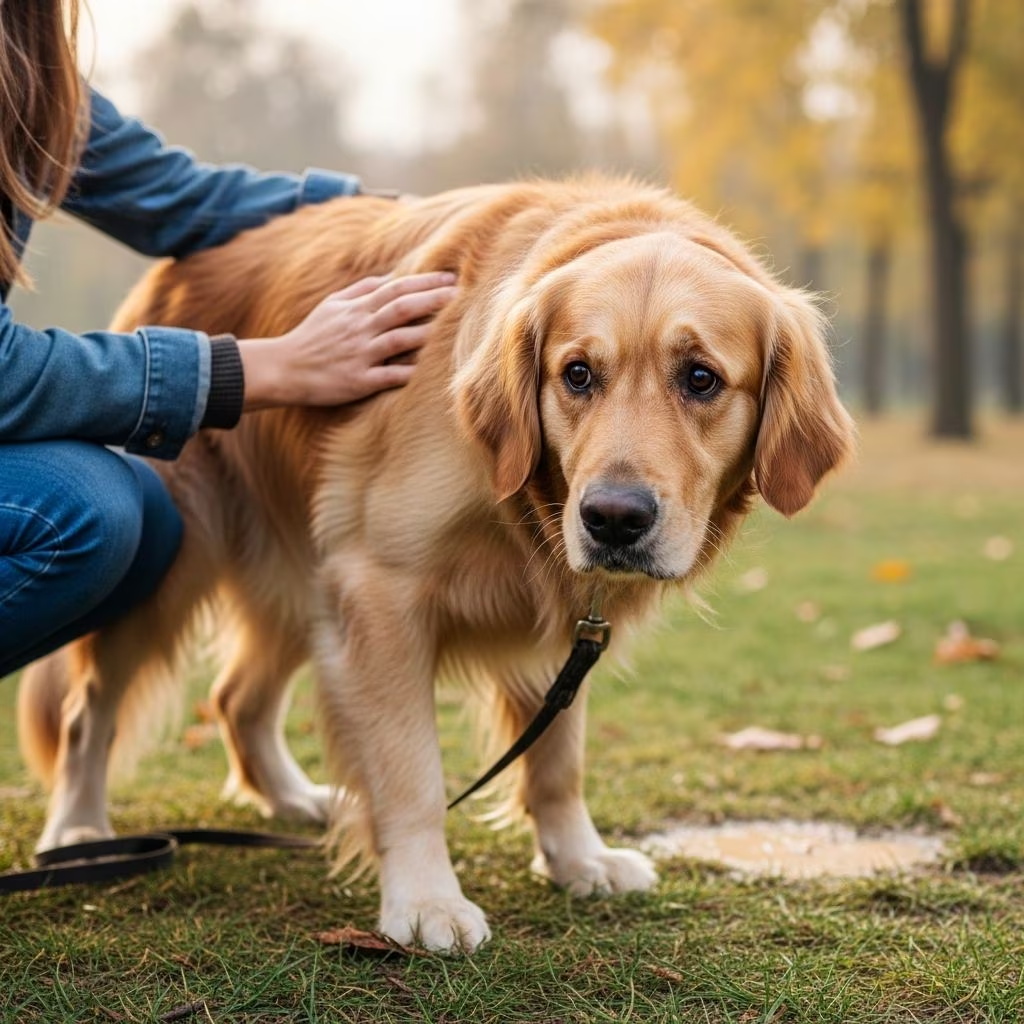
Diarrhea in dogs is a frequent concern for pet owners, often signaling temporary digestive upset or a more serious health issue. This guide breaks down the various factors leading to loose stools, offers step-by-step management strategies, and highlights critical warning signs that necessitate professional intervention. With insights drawn from veterinary expertise, you’ll be equipped to support your dog’s recovery effectively.
Recognizing Diarrhea in Your Dog
Diarrhea manifests as loose, watery, or frequent bowel movements that deviate from your dog’s normal stool consistency. It can range from a one-off episode to persistent occurrences, and may include additional signs like mucus, blood, or straining. Acute diarrhea lasts under two weeks, while chronic cases persist longer, often pointing to underlying conditions.
- Watery stools: Indicates rapid transit through the intestines, common in infections or toxins.
- Mucousy or bloody feces: Suggests irritation or damage to the gut lining, as seen in colitis or parasites.
- Small, frequent puddles: Linked to stress or dietary changes.
Observe stool color and frequency alongside your dog’s behavior, appetite, and energy levels to gauge severity.
Primary Triggers of Digestive Upset
Numerous factors can disrupt a dog’s gastrointestinal balance, leading to diarrhea. Identifying the root cause is key to targeted treatment.
Diet-Related Issues
Sudden food changes, scavenging garbage, or consuming human foods like fatty scraps often provoke acute episodes. Dogs may ingest table scraps, chocolate, or spoiled items, overwhelming their digestive system.
- Table foods high in fat or sugar.
- Abrupt switches between kibble brands.
- Grazing on lawn or wild plants.
Infectious Agents and Parasites
Parasites such as giardia, hookworms, roundworms, whipworms, and coccidia frequently cause diarrhea, especially in puppies or dogs exposed to contaminated environments. Bacterial culprits like salmonella or viral threats including parvovirus and distemper also inflame the gut.
| Parasite/Type | Common Signs | Risk Factors |
|---|---|---|
| Giardia | Watery, foul-smelling stools | Ponds, kennels |
| Hookworms | Bloody diarrhea, anemia | Soil contact |
| Parvovirus | Severe, bloody vomiting/diarrhea | Unvaccinated puppies |
Non-Infectious Contributors
Stress from travel, new homes, or fireworks can accelerate gut motility. Toxins like antifreeze, certain plants, or medications (e.g., antibiotics) disrupt flora balance. Chronic conditions such as pancreatitis, inflammatory bowel disease (IBD), liver/kidney issues, or even cancer may present with ongoing diarrhea.
Foreign objects like socks or toys cause blockages leading to secondary diarrhea.
Assessing Severity: When It’s a Concern
Not all diarrhea requires a vet visit, but certain indicators signal urgency. Mild cases in otherwise lively dogs often resolve with home care, but monitor closely.
- Puppy, senior, or small breed: Higher dehydration risk.
- Accompanied by vomiting, lethargy, fever, or blood: Potential emergency.
- Lasts over 48 hours or recurs: Warrants diagnostics.
Dehydration signs include dry gums, sunken eyes, and skin that doesn’t snap back when pinched. Chronic diarrhea with weight loss, poor coat, or appetite changes points to IBD or metabolic disorders.
Step-by-Step Home Management
For mild, acute diarrhea without red flags, initiate conservative care while preparing to consult a vet.
- Fast strategically: Withhold food for 12-24 hours (not water) to rest the gut, especially post-indiscretion.
- Introduce bland diet: Boiled chicken/rice or hamburger/white rice in small, frequent meals for 2-3 days. Gradually transition back to regular food.
- Hydrate: Offer ice cubes, low-sodium broth, or electrolyte solutions designed for pets.
- Probiotics: Veterinary-grade supplements restore microbiome balance, speeding recovery.
Avoid over-the-counter human meds like Pepto-Bismol without vet approval, as they can harm dogs.
Advanced Support Options
For persistent cases, vets may recommend high-fiber diets, hydrolyzed proteins for allergies, or microbiome tests revealing imbalances like low Faecalibacterium in IBD.
Professional Diagnosis and Interventions
Veterinarians employ fecal exams, bloodwork, imaging, or endoscopy to pinpoint causes. Treatments tailor to findings:
- Parasite clearance: Dewormers or anti-protozoals.
- Infections: Antibiotics sparingly; monoclonal antibodies for parvo.
- Chronic issues: Steroids (prednisone), immunosuppressants, or fecal transplants.
- Supportive care: IV fluids for dehydration, anti-nausea drugs.
Special GI diets promote microbiome health and reduce inflammation.
Preventing Recurrence in Daily Life
Proactive habits minimize risks:
- Consistent, gradual diet transitions over 7-10 days.
- Heartworm preventives covering intestinal parasites.
- Vaccinations against parvo, distemper.
- Secure trash; supervise outdoors.
- Stress reduction via routines, exercise, pheromone diffusers.
Regular fecal checks, especially post-travel, catch issues early.
Frequently Asked Questions
Can I give my dog yogurt for diarrhea?
Plain, unsweetened yogurt provides probiotics but use sparingly; opt for dog-specific formulas to avoid lactose issues.[10]
How long before vet for puppy diarrhea?
Immediately if severe; within 24 hours for mild persistence, as puppies dehydrate fast.
Is bloody diarrhea always serious?
Often yes, indicating parasites, HGE, or parvo—seek care promptly.
What about rice in bland diets?
White rice is gentle and binding; brown rice adds fiber for chronic cases.
Do antibiotics cause diarrhea?
Yes, via dysbiosis; probiotics mitigate this.
Long-Term Gut Health for Your Dog
Beyond episodes, foster resilience with prebiotic fibers, omega-3s, and balanced nutrition. Annual wellness exams ensure early detection of vulnerabilities like exocrine pancreatic insufficiency.
Word count: 1678 (excluding metadata and references)
References
- Dog Diarrhea: How To Identify, Diagnose, and Treat It — PetMD. 2023. https://www.petmd.com/dog/symptoms/dog-diarrhea
- Common Cause of Diarrhea in Dogs & How to Stop it — Center Star Animal Hospital. 2023-09-15. https://www.centerstarvet.com/site/blog/2023/09/15/common-causes-diarrhea-dogs
- Dog Diarrhea: Causes, Treatment and When to Worry — GoodRx. 2023. https://www.goodrx.com/pet-health/dog/dog-diarrhea
- Diarrhea | Cornell University College of Veterinary Medicine — Cornell University (.edu). 2023. https://www.vet.cornell.edu/departments-centers-and-institutes/riney-canine-health-center/canine-health-topics/diarrhea
- How to Know What’s Causing It and Help Your Dog Feel Better — AnimalBiome. 2023. https://www.animalbiome.com/blogs/pet-health/dog-diarrhea-what-you-need-to-know



