Dog Diarrhea: Causes, Treatment & When to See a Vet
Complete guide to understanding dog diarrhea: causes, symptoms, home remedies, and veterinary care options.
Understanding Dog Diarrhea: A Complete Guide for Pet Owners
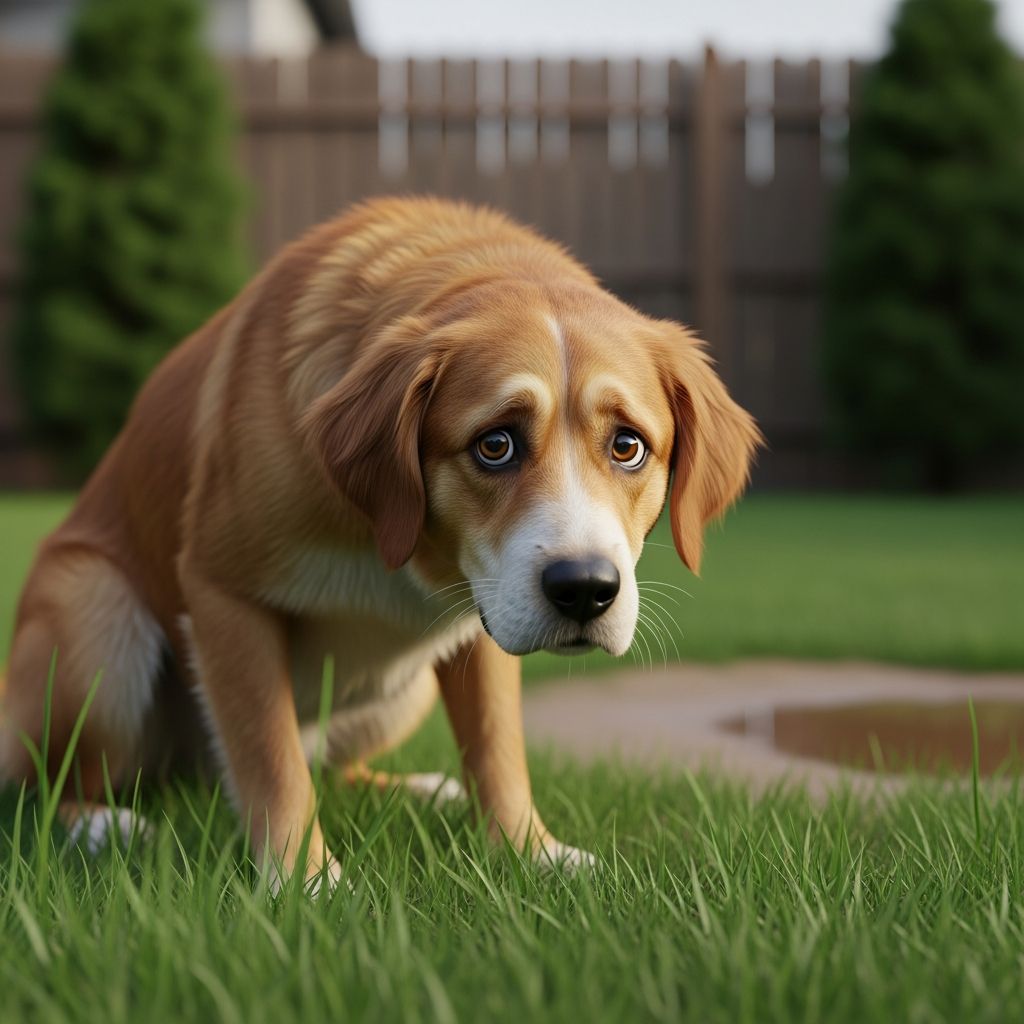
Dog diarrhea is one of the most common digestive issues pet owners encounter. Whether your furry companion experiences occasional loose stools or chronic diarrhea, understanding the underlying causes and appropriate treatments is essential for maintaining their health and well-being. Diarrhea occurs when food and water pass through your dog’s gastrointestinal tract too quickly, resulting in loose or watery stools. While mild cases often resolve on their own, persistent diarrhea may indicate a more serious underlying condition requiring veterinary attention.
What Causes Dog Diarrhea?
Dog diarrhea can stem from numerous factors, ranging from minor dietary indiscretions to serious medical conditions. Understanding these causes is the first step toward addressing your dog’s digestive issues effectively.
Common Dietary Causes
One of the most frequent culprits behind dog diarrhea is dietary indiscretion, which occurs when dogs eat garbage, spoiled food, or human food not intended for canine consumption. Additionally, abrupt changes in your dog’s regular diet or treats can trigger gastrointestinal upset and loose stools. Dogs have sensitive digestive systems that require gradual transitions when switching between food brands or types. Even well-intentioned dietary changes can lead to temporary diarrhea if not introduced slowly over several days.
Ingestion of Foreign Objects
Some dogs have a tendency to consume non-food items such as toys, bones, fabric, socks, or rocks. These foreign bodies can irritate the digestive tract or create blockages, resulting in diarrhea. Additionally, ingesting toxins or poisons—including certain foods like chocolate and alcohol—can cause severe gastrointestinal distress.
Infections and Parasites
Bacterial and viral infections represent significant causes of dog diarrhea. Common viral culprits include parvovirus, canine distemper, and coronavirus. Bacterial infections such as salmonella can also trigger severe digestive upset. Internal parasites including roundworms, hookworms, whipworms, coccidia, and giardia are prevalent parasitic causes of diarrhea in dogs. These parasites can be transmitted through contaminated water, soil, or contact with infected animals.
Medications and Stress
Certain medications, particularly antibiotics, can cause diarrhea as a side effect by disrupting the natural balance of beneficial bacteria in your dog’s digestive system. Stress and anxiety, especially following travel, boarding, or environmental changes, can also precipitate acute diarrhea.
Underlying Medical Conditions
Chronic diarrhea often indicates more serious underlying health issues that require professional veterinary evaluation. These conditions include inflammatory bowel disease, pancreatitis (inflammation of the pancreas), colitis, liver or kidney disease, exocrine pancreatic insufficiency, and intestinal cancer. Metabolic conditions such as hyperthyroidism may also manifest as chronic diarrhea.
Types of Dog Diarrhea
Veterinarians classify dog diarrhea into different types based on underlying mechanisms and characteristics, which helps guide treatment decisions.
Secretory Diarrhea
Secretory diarrhea occurs when the gastrointestinal tract produces excessive secretions, typically caused by bacterial toxins or viruses. This type presents as abundant watery feces and generally does not improve with fasting.
Exudative Diarrhea
Exudative diarrhea develops when the GI tract lining becomes damaged due to ulcerative colitis or autoimmune diseases. Pet owners typically observe mucus and blood in the feces with this diarrhea type.
Acute vs. Chronic Diarrhea
Mild bouts of acute diarrhea are very common and often resolve within a few days without intervention. However, chronic diarrhea—defined as diarrhea persisting over two weeks—indicates an underlying condition requiring veterinary investigation and care. Chronic diarrhea can lead to serious complications including weight loss, poor coat quality, and lethargy.
Home Treatment Options for Mild Diarrhea
If your dog experiences mild diarrhea, several home care strategies may provide relief and support recovery. However, always consult your veterinarian if symptoms persist or worsen.
Fasting and Food Withholding
For dogs with mild diarrhea, withholding food for 12 to 24 hours can help calm the intestinal tract. During this period, provide fresh, clean water in small, frequent amounts to prevent dehydration. After the fasting period, gradually reintroduce food with a bland diet.
Bland Diet Approach
A bland diet for 24 to 48 hours may help resolve your dog’s digestive upset. Ideal bland diet options include plain-cooked white rice combined with boiled chicken (without skin), canned plain pumpkin, or low-fat hamburger. These easily digestible foods provide nutrition without irritating the digestive system.
Beneficial Supplements and Foods
Several supplements and foods can help soothe your dog’s upset stomach and support recovery:
– Plain yogurt with active cultures promotes beneficial bacteria and aids digestion- Probiotics supplement live bacteria that support healthy digestion- Boiled potatoes without skin provide gentle nutrition- Plain, low-sodium cottage cheese offers protein and probiotics- Plain cooked eggs (prepared without butter or oil) supply high-quality protein- Natural yogurt and probiotics restore gut flora balance
When to Contact Your Veterinarian
While mild diarrhea often resolves at home, certain warning signs indicate the need for immediate veterinary attention. Contact your veterinarian if your dog’s diarrhea persists beyond a few days, contains blood or mucus, accompanies vomiting, or if your dog appears lethargic or in pain. Additionally, puppies, senior dogs, and dogs with pre-existing health conditions require veterinary evaluation for any diarrhea episode.
Veterinary Diagnosis and Treatment
When you bring your dog to the veterinarian, they will perform a comprehensive examination and may conduct various diagnostic tests to identify the underlying cause.
Diagnostic Testing
Your veterinarian may perform a fecal exam to detect parasites, test for infectious diseases like parvovirus, conduct X-rays or ultrasounds to identify foreign bodies, and run bloodwork to check for underlying health issues. These diagnostics help determine the most appropriate treatment approach for your dog’s specific condition.
Professional Treatment Options
Treatment depends entirely on the identified underlying cause. Common veterinary treatments include:
–
Dietary management
: Prescription therapeutic gastrointestinal diets specifically formulated for easy digestion and GI health support-Fluid therapy
: For moderate to severe diarrhea, fluid therapy replaces lost fluids and corrects electrolyte imbalances-Probiotics
: Veterinary-prescribed probiotics restore beneficial bacteria balance in the digestive system-Anti-parasitic medications
: Prescribed when internal parasites are identified-Antibiotics
: Rarely prescribed to clear or prevent bacterial infections, though they can cause further GI issues through dysbiosis-Anti-nausea and anti-diarrheal medications
: May be recommended to provide symptom relief-Steroids
: Such as prednisone or prednisolone for inflammatory conditions-Immunosuppressive medications
: Cyclosporine or chlorambucil for immune-related digestive disorders-Monoclonal antibody treatment
: Available for puppies diagnosed with parvovirusRecovery and Management
Most dogs experiencing mild diarrhea typically recover within two to three days with appropriate home care and dietary management. Probiotic supplements and bland diet feeding can accelerate recovery in mild cases. However, dogs with severe diarrhea may require extended recovery periods and professional veterinary management. Your veterinarian may recommend a special GI diet formulated to support healthy digestion during the recovery phase and beyond.
Preventing Dog Diarrhea
Prevention is always preferable to treatment. Consider these strategies to reduce your dog’s diarrhea risk:
– Keep garbage and spoiled food secured and out of reach- Remove hazardous toys, small objects, and toxic substances from your dog’s environment- Introduce dietary changes gradually over 7-10 days- Maintain consistent feeding schedules and portion sizes- Provide fresh, clean water at all times- Keep your dog current on parasite prevention medications- Ensure proper vaccination against viral infections- Minimize stress through routine and familiar environments- Consult your veterinarian before starting new supplements or medications
Frequently Asked Questions About Dog Diarrhea
Q: How long does dog diarrhea typically last?
A: Mild diarrhea usually resolves within two to three days with appropriate home care and dietary management. However, chronic diarrhea persisting beyond two weeks requires veterinary evaluation and treatment for underlying conditions.
Q: Should I fast my dog if they have diarrhea?
A: For mild cases, withholding food for 12 to 24 hours can help calm the digestive tract. However, always provide fresh water. After fasting, gradually reintroduce a bland diet. Consult your veterinarian before fasting, especially for puppies or dogs with pre-existing conditions.
Q: What is the best bland diet for dogs with diarrhea?
A: Excellent bland diet options include plain-cooked white rice with boiled chicken (no skin), canned plain pumpkin, or low-fat hamburger. These easily digestible foods support recovery without irritating the gastrointestinal tract.
Q: Are probiotics safe for dogs with diarrhea?
A: Yes, probiotics are generally safe and beneficial for dogs with diarrhea. They help restore the balance of beneficial bacteria in the digestive system and support GI health. Veterinary-prescribed probiotics are recommended for best results.
Q: Can antibiotics cause diarrhea in dogs?
A: Yes, antibiotics can cause diarrhea by disrupting the natural balance of beneficial bacteria in the digestive tract, a condition called dysbiosis. If your dog develops diarrhea while taking antibiotics, inform your veterinarian immediately.
Q: When is dog diarrhea considered an emergency?
A: Seek emergency veterinary care if your dog’s diarrhea contains blood, accompanies severe vomiting, shows signs of severe dehydration, or if your dog appears extremely lethargic or in severe pain. Puppies and senior dogs with diarrhea should also receive prompt veterinary evaluation.
Q: How can I prevent diarrhea in my dog?
A: Prevent diarrhea by securing garbage, introducing diet changes gradually, maintaining consistent feeding schedules, providing fresh water, keeping parasites under control, ensuring proper vaccinations, minimizing stress, and consulting your veterinarian about supplements or medications.
References
- Common Causes of Diarrhea in Dogs & How to Stop It — Cedar Mill Veterinary Clinic. 2023-06-28. https://www.cedarmillvet.com/site/blog/2023/06/28/diarrhea-dogs
- The Most Common Causes of Diarrhea in Dogs & How to Stop It — North Raleigh Veterinary Clinic. 2021-08-15. https://www.nurvc.com/site/blog/2021/08/15/diarrhea-in-dogs
- Common Cause of Diarrhea in Dogs & How to Stop It — Center Star Veterinary Clinic. 2023-09-15. https://www.centerstarvet.com/site/blog/2023/09/15/common-causes-diarrhea-dogs
- Dog Diarrhea: How To Identify, Diagnose, and Treat It — PetMD. https://www.petmd.com/dog/symptoms/dog-diarrhea
- Diarrhea in Dogs — Cornell University College of Veterinary Medicine, Riney Canine Health Center. https://www.vet.cornell.edu/departments-centers-and-institutes/riney-canine-health-center/canine-health-information/diarrhea
- Dog Diarrhea: Causes, Treatment and When to Worry — GoodRx. https://www.goodrx.com/pet-health/dog/dog-diarrhea
- Diarrhea in Dogs — VCA Animal Hospitals. https://vcahospitals.com/know-your-pet/diarrhea-in-dogs
Similar Articles



Read full bio of medha deb