

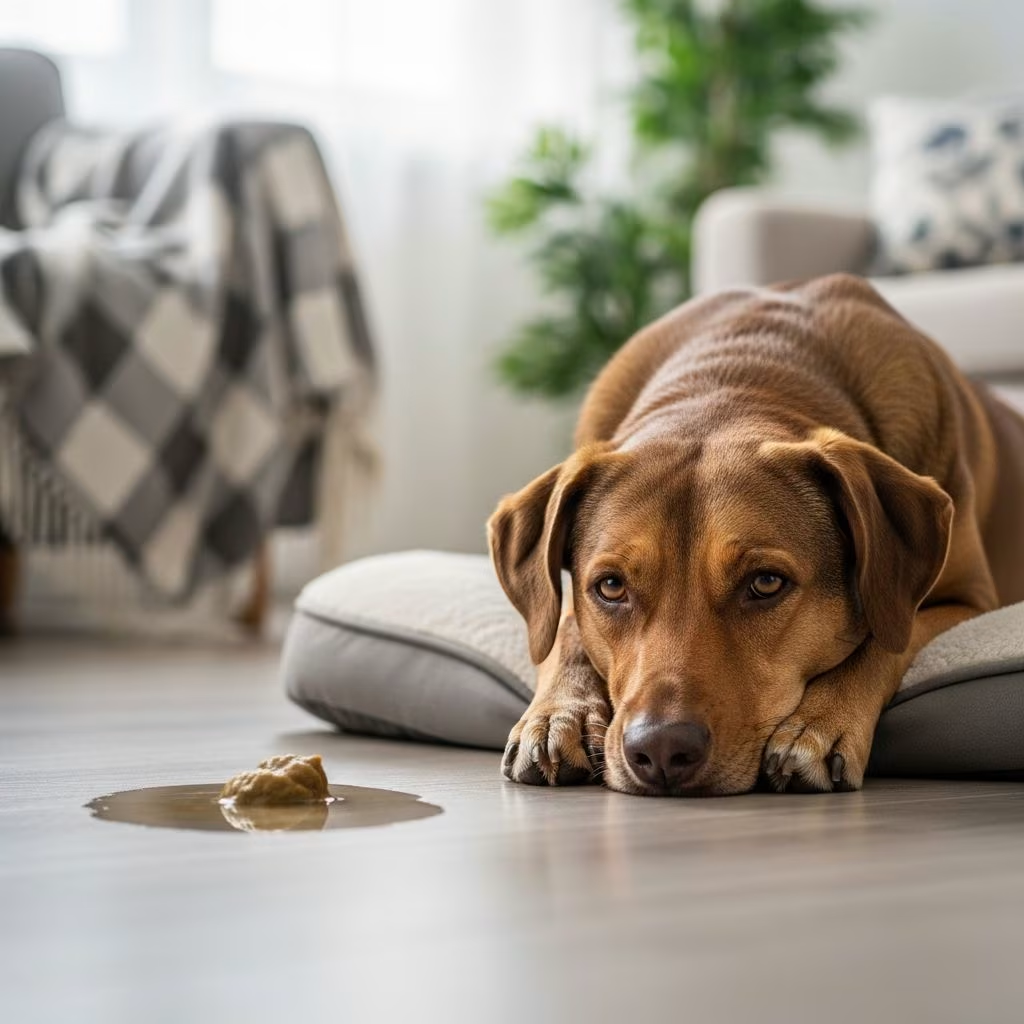
Understanding Dog Diarrhea
Dog diarrhea is a common condition that can affect dogs of all ages and breeds. It is characterized by loose, watery stools and can be a sign of a minor issue or a more serious underlying health problem. Understanding the causes, symptoms, and treatments for dog diarrhea is essential for pet owners to ensure their dogs remain healthy and comfortable.
Common Causes of Dog Diarrhea
Dog diarrhea can be caused by a variety of factors, ranging from dietary indiscretion to more serious medical conditions. Some of the most common causes include:
- Dietary Indiscretion: Eating something they shouldn’t, such as garbage, spoiled food, or non-food items.
- Infections: Viral or bacterial infections, such as parvovirus or salmonellosis.
- Parasites: Infestations with worms or protozoa, like giardia or coccidia.
- Stress: Events such as fireworks, moving home, or long car journeys can trigger diarrhea.
- Food Allergies: Allergies to certain ingredients, such as chicken, beef, grains, or eggs.
- Chronic Medical Conditions: Liver disease, hormonal disorders, or kidney failure.
- Toxin Ingestion: Ingesting toxic substances like raisins, chocolate, cleaning products, or certain flowers.
- Medications: Side effects from antibiotics, non-steroidal anti-inflammatory drugs, or heart medications.
- Foreign Body Ingestion: Eating something that gets stuck in the intestines.
- Inflammatory Bowel Disease (IBD): Chronic inflammation of the digestive tract.
- Exocrine Pancreatic Insufficiency (EPI): Lack of pancreatic enzymes leading to malabsorption.
- Pancreatitis: Inflammation of the pancreas.
- Gastroenteritis: Infection or inflammation of the digestive system.
Symptoms of Dog Diarrhea
The symptoms of dog diarrhea can vary depending on the underlying cause. Common symptoms include:
- Loose, watery stools
- Increased frequency of bowel movements
- Straining to defecate
- Blood or mucus in the stool
- Vomiting
- Lack of appetite
- Dehydration
- Weight loss
- Lethargy
- Fever
When to Seek Veterinary Care
While mild cases of diarrhea may resolve on their own, it is important to seek veterinary care if your dog exhibits any of the following signs:
- Diarrhea lasting more than 48-72 hours
- Black, tarry stools (indicating possible internal bleeding)
- Vomiting
- Lack of appetite
- Dehydration
- Lethargy
- Fever
- Severe abdominal pain
- Diarrhea in puppies or senior dogs
Treatment of Dog Diarrhea
The treatment of dog diarrhea depends on the underlying cause. Common treatments include:
- Antibiotics: For bacterial infections, medications such as metronidazole may be prescribed.
- Probiotics: Daily probiotics, such as Fortiflora®, can help maintain a healthy gut.
- Diet Change: If a food allergy is diagnosed, a diet change is necessary.
- Steroids: Oral steroids like prednisone can treat gut inflammation.
- Deworming Medication: If intestinal parasites are diagnosed, a deworming medication such as pyrantel pamoate or fenbendazole will be prescribed.
- Vitamin B12 Supplementation: Supplementing with vitamin B12 (cobalamin) can resolve chronic diarrhea.
- Surgery: If a dog has cancer or a foreign body, surgery may be needed.
- Fluid Therapy: Many dogs with chronic diarrhea benefit from fluid therapy, either given underneath the skin or into the vein.
- High-Fiber Diet: A high-fiber diet can help manage diarrhea in some cases.
- Rest: Allowing the dog to rest can help the body recover.
Prevention of Dog Diarrhea
Preventing dog diarrhea involves several key strategies:
- Feed a balanced, high-quality diet.
- Avoid abrupt diet changes.
- Keep your dog away from garbage and non-food items.
- Regular deworming and parasite prevention.
- Minimize stress and anxiety.
- Regular veterinary check-ups.
- Keep toxic substances out of reach.
FAQs About Dog Diarrhea
Q: What should I feed my dog if they have diarrhea?
A: A bland diet, such as boiled chicken and rice, can help settle your dog’s stomach. Avoid fatty or spicy foods.
Q: Can I give my dog over-the-counter medications for diarrhea?
A: It is not recommended to give over-the-counter medications without consulting a veterinarian, as some can be harmful to dogs.
Q: How long does dog diarrhea usually last?
A: Mild cases of diarrhea may resolve within a few days, but if it persists for more than 48-72 hours, veterinary care is recommended.
Q: Can stress cause diarrhea in dogs?
A: Yes, stress can trigger diarrhea in dogs, especially after events like moving, travel, or changes in routine.
Q: When should I worry about my dog’s diarrhea?
A: Seek veterinary care if your dog has persistent diarrhea, vomiting, dehydration, lethargy, or other concerning symptoms.
References
References
- Diarrhea in Dogs: Common Causes and Treatment — Veteris. 2023. https://veteris.co.uk/petcare-advice/diarrhoea-in-dogs-common-causes-and-treatment
- Chronic Diarrhea in Dogs: What Causes It and When Should You … — PetMD. 2023. https://www.petmd.com/dog/symptoms/chronic-diarrhea-in-dogs
- Puppy Diarrhea — PetMD. 2023. https://www.petmd.com/dog/symptoms/puppy-diarrhea
- Dog Diarrhea: Causes, Treatment and When to Worry — GoodRx. 2023. https://www.goodrx.com/pet-health/dog/dog-diarrhea
- Dog Diarrhea: Causes, Symptoms & Treatment — Purina US. 2023. https://www.purina.com/articles/dog/health/digestion/dog-diarrhea-causes-treatment
- Diarrhea — Cornell University College of Veterinary Medicine. 2023. https://www.vet.cornell.edu/departments-centers-and-institutes/riney-canine-health-center/canine-health-information/diarrhea
- Diarrhea in Dogs — VCA Animal Hospitals. 2023. https://vcahospitals.com/know-your-pet/diarrhea-in-dogs
- Common Causes (and Remedies) of Diarrhea in Pets — PetMD. 2023. https://www.petmd.com/dog/centers/nutrition/slideshows/common-causes-and-remedies-of-diarrhea-in-pets



