

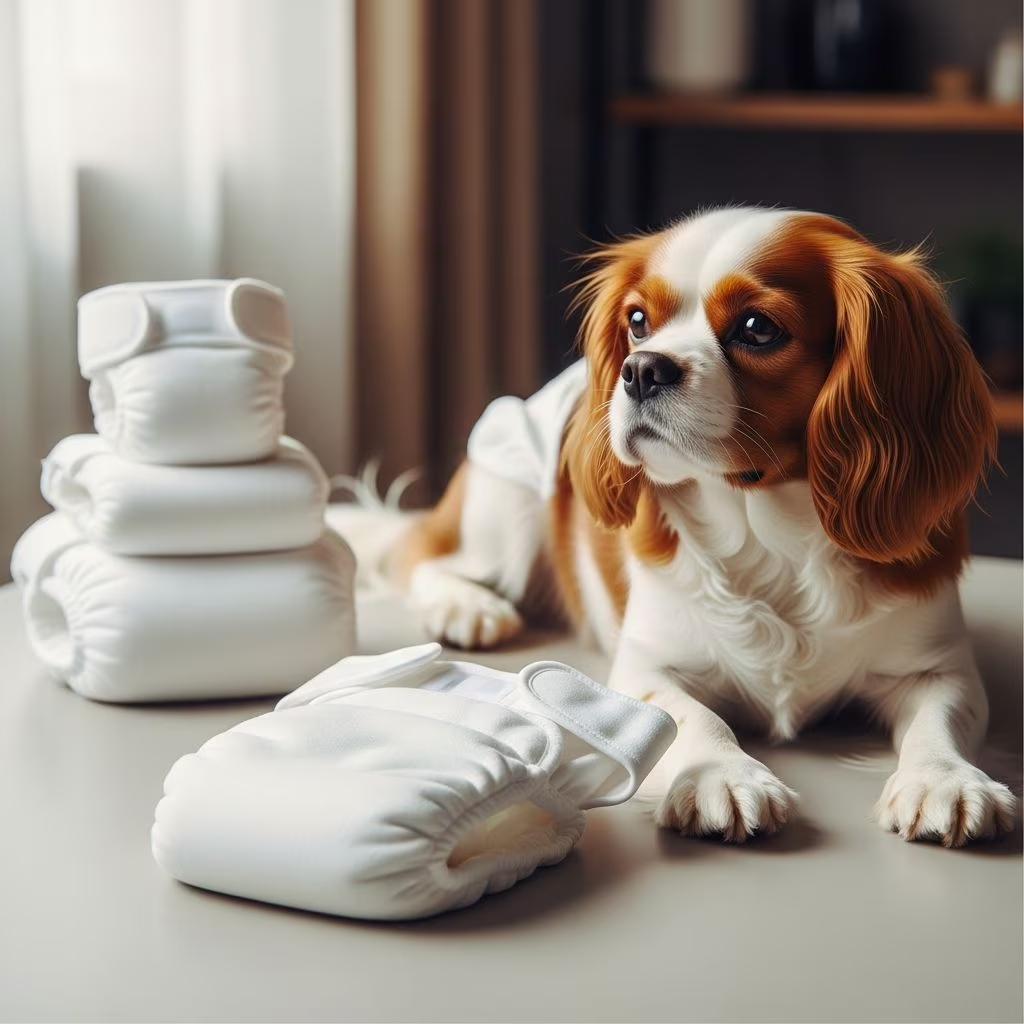
Managing your dog’s health and comfort sometimes requires practical solutions that extend beyond traditional pet care routines. Dog diapers represent one such solution, offering pet parents a way to address various challenges ranging from age-related incontinence to temporary post-surgical needs. Understanding the landscape of canine diaper options, their applications, and how to select the right product can significantly improve both your dog’s quality of life and your household management.
Understanding the Purpose and Applications
Dog diapers function similarly to human diapers, designed with absorbent materials to contain and manage bodily waste. They come equipped with specialized features including tail holes for comfort and secure fastening systems to maintain proper positioning throughout the day. The versatility of these products makes them suitable for numerous situations that pet owners encounter throughout their dogs’ lives.
Common Situations Requiring Diapers
- Age-Related Incontinence: Senior dogs often experience bladder control issues as their bodies age, and diapers provide dignity and comfort while preventing household accidents.
- Medical Conditions: Various health conditions can compromise a dog’s ability to control bodily functions, making diapers essential during diagnosis and treatment phases.
- Post-Surgical Recovery: Following surgical procedures, particularly spinal or orthopedic surgeries, dogs may temporarily lose bladder control as inflammation subsides and nerve function restores.
- Mobility Challenges: Dogs with injury-related mobility problems or conditions affecting their ability to maintain proper positioning during elimination may benefit from diaper use.
- Female Heat Cycles: Unspayed females discharge during estrus, and diapers prevent staining and reduce attraction from male dogs.
- Puppy Training Phases: Young dogs learning house training routines may benefit from temporary diaper use, particularly in households with limited supervision or frequent absences.
- Travel and Special Circumstances: Limited access to outdoor facilities during travel or specific situations where accidents would prove especially problematic makes diapers a practical choice.
Comparing Disposable and Reusable Options
The choice between disposable and reusable diapers depends on multiple factors including lifestyle, budget, environmental concerns, and specific needs. Each option presents distinct advantages and considerations that merit careful evaluation.
Disposable Diapers: Convenience and Performance
Disposable dog diapers offer immediate usability without preparation or maintenance. Pet parents simply open the package, size the diaper appropriately, and apply it to their dog. This straightforward process appeals to those seeking quick solutions, particularly for temporary situations or travel scenarios.
The absorbency level of disposable diapers typically exceeds that of reusable alternatives, as manufacturers engineer them specifically to handle significant moisture while preventing leakage. High-performance absorbent cores draw liquids away from the dog’s skin, promoting comfort and reducing odor. This enhanced absorption makes disposable options particularly suitable for dogs spending extended periods wearing diapers or those with severe incontinence.
However, the convenience factor comes with ongoing costs. Single-use products require continuous replacement, and expenses accumulate substantially over months or years, particularly for large dogs or those requiring permanent diaper use. Additionally, disposable diapers contribute significantly to landfill waste, with each discarded diaper taking years to decompose and representing a resource investment.
Reusable Diapers: Sustainability and Long-Term Value
Cloth or washable dog diapers present an economically and environmentally sensible alternative, especially for dogs requiring long-term diaper use. Initial investment costs exceed those of single disposable diapers, but the ability to wash and reuse the same product repeatedly yields substantial savings over extended periods.
Environmental benefits accompany the economic advantages. Reusable diapers eliminate the ongoing waste stream associated with disposable products, drastically reducing a household’s contribution to landfill accumulation. Pet parents can simply wash diapers with household laundry, integrating diaper care into existing routines without significant lifestyle disruption.
Pet owners possess the option to craft homemade versions using readily available materials, further reducing costs while allowing customization for their specific dog’s needs. This DIY approach appeals to creative pet parents seeking personalized solutions within strict budget constraints.
The primary drawback involves initial absorbency levels potentially lower than commercial disposable options and the time commitment required for regular washing and maintenance. However, modern cloth diapers utilize advanced fabric technology that significantly improves performance compared to older generations.
Gender-Specific Design Considerations
Male and female dogs have different anatomical requirements, and diaper designs reflect these fundamental differences. Understanding these distinctions ensures proper fit and maximum effectiveness.
Female Dog Diapers
Female-specific diapers provide comprehensive coverage designed to contain both urine and fecal matter effectively. The design wraps around the dog’s entire rear section, securing at the waist with tabs or velcro fasteners. This full-coverage approach prevents leakage from any angle and accommodates the downward angle at which female dogs urinate. The wraparound design also addresses heat cycle discharge management, offering reliable protection during estrus periods.
Male Dog Belly Bands
Male-specific products, often called belly bands or wraps, feature a narrower, more targeted design. These wrap around the dog’s torso, specifically positioning absorbent material where male dogs direct urine. Rather than attempting to contain fecal matter, belly bands focus exclusively on managing urinary incontinence or marking behavior. The streamlined design offers greater freedom of movement and may feel less restrictive to male dogs, though they require proper sizing and positioning to function effectively.
Essential Selection Criteria
Choosing appropriate dog diapers requires systematic evaluation across multiple dimensions to ensure comfort, effectiveness, and value.
Sizing and Fit
Proper sizing represents the most critical factor determining diaper effectiveness. Diapers that fit too loosely allow leakage around the edges, defeating their primary purpose. Conversely, overly tight diapers create discomfort and restrict movement while potentially causing skin irritation.
Manufacturers typically provide sizing charts correlating weight ranges to diaper sizes. Accurate measurement of your dog’s weight combined with waist circumference ensures selection of the correct size. Some dogs fall between standard sizes; in these instances, err toward the larger option to prevent excessive tightness while accepting potential minor fit imperfection.
Diaper design features impact fit quality significantly. Models with adjustable fastening systems allow fine-tuning around individual dogs’ body shapes, accommodating variations in torso shape and build.
Material Composition
The materials used in diaper construction directly affect comfort and performance. Outer layers should remain waterproof while inner surfaces incorporate soft, skin-friendly fabrics that minimize irritation during extended wear. Breathable materials promote air circulation, reducing moisture accumulation and fungal growth on extended contact areas.
Chemical sensitivity in some dogs necessitates careful material selection. Hypoallergenic options without fragrances, lotions, or harsh processing chemicals suit dogs with sensitive skin.
Absorbency Level
Appropriate absorbency depends on individual circumstances. Dogs requiring occasional protection during training phases need modest absorption capacity, while senior dogs with significant incontinence or those spending entire days in diapers require maximum absorbency to maintain skin health and prevent overflow.
Cost Analysis Over Time
Comparing disposable versus reusable options requires calculating lifetime costs. For dogs needing diapers long-term, reusable systems often prove substantially cheaper despite higher initial investment. Disposable diapers may offer better value for temporary, short-term situations. Consider the frequency of use and expected duration when making investment decisions.
Hygiene and Health Maintenance
Regular diaper changes and skin care practices prevent complications and maintain your dog’s comfort and health.
Change Frequency
Dogs wearing diapers require diaper changes at minimum every 4-6 hours, or immediately after they urinate or defecate. Prolonged contact between skin and waste creates ideal conditions for bacterial growth and fungal infections. Senior dogs or those with severe incontinence may need changes every 2-3 hours for optimal protection.
Skin Protection Strategies
Apply skin barrier creams or diaper rash ointments to areas experiencing extended contact with moisture. These protective layers reduce friction and prevent dermatitis. Allow air exposure during diaper-free periods when feasible to promote skin health.
Cleaning Protocols
Gently clean and dry the diaper area before applying fresh diapers. Use warm water and mild cleansing products designed for sensitive skin. Avoid excessive scrubbing that could further irritate already sensitive areas.
Introduction and Acclimation
Dogs unaccustomed to wearing diapers may display resistance or discomfort initially. Gradual introduction and positive reinforcement help ease this transition.
Begin by allowing your dog to wear the diaper for brief periods while offering treats, praise, and attention. Gradually extend wearing duration as your dog becomes accustomed to the sensation. Consult with your veterinarian before introducing diapers, especially if they will cover surgical incisions or injury sites, to ensure proper healing without obstruction.
Frequently Asked Questions
Can I use human diapers on my dog?
While human diapers might technically fit some larger dogs, they lack tail holes and proper sizing for canine anatomy. Specialized dog diapers provide superior fit, comfort, and reliability compared to human products.
How do I know what size my dog needs?
Refer to manufacturer sizing charts based on weight and waist circumference. When measurements fall between sizes, choosing the larger option prevents excessive tightness while accepting minor fit variations.
Are there environmentally friendly disposable options?
Some manufacturers now produce eco-friendly disposable diapers using biodegradable materials, though these typically cost more than conventional disposables. For maximum environmental benefit, reusable diapers remain the superior choice.
Can diapers cause urinary tract infections?
Improperly maintained diapers create moisture-rich environments where bacteria proliferate. Frequent changes, proper cleaning, and skin protection practices significantly reduce infection risk.
What should I do if my dog refuses to wear diapers?
Gradual introduction with positive reinforcement helps most dogs acclimate. However, persistent resistance warrants discussion with your veterinarian to rule out underlying issues or explore alternative solutions.
References
- Everything You Need to Know About Using Diapers for Dogs — American Kennel Club. https://www.akc.org/expert-advice/health/diapers-for-dogs/
- Evaluating the Benefits and Drawbacks of Dog Diapers — Purrfect Zone. https://purrfectzone.com/blogs/news/evaluating-the-benefits-and-drawbacks-of-dog-diapers
- Difference Between Dog Diapers and Dog Belly Bands — Pet Parents. https://petparentsbrand.com/blogs/pet-parenting/what-s-the-difference-between-dog-diapers-and-dog-belly-bands
- A Complete Guide to Using and Choosing Dog Diapers — Potty Buddy. https://pottybuddy.co/blogs/potty-buddy-blog/a-complete-guide-to-using-and-choosing-dog-diapers
- Dog Diapers: The Different Types, Pros & Cons — K9 Carts. https://k9carts.com/blogs/resources/dog-diapers-guide
- Understanding Dog Diapers: When and Why Your Pet May Need Them — Paw Inspired. https://www.pawinspired.com/blogs/dogs/understanding-dog-diapers-when-and-why-your-pet-may-need-them



