

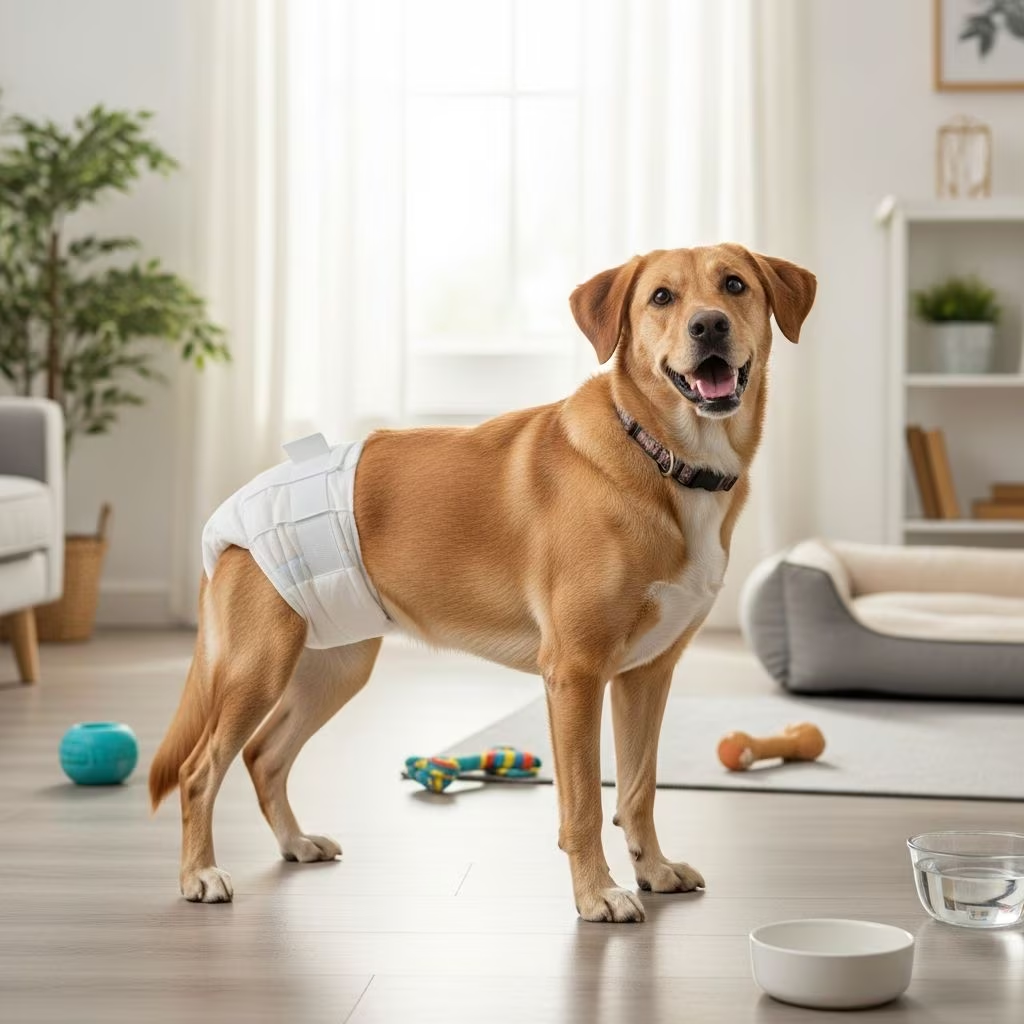
Dog Diapers: A Comprehensive Guide for Pet Parents
Managing a dog’s incontinence or mobility issues can be challenging for pet parents. While dog diapers are sometimes necessary, they should typically be considered after exploring other options and consulting with a veterinarian. If you’ve determined that diapers are the right solution for your pup, understanding the different types available, how to find the proper fit, and the best techniques for introducing them can make the process smoother for both you and your dog.
Understanding Dog Diapers: When Are They Necessary?
Dog diapers serve specific purposes in pet care, though they’re often considered a last resort. Dogs may need diapers due to various conditions including urinary incontinence, fecal incontinence, mobility issues, or temporary recovery from surgery or injury. Senior dogs experiencing age-related incontinence may benefit from diapers, as can dogs with spinal injuries or paralysis affecting their lower back or hind legs.
Before turning to diapers, it’s important to explore all available options and have a thorough discussion with your veterinarian. Many conditions that seem to require diapers may actually respond to medication, surgical intervention, or other management strategies. Your vet can help determine whether diapers are truly the best solution for your dog’s specific situation.
Types of Dog Diapers
Different types of dog diapers serve different needs, and choosing the right one depends on your dog’s condition, your lifestyle, and environmental considerations.
Disposable Diapers
Disposable diapers offer convenience and practicality for many pet parents. These diapers don’t require washing or reusing, making them ideal for households without easy access to a washer and dryer. They’re particularly useful when managing heavy urination or fecal incontinence, as the soiled diaper can simply be discarded rather than requiring thorough cleaning. The main drawback is environmental impact—disposable diapers contribute to waste accumulation over time. They’re also a more expensive long-term solution compared to reusable options, but the convenience factor makes them valuable for many families.
Reusable Cloth Diapers
Cloth diapers represent a more sustainable and often more economical choice for pet parents committed to long-term diaper use. These diapers can be washed and reused multiple times, significantly reducing waste and ongoing costs. Many dogs find cloth diapers gentler on their skin compared to disposable alternatives, reducing the risk of irritation. However, cloth diapers come with their own challenges—thoroughly removing urine and fecal odors from fabrics can be difficult, and some cloth diapers may require additional disposable inserts for heavy incontinence. Cloth diapers also require reliable access to washing facilities and regular laundering schedules.
Male Wraps
Male wraps are specialized alternatives specifically designed for male dogs experiencing urinary incontinence. These wraps are generally more comfortable than full diapers since they don’t cover the entire hind end, making them particularly suitable for dogs that only have urinary issues rather than fecal incontinence. Male wraps can be easier to introduce to some dogs and may feel less restrictive, improving comfort and acceptance.
DIY and Modified Diapers
Every dog is unique, and sometimes commercially available options don’t perfectly meet your pup’s needs. Many pet parents successfully create DIY solutions by modifying existing products to suit their dog’s individual requirements. This might involve adjusting sizing, adding extra absorbency, or combining different products to achieve the best fit and function for your specific dog. While requiring creativity and patience, DIY solutions can often be more effective and cost-efficient than standard options.
Finding the Perfect Fit
Proper fit is absolutely critical for diaper success. An ill-fitting diaper won’t prevent accidents and can cause discomfort and skin irritation. Finding the right fit presents different challenges depending on your dog’s size.
Small Breed Considerations
Small breed dogs present unique fitting challenges. The primary difficulty is finding a diaper that’s snug enough to prevent leakage. Many standard diapers are designed for medium to large dogs, making them too large for small breeds. You may need to explore specialized small-size diapers or consider DIY modifications to achieve a proper fit that won’t slip or allow accidents.
Large and Giant Breed Considerations
Large and giant breed dogs face the opposite problem—most standard diapers are simply too small. Finding viable diaper options for these dogs requires creative engineering and potentially combining multiple products or creating custom solutions. Advance planning for these complications can help you avoid frustration when searching for appropriate options.
How to Introduce Your Dog to Wearing a Diaper
Introducing a diaper to your dog requires patience, consistency, and a calm approach. Just like any new experience, some dogs need time to adjust and become comfortable with wearing a diaper. However, dogs with lower back or hind leg paralysis may not even feel the diaper, making acceptance much easier.
Step-by-Step Introduction Process
- Allow exploration: Before putting the diaper on your dog, let them sniff and investigate it thoroughly. This helps them become familiar with the object and reduces initial fear or anxiety.
- Use a calm, reassuring voice: Speak to your pup in soothing tones while introducing the diaper. Your calm demeanor will help your dog feel secure and safe during the process.
- Apply diaper gently: Put the diaper on your dog in a relaxed manner, avoiding sudden movements or rushing. If your dog becomes anxious, pause and try again later.
- Offer praise and treats: Immediately reward your dog with treats, praise, and affection when the diaper is in place. This helps create a positive association with the diaper.
- Start with short sessions: Initially, keep diaper-wearing sessions brief—just a few minutes. Gradually increase the duration as your dog becomes more comfortable.
- Use redirection techniques: Once the diaper is on, use toys, play, or treats to redirect your dog’s attention away from biting at or attempting to remove the diaper.
- Remove before frustration sets in: Take off the diaper while your dog is still calm and before they become annoyed or anxious about wearing it.
- Increase duration gradually: Each session, extend the wearing time slightly. The goal is to slowly build your dog’s comfort and tolerance while maintaining positive associations.
Positive Reinforcement Strategies
Positive reinforcement is essential throughout the introduction process. This includes praise, treats, toys, or any other reward your dog loves. The objective is to help your dog create strong positive associations with wearing the diaper. Every time your pup wears the diaper, they should associate the experience with good things happening. This positive conditioning significantly increases the likelihood of long-term acceptance and compliance.
Additional Considerations for Diaper Management
Never Force the Diaper
Consistency and patience are paramount, but forcing a diaper on a reluctant dog will create negative associations and make future acceptance even harder. If your dog is genuinely distressed, pause the process and consult with your veterinarian about alternative approaches or whether diapers are truly the best option.
Supervision is Essential
Always supervise your dog while wearing a diaper, especially during the introduction period. This allows you to monitor for any signs of discomfort, skin irritation, or attempts to remove the diaper. Supervision also enables you to provide immediate redirection or reward as needed.
Clothing Support and Protection
Doggie clothing like onesies can provide additional support by acting as a full-body suit to keep the diaper in place and prevent your dog from accessing it. However, not all dogs tolerate wearing clothing, and it’s crucial to ensure any clothing remains clean and dry to prevent skin irritation. If you use clothing over the diaper, inspect the area regularly for moisture or irritation.
Skin Health and Hygiene
Maintaining proper hygiene is essential when your dog wears diapers. Change diapers frequently to prevent skin irritation and infection. Check the diaper area regularly for rashes, redness, or other signs of skin problems. Keep the area clean and dry, and consider using pet-safe barrier creams if irritation develops. Regular bathing and careful drying of the diaper area can help maintain skin health.
Alternatives to Consider Before Using Diapers
Before committing to diaper use, explore other options that might address your dog’s needs. Many conditions causing incontinence respond to medical treatment. Some dogs benefit from medication that controls incontinence, while others may be candidates for surgical procedures that address the underlying cause. Your veterinarian can discuss these alternatives and help determine whether they’re suitable for your dog’s specific situation. Additionally, management strategies like increased outdoor bathroom breaks, specialized flooring, or other environmental modifications might reduce the need for diapers.
Frequently Asked Questions
Can I use a baby diaper for a dog?
You can use human diapers for a dog in some situations, but they require modification to fit properly. Most human diapers need adjustments, including cutting a hole out for your dog’s tail. Dog-specific diapers are generally the better option for long-term use because they’re designed with your dog’s anatomy in mind and tend to fit more securely and comfortably.
What can I use instead of a dog diaper?
The alternatives depend on your dog’s specific condition and why you believe they need a diaper. Always consult with your veterinarian to discuss your concerns and explore possible alternatives. Some conditions like incontinence may be treated with medication, surgery, or other measures that can help you avoid diapers entirely. Your vet can provide personalized recommendations based on your dog’s health status.
How often should I change my dog’s diaper?
Change your dog’s diaper frequently, ideally every few hours or whenever it becomes soiled. The exact frequency depends on your dog’s incontinence severity and the diaper’s absorbency. Regular changes prevent skin irritation, infections, and unpleasant odors while keeping your dog comfortable and clean.
Are there health risks associated with long-term diaper use?
Long-term diaper use can potentially lead to skin irritation, urinary tract infections, or other complications if proper hygiene isn’t maintained. Regular diaper changes, thorough cleaning of the area, keeping skin dry, and frequent veterinary check-ups can help minimize these risks. Monitor your dog’s skin condition closely and report any concerns to your veterinarian.
How do I help my dog adjust to wearing a diaper?
Help your dog adjust by introducing the diaper gradually with positive reinforcement, starting with short wearing periods, using treats and praise, maintaining a calm demeanor, and never forcing the diaper. Increase wearing duration slowly as your dog becomes comfortable, and always remove the diaper before your dog becomes frustrated or anxious.
References
- How to Get Your Dog to Wear a Diaper — Kinship. Accessed January 2026. https://www.kinship.com/dog-shopping/dog-diapers



