
Dog Dewclaws: Function and Removal Guide
Explore the vital role of dog dewclaws in movement and stability, and weigh the pros and cons of surgical removal for your pet's well-being.
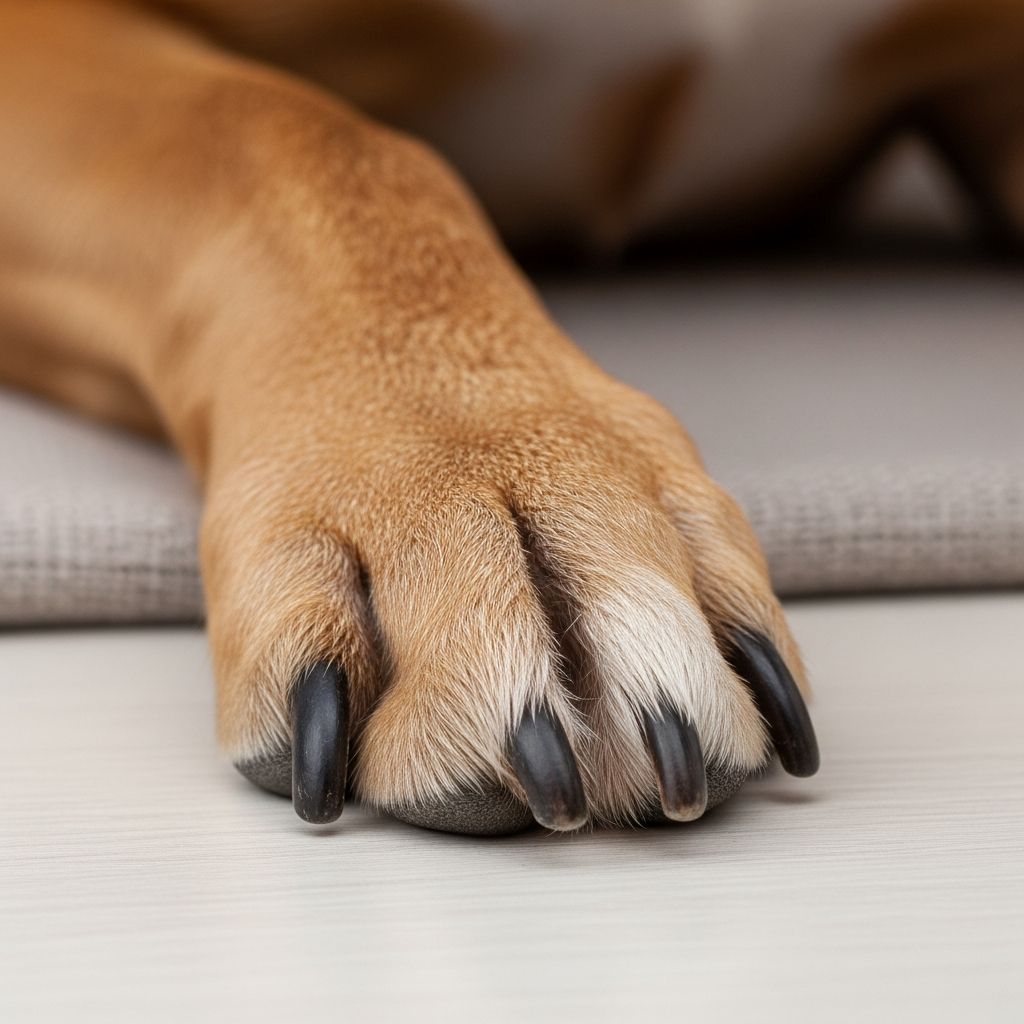
Dog dewclaws are the small, thumb-like toes on the inner side of a dog’s legs, playing a crucial role in stability and traction during movement. Present on all front paws and some hind paws, they are often misunderstood as vestigial but actually support essential functions like preventing leg torque and aiding grip on slippery surfaces.
Understanding the Anatomy of Canine Dewclaws
The dewclaw, or first digit, sits higher on the leg above the main weight-bearing toes, resembling a human thumb in structure with a proximal and distal phalanx bone. Unlike the other toes, it does not touch the ground when standing still, leading many to question its purpose. Front dewclaws are firmly attached via bones and five tendons, allowing limited forward-backward movement while providing structural support. These tendons connect to the leg muscles, enabling the dewclaw to engage during dynamic activities.
Hind dewclaws differ significantly. In most dogs, they are absent or loosely attached by skin only, lacking bony integration and thus minimal function. Certain breeds feature single or double hind dewclaws with better attachment, potentially aiding navigation on rough terrain. Blood vessels and nerves supply dewclaws, making them prone to injury or infection if damaged.
Key Functions of Dewclaws in a Dog’s Daily Life
Far from useless, dewclaws activate during high-speed motion. When a dog gallops or canters, the lead front leg’s dewclaw contacts the ground, stabilizing the carpus (wrist joint) against excessive rotation. This is vital for sharp turns, where the dewclaw digs in to counter torque forces that could otherwise strain ligaments.
- Stabilization during turns: Prevents carpal joint twisting, reducing long-term arthritis risk.
- Traction on slippery surfaces: Enhances grip at speed or on ice/snow.
- Utility tasks: Helps grip bones, climb from water, or dig.
- Athletic performance: Essential for agility dogs, herders, or hunters maintaining balance.
Research indicates removing front dewclaws may weaken supporting tendons, increasing injury risk to other toes or joints over time. Hind dewclaws, being less integrated, contribute less but still offer minor stability in select breeds.
Dewclaw Variations Across Dog Breeds
Not all dogs have identical dewclaws, influenced by genetics and breeding standards. Most breeds retain front dewclaws only, but working breeds like Great Pyrenees, Briards, and St. Bernards often have hind dewclaws—sometimes doubles—for enhanced footing in mountains or snow.
| Breed Type | Front Dewclaws | Hind Dewclaws | Notable Traits |
|---|---|---|---|
| Standard Breeds | Always present, bone-attached | Rare or skin-only | Basic traction support |
| Working/Herding | Present | Often single/double | Stability on rough terrain |
| Sighthounds | Present | Absent | Speed-focused, minimal hind |
Breeds with double hind dewclaws, like the Great Pyrenees, likely evolved this trait for predatory evasion in snowy environments. American Kennel Club standards sometimes mandate retention or removal based on function.
The Practice of Dewclaw Removal: History and Methods
Dewclaw removal, or onychectomy, is typically performed on puppies at 2-5 days old under local anesthesia, as the digit is small and nerves underdeveloped. Breeders cite prevention of tears during rough play, but evidence shows functional dewclaws rarely injure. Adult removal requires general anesthesia and longer recovery, risking pain and complications.
Historically, cosmetic reasons drove removals in show dogs for a ‘clean’ paw appearance, but athletic communities increasingly oppose it. Some kennel clubs discourage front removals except for medical reasons.
Pros and Cons of Removing Dog Dewclaws
Weighing removal involves balancing perceived benefits against proven functions.
| Pros of Removal | Cons of Removal |
|---|---|
| Reduces rare tearing injuries | Loss of torque prevention, higher carpal strain |
| Cosmetic appeal for shows | Tendon atrophy, potential arthritis |
| Easier grooming | Increased other toe injury risk |
| Minimal hind function | Impaired agility/traction |
For active dogs, retention is advisable; sedentary pets may face fewer issues sans dewclaws.
Caring for Your Dog’s Dewclaws: Maintenance Tips
Regular checks prevent problems. Trim overgrown nails monthly using dog-specific clippers to avoid quick exposure. Monitor for swelling, limping, or snags post-play.
- Inspect weekly for cuts or infections.
- Trim if curling into paw pads.
- Moisturize dry skin around base.
- Consult vet for injuries—antibiotics may be needed.
For hind dewclaws, gentle filing suffices if loose. Training dogs to tolerate paw handling from puppyhood eases care.
When Should You Consider Dewclaw Surgery?
Removal is warranted only for trauma, recurrent infections, or breed standards requiring it. Vets assess attachment strength; loose hind ones may be candidates, but front ones rarely. Post-surgery, monitor for phantom pain or gait changes. Alternatives like protective boots suit active dogs better.
FAQs About Dog Dewclaws
Do all dogs have dewclaws?
Yes, all have front dewclaws; hind ones vary by breed.
Is dewclaw removal painful?
Neonatal procedures minimize pain; adults experience more.
Can dewclaws grow back?
No, full removal prevents regrowth.
Do working dogs need dewclaws?
Yes, for optimal performance and injury prevention.
How to tell if a dewclaw is injured?
Look for limping, swelling, or bleeding; seek vet care promptly.
Expert Recommendations for Pet Owners
Retain dewclaws unless medically necessary, especially for sporty or working dogs. Discuss with a canine rehabilitation specialist for personalized advice. Prioritize function over aesthetics for your dog’s lifelong mobility.
References
- Dewclaw Function 101 — worksSOwell. 2023. https://www.workssowell.com/a/blog/dewclaw-function-101
- The Function of Dewclaws 101 — McIntyre Canine Rehabilitation. 2023. https://www.mcrehabilitation.com/blog/the-function-of-dewclaws-101
- The Dewclaw — PetMassage Training and Research Institute. 2023. https://petmassage.com/the-dewclaw/
- All About Dewclaws in Dogs — Frank Rowe and Son. 2024. https://www.frankroweandson.com/blog/all-about-dewclaws/
- Why Do Dogs Have Dewclaws? — Morris Animal Inn. 2023. https://www.morrisanimalinn.com/blog/why-do-dogs-have-dewclaws/
- The Dewclaw: A Doggy Do or Doggy Don’t? — SBAH Vet. 2024. https://www.sbahvet.com/blog/the-dewclaw-a-doggy-do-or-doggy-dont/
- Everything You Need to Know About Dog Dewclaws — PetMD. 2024-01-15. https://www.petmd.com/dog/care/5-things-you-need-know-about-dog-dewclaws
Similar Articles








Read full bio of medha deb




