

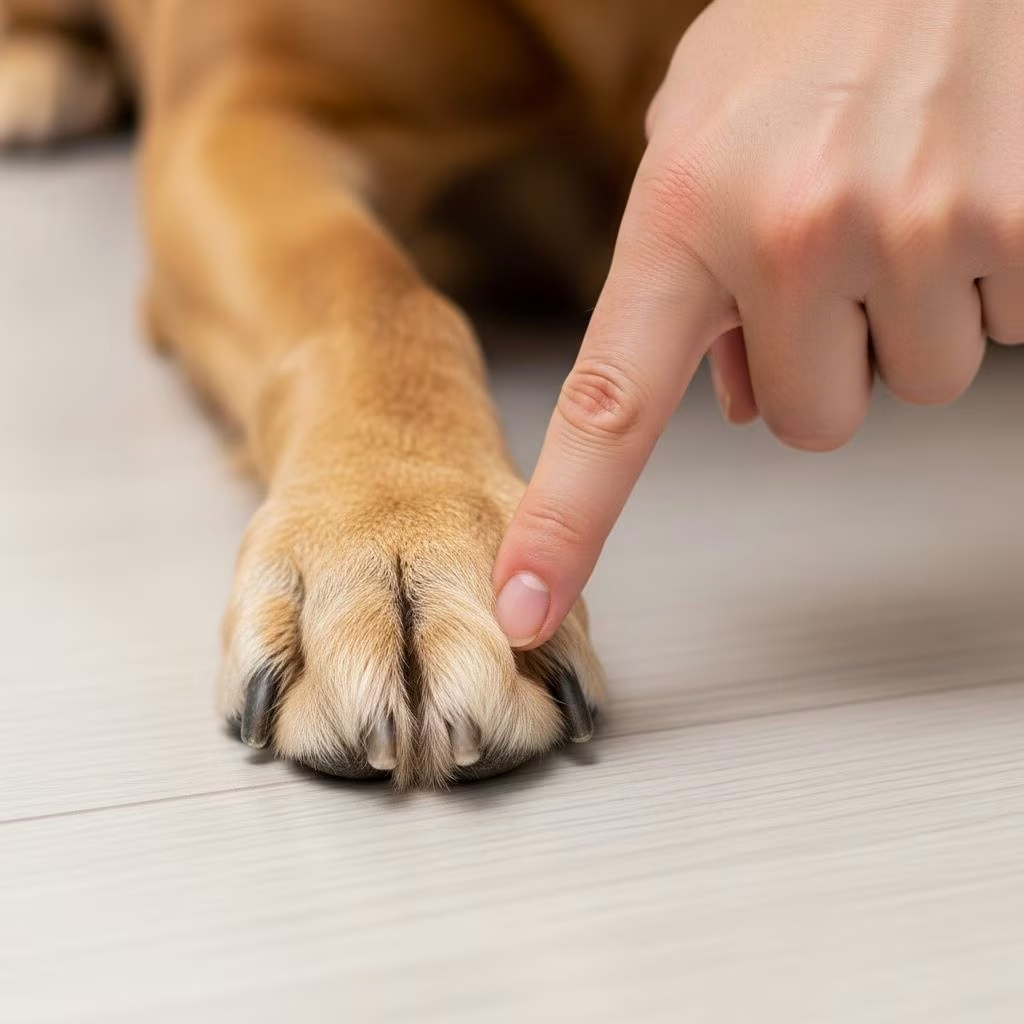
Dewclaws are the small, often overlooked toes on a dog’s legs, serving critical roles in movement and stability. Understanding their anatomy, benefits, and care needs helps owners decide on preservation or removal based on lifestyle and breed traits.
The Anatomy of Canine Dewclaws
Dewclaws, also known as the first digit, appear on the inner side of a dog’s legs. Front dewclaws are present in all dogs, typically higher up the leg with a more secure bony attachment, while rear dewclaws vary by breed and are often looser or absent.
Structurally, front dewclaws consist of two phalanges—the proximal and distal—connected by tendons and muscles like the extensor pollicis longus et indicis proprius and flexor digitorum profundus. This setup allows limited flexion, aiding grip during turns or climbs. Rear dewclaws, when present, may be single- or double-boned, influencing their functionality and injury risk.
- Front dewclaws: Firmly attached, essential for biomechanics.
- Rear dewclaws: Often pendulous, more prone to snagging.
Essential Functions in Daily and Athletic Activities
Beyond appearance, dewclaws contribute to a dog’s physical prowess. They provide traction during sharp turns, preventing carpal slippage and distributing torque across the forelimb.
In working dogs—such as herders, hunters, or agility competitors—dewclaws act like a thumb, securing holds on uneven terrain or during rapid directional changes. Removing them can lead to muscle atrophy, increased carpal strain, and higher injury odds in sports.
Even household pets benefit; dewclaws stabilize limbs on slick floors or during play, reducing long-term joint wear. A study in the Journal of the American Veterinary Medical Association linked dewclaw absence to elevated digit injury risks in agility dogs.
Common Injuries and Health Concerns
Dewclaws face unique vulnerabilities due to their position. They don’t naturally wear down like other nails, leading to overgrowth, splits, or tears from snagging on fences, brush, or carpets.
Infections arise in about 15% of injured cases, as bacteria enter wounds, especially in active or long-haired breeds. Detached dewclaws may dangle painfully, while attached ones risk fractures or tumors requiring intervention.
| Injury Type | Common Causes | Effects |
|---|---|---|
| Tear/Snag | Fences, grooming, rough play | Pain, bleeding, infection risk |
| Overgrowth | Lack of wear | Ingrown nails, discomfort |
| Fracture | High-impact activities | Limping, arthritis potential |
Non-athletic dogs may develop arthritis from repeated twisting without dewclaw support.
Pros and Cons of Dewclaw Removal
Removal debates center on prevention versus function. Proponents cite reduced snagging (30% injury rate in intact dewclaws) and easier hygiene.
Opponents highlight functional loss: front removal weakens carpal structure, raising sprain, strain, and arthritis risks, particularly in athletes. It’s akin to thumb amputation, with higher pain and complications post-surgery.
- Benefits: Fewer tears, infections; aesthetic for some breeds.
- Drawbacks: Anesthesia risks, muscle atrophy, impaired grip.
Vets recommend against routine front removal, reserving it for medical necessities like cancer. Rear removal is more common and less impactful.
When Removal Makes Sense: Decision Factors
Timing matters—neonatal removal (days 2-5) is simplest, avoiding anesthesia in puppies. Adult procedures demand general anesthesia, with recovery up to a week.
Key considerations include:
- Lifestyle: High-risk environments (woods, shops) favor removal.
- Breed: Working breeds retain for performance.
- Health: Chronic issues justify surgery.
Combine with spay/neuter for efficiency.
Caring for Intact Dewclaws: Prevention Strategies
Preserve dewclaws through vigilant maintenance. Trim monthly with pet clippers, checking for splits.
Daily inspections catch issues early; clean with antiseptic after muddy play. Boots protect in rough areas, while paw balms prevent cracks.
- Inspect weekly for length, damage.
- Trim to avoid ground contact.
- Monitor for limping, swelling.
- Vet check during routine visits.
These steps minimize 30% injury risks without surgery.
Breed Variations and Standards
Dewclaw presence varies: all dogs have front ones; rear are common in Great Pyrenees or Briards (double dewclaws prized), absent in Greyhounds.
Breed clubs debate: some mandate removal for aesthetics (e.g., certain show dogs), others preserve for function. Consult standards before breeding.
Surgical Procedure and Recovery Insights
Puppy removal uses scalpel or cautery under local sedation. Adults undergo orthopedic amputation, sutured under anesthesia.
Post-op: E-collar prevents licking; clean daily, restrict activity 7-10 days. Watch for infection (swelling, pus). Pain meds aid comfort.
Complications like nail regrowth are rare if done correctly.
Alternatives to Full Removal
For minor issues, trim, file, or cap nails. Protective gear suits active dogs; regular grooming suffices for most.
Veterinary options include partial amputation or infection treatment sans full removal.
FAQs on Dog Dewclaws
What if my dog’s dewclaw is torn? Clean immediately, bandage, and see a vet for stitching or removal if detached.
Do all dogs need dewclaw removal? No, especially fronts; only for medical or high-risk cases.
Can dewclaws grow back after removal? Improper puppy surgery may allow partial regrowth, but adult procedures prevent it.
Are rear dewclaws useful? Less so than fronts, but they aid stability in some breeds.
How often to trim dewclaws? Every 4-6 weeks, or as needed to prevent curling.
Long-Term Impacts on Joint Health
Intact dewclaws support carpal integrity, averting torque-induced arthritis in seniors. Removed ones correlate with forelimb weaknesses over time.
Balanced activity and supplements like glucosamine bolster joint health regardless.
References
- Canine Front Limb Dewclaw Removal and the Resulting Carpal Injury and Arthritis Risks — PetMassage. Accessed 2026. https://petmassage.com/canine-front-limb-dewclaw-removal-and-the-resulting-carpal-injury-and-arthritis-risks/
- The Importance of Puppy Dewclaw Removal – Understanding the Process and Benefits — Harvest Creek Puppies. Accessed 2026. https://www.harvestcreekpuppies.com/post/the-importance-of-puppy-dewclaw-removal-understanding-the-process-and-benefits
- Dew claws on dogs: Clipping dew claws vs keeping them? — Bow Wow Insurance. Accessed 2026. https://bowwowinsurance.com.au/pet-community/pet-talk/dew-claws-on-dogs-clipping-dew-claws-vs-keeping-them/
- What Are Dog Dewclaws? — Healthy Paws Pet Insurance. Accessed 2026. https://www.healthypawspetinsurance.com/blog/dog-care/what-are-dog-dewclaws.html
- Everything You Need to Know About Dog Dewclaws — PetMD. Accessed 2026. https://www.petmd.com/dog/care/5-things-you-need-know-about-dog-dewclaws
- Dew Claw Removal: Are Dew Claws Necessary? — Whole Dog Journal. Accessed 2026. https://www.whole-dog-journal.com/care/dew-claw-removal/
- Removing Dew Claws: Dew or Don’t? — Tier 1 VMC Animal Hospital. Accessed 2026. https://tier1vet.com/removing-dew-claws/



