
Dog Dermatitis Guide
Comprehensive insights into identifying, managing, and preventing dermatitis in dogs for healthier skin and happier pets.
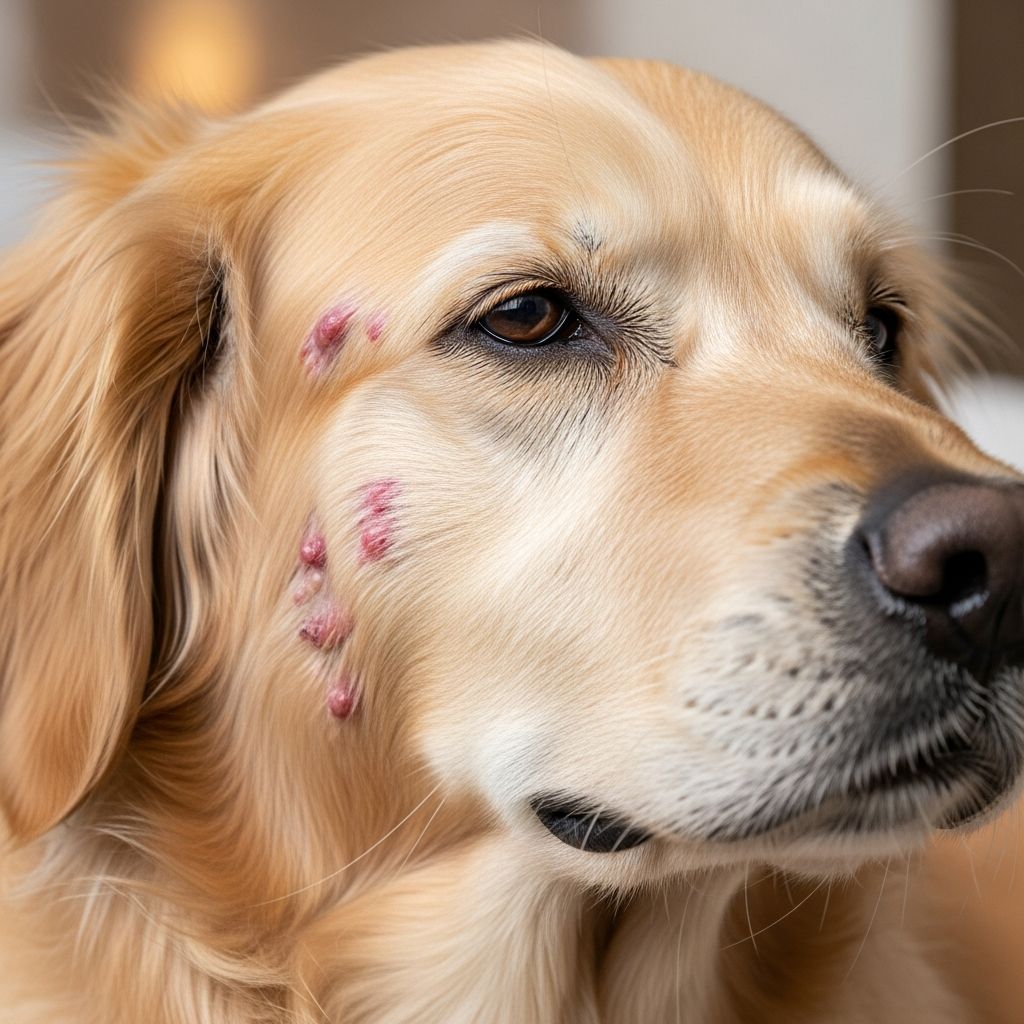
Dog dermatitis encompasses a range of inflammatory skin conditions that cause discomfort, itching, and visible changes in a dog’s coat and skin. These issues arise from allergies, infections, parasites, or environmental irritants, affecting dogs of all ages and breeds. Early recognition and targeted interventions can significantly improve quality of life, preventing secondary complications like chronic infections.
Recognizing the Signs of Dermatitis in Your Dog
Owners often notice the first hints of dermatitis through behavioral changes, such as excessive scratching, licking, or chewing at specific areas. Common visible symptoms include red, inflamed patches, hair loss (alopecia), flaky or scaly skin, and the formation of pustules or bumps. In severe cases, the skin may darken (hyperpigmentation), develop crusts, or ooze, leading to a foul odor from secondary bacterial or yeast overgrowth.
- Itching (pruritus): The hallmark sign, often worsening at night or after exposure to triggers.
- Redness and swelling: Localized to areas like paws, belly, ears, or armpits.
- Hair loss and scaling: Bald spots with dry, flaky skin resembling dandruff.
- Odor and discharge: Indicating infection, especially in moist areas like skin folds.
- Behavioral shifts: Restlessness, anxiety, or self-trauma from constant scratching.
These symptoms can flare seasonally or persist year-round, depending on the underlying cause. Areas with thin fur, such as the groin, axillae (armpits), and interdigital spaces (between toes), are particularly vulnerable due to less protection.
Primary Causes Behind Canine Dermatitis
Dermatitis in dogs stems from diverse triggers, broadly categorized into allergic, infectious, parasitic, and irritant-based types. Allergic dermatitis, including atopic and contact forms, is prevalent, driven by genetic predispositions that weaken the skin barrier, allowing allergens to penetrate easily.
| Type | Common Triggers | Affected Areas |
|---|---|---|
| Allergic (Atopic) | Pollen, dust mites, mold | Paws, ears, face |
| Contact | Chemicals, plants, plastics | Belly, feet, muzzle |
| Parasitic | Fleas, mites (sarcoptic, demodex) | Back, ears, legs |
| Infectious | Bacteria, yeast | Moist folds, hot spots |
Allergic Reactions: Environmental allergens like pollen and dust mites provoke an immune overresponse, leading to chronic inflammation. Food sensitivities to proteins such as beef or chicken can mimic these signs.
Contact Irritants: Direct exposure to substances like detergents, fertilizers, or certain carpets causes localized reactions, uncommon due to fur protection but notable on shaved or sparse-haired spots.
Parasites and Infections: Fleas cause intense itching from saliva allergens; mites lead to mange with crusty lesions. Bacterial pyoderma or yeast dermatitis often follows as secondary issues from broken skin barriers.
Diagnosis: Steps to Pinpoint the Problem
Veterinary diagnosis begins with a thorough history, noting onset, progression, and potential exposures. Physical exams reveal lesion patterns, while skin scrapings, cytology, or biopsies rule out infections or parasites. Allergy testing—intradermal or blood serum—identifies specific environmental triggers for atopic cases.
- Skin cytology: Microscopic exam for bacteria, yeast, or inflammatory cells.
- Flea combing and tape tests: Detect parasites.
- Elimination diets: 8-12 weeks of novel protein to confirm food allergies.
- Culture and sensitivity: Guides antibiotic choice for resistant infections.
Breeds like Golden Retrievers, Bulldogs, and Labrador Retrievers show higher susceptibility, hinting at genetic factors.
Treatment Strategies for Relief and Healing
Treatment targets the root cause while managing symptoms multimodally. Removing triggers—flea preventives, hypoallergenic bedding—is foundational.
Medications for Itch and Inflammation
Apoquel, Cytopoint injections, or oclacitinib provide rapid itch relief without steroids’ side effects. For acute flares, short-term glucocorticoids calm inflammation. Antihistamines offer mild support, while antifungals or antibiotics tackle infections.
Topical and Bath Therapies
Medicated shampoos with chlorhexidine, miconazole, or hydrocortisone soothe and cleanse. Oatmeal or essential fatty acid conditioners restore barrier function. Frequency: 1-2 times weekly under vet guidance to avoid drying.
Advanced Options: Immunotherapy and Supplements
Allergy shots or sublingual drops desensitize to specific allergens over months, offering long-term control for 60-80% of atopic dogs. Omega-3 supplements reduce inflammation naturally.
Novel protein diets or hydrolyzed formulas manage food allergies effectively.
Prevention and Long-Term Skin Health Management
Proactive care minimizes flares: monthly flea control, regular grooming, hypoallergenic environments, and routine vet check-ups. Monitor for early signs and maintain skin barrier with moisturizing sprays.
- Use gentle, fragrance-free shampoos.
- Wipe paws post-walks to remove allergens.
- High-quality diets rich in fatty acids.
- Yearly allergy testing updates.
When to Seek Immediate Veterinary Care
Rush to the vet for rapidly spreading lesions, lethargy, fever, or non-responsive itching—these signal deep infections or anaphylaxis. Hot spots (acute moist dermatitis) require clipping and bandaging to heal.
FAQs on Dog Dermatitis
Can dog dermatitis be cured?
Many forms, like food allergies, can resolve with diet changes, but atopic dermatitis is managed lifelong, not cured.
Is dermatitis contagious to humans?
Parasitic types like sarcoptic mange are; bacterial infections rarely. Allergic forms are not.
How long do treatments take to work?
Itch relief often within 24-48 hours; full healing in 2-4 weeks with compliance.
Are home remedies safe?
Aloe vera or coconut oil may soothe mildly, but consult vets to avoid worsening infections.
What breeds are most at risk?
Shar-Peis, French Bulldogs, West Highland White Terriers, and Retrievers.
Holistic Approaches and Emerging Therapies
Omega fatty acids and probiotics support skin immunity. Veterinary acupuncture improves circulation and reduces itch in some cases. Novel biologics like lokivetmab target itch pathways precisely.
References
- Contact Dermatitis in Dogs: Symptoms, Common Causes — PetMD. 2023. https://www.petmd.com/dog/conditions/skin/contact-dermatitis
- Dog Skin Allergies & Allergic Dermatitis: Symptoms & Treatment — Purina. 2023. https://www.purina.com/articles/dog/health/skin-fur-ears/dog-skin-allergies-dermatitis
- Canine Atopic Dermatitis (Environmental Allergy) in Dogs — MedVet. 2024. https://www.medvet.com/atopic-disease-dogs/
- Dermatitis (red, inflamed, sore skin or a rash) in dogs — PDSA. 2023. https://www.pdsa.org.uk/pet-help-and-advice/pet-health-hub/symptoms/dermatitis-red-inflamed-sore-skin-or-a-rash-in-dogs
- Atopic dermatitis (atopy) — Cornell University College of Veterinary Medicine. 2023. https://www.vet.cornell.edu/departments-centers-and-institutes/riney-canine-health-center/canine-health-topics/atopic-dermatitis-atopy
- How to Help a Dog With Allergic Dermatitis — VRA Vet. 2022-08-30. https://www.vravet.com/site/blog/2022/08/30/how-to-help-a-dog-with-allergic-dermatitis
- Effective Treatments for Dogs with Allergic Dermatitis — Berkeley Dog & Cat Hospital. 2022-11-15. https://www.berkeleydogandcat.com/site/blog/2022/11/15/allergic-dermatitis-dog-treatment
Similar Articles








Read full bio of medha deb




