

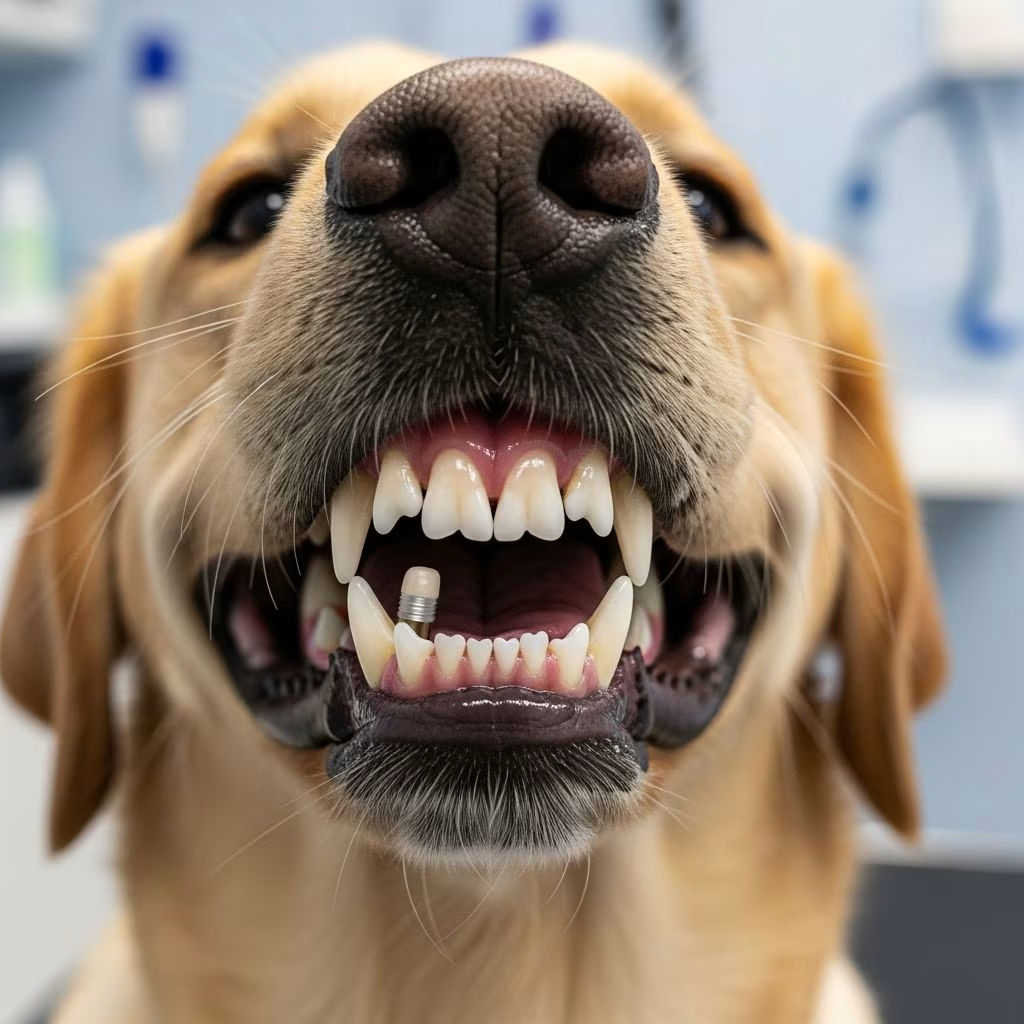
When a beloved dog loses a tooth due to injury, decay, or disease, pet owners naturally seek solutions to restore their companion’s oral function and appearance. Dental implants have emerged as an advanced treatment option in veterinary medicine, though they remain relatively uncommon and controversial within the profession. Understanding what dental implants entail, their associated costs, and the broader context of this procedure is essential for any pet owner considering this intervention.
Understanding Veterinary Dental Implants
Dental implants represent a significant advancement in veterinary dentistry, designed to replace missing teeth by anchoring an artificial tooth structure directly into the jawbone. Unlike removable dentures or simple tooth extractions, implants function as a permanent solution that mimics the structure of natural teeth. The procedure involves surgically placing a titanium post into the jawbone, allowing it to integrate with the bone over time, and then attaching a ceramic crown to the top of this artificial root.
However, it is important to recognize that dental implants for dogs remain a developing field within veterinary medicine. The American Veterinary Dental College and many veterinary professionals note that there is insufficient scientific evidence to universally endorse this procedure. The long-term efficacy, safety profile, and actual functional benefits compared to the risks and costs remain areas of ongoing investigation. This lack of widespread adoption and evidence-based support means that implants are performed by only a limited number of certified veterinary dentists.
The Multi-Stage Surgical Process Explained
Unlike a straightforward tooth extraction, dental implant placement in dogs is a complex, multi-phase surgical undertaking that spans several months. Understanding each stage helps pet owners appreciate why the procedure is both costly and demanding.
Initial Assessment and Radiographic Evaluation
The process begins with a comprehensive dental examination and radiographic imaging. The veterinary dentist must evaluate the condition of the jawbone, determine whether sufficient bone density exists to support an implant, and assess the area where the implant will be placed. These diagnostic dental X-rays typically cost between $150 and $250 and generally require sedation to obtain quality images, particularly for the specific views needed for implant planning.
Bone Grafting When Necessary
Many dogs require bone grafting before implant placement can proceed. Bone loss occurs naturally after tooth loss or due to periodontal disease, leaving insufficient jawbone to securely anchor a titanium implant. When bone grafting is deemed necessary, the veterinarian will place grafting material into the deficient area. The body then gradually incorporates this material over a healing period that can extend from three to six months. This additional surgical step increases both treatment time and overall cost, sometimes substantially.
Implant Placement and Osseointegration
Once adequate bone is confirmed, the veterinary dentist surgically positions a titanium screw into the prepared site. This screw functions as an artificial tooth root. Following placement, another waiting period of three to six months is necessary. During this time, a biological process called osseointegration occurs—the jawbone gradually fuses with and integrates around the titanium implant, creating a stable foundation.
Crown Placement
Only after successful osseointegration is confirmed does the final phase begin. A ceramic crown, carefully fabricated to match the dog’s natural tooth color and anatomy, is bonded to the top of the integrated implant. This crown becomes the functional, visible portion of the replacement tooth.
Breaking Down the Costs of Canine Dental Implants
Primary Implant Expense
According to available veterinary cost data, a single tooth implant for a dog ranges from $2,000 to $4,000. This figure represents the core implant procedure itself, including the titanium post, the crown, and the surgical placement work performed by the veterinary dentist. The wide range reflects variations based on the implant location, complexity of the case, and the specific veterinary practice performing the procedure.
Ancillary Surgical Costs
Several additional expenses almost always accompany implant placement:
- General Anesthesia: Every stage of implant treatment requires general anesthesia. Anesthesia costs typically range from $90 to $1,200 depending on the dog’s size, overall health status, and the length of the procedure. Larger dogs require higher drug doses and more intensive monitoring, driving costs upward.
- Preliminary Diagnostic Imaging: Dental radiographs necessary for treatment planning cost $150 to $250. Additional imaging may be needed during follow-up phases.
- Tooth Extraction: If the damaged or diseased tooth must be removed before implant placement, extraction fees typically range from $500 to $800, plus the cost of associated anesthesia and radiographs.
- Bone Grafting: When necessary, bone grafting adds a separate surgical procedure with its own associated anesthesia and material costs, potentially adding thousands of dollars to the overall treatment expense.
Follow-Up Care and Medications
Post-operative care includes follow-up veterinary visits to monitor healing, prescription pain medications, and potentially antibiotics to prevent infection. These ongoing expenses accumulate throughout the healing phases and should be factored into the total treatment cost.
Realistic Total Investment for Implant Treatment
When all components are combined—the implant itself, multiple anesthesia episodes, radiographs, possible extractions, bone grafting, post-operative medications, and follow-up care—the total financial commitment for a single tooth implant can easily exceed $5,000 to $8,000 or more. Some complex cases involving extensive bone grafting can cost even more. This substantial expense places dental implants financially out of reach for many pet owners and represents a significant investment in a single tooth.
Insurance Coverage: What to Expect
Limited Pet Insurance Support
Most pet insurance policies provide minimal or no coverage for dental implants. Insurance companies typically classify implants as elective or cosmetic procedures rather than medically necessary treatments. While some policies may cover the initial tooth extraction or treatment for underlying periodontal disease that led to tooth loss, the implant itself generally remains the owner’s financial responsibility.
Policy Exclusions
Pet insurance plans frequently exclude pre-existing dental conditions, routine preventive care, and cosmetic procedures from coverage. Since many dogs requiring implants have existing dental disease or may have lost teeth due to pre-existing conditions, insurance coverage becomes even less likely. Pet owners should carefully review their specific policy documents to understand exact coverage limitations.
Pre-Existing Condition Clauses
Most policies include waiting periods for dental coverage or exclude conditions that existed before the policy was purchased. This timing typically works against owners seeking implant treatment, as dental problems usually develop gradually before the implant becomes necessary.
Debating the Value: Is an Implant Worth the Cost?
The Controversy Within Veterinary Medicine
The veterinary profession remains divided on the true value of dental implants for dogs. While human dental implants have decades of research supporting their safety and efficacy, canine implants lack equivalent long-term studies. Key concerns include:
- Insufficient scientific evidence regarding long-term success rates in dogs
- Questions about whether functional and quality-of-life improvements justify the expense
- Limited data on implant failure rates or complications over years
- Dogs’ relatively shorter lifespans compared to humans, reducing the return on investment
- Alternative treatments available at significantly lower cost
Alternative Treatment Options
For many dogs, alternative solutions prove more practical and affordable. Options include accepting the tooth loss (many dogs adapt well), extraction with proper healing, or exploring other restorative techniques. Most dogs maintain excellent quality of life with missing teeth, as their nutrition and comfort are not significantly compromised in typical cases.
Factors Influencing Individual Implant Costs
Geographic and Practice Variation
Veterinary implant costs vary significantly based on geographic location, the reputation and experience level of the veterinary dentist, and the specific practice’s overhead costs. Urban areas and well-established specialty practices typically charge more than rural veterinarians. Obtaining multiple estimates before proceeding is advisable.
Case Complexity
The specific location of the missing tooth, the extent of bone loss, and whether bone grafting is necessary all affect the final cost. A straightforward case with adequate existing bone will cost less than a complex scenario requiring substantial grafting.
Individual Dog Factors
The dog’s age, size, overall health status, and ability to tolerate multiple anesthesia episodes influence pricing. Older dogs or those with health concerns may require additional pre-operative testing and monitoring, increasing costs.
Frequently Asked Questions About Canine Dental Implants
How long does the entire implant process take?
The complete timeline from initial consultation through final crown placement typically spans 9 to 15 months, accounting for multiple surgical phases and healing periods. This extended commitment requires patience and ongoing financial investment.
What is the success rate for dog dental implants?
Comprehensive success rate data for canine implants remains limited due to the procedure’s relative rarity. Available information suggests success varies based on numerous factors, but many implants do successfully integrate and function. Long-term data spanning several years is scarce.
Will my dog’s insurance cover any portion of the implant cost?
Most standard pet insurance policies will not cover dental implants. Contact your insurance provider directly to confirm your specific policy’s dental coverage limitations before proceeding.
Can a dog lose an implant after it has been placed?
While rare with proper placement and integration, implant failure can occur. Infection, bone loss, or trauma might compromise an integrated implant. Preventive care and regular dental monitoring help minimize this risk.
Are there any breeds predisposed to implant success or failure?
Breed-specific success data for canine dental implants is not well-documented in veterinary literature. Individual variations in bone quality, healing capacity, and overall health likely matter more than breed.
Making an Informed Decision
Pet owners considering dental implants for their dogs should approach the decision methodically. Consult with a board-certified veterinary dentist to thoroughly understand the procedure, expected outcomes, realistic costs, and any alternatives. Request detailed cost estimates and inquire about the dentist’s experience and success rates with implant procedures.
Consider your dog’s overall health, age, quality of life with the missing tooth, and your financial situation. In many cases, dogs adapt remarkably well to tooth loss without significant functional or comfort compromise. The substantial financial and time investment in implants may not provide proportional benefits for every dog.
As veterinary dental technology continues to evolve, more evidence regarding long-term implant outcomes in dogs will emerge. Until then, patients and veterinarians must carefully weigh the potential benefits against the considerable costs and the current limitations in scientific evidence supporting the procedure.
References
- Typical Dog Tooth Implant Costs – 2026 Price Guide — Dogster. 2026. https://www.dogster.com/dog-health-care/typical-dog-tooth-implant-costs
- Is There Such a Thing as Dental Implants or Dentures for Dogs? — Affordable Dentist Near Me. https://affordabledentistnearme.com/is-there-such-a-thing-as-dental-implants-or-dentures-for-dogs/
- Are Dental Implants Good for Pets? — PetMD. 2014. https://www.petmd.com/blogs/thedailyvet/ken-tudor/2014/january/are-dental-implants-good-pets-31242
- Dental Implants for Dogs: Essential Guide — Lancaster Puppies. https://www.lancasterpuppies.com/pet-advice/dental-implants-for-dogs-essential-guide.html
- On 17-4PH Stainless Steel Dental Implant for Premolar 4 in Canine — Exploration Publishing. https://www.explorationpub.com/Journals/ebmx/Article/101315



